Skip to content
Search
Menu

Bookings here go through Viator, who pay us a commission. You are charged the same either way, and the commission had no say in this list.

Beach update

The Warmest Water of the Year Arrives After the Lifeguards Leave

September has the warmest sea, the emptiest sand and nobody watching the water. The two calendars do not line up, and the gap catches people out every autumn.

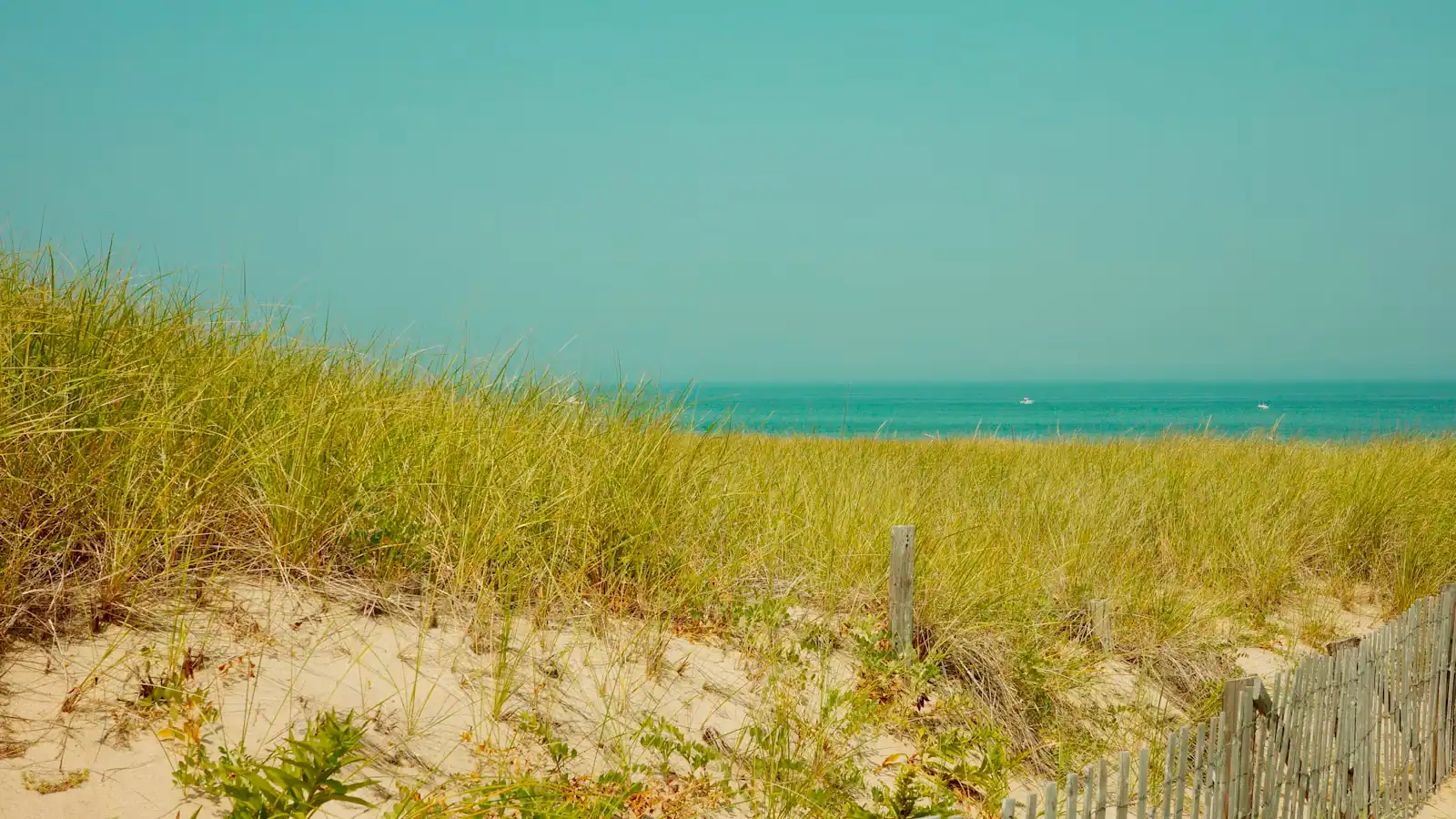
A wide empty stretch of pale sand running away beside shallow water with almost nobody on itUnsplash

There is a gap in the Cape Cod calendar that almost nobody plans for, and it opens on the first Monday in September.

Cape Cod National Seashore staffs its ocean beaches with lifeguards from around the third week of June until Labor Day. Outside that window there are no lifeguards on duty anywhere in the park. The park states it plainly: no guards between Labor Day and the third week of June.

Now put that against the water. Sea temperature on this coast lags air temperature by roughly six weeks, so the warmest swimming of the entire year falls in late August and the first half of September. The crowds have gone home, the light is better, the parking is easy, and the ocean is as warm as it ever gets.

It is also completely unsupervised. And white sharks remain active into the autumn, with activity around the Outer Cape peaking from roughly August into October, which is to say precisely across the unguarded weeks.

None of this is a reason to stay out of the water in September. It is a reason to swim differently in September.

  • Stay close to shore, in water where somebody could reach you.
  • Do not swim alone. The beaches are emptier, which cuts both ways.
  • Find the emergency call box at the beach entrance before you go in, and note where it is.
  • Read the signage at the entrance even though no flag is flying, because at an unstaffed beach the signs are the only warning system present.
  • Keep away from seals and from schools of fish working at the surface.

Town beaches run their own staffing and their own seasons, generally shorter than the calendar summer, and several stop guarding before the Seashore does.

The same gap exists at the front of the season. Early June has open restaurants, long days and thin crowds, and on most days no lifeguard on the sand either.


SourcingLifeguard season as stated by the National Park Service for Cape Cod National Seashore. Town beach staffing is set separately by each town.

Plan around it

What this means for visitors

The pages that carry the practical detail behind this story — hours, costs, access and where it sits on the Cape.

  • Things to do

    Beaches

    Cape Cod has three coasts and they swim nothing alike: cold Atlantic surf, warm bay flats and the sheltered Sound. Plus beach parking and…

  • Things to do

    Cape Cod National Seashore

    Cape Cod National Seashore: forty miles of Atlantic shore protected since 1961, the six ocean beaches, what the entrance fee covers, and…

  • Things to do

    Best Time to Visit

    When to visit Cape Cod: why September beats July for swimming, what closes between Columbus Day and Memorial Day, and the two-month lag in…

  • Guide

    The Best Time to Visit Cape Cod: An Opening and Closing Calendar

    The Cape's weather is ordinary New England weather. What is not ordinary is how completely the place shuts, and how much of the year sits…

Related

Explore Cape Cod National Seashore

This story touches something you can book. These are live listings from our booking partner, not a recommendation attached to the report above.

Bookings here go through Viator, who pay us a commission. You are charged the same either way, and the commission had no say in this list.

Newsroom

More from the newsroom

Who reported this

Outdoors & Ocean Editor

Silas crewed whale-watch boats out of Provincetown before he wrote about them, and still reads Massachusetts Bay by the wind rather than the calendar. He covers the National Seashore, the three coasts, the surf and the cold, and he treats the shark guidance and the federal approach distances as the law they are rather than as etiquette.

Our newsroom is machine-assisted and human-edited: stories are drafted from verified public sources and checked before they publish. How that works is set out in our editorial standards.

More from Silas Crowell