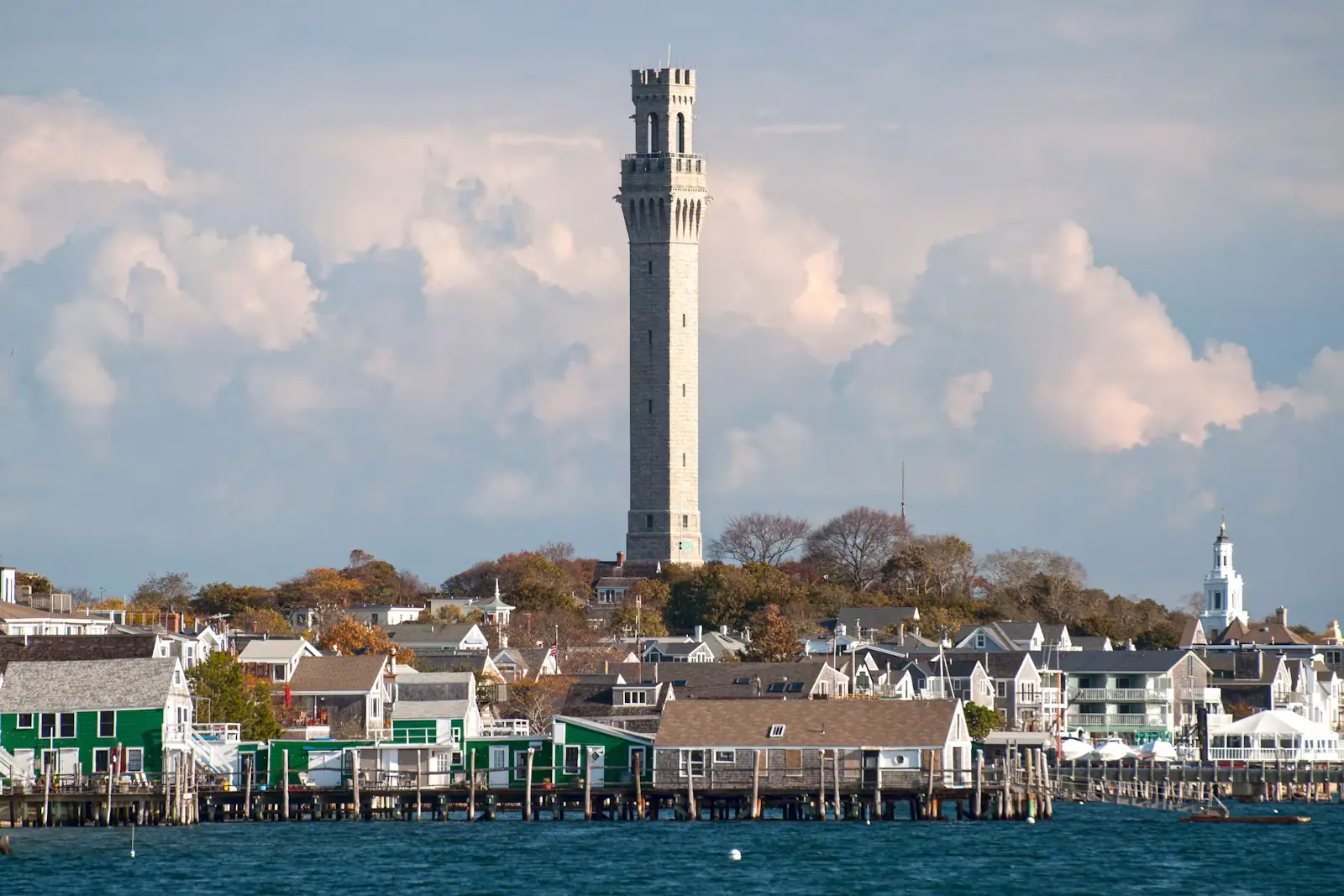
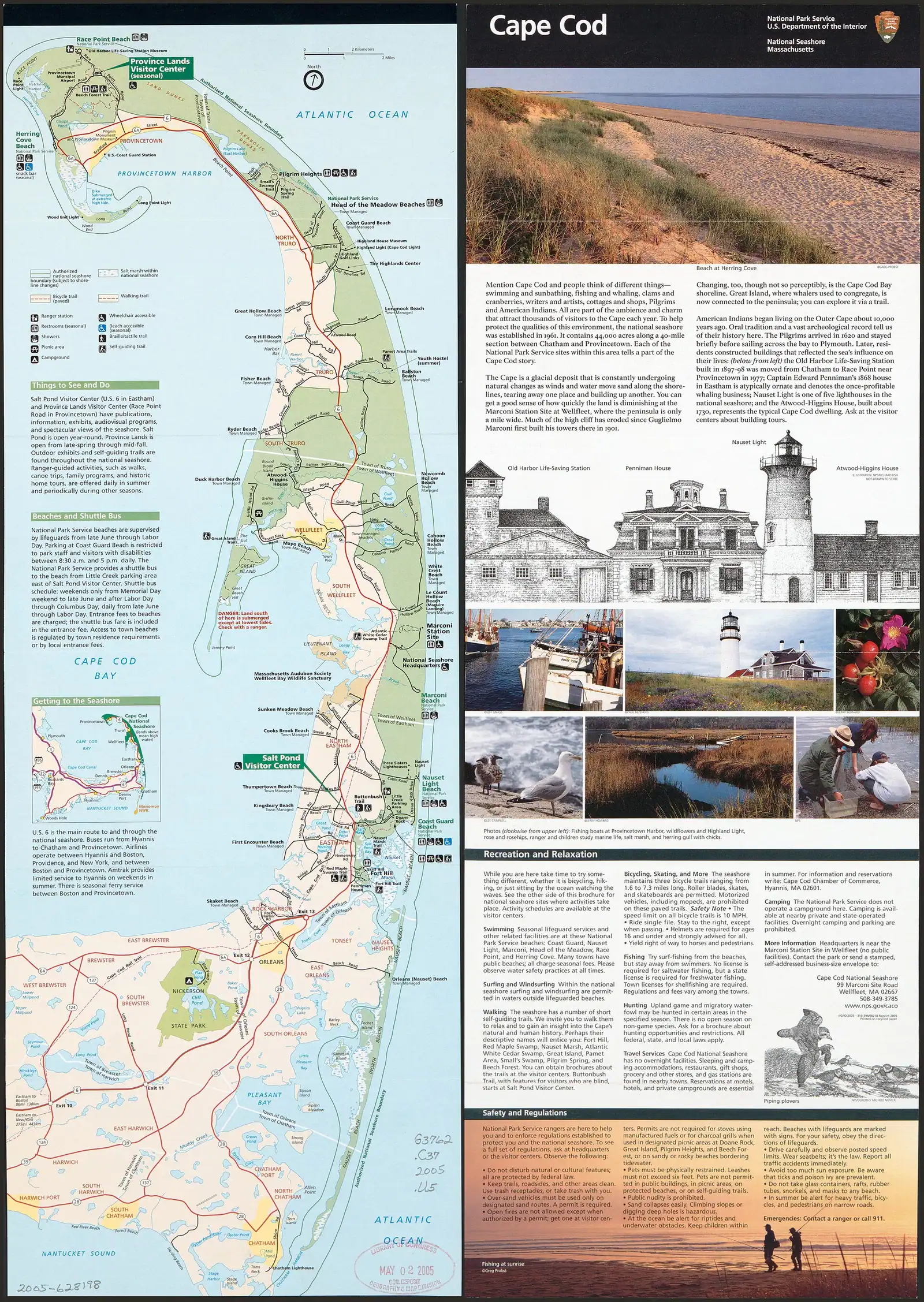
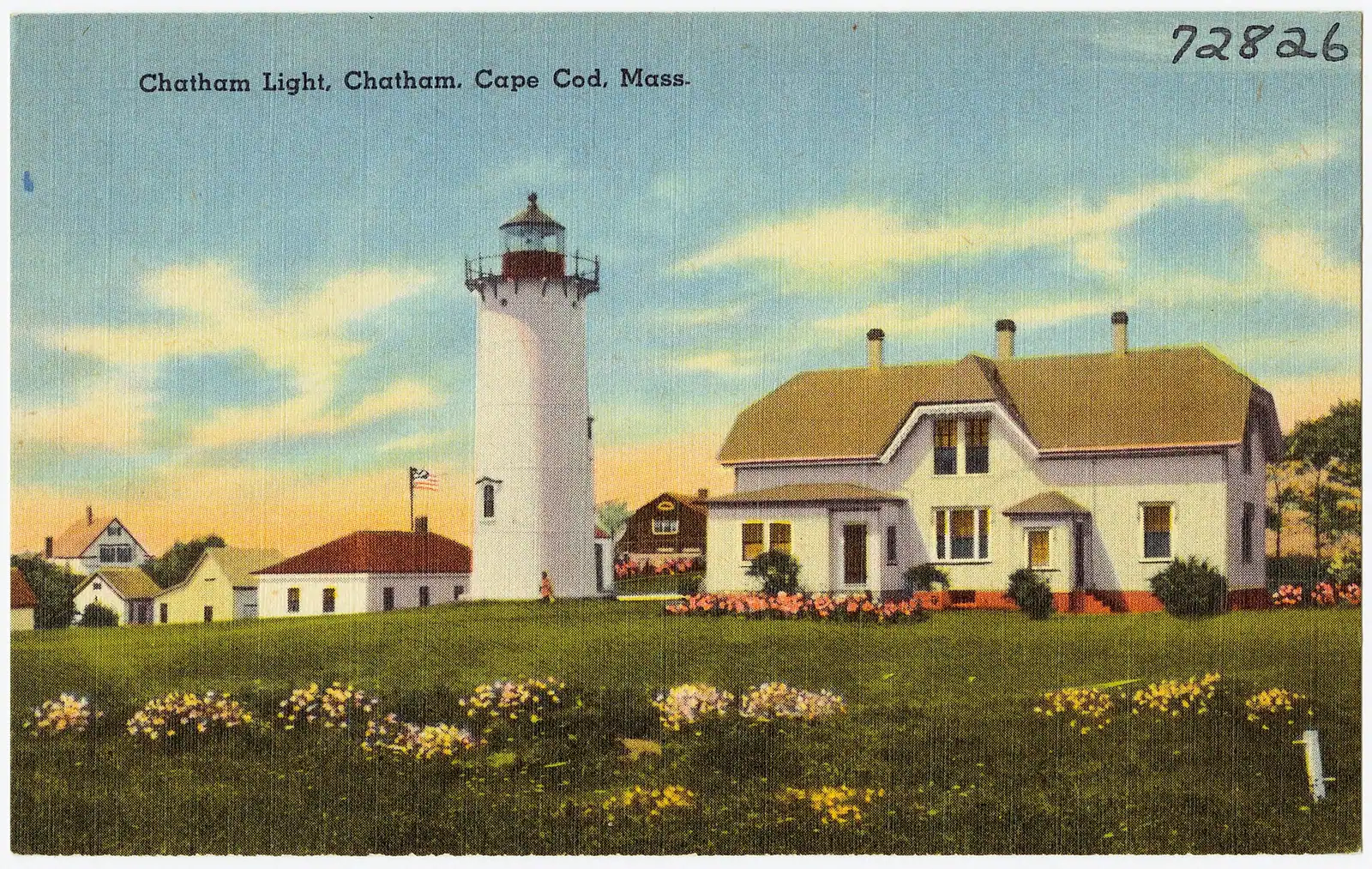
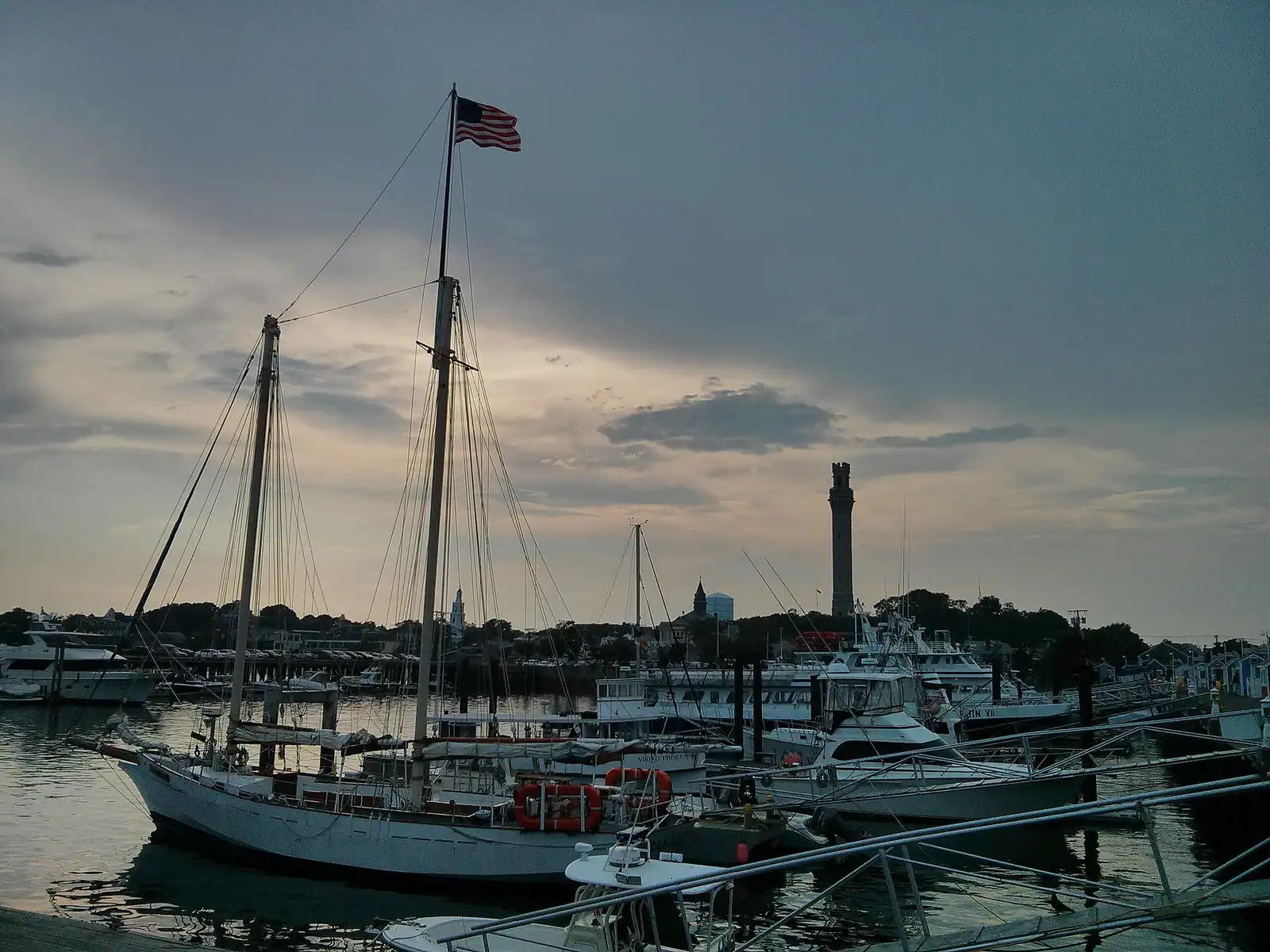
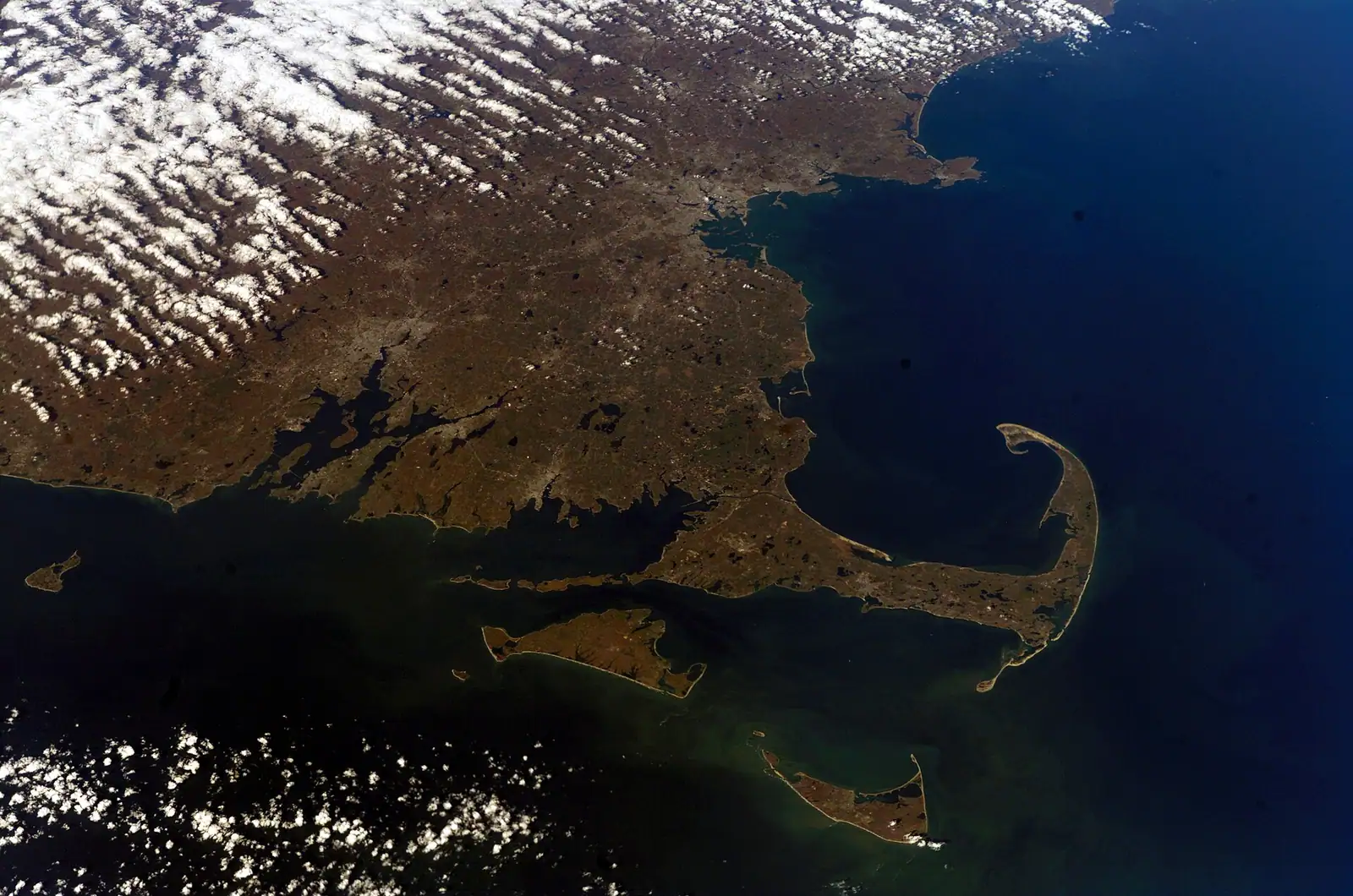
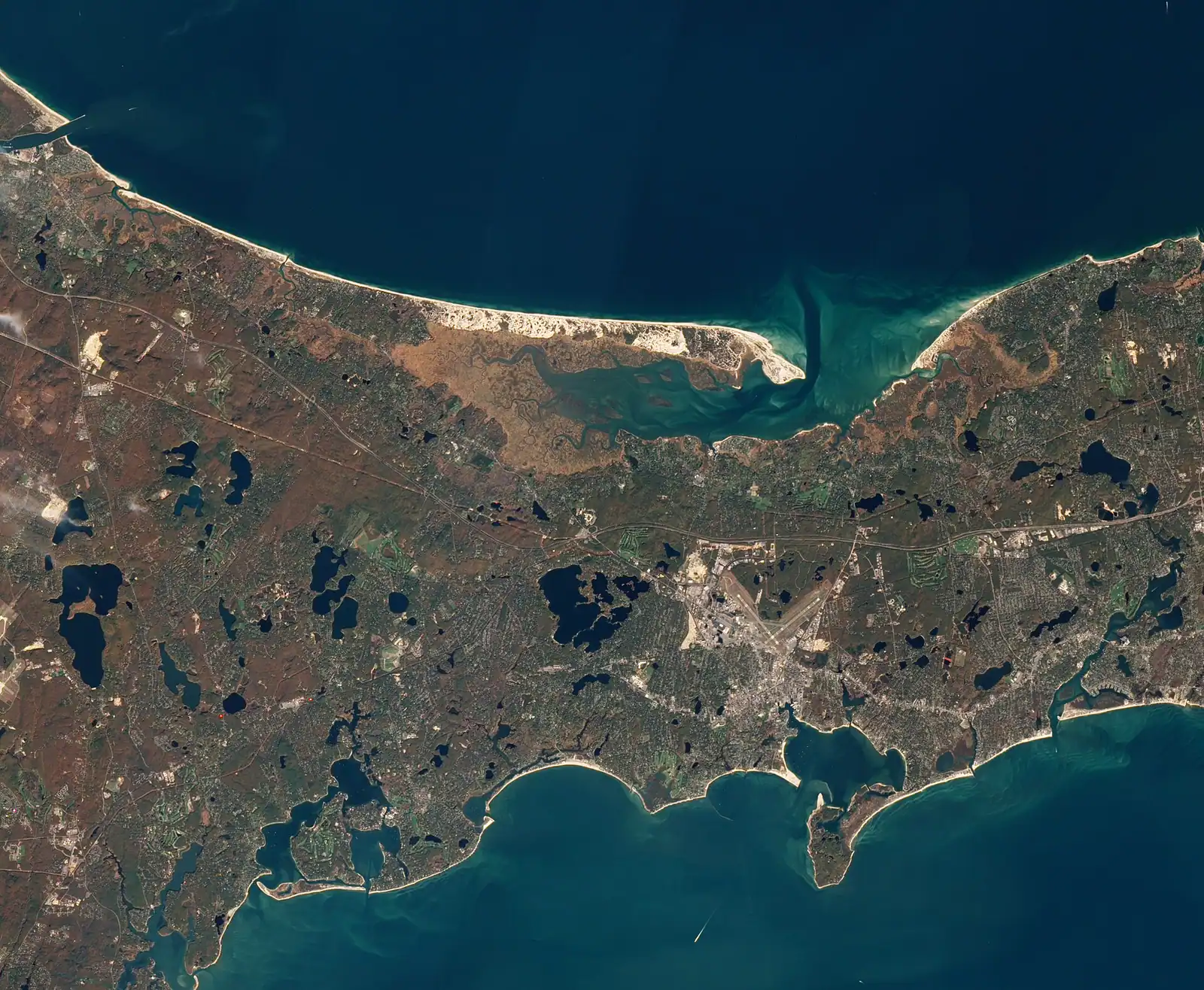
Cape Cod is a hook, and the most useful question you can answer before booking anything is where on that hook you intend to stand. The peninsula runs about 65 miles east from the mainland, turns north at the elbow, and curls west again at the fist. Locals divide it into four stretches and rarely bother to explain them: the Upper Cape at the shoulder by the canal, the Mid Cape through Barnstable and Yarmouth and Dennis, the Lower Cape bending round the elbow at Chatham, and the Outer Cape running up the narrow forearm to Provincetown. Those are not marketing regions. They are an hour and a half apart end to end in April and can be three hours apart in August, and they sell different holidays.
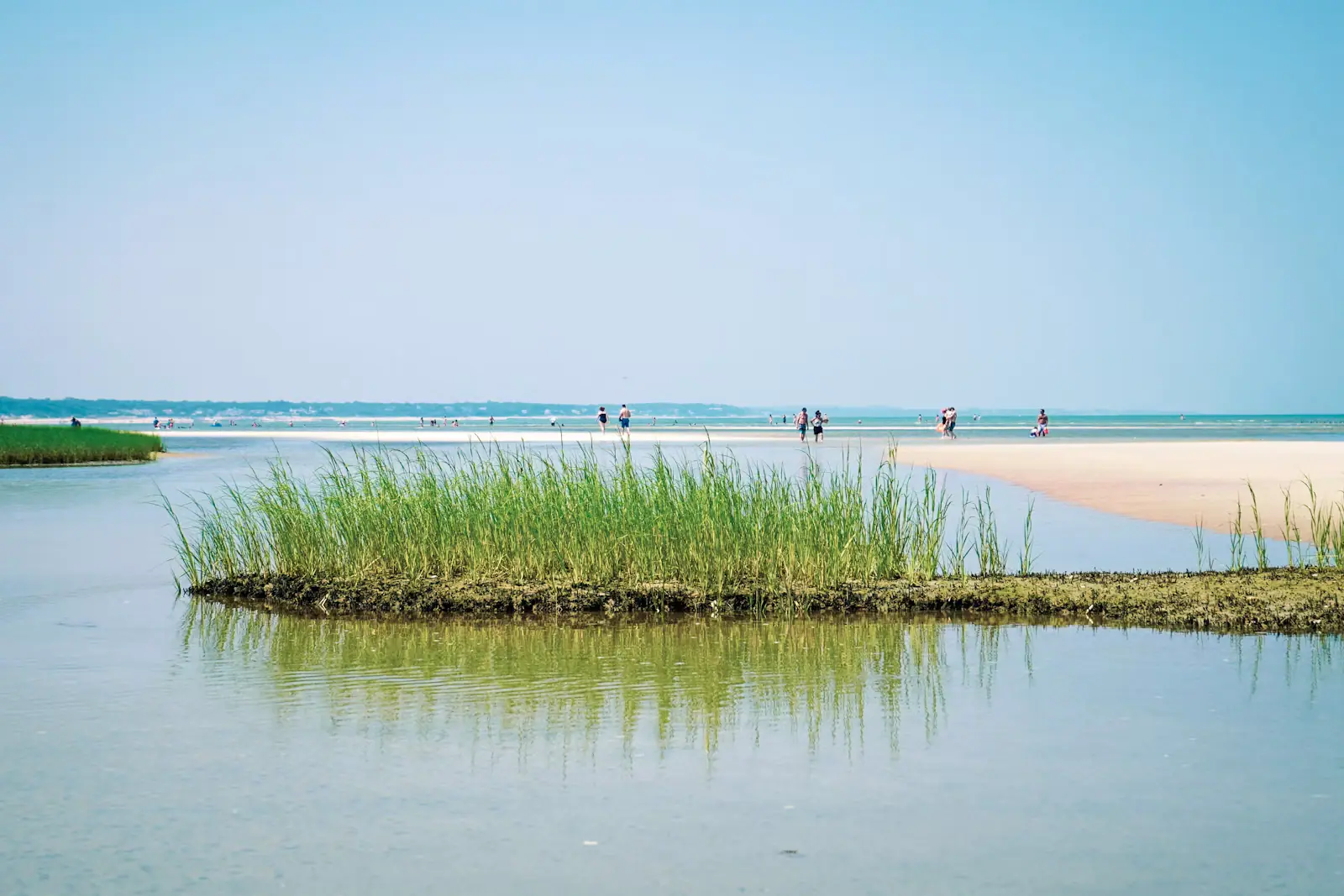
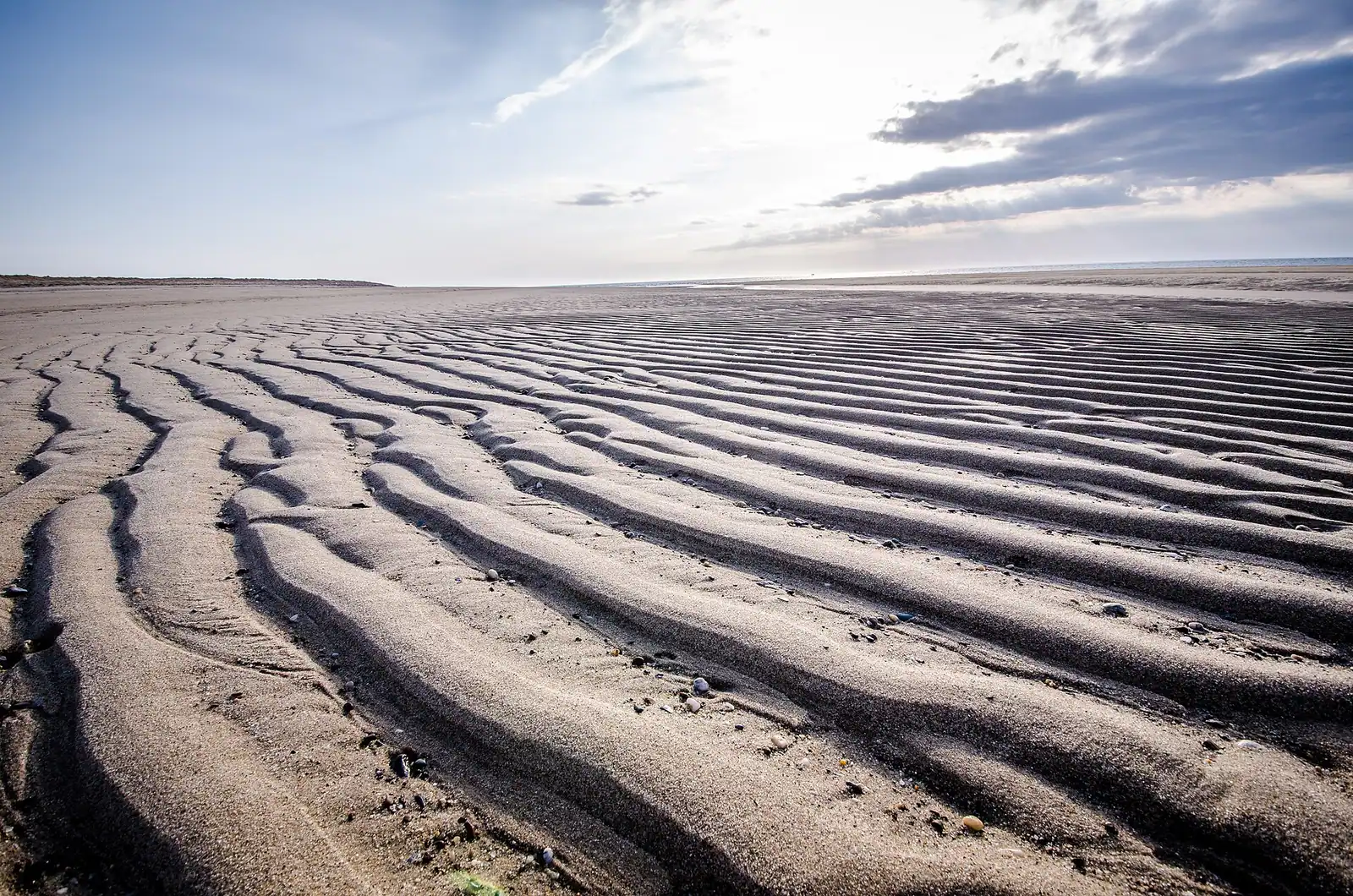
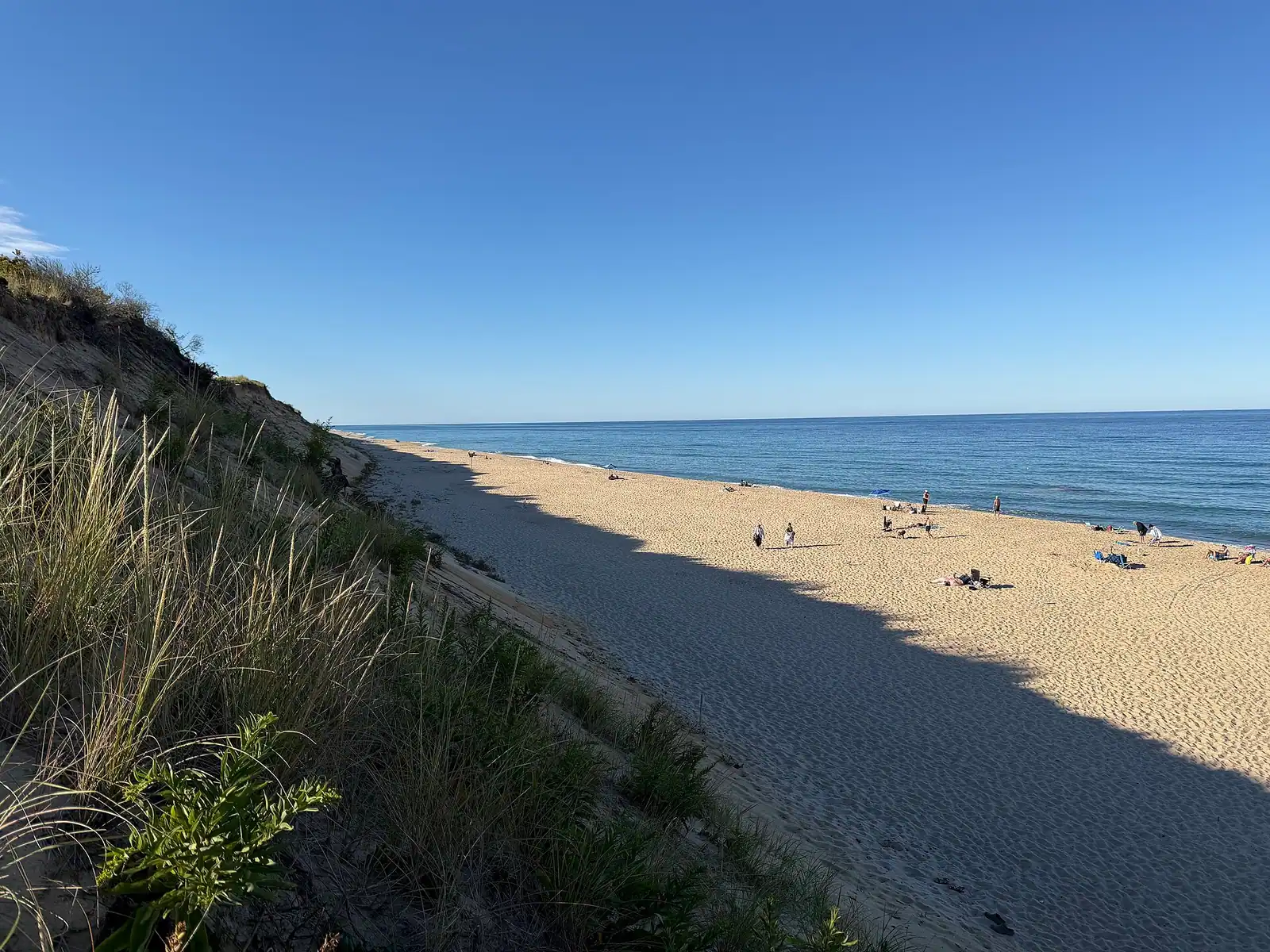
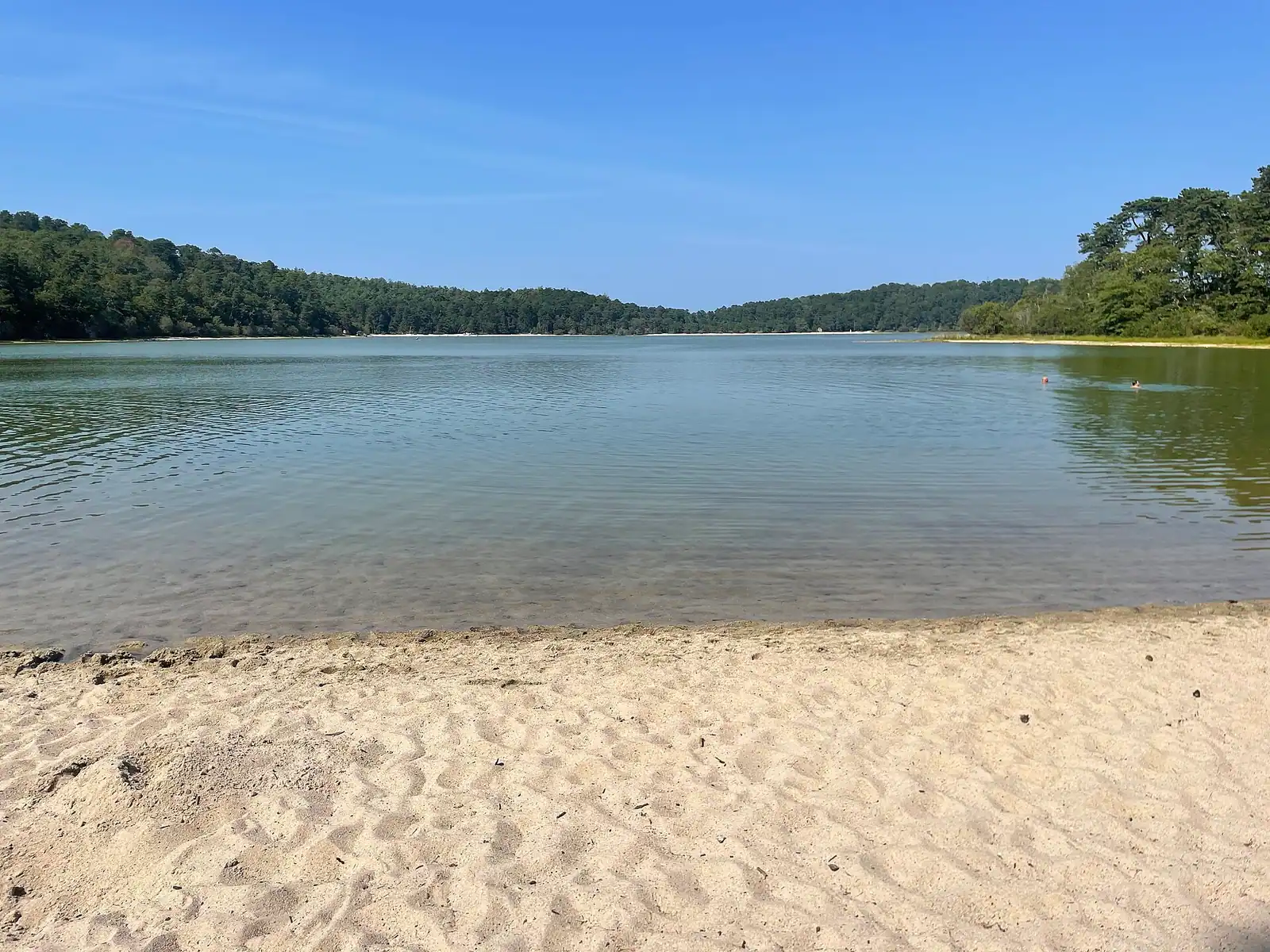
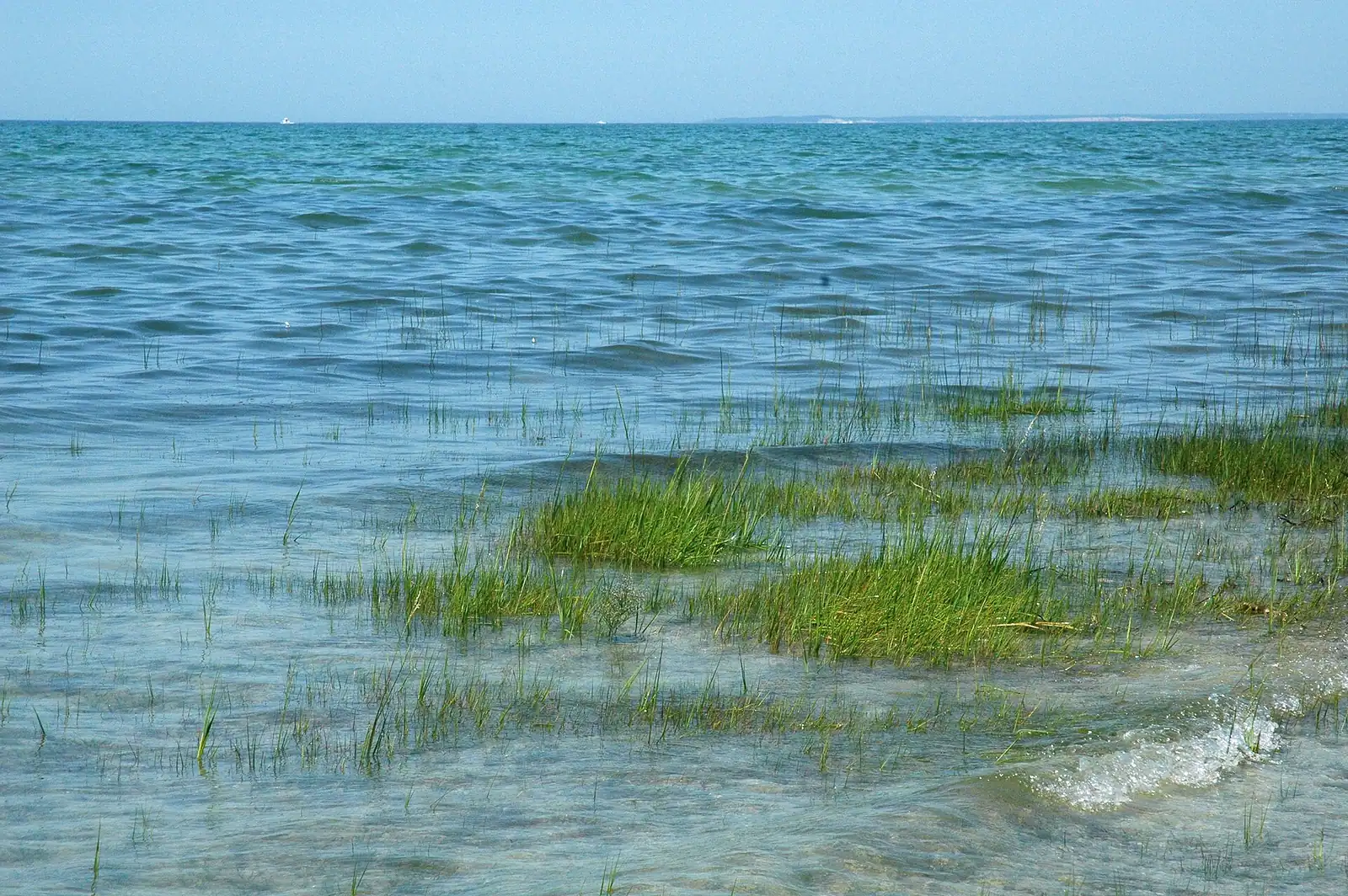
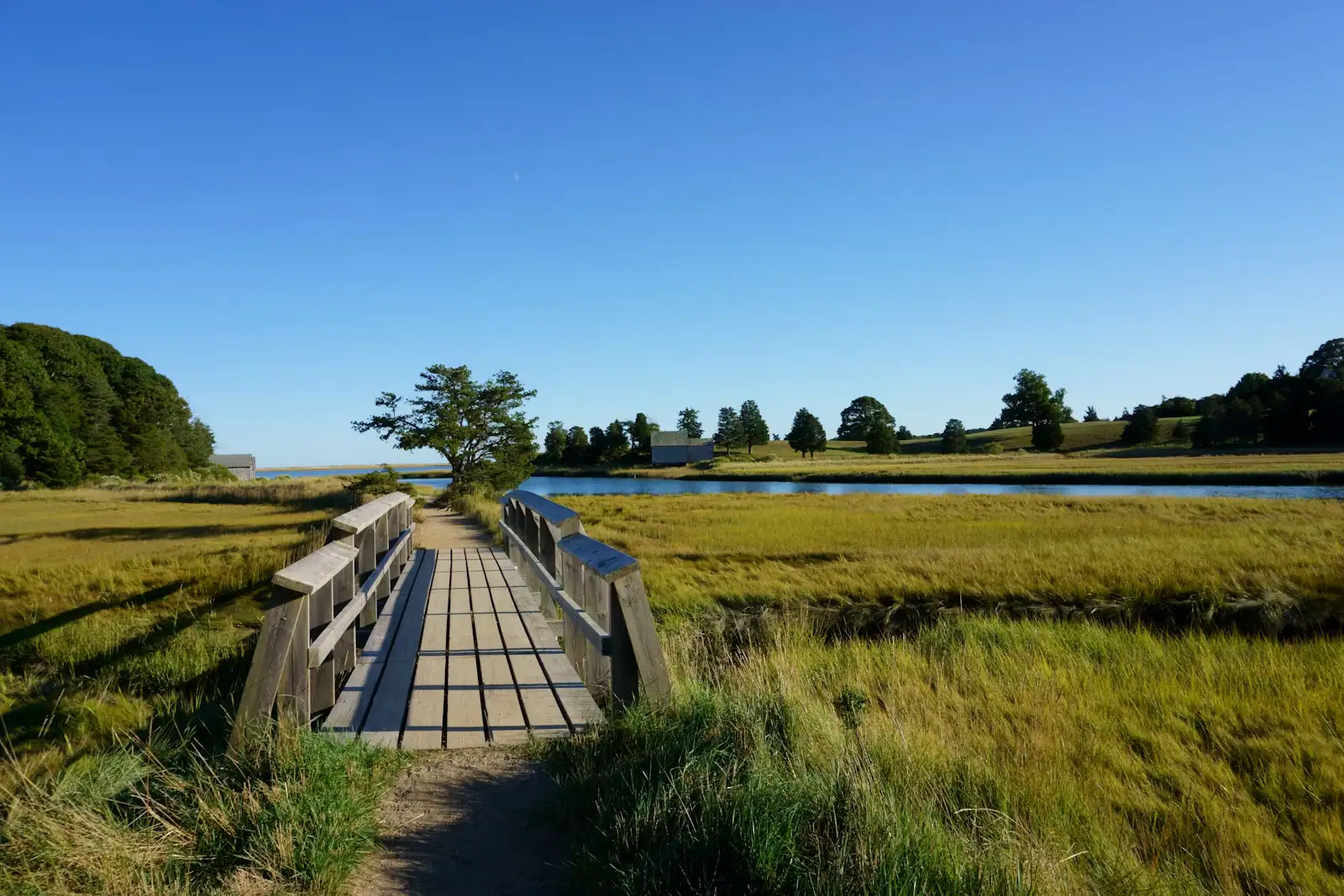
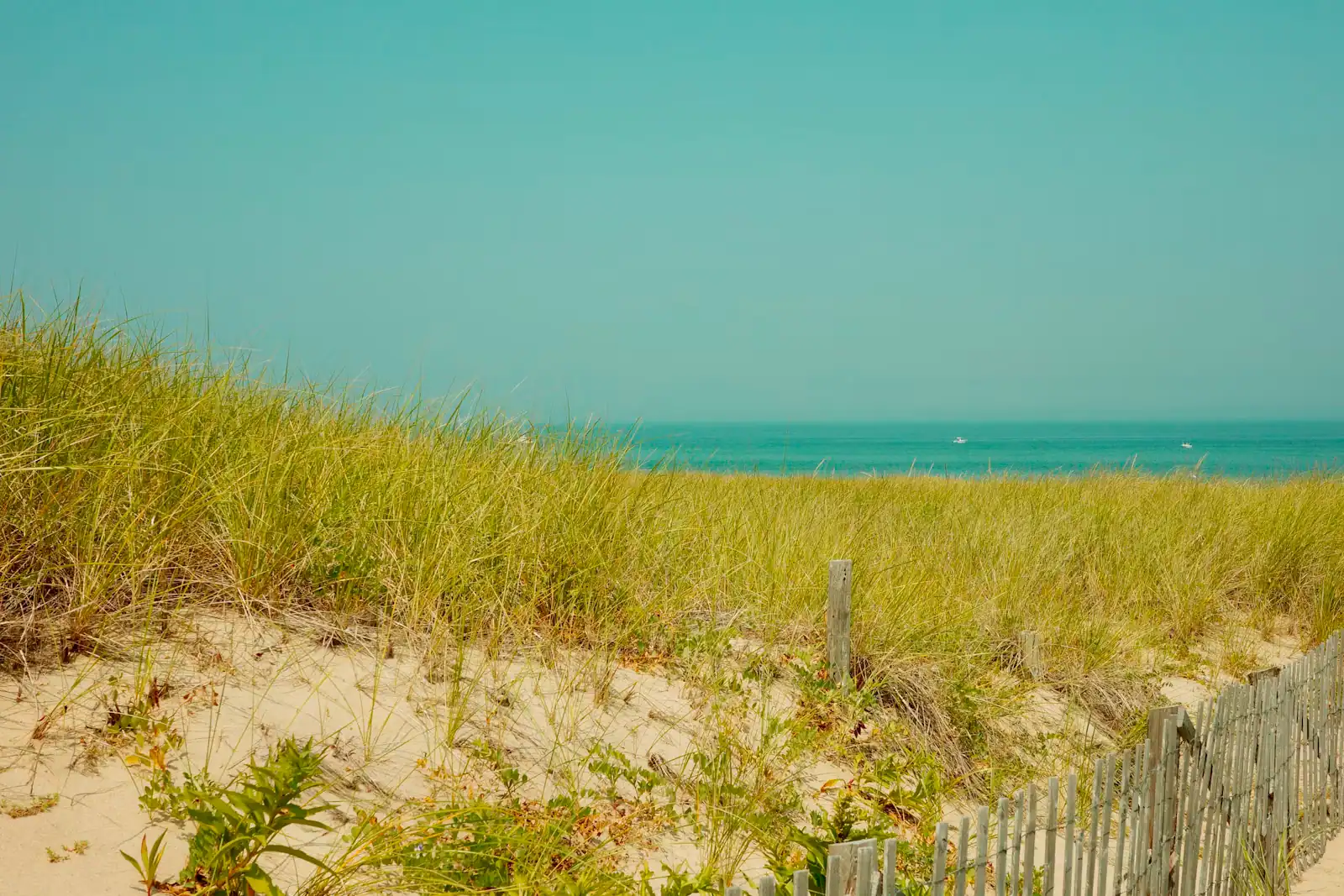
The second thing nobody tells you is that there are three coasts here, and they swim nothing alike. The Atlantic side faces open ocean over a steep bottom, with genuine surf, a shore break that knocks children over, and water that often sits in the low sixties Fahrenheit while the air is in the high seventies. The bay side, tucked inside the hook, is shallow and sheltered and ten to fifteen degrees warmer, and at low tide in Brewster and Eastham it drains across sand flats you can walk out on for the better part of a mile. Nantucket Sound along the south shore, from Falmouth through Harwich, splits the difference: warmest of the three, smallest waves, and the default for most families who never learn the other two exist. Choosing the wrong one for the trip you had in mind is the commonest mistake made here, and it is made at the booking stage rather than on the beach.
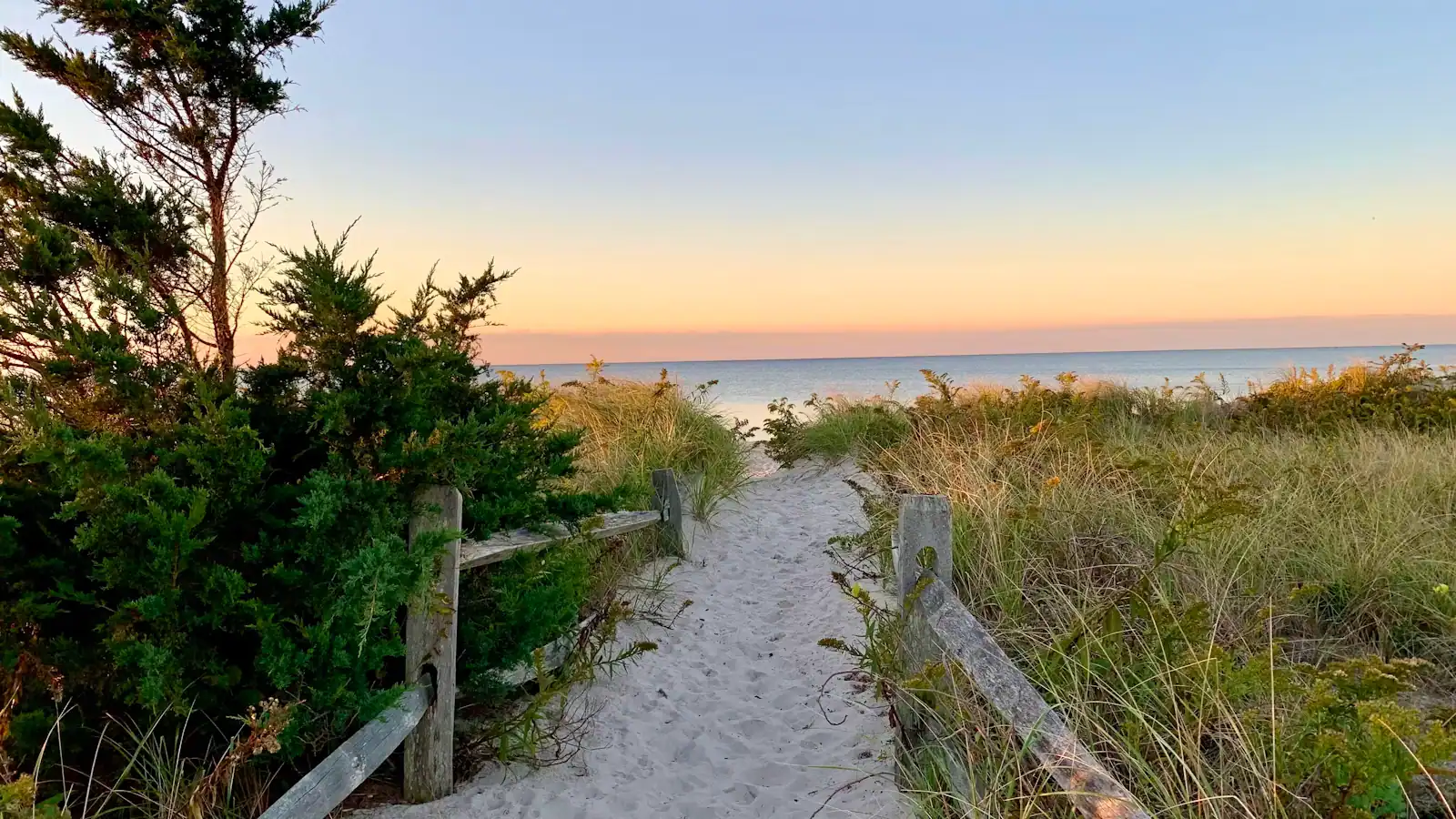
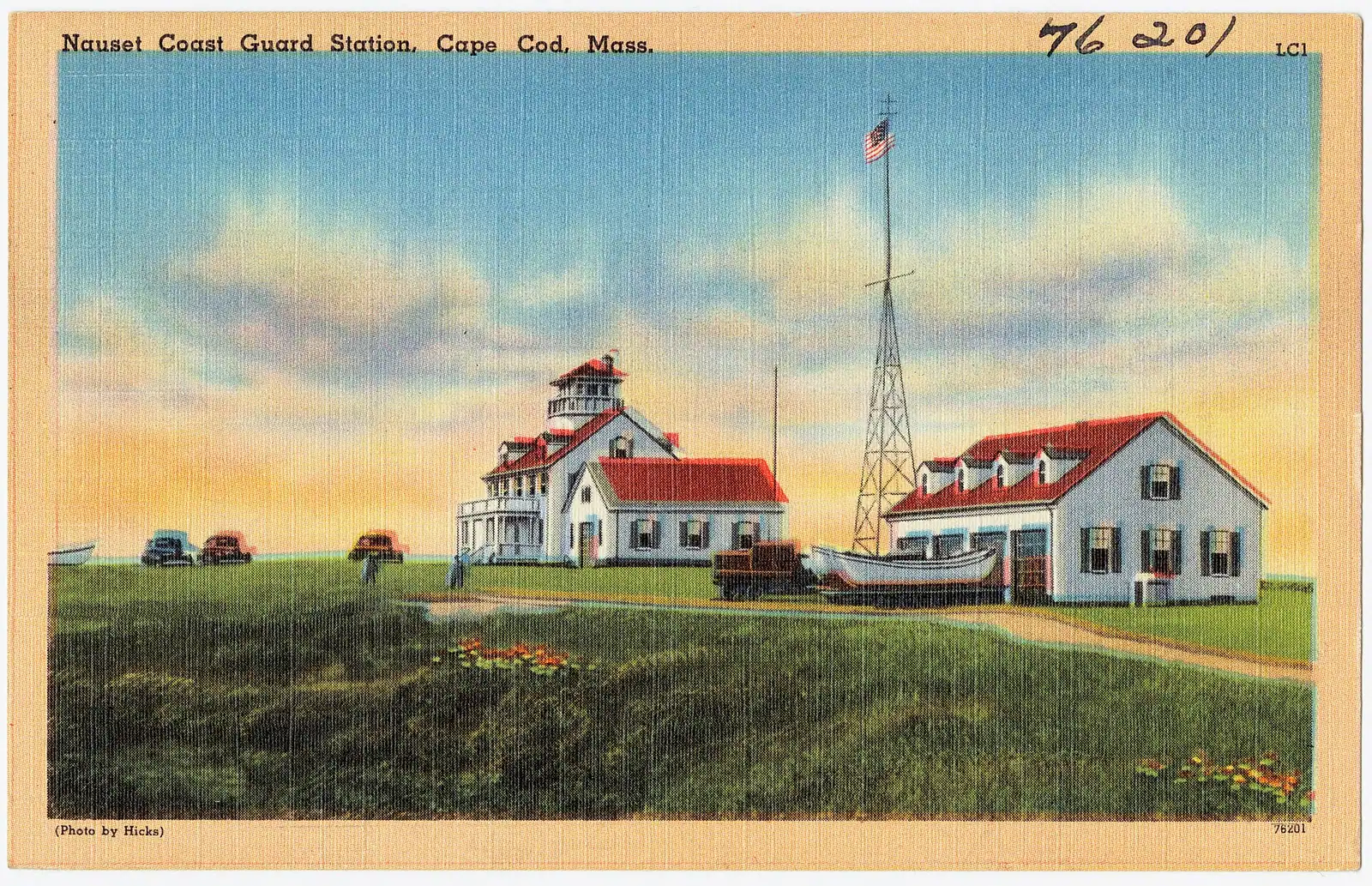
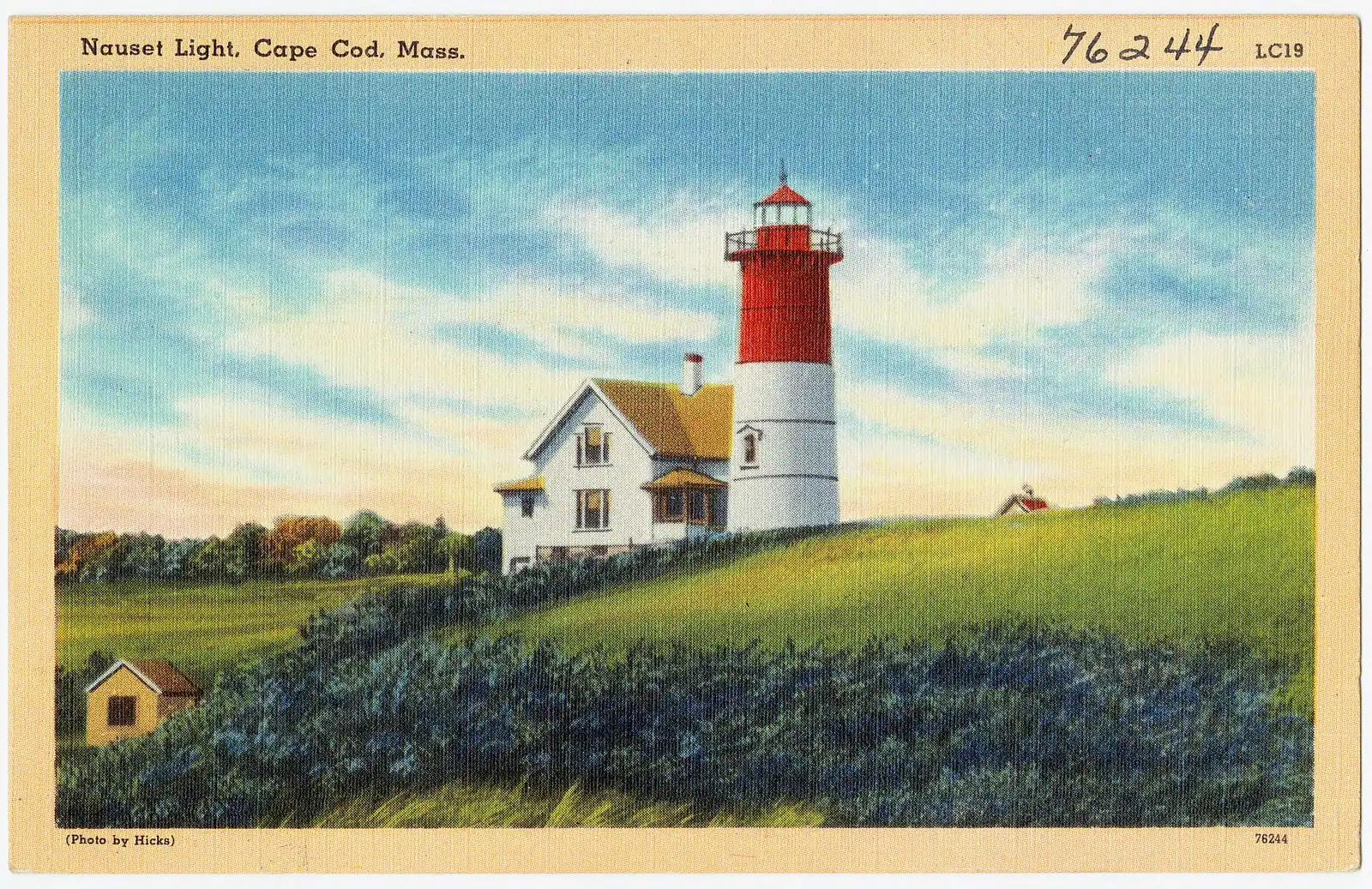
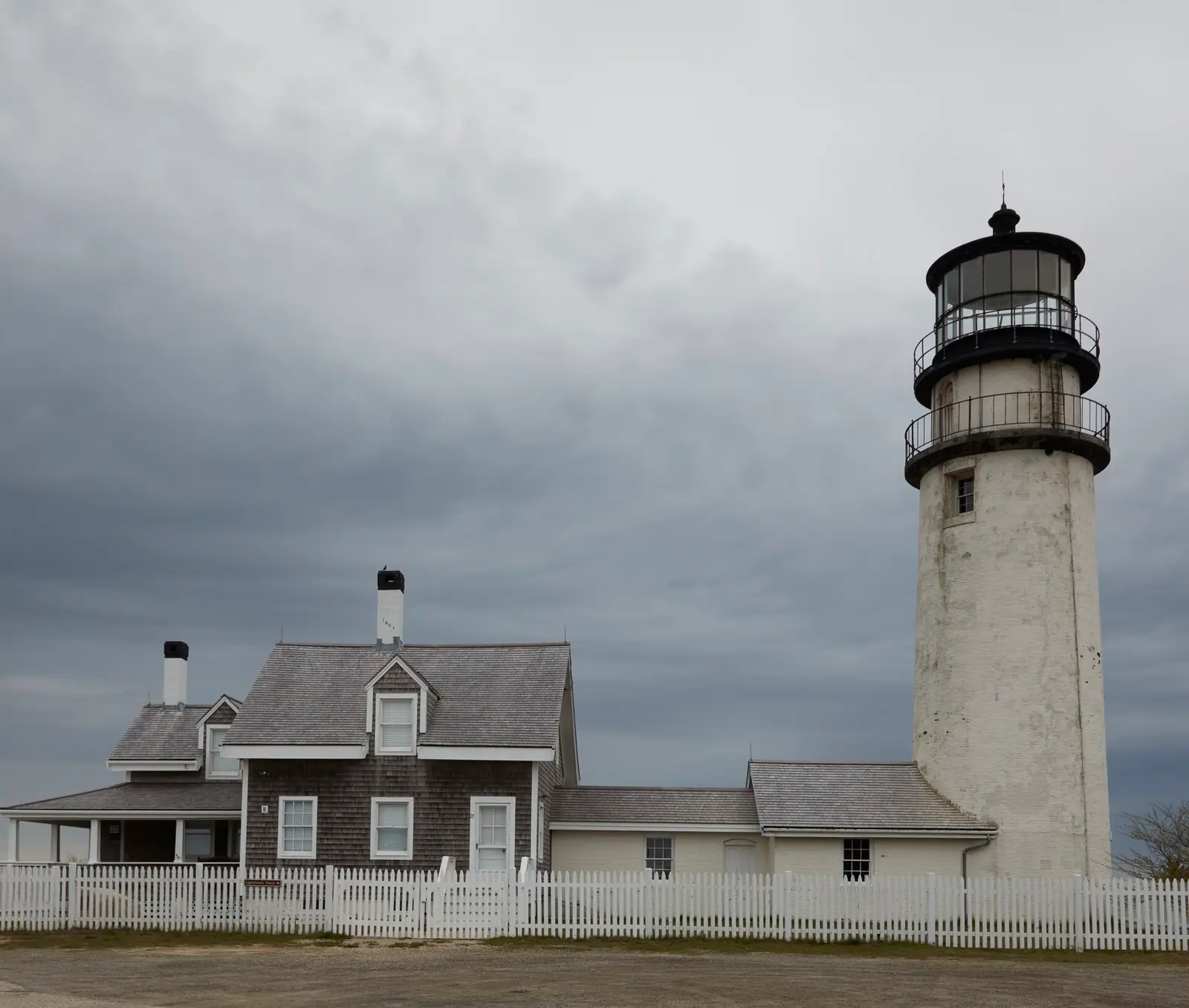
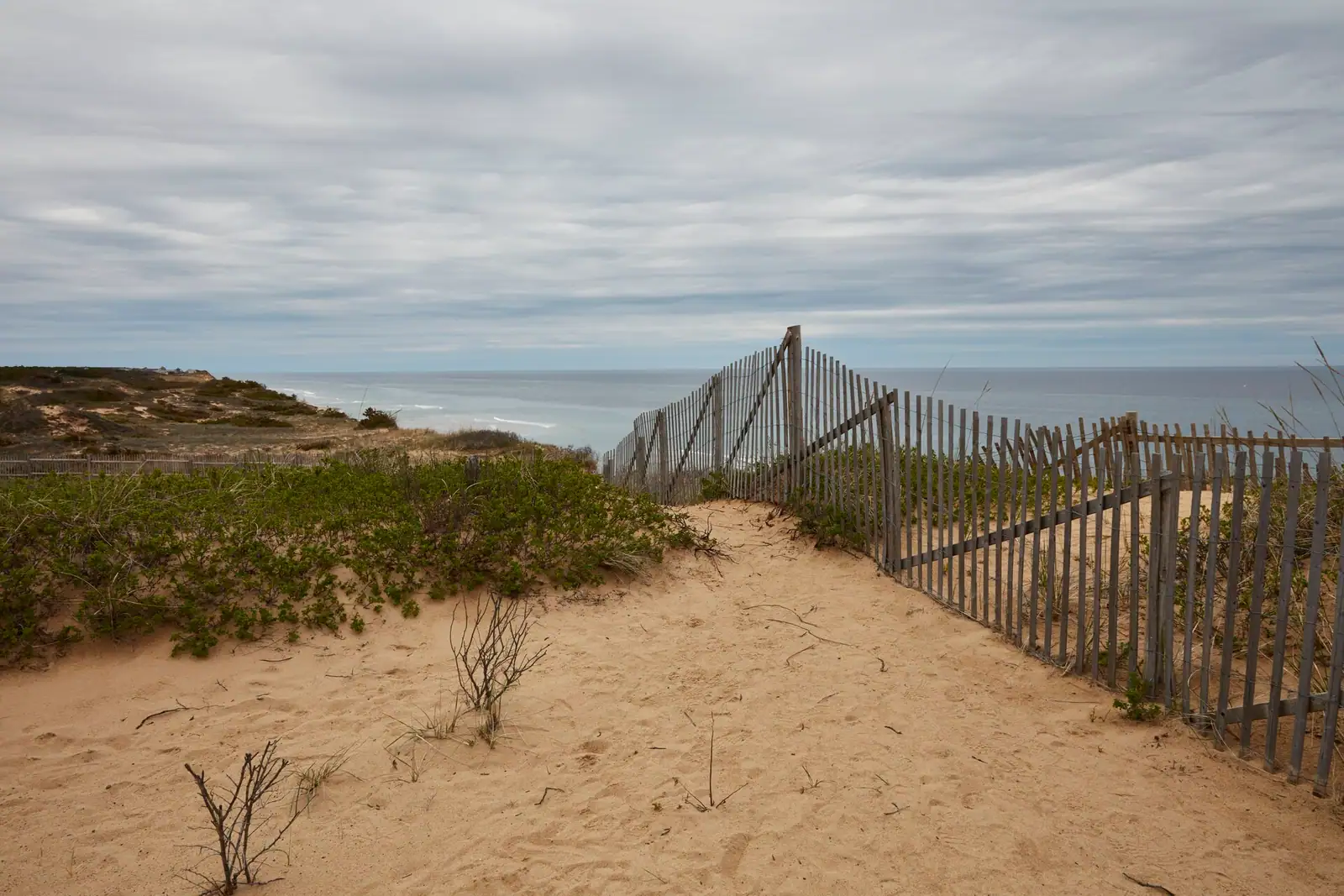
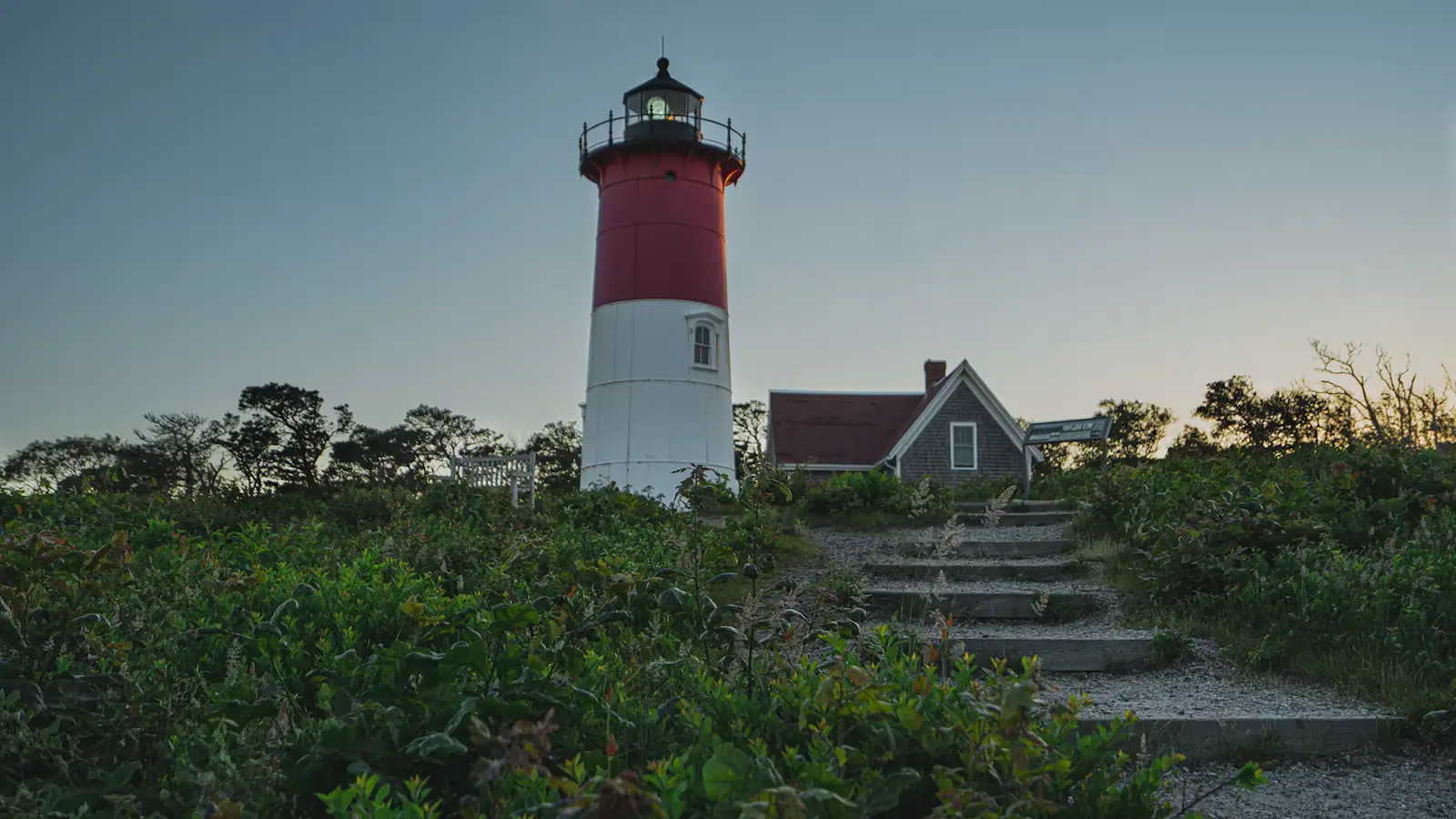
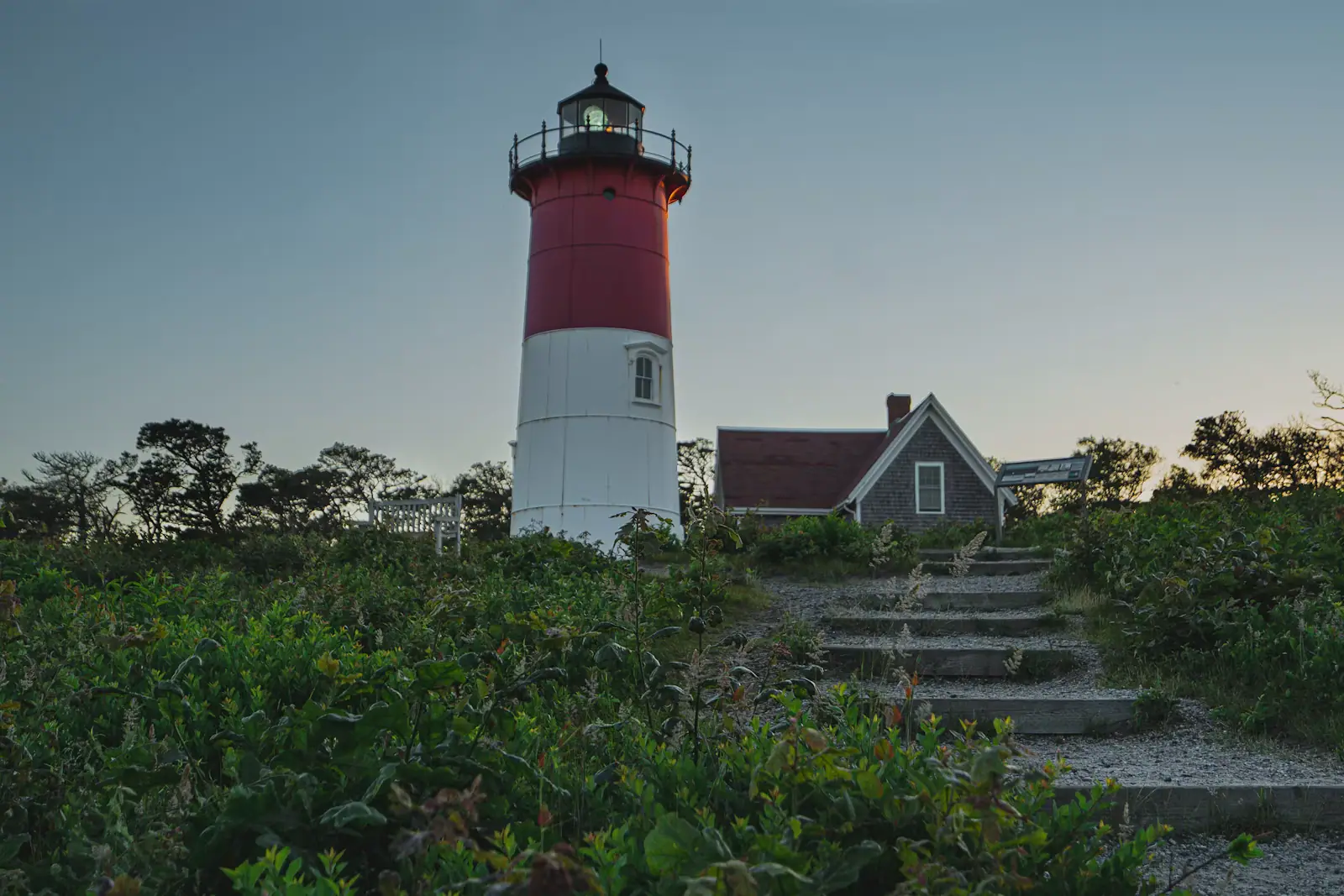
What holds the outer shore together is that it was bought before it could be sold. President Kennedy signed the Cape Cod National Seashore into law on 7 August 1961, and the park now runs to roughly 43,600 acres and close to forty miles of Atlantic frontage across six towns. That is why you can stand on a sand cliff in Truro and see nothing built in either direction, and why the six ocean beaches with lifeguards on them — Coast Guard, Nauset Light, Marconi, Head of the Meadow, Race Point and Herring Cove — all belong to one authority with one fee rather than to fifteen towns with fifteen sticker schemes.
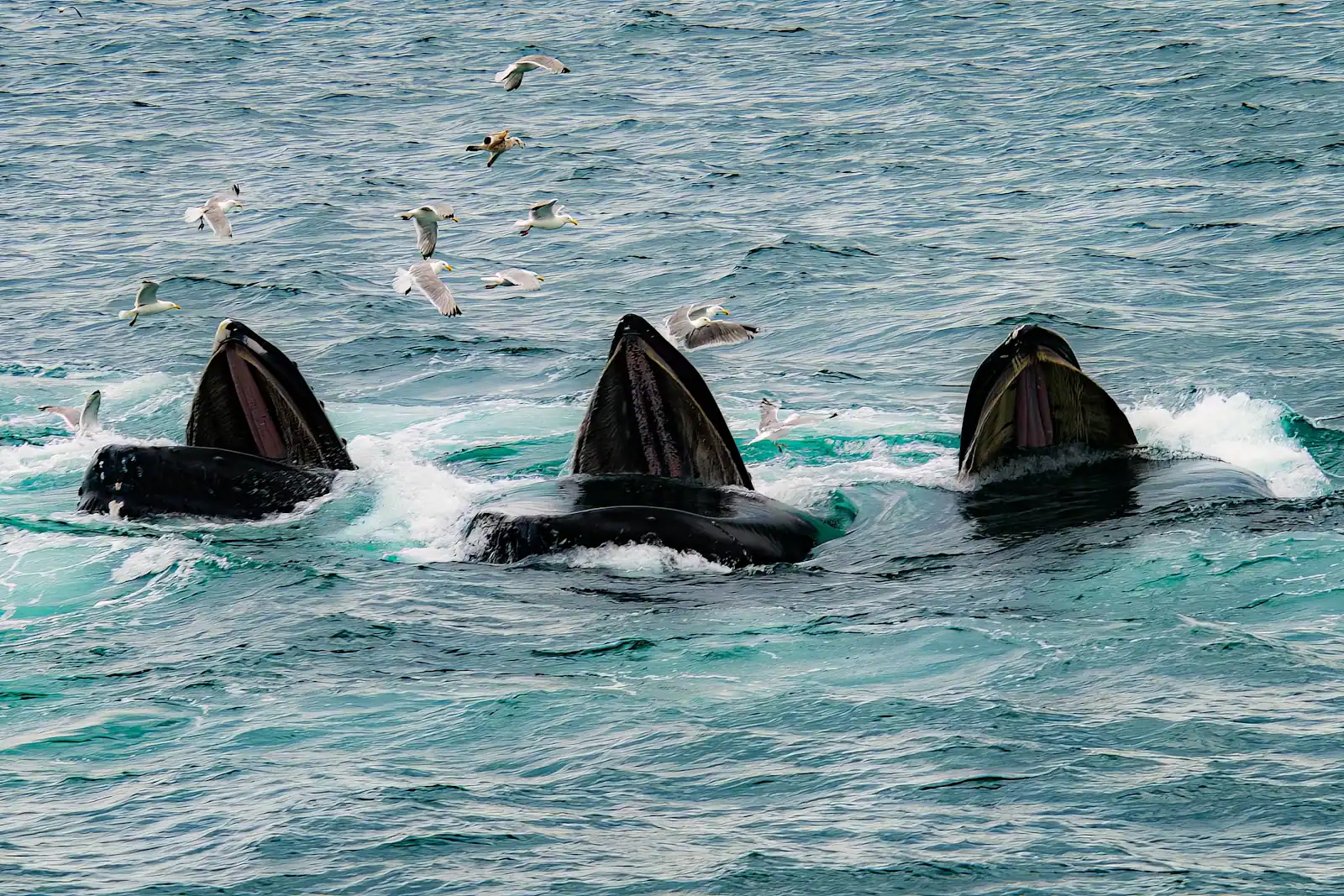
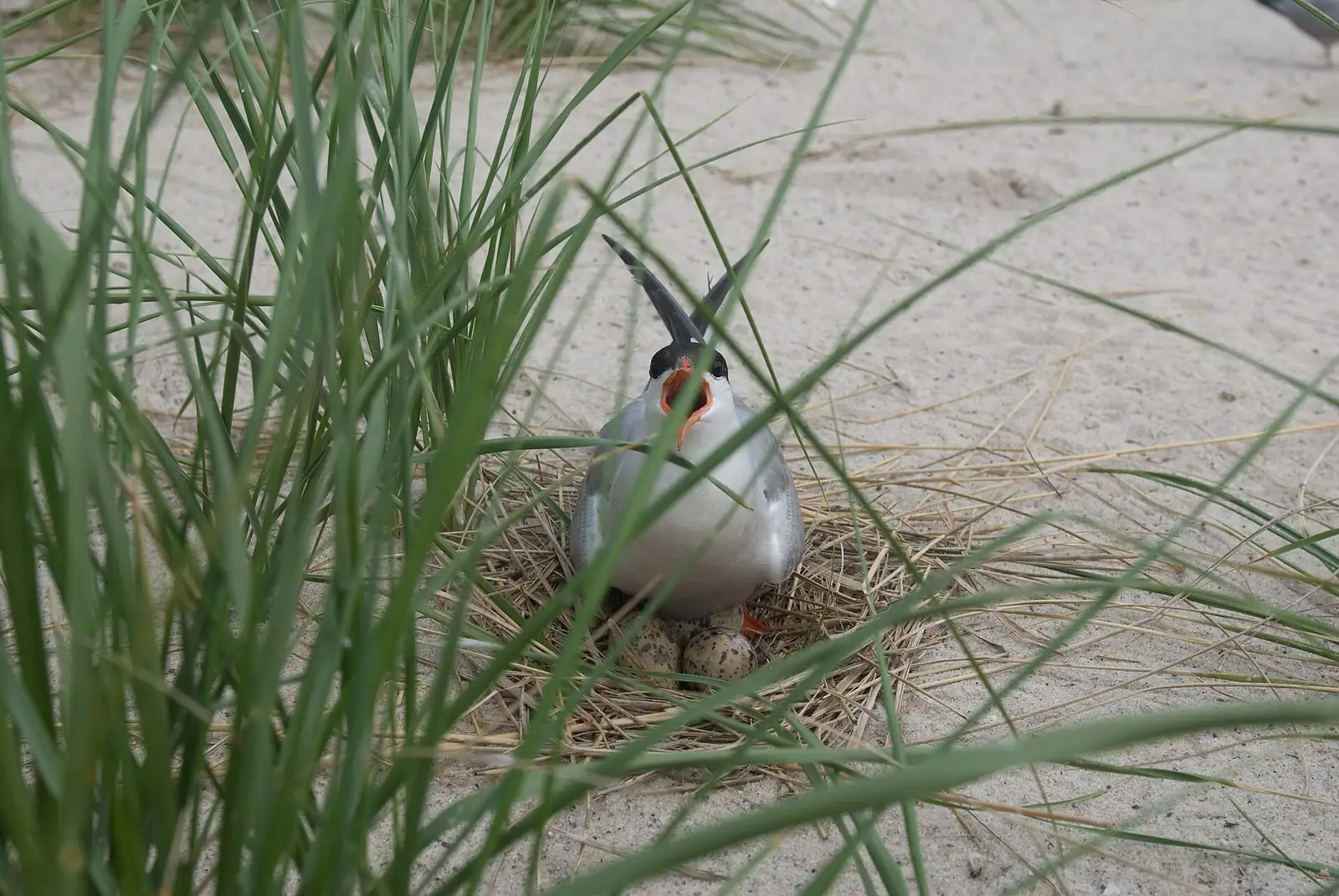
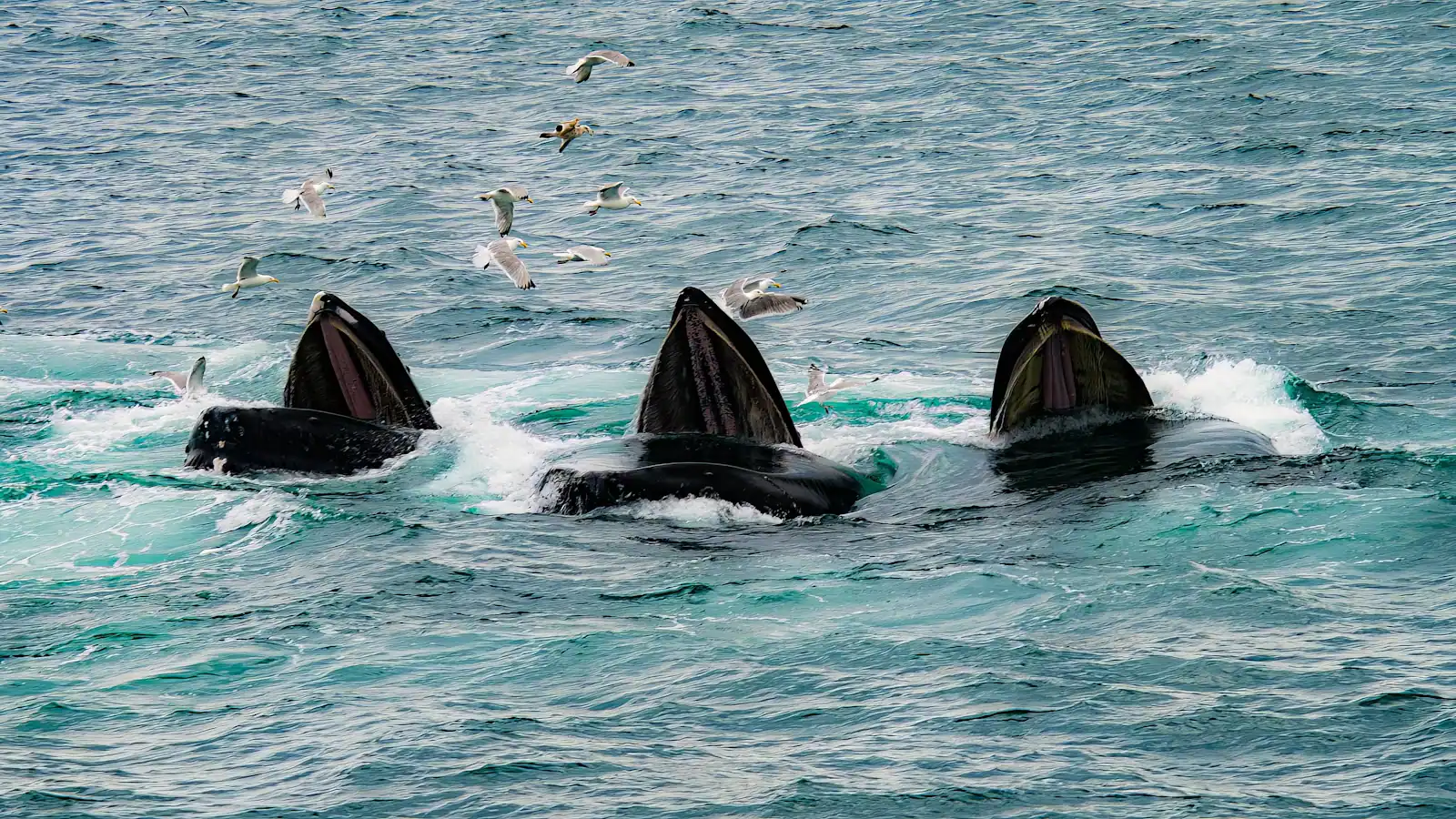
Then there are the animals. Five miles north of Provincetown, Stellwagen Bank rises to within about a hundred feet of the surface with much deeper water all round it, and the upwelling that creates feeds humpback, fin and minke whales from roughly April into October. Inshore, grey seals that were nearly wiped out under state bounties and rebuilt under federal protection now haul out in the tens of thousands, and white sharks have followed them. Both of those facts are on this page because both change what you do with a day.
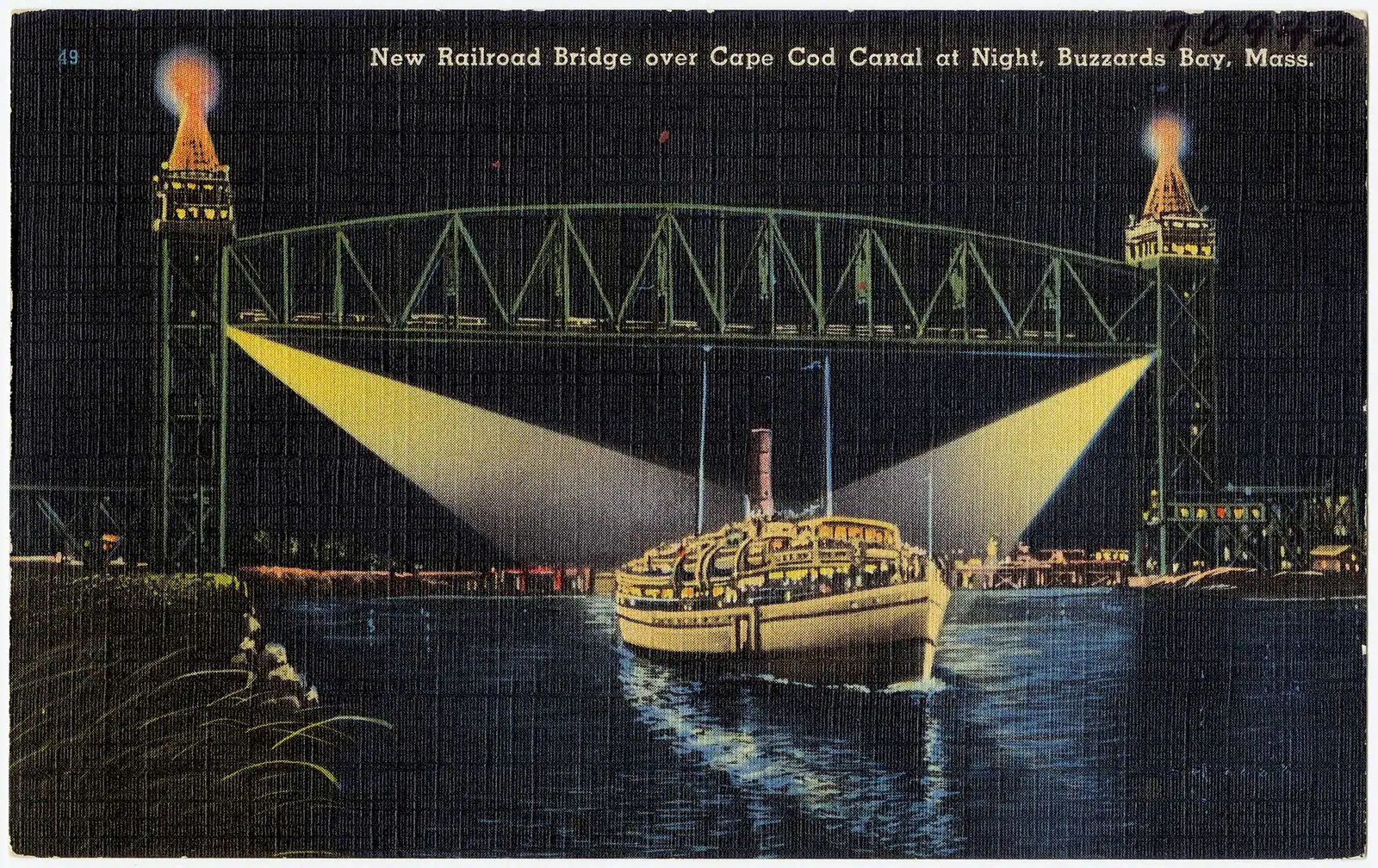
Everything below is sorted so you can tell, before you commit to a rental week, which Cape you are actually buying. One practical warning to carry into all of it: every visitor arrives across one of two bridges built in 1935, and the queue at those bridges, not the mileage, decides how long any journey on this peninsula takes.