Neighbourhood
Free
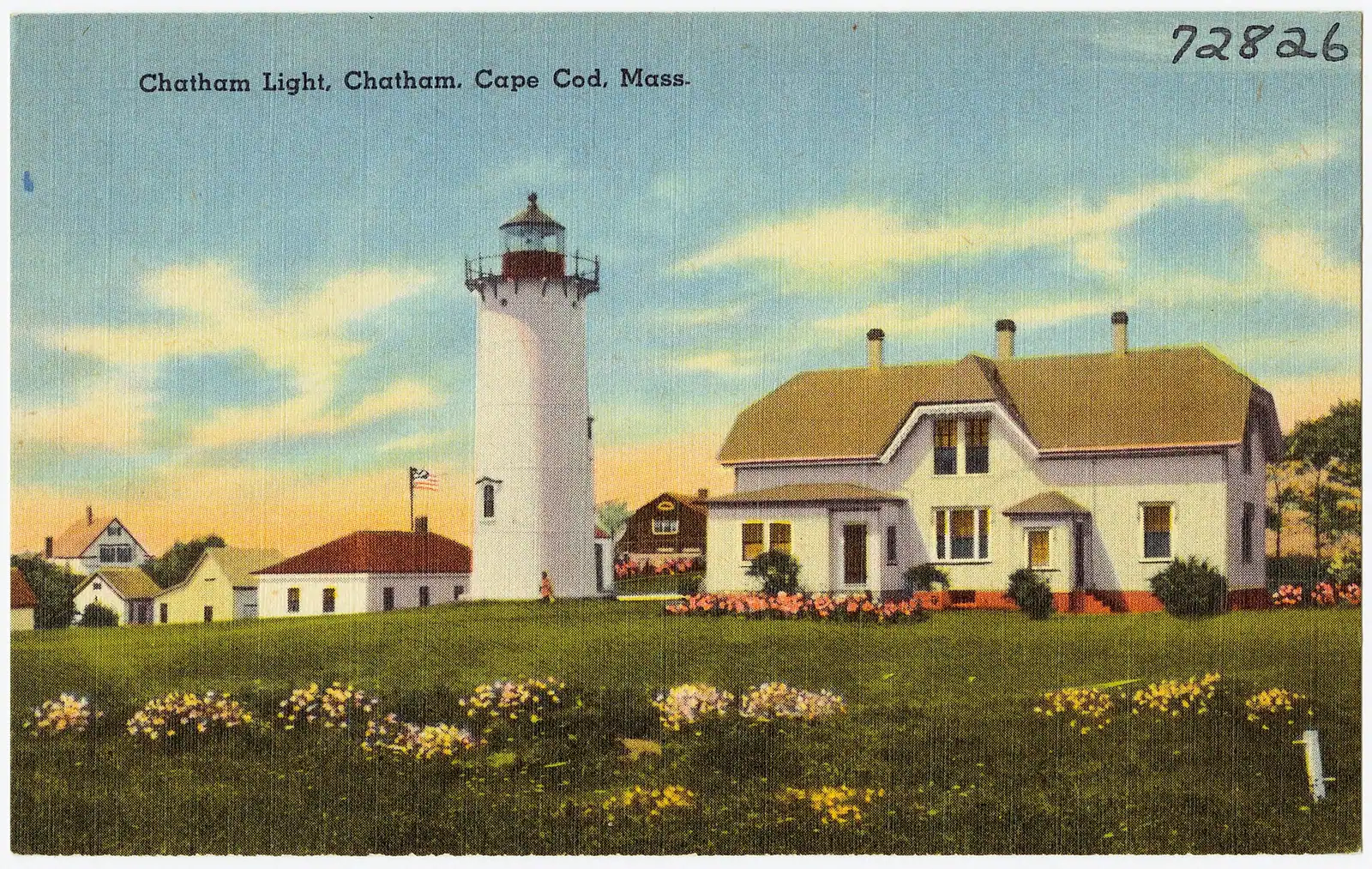
Chatham
The town at the Cape's elbow, where a barrier beach has broken open three times since 1987 and rebuilt the shoreline each time.
3–8 hoursFree to visit. Town beach lots require a Chatham parking sticker in season.
Things to Do
Cape Cod museums and history: Marconi's wireless station, the Orleans cable to France, the Whydah pirate wreck, Sandwich glass and the Kennedy years.
 Unsplash
Almost everything worth knowing about Cape Cod's past comes from one geographical fact: the peninsula lies across the sea road to Boston. Sixty-five miles of shifting sand and shoal, set exactly where every vessel bound up the coast had to go round it, in a place where fog forms in June and northeasters arrive in November.
The consequence was wrecks, thousands of them, concentrated along the outer beach from Chatham to Race Point in numbers that earned the shore a grim local name. The consequence of the wrecks was the United States Life-Saving Service, which strung manned stations along that beach a few miles apart and put crews out in open surfboats in weather that would keep a modern lifeboat in the shed. The consequence of the Life-Saving Service is the single most famous rescue story on this coast: the night in February 1952 when a thirty-six-foot wooden motor lifeboat took thirty-two men off a broken oil tanker outside Chatham, in a sea nobody expected them to come back through. The boat survives and is kept on the Cape.
And the consequence of all of it was the Cape Cod Canal, dug from 1909 and opened in 1914, which exists for exactly one reason: so that ships would no longer have to go round the outside.
Then there is the other thread, and it is the one most museum lists miss. Because the Cape reaches further towards Europe than anywhere else on this part of the coast, it is where transatlantic communication came ashore twice. A telegraph cable to Brest in France landed at Orleans in 1891 and the station worked until 1959. Guglielmo Marconi built his first American transatlantic wireless station on the cliff at South Wellfleet, and on 18 January 1903 a formal message went from President Roosevelt to King Edward VII across open ocean with no wire under it at all. A second wireless station at Chatham, opened in 1914, spent most of the twentieth century listening to ships.
Under all of that sits a much longer history. The Wampanoag have been here for thousands of years, long before any of the above, and the Mashpee Wampanoag are a living nation on the Upper Cape rather than a chapter in a display case.
What follows is organised by that argument rather than alphabetically, and there is a practical note at the end about opening seasons, because a great many of these places close or go to weekends between Columbus Day and Memorial Day.
Three sites, one story, and between them the most distinctive history on the peninsula.
The Marconi Station site, South Wellfleet. Guglielmo Marconi chose the Outer Cape cliff for his first American transatlantic wireless station because it stood high and pointed east at nothing. Four wooden towers went up, an enormous aerial was strung between them, and on 18 January 1903 a formal exchange of greetings passed between President Theodore Roosevelt and King Edward VII with no cable involved. The station worked into the First World War era and was then dismantled. What survives, inside the National Seashore, is an overlook, interpretive panels, concrete remnants and a very large view: the cliff has eroded so far since 1903 that much of the original site is in the sea, which is its own lesson about this coast. No building, no admission. Go for the sand cliff and the scale of the Atlantic.
The French Cable Station Museum, Orleans. In 1891 a submarine telegraph cable was landed here, running direct to Brest in France, and for the better part of seventy years messages between America and Europe passed through a small building on a corner in Orleans. The station handled the news of Lindbergh's arrival in Paris in 1927, and in 1940 the news of the German advance on the French coast came through it. It closed in 1959 with the equipment left in place, which is why the museum is unusually good: the instruments are the real ones, in the room where they worked. Hours are seasonal and limited, so check before you drive.
Chatham Marconi Maritime Center. The former receiving station of the ship-to-shore wireless callsign that opened in 1914 and listened to vessels in the North Atlantic for most of the twentieth century, with the operations room and the antenna field interpreted on site.
 Unsplash
The outer beach is one of the great shipwreck coasts of North America, and the reason is bathymetry rather than bad luck: shifting bars lie parallel to the shore, so a vessel driven in by an easterly grounds hundreds of yards out with heavy surf between it and safety.
The response was a chain of Life-Saving Service stations along the Atlantic shore, each with a crew who walked night patrols in winter and launched open surfboats into breaking water. The Old Harbor Life-Saving Station, built in 1897, was moved by barge to Race Point in 1977 to save it from erosion and is preserved there by the National Seashore, with breeches-buoy demonstrations in season. It is the best place on the Cape to understand that job.
The Pendleton rescue of February 1952 is the story everyone tells. A tanker broke in half outside Chatham in a winter gale, and a four-man crew took a thirty-six-foot wooden motor lifeboat over the Chatham bar and brought back thirty-two men in a hull rated for a fraction of that number. The lifeboat, CG36500, was recovered from dereliction, restored, and is preserved on the Cape.
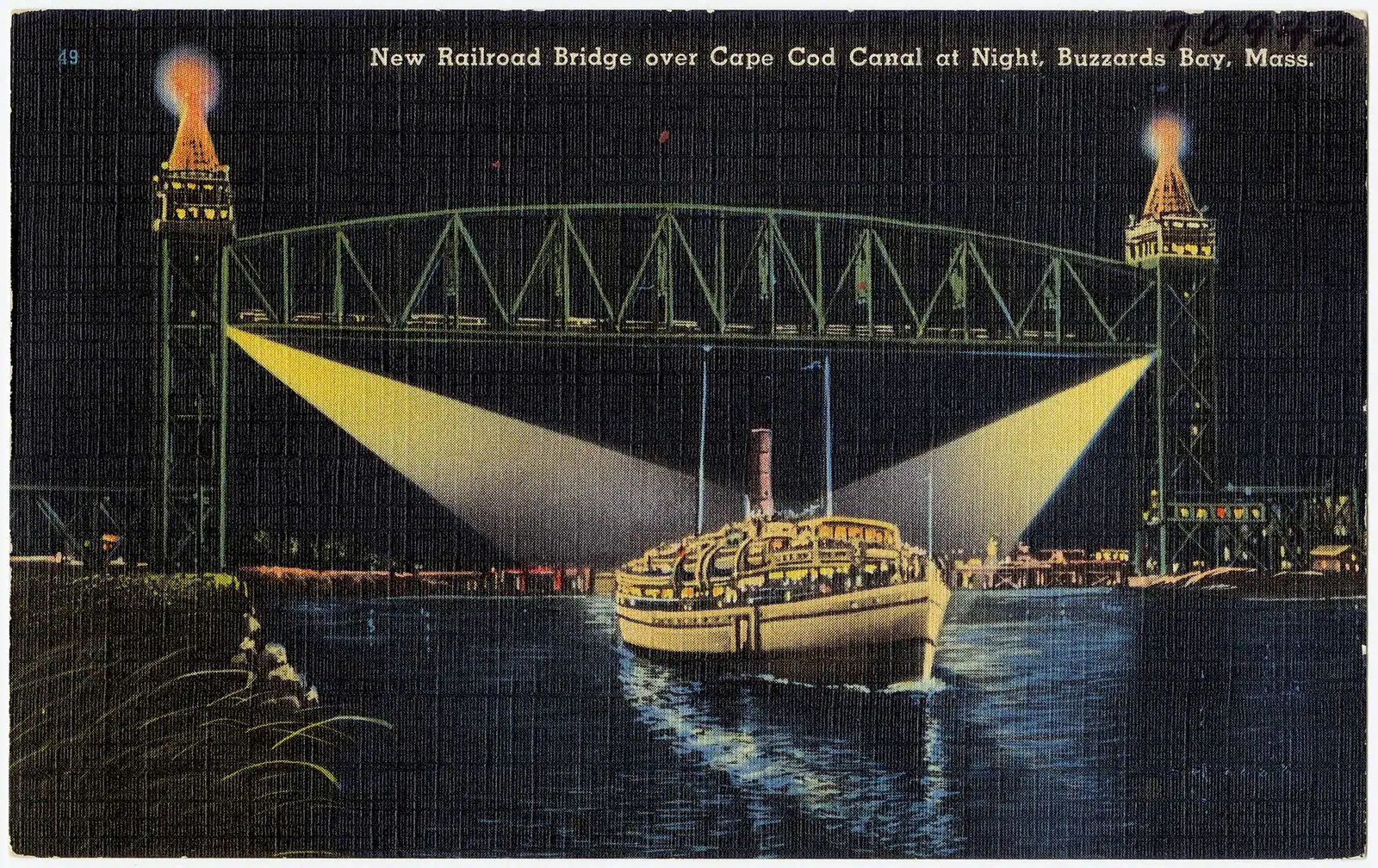
The Cape Cod Canal is the engineering answer. Private construction began in 1909, it opened to traffic in 1914, and the federal government bought and widened it from 1928. The Army Corps of Engineers runs it still, with a free visitor centre at Sandwich and service roads on both banks. Watching a freighter pass a hundred feet from the path is a better history lesson than most exhibits manage.
The Whydah is the wreck that came back. A pirate ship under Samuel Bellamy went down off Wellfleet in April 1717, was found by Barry Clifford in 1984, and is described as the only fully authenticated pirate shipwreck ever recovered. Artefacts, including the bell that confirmed it, are in West Yarmouth.
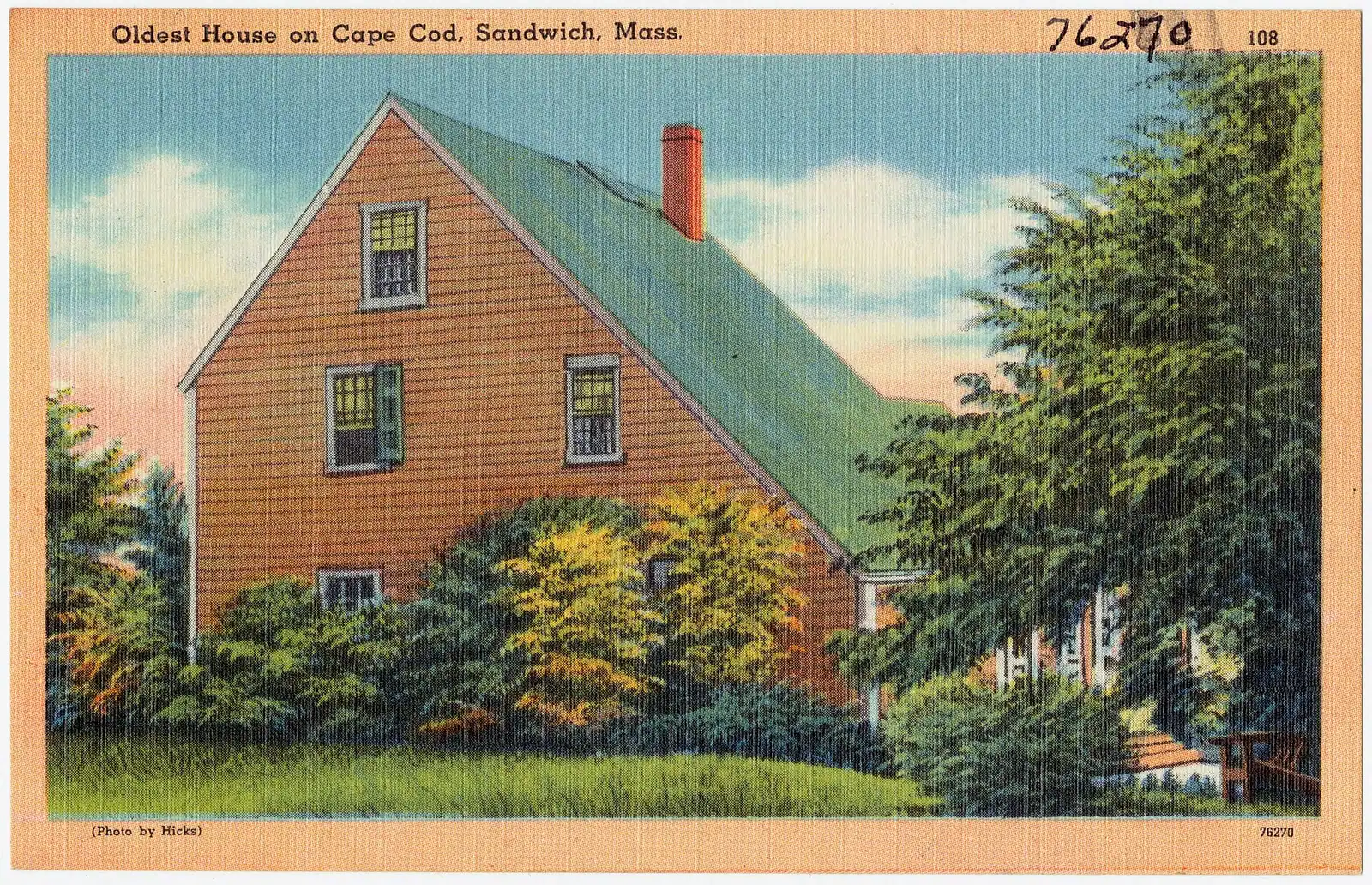
If you have one museum afternoon on the Upper Cape, spend it in Sandwich, which was settled in 1637 and shares the title of the Cape's oldest town with Yarmouth.
The Sandwich Glass Museum tells a genuine industrial story rather than a decorative one. Deming Jarves founded the Boston & Sandwich Glass Company here in 1825, chose the site for the fuel and the shipping rather than for sand, and built a works that pioneered pressed glass and produced coloured tableware that collectors still chase by name. It employed a large share of the town until competition and a labour dispute closed it in 1888. The museum runs live glassblowing demonstrations, which is what makes it work for children as well as collectors.
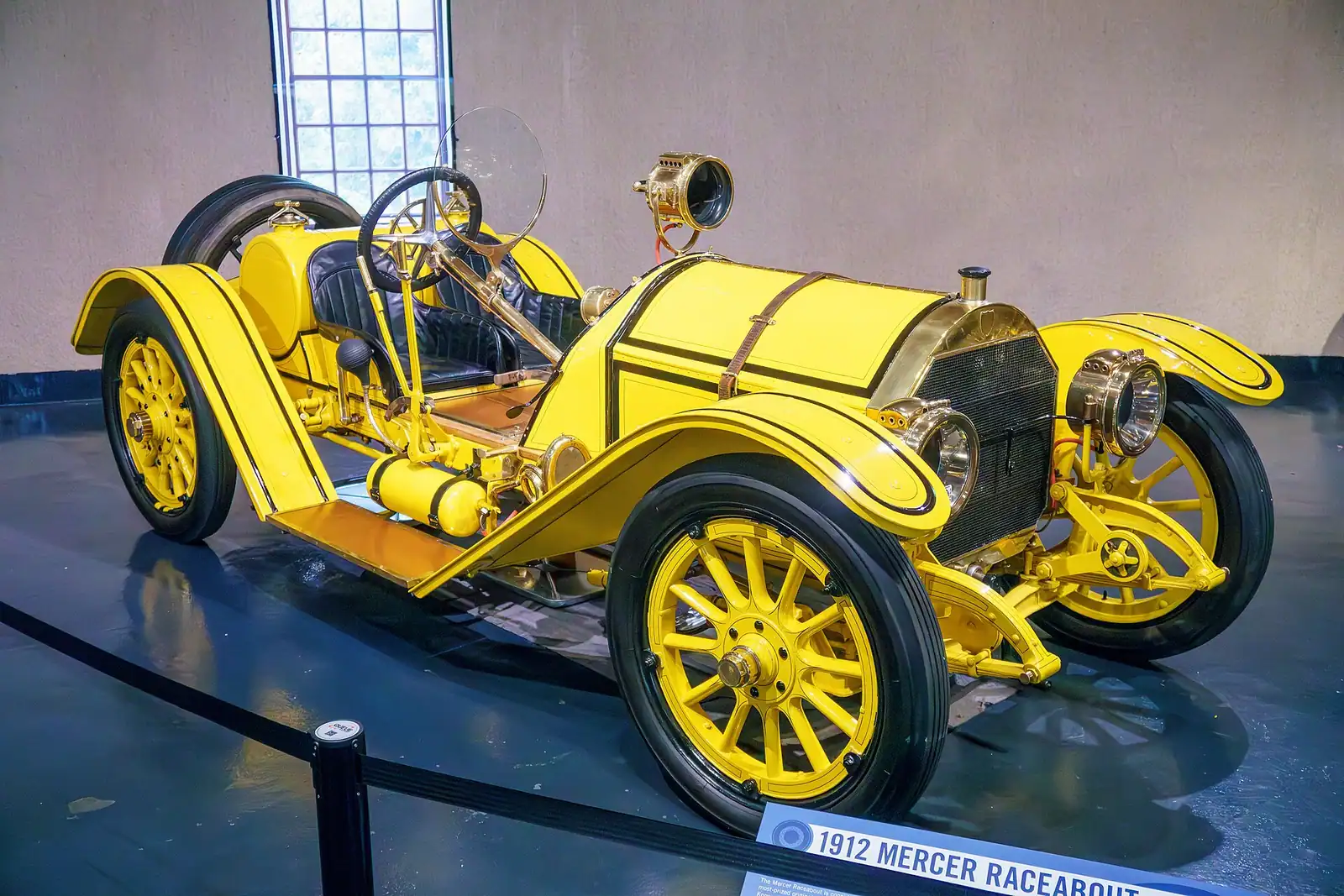
Heritage Museums and Gardens, up the hill, is about a hundred acres of grounds built around a rhododendron collection developed on the estate, with a hybrid named for the man who bred them. It also holds an early twentieth-century carousel that visitors can ride and an American automobile collection housed in a round barn modelled on a Shaker design. In late May and early June the rhododendrons are the reason people drive out here from off-Cape.
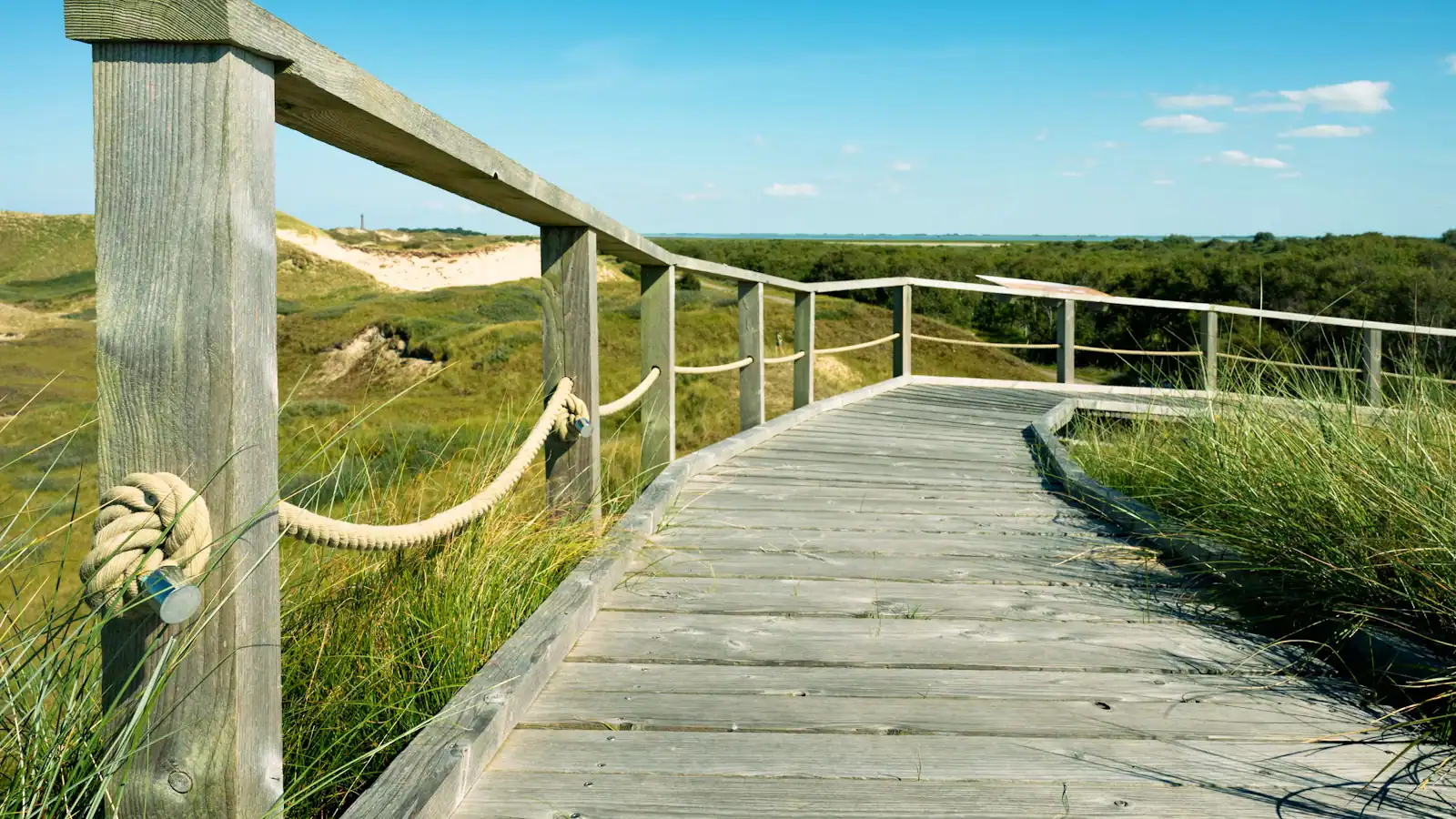
The Dexter Grist Mill on Shawme Pond is described as the oldest mill on the Cape and still grinds corn in season. The Sandwich Boardwalk, a timber walkway of around 1,350 feet first built in 1875, crosses the marsh to the bay and has been rebuilt after storms more than once.
The whole cluster is within a few minutes of the canal and of the Sagamore Bridge, which makes it the single best stop for anyone arriving on the Cape in the afternoon with a room they cannot check into until four.
Hyannis Port is where the Kennedy family summered, and the association is a large part of why Hyannis gets the visitors it does. Set expectations correctly, though, because the thing people come looking for is not open.
The Kennedy Compound in Hyannis Port is private property, occupied, and not a visitor attraction. Driving the residential streets looking for it is discouraged by the neighbourhood and it will not reward you.
The John F. Kennedy Hyannis Museum on Main Street is the real answer, and it is better than a small-town presidential museum has any right to be. It is narrowly focused on the family's years on Cape Cod, roughly from the 1930s to 1963, using photographs, film and personal material rather than trying to retell a presidency. The theme is the water: sailing, the beach, the boat, the family on the sand. Seasonal hours; confirm before travelling.
The John F. Kennedy Memorial on Ocean Street, overlooking Lewis Bay, is a quiet outdoor memorial with a fountain and a pool, free and open, and it takes ten minutes.
Also in Hyannis: the Cape Cod Maritime Museum on the harbour, which builds and sails traditional wooden boats and is a good deal more hands-on than its size suggests, and the harbour walk itself, where the fishing fleet, the island ferries and the whale-watch boats all share one basin.
Two other literary and artistic stops worth folding in if you are on this side of the Cape. The Edward Gorey House in Yarmouth Port occupies the house the illustrator lived in, and it is idiosyncratic in exactly the way you would want. Highfield Hall in Falmouth is a restored nineteenth-century estate house with changing exhibitions and grounds you can walk for nothing.
The Wampanoag have lived on this peninsula and the islands for thousands of years, and the historical record visitors usually get here starts in 1620, which is a very late place to begin.
The Mashpee Wampanoag are a federally recognised nation with land on the Upper Cape, and Mashpee is their town. The Mashpee Wampanoag Indian Museum occupies a small colonial-era house on Route 130 and is run by the tribe; opening has been intermittent while the building has been worked on, so check the tribe's own information rather than a third-party listing. The Old Indian Meeting House, also in Mashpee, is one of the oldest church buildings on Cape Cod and has been restored by the tribe.
On the islands, the Wampanoag Tribe of Gay Head (Aquinnah) holds the land around the clay cliffs at the western end of Martha's Vineyard, which is why the cliffs are protected and why taking the clay is prohibited rather than merely discouraged.
Elsewhere on the Cape, the deeper past is present without being labelled. Shell middens, kettle-pond sites and place names are everywhere: Mashpee, Cotuit, Monomoy, Nauset, Chequessett, Pamet and Wianno are Wampanoag words, not decorative ones. The National Seashore's interpretation at Salt Pond covers the pre-contact Cape and the archaeology of Nauset seriously, and is the easiest starting point for a visitor.
The plainest way to put it: the town histories on this page cover four hundred years. The people who named the water had been here for something like twelve thousand.
On a landform this young and this mobile, geology is not a separate subject from the town histories. It is the reason for them.
The Cape Cod Museum of Natural History in Brewster, founded in 1954, is the place to have this explained properly. It sits on the bay with the John Wing Trail running out across salt marsh to the Brewster flats, so you can look at an exhibit about tidal ecology and then walk out into it twenty minutes later. It is strong on the glacial story, on the marsh, and on the shorebirds, and it is one of the better wet-afternoon options on the Lower Cape for children.
The Salt Pond Visitor Center at Eastham and the Province Lands Visitor Center at Provincetown are the National Seashore's own interpretive centres, both free with Seashore access, and both better than the word "visitor centre" suggests. Salt Pond covers the formation of the Cape, the Nauset archaeology and the lifesaving era; Province Lands is worth it for the observation deck alone.
Wellfleet Bay Wildlife Sanctuary, run by Massachusetts Audubon, has a nature centre and trails out to the tidal flats, and is the base for a long-running programme rescuing cold-stunned sea turtles from Cape Cod Bay each autumn, which is a genuinely Cape-specific piece of natural history: the hooked geography traps turtles that fail to leave before the water cools.
The connecting idea is worth stating. This peninsula is roughly fifteen to twenty thousand years old, made of material a glacier dumped and the sea has rearranged ever since. The outer cliff retreats by a few feet a year. Lighthouses have been moved back from the edge. Marconi's station fell into the ocean. Nothing here is permanent, and the museums that acknowledge that are the ones worth your afternoon.
Local tips
On the ground
Every place below has its own page — hours, parking, what it costs and what to expect when you get there.
Neighbourhood
The town at the Cape's elbow, where a barrier beach has broken open three times since 1987 and rebuilt the shoreline each time.
3–8 hoursFree to visit. Town beach lots require a Chatham parking sticker in season.
Landmark
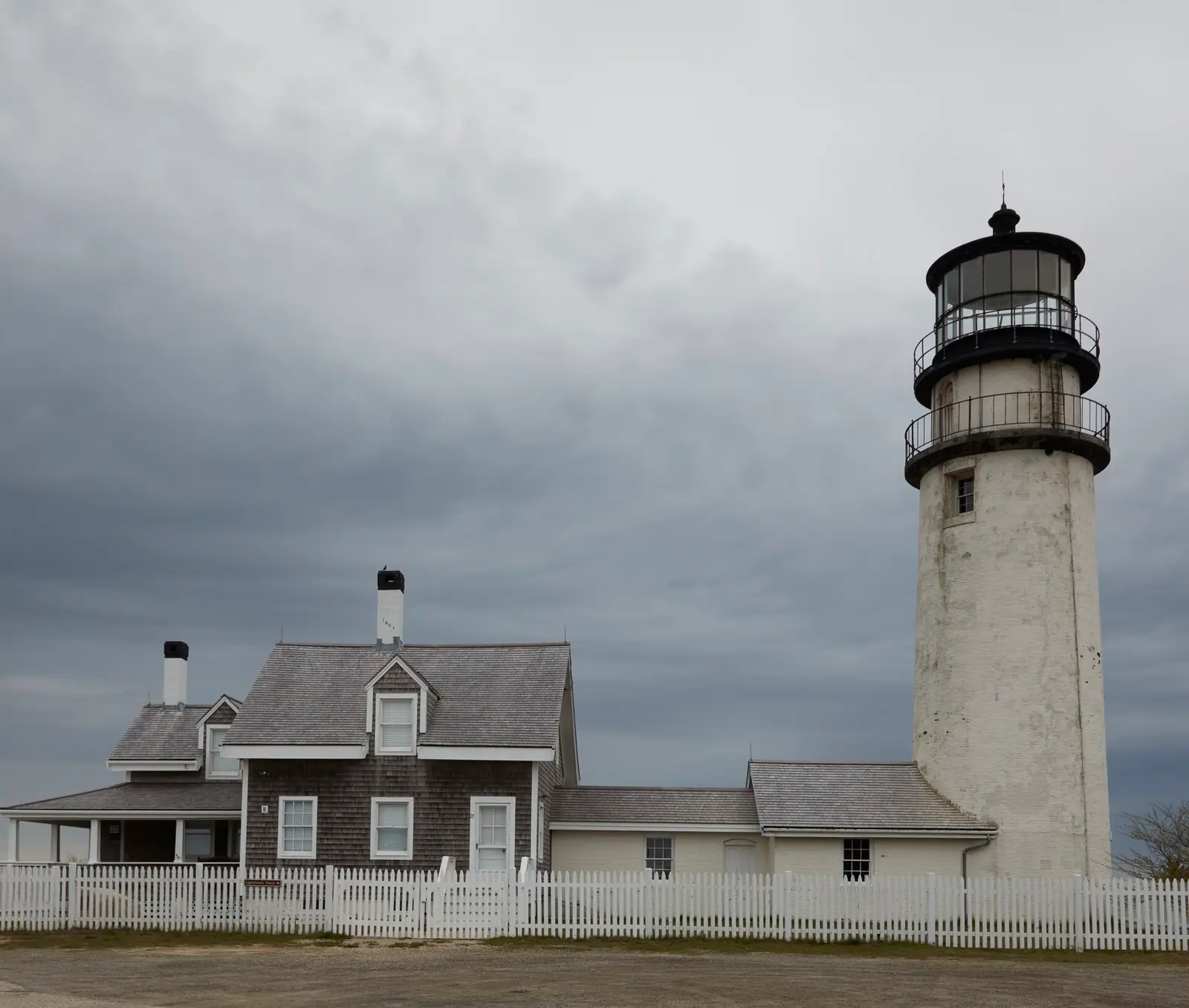
The Cape's first lighthouse, established 1797 on Truro's highest bluff and hauled 450 feet inland over eighteen days in July 1996.
1–2.5 hoursGrounds and car park free. A small charge applies to climb the tower when it is open.
Beach
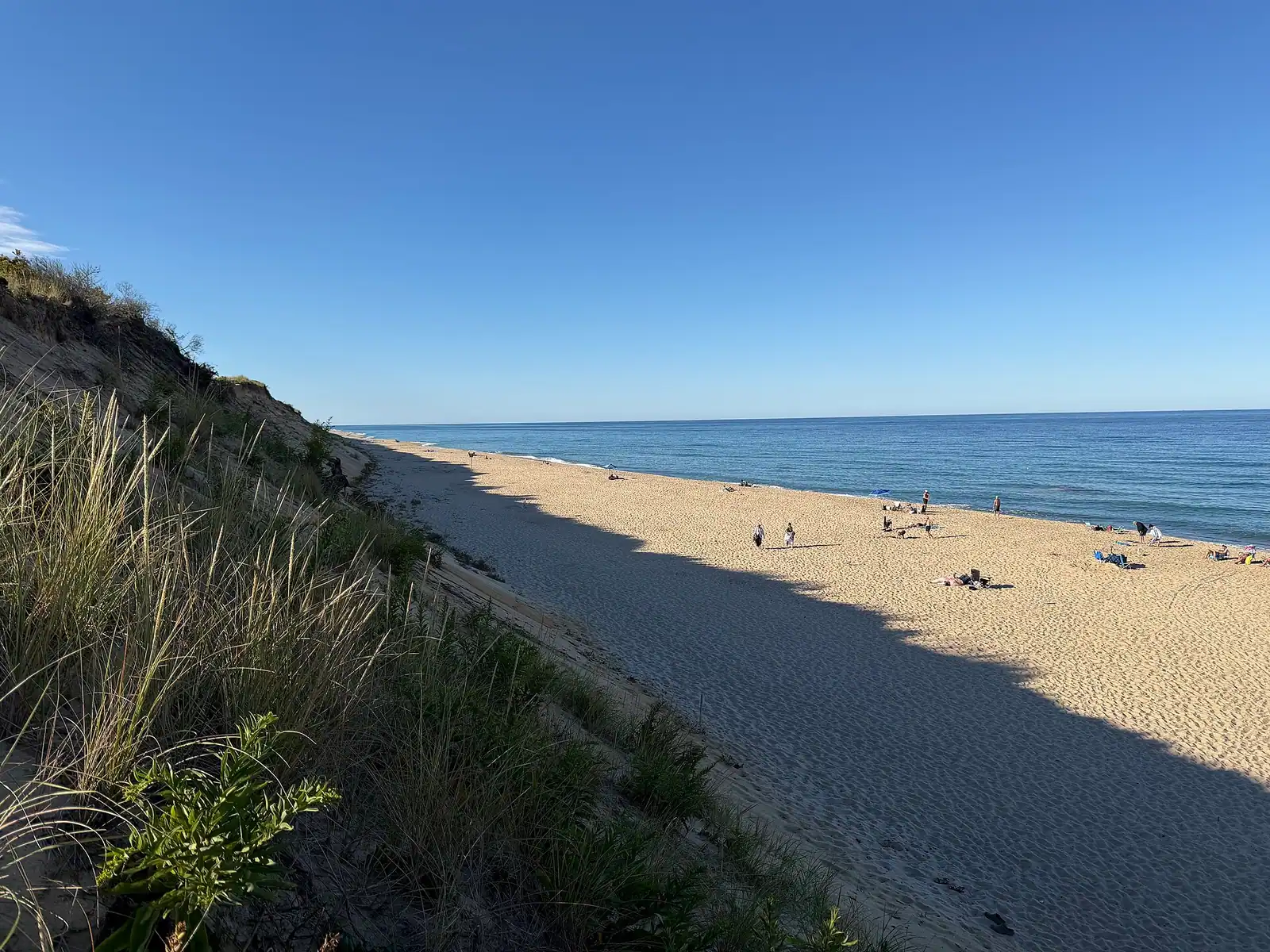
A high sand scarp, a long staircase, and the bluff the first transatlantic wireless message left the United States from in January 1903.
2.5–5.5 hoursNational Seashore fee: $25 per vehicle per day. The Marconi Station overlook is free.
Beach
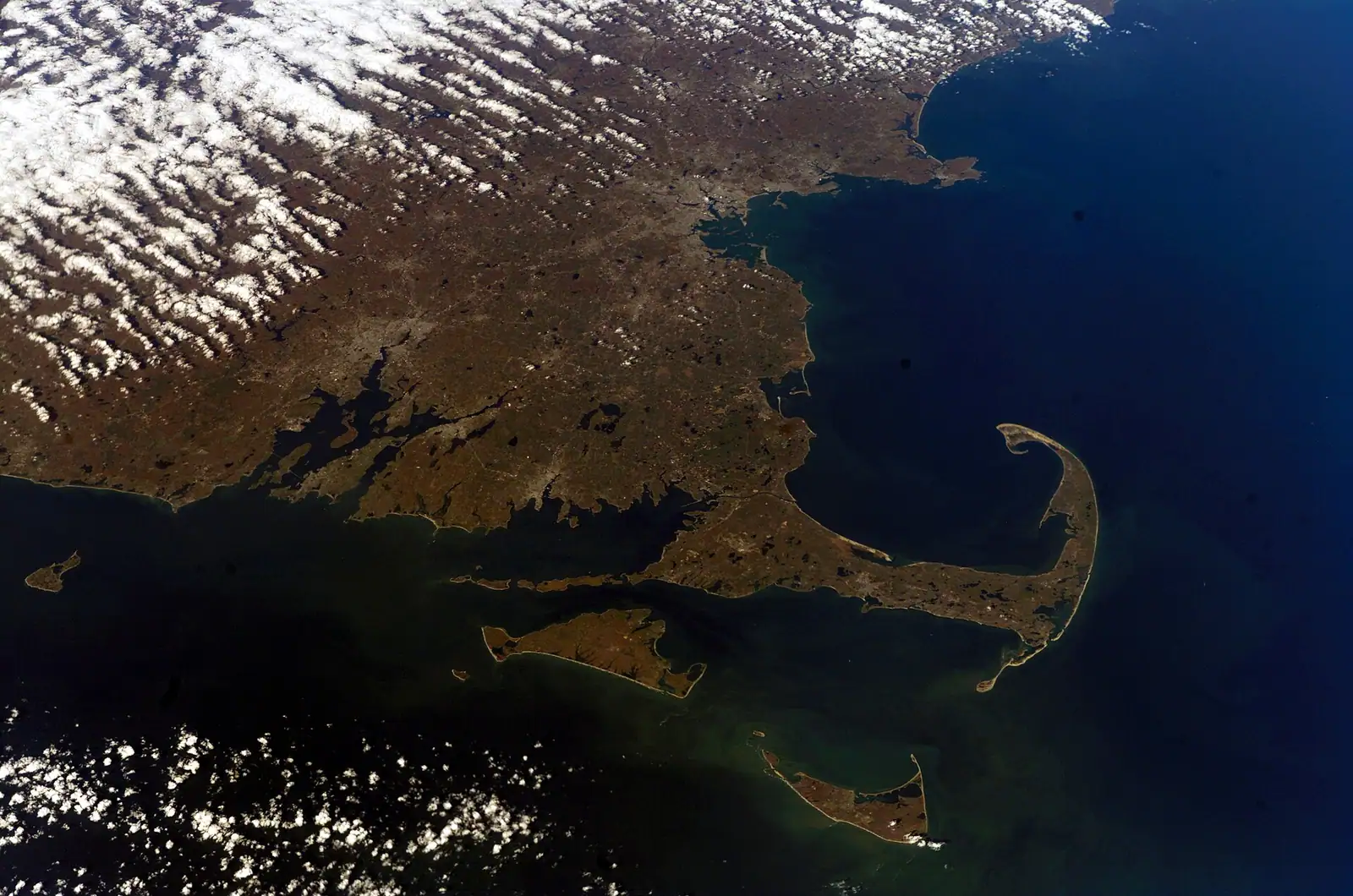
Bay-side Eastham, where the tide goes out for most of a mile and the name marks a skirmish fought on this sand in December 1620.
1.5–4 hoursFree to enter. Town parking is charged in season by daily rate or Eastham beach sticker.
Landmark
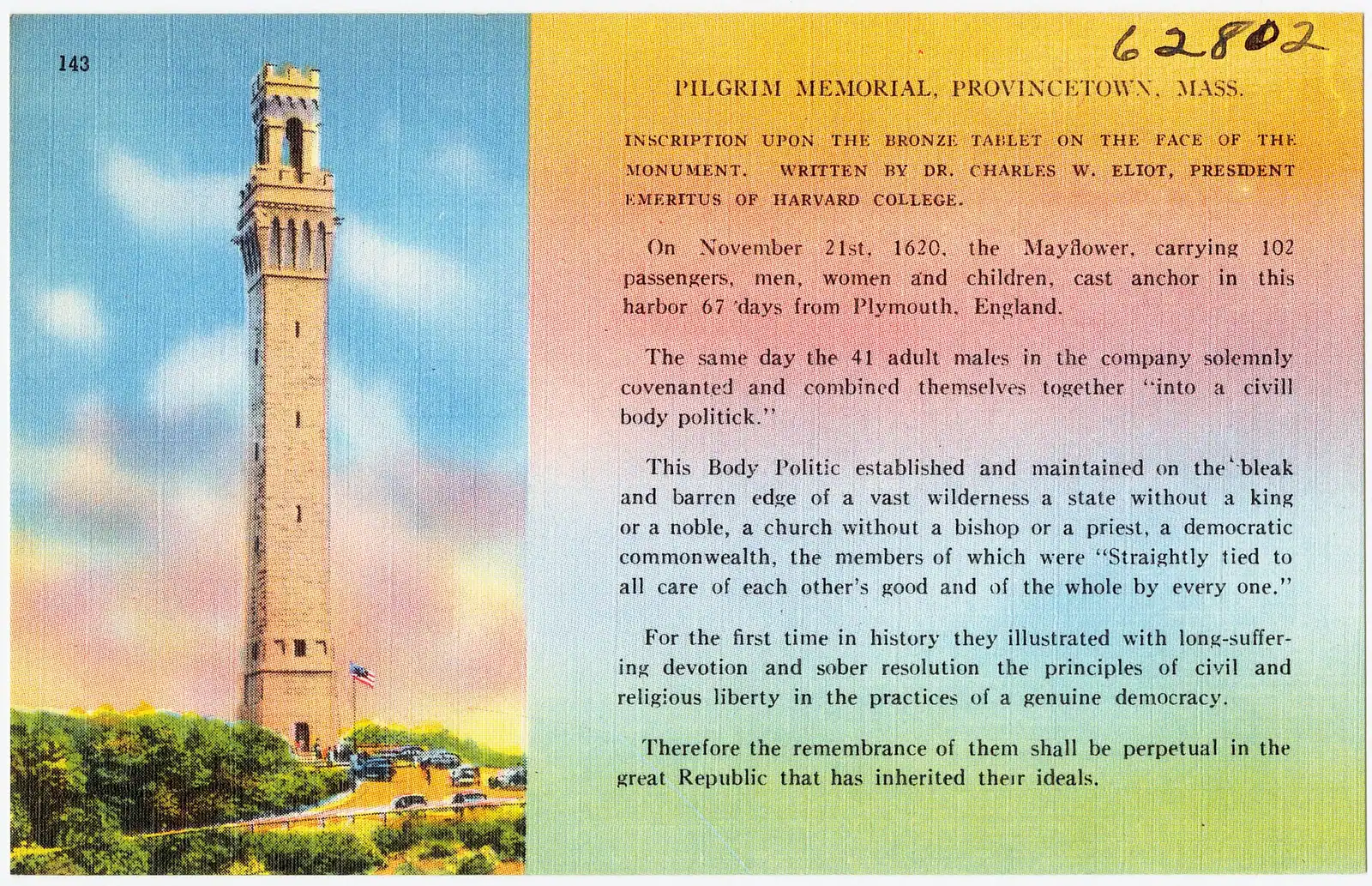
A 252-foot granite campanile modelled on a Tuscan town hall, climbed by ramps, with the best view of Cape Cod's geography from anywhere.
1–2 hoursPaid admission covering both the tower climb and the Provincetown Museum. The grounds are free.
Neighbourhood
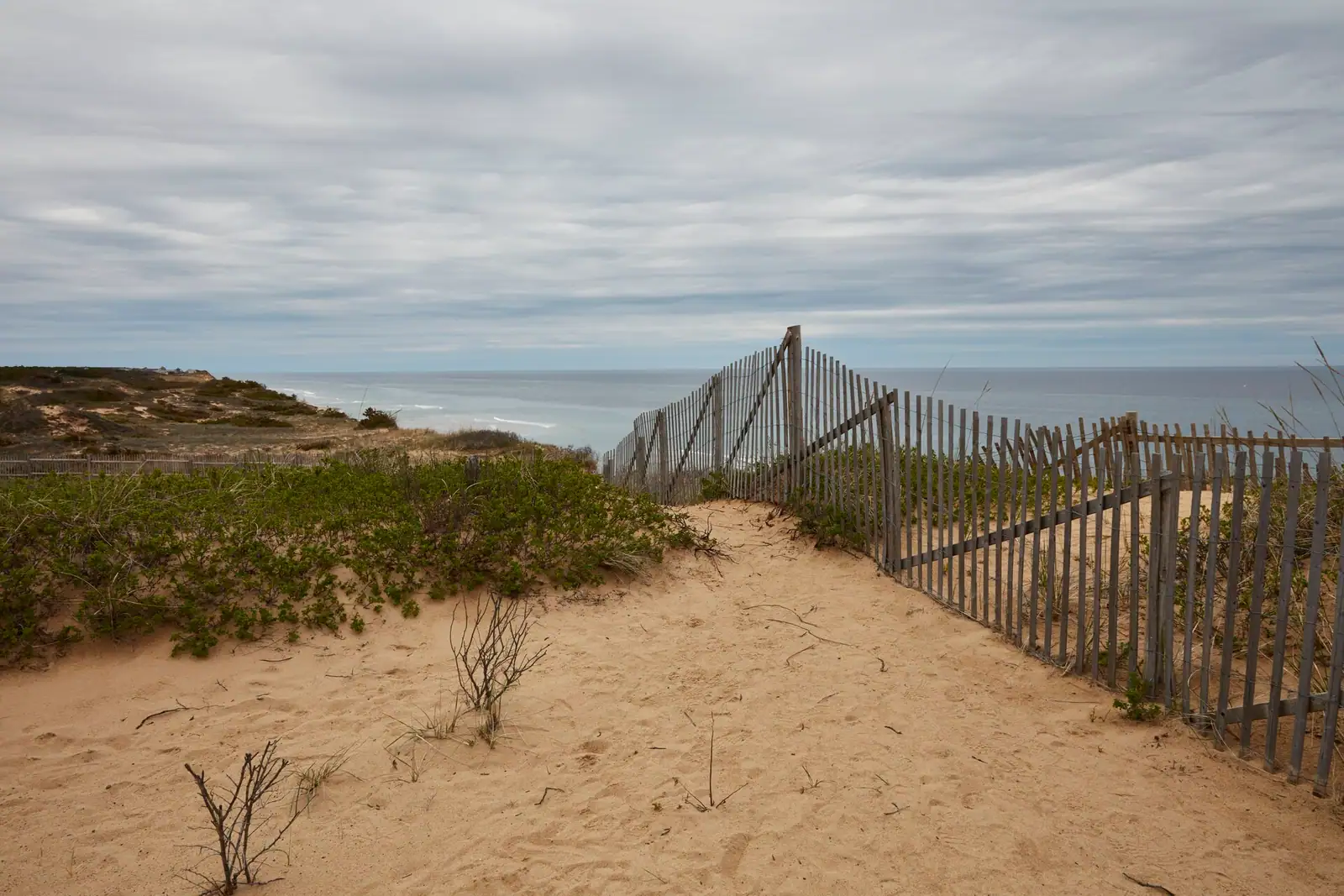
Around seventy per cent of this Outer Cape town is protected land, which is why the ocean beaches feel like nobody told anyone about them.
3–8 hoursFree to visit. Town beaches need a Wellfleet sticker in season; Marconi Beach takes the federal fee.
Neighbourhood
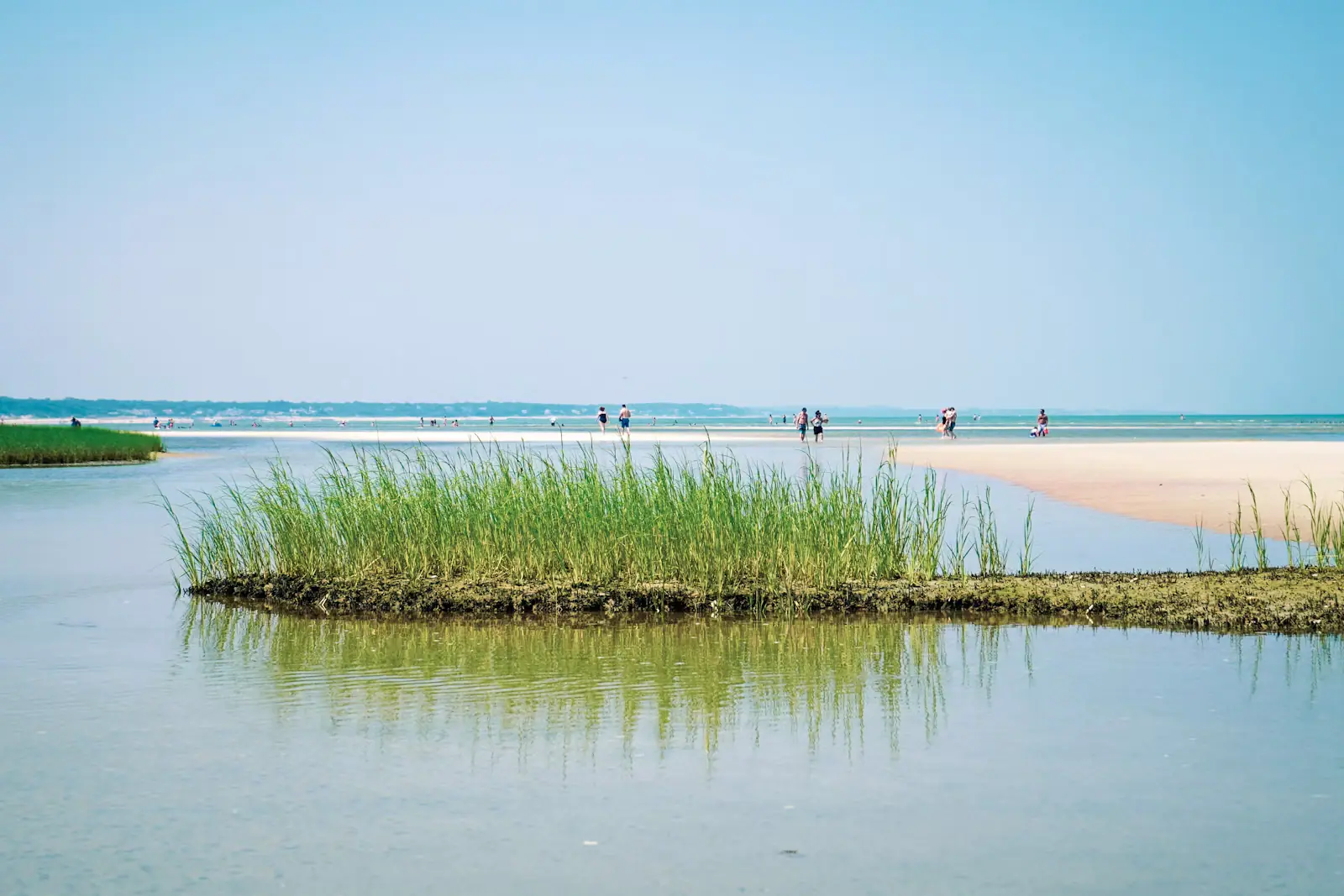
The bay town where low tide opens a walking surface that was open sea an hour earlier, and fills again faster than people expect.
3–8 hoursFree to visit. Town beach lots need a Brewster sticker in season; Nickerson charges day-use parking.
Museum
A hundred acres in Sandwich holding the Dexter rhododendron collection, a vintage car museum and a 1908 carousel you can ride.
3–5 hoursPaid admission covering the gardens, the museums and a carousel ride; the adventure park is extra
Water feature
A 7.4-mile federal waterway with a car-free paved service road down each bank: the flattest, most reliable cycling on Cape Cod.
1–4 hoursFree. The service roads on both banks are open to walkers and cyclists at no charge.
Neighbourhood
Settled in 1637, the Cape's oldest town, and the first thing you reach after the Sagamore Bridge rather than the last.
3–8 hoursFree to walk. The mill, the historic houses and the museums each charge separately.
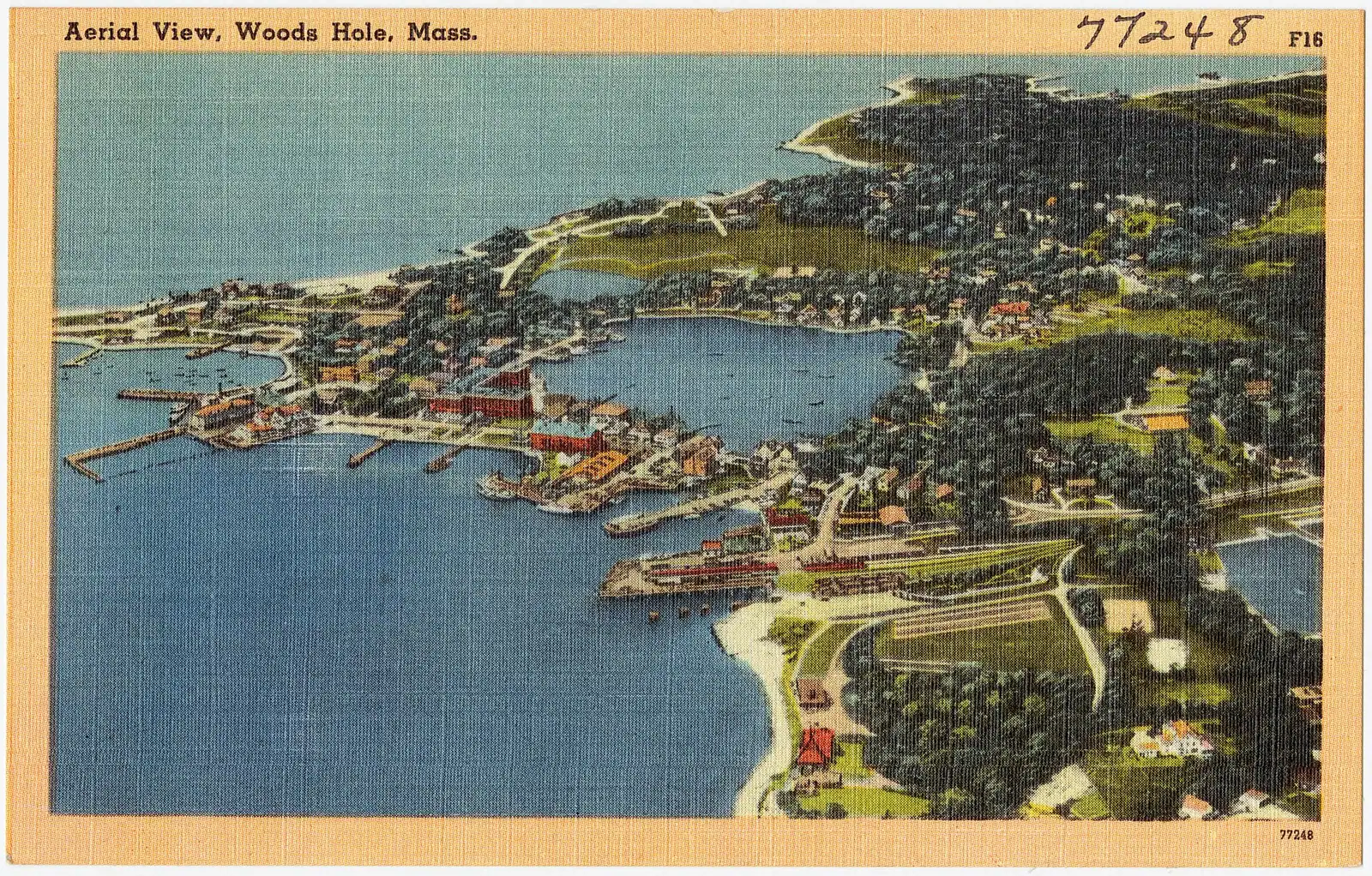
Neighbourhood
Eight hundred and thirty-four residents, several of the world's leading marine research institutions, and almost nowhere to leave a car.
2–5 hoursFree to walk, and the Woods Hole Science Aquarium is free. Ferries and some exhibits are paid.
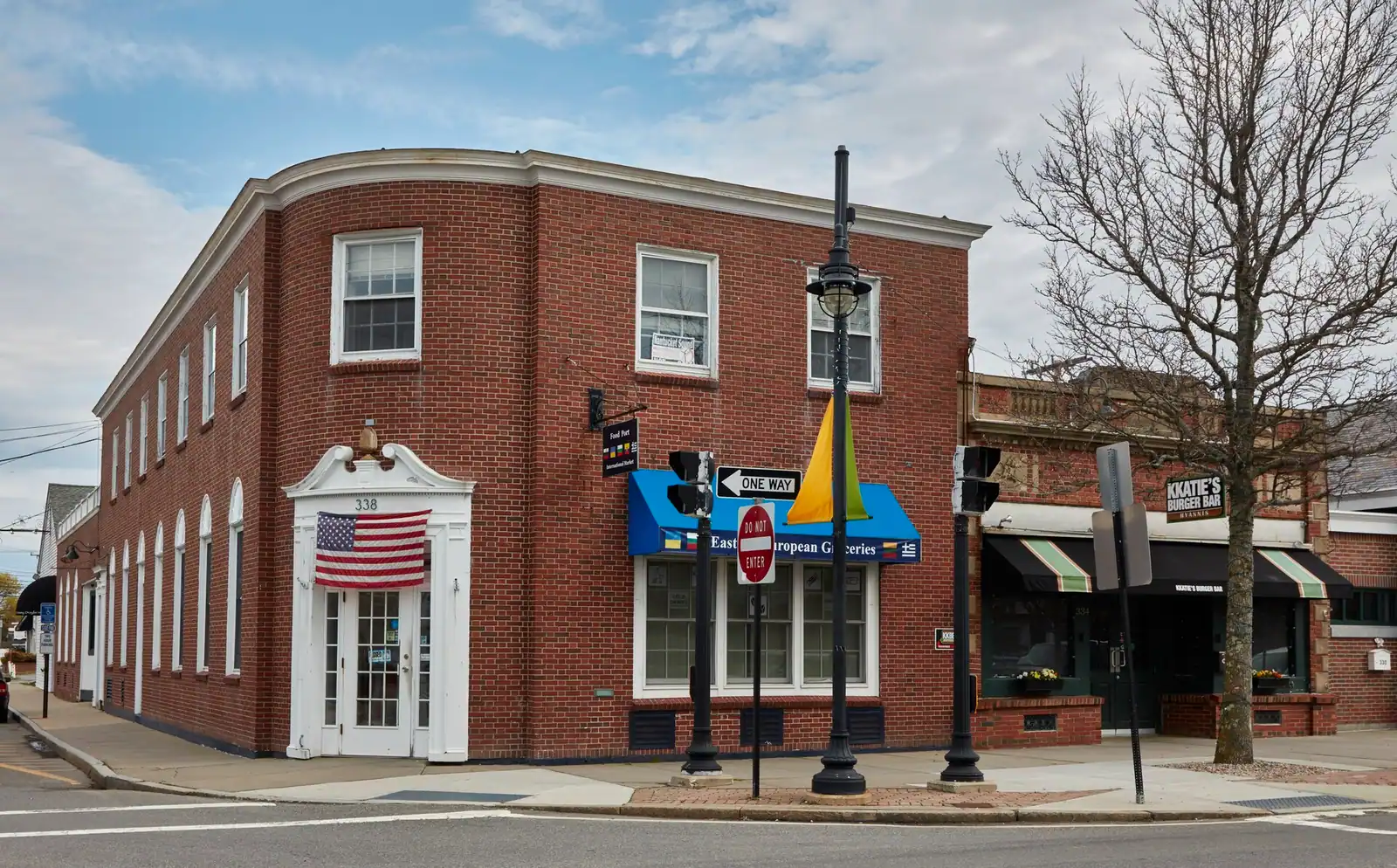
Neighbourhood
The Cape's only working downtown: island ferries, an airport, a hospital and a Main Street that stays open in February.
2–8 hoursFree to walk. Ferries, cruises, concerts and museum admission are separately priced.
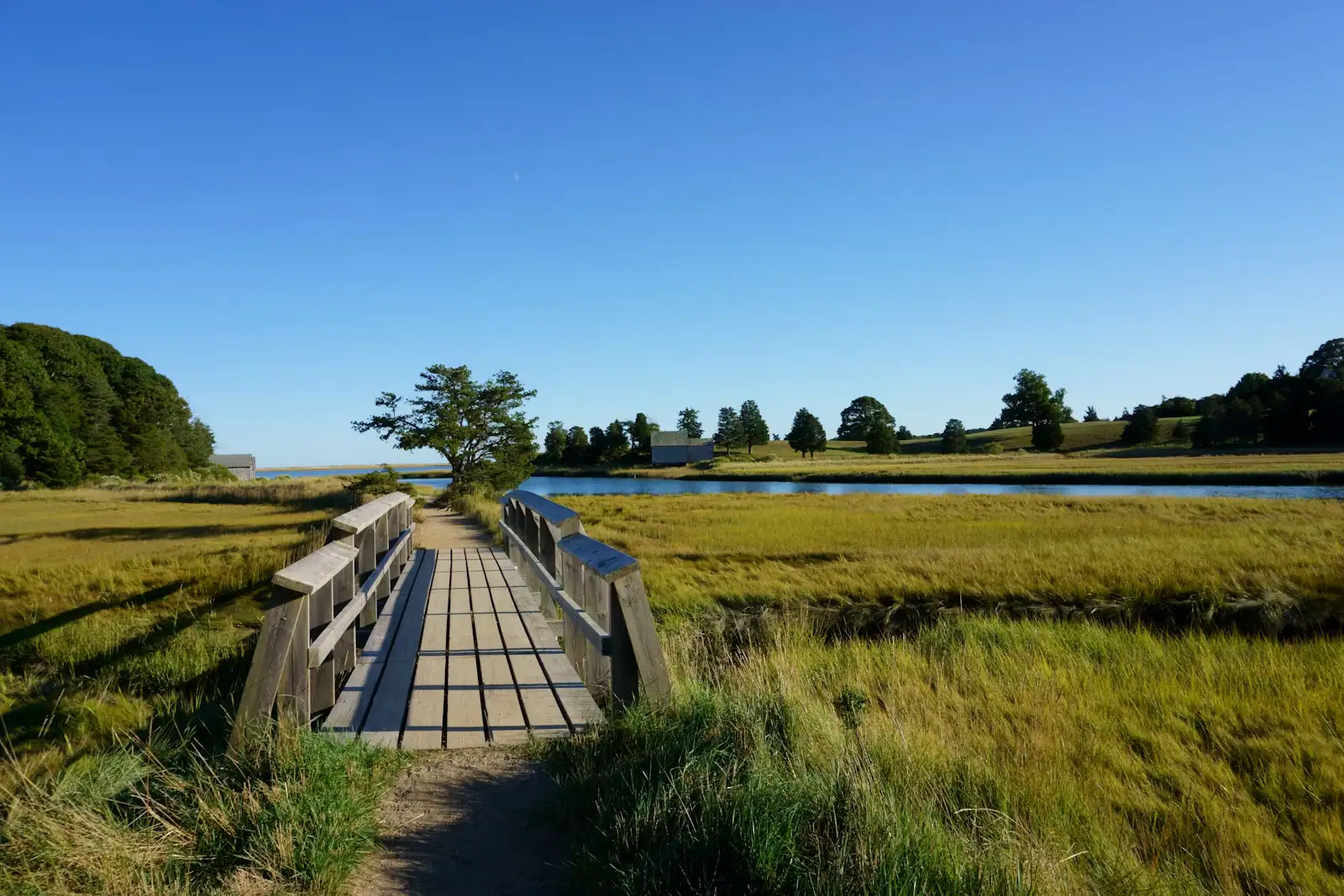
Museum
A small local aquarium with a marsh boardwalk out the back that leads to Wing Island and the Brewster flats.
1.5–3 hoursPaid admission, modest by museum standards, with reduced and family rates usually offered
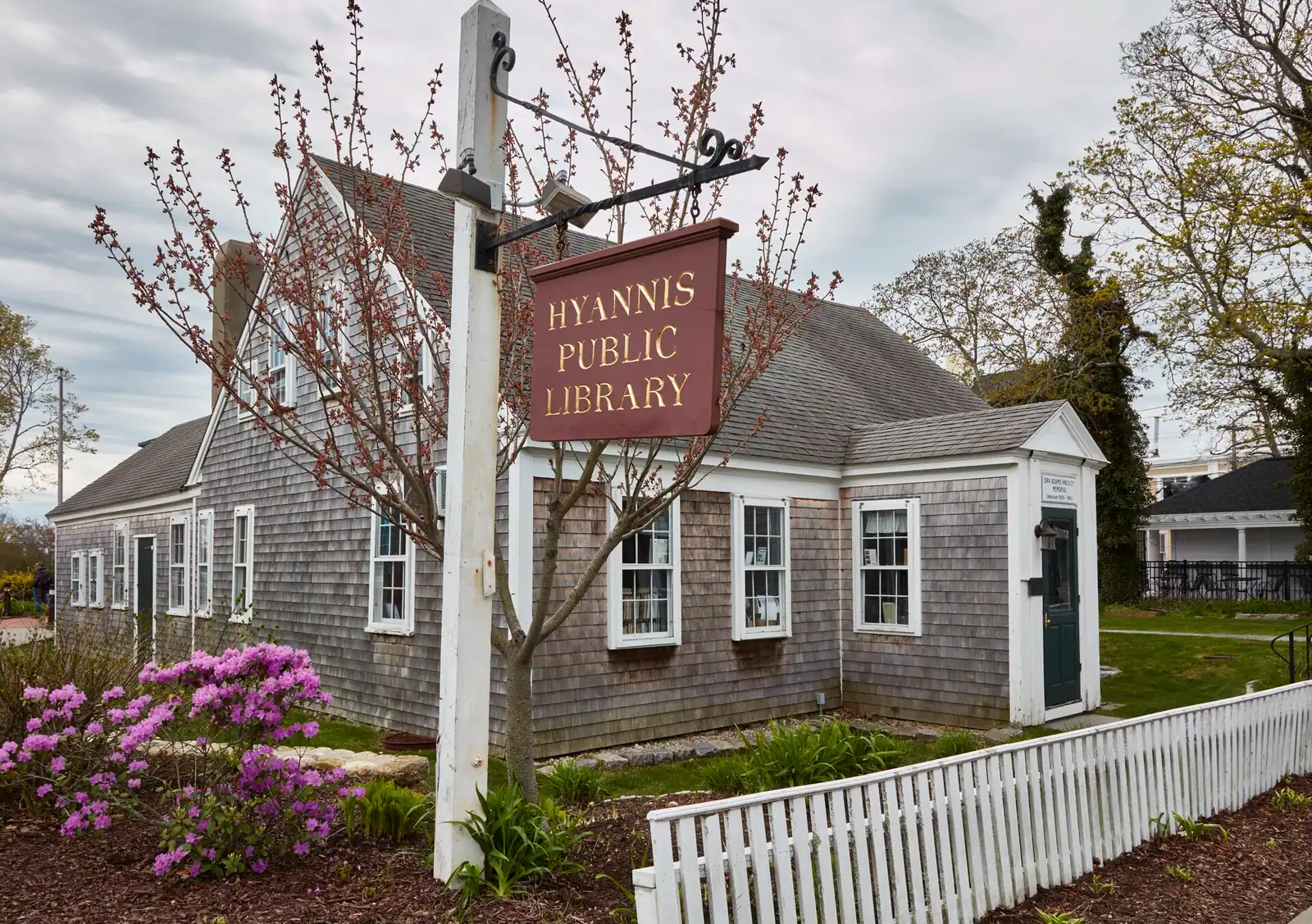
Museum
Photographs, film and oral histories of the Kennedy summers at Hyannis Port, in the village's old town hall on Main Street.
1–1.5 hoursPaid admission, modest by American museum standards, with reduced rates usually available
Straight answers
It is the South Wellfleet cliff where Guglielmo Marconi built the first American transatlantic wireless station, and where a formal message passed between President Theodore Roosevelt and King Edward VII on 18 January 1903 with no cable involved. The station was later dismantled, and erosion has taken much of the original ground into the sea. What remains, inside the National Seashore, is an overlook, interpretive panels and concrete remnants. There is no admission charge.
For most visitors: the Sandwich Glass Museum for its live glassblowing and a genuine industrial story, Heritage Museums and Gardens in Sandwich for a hundred acres plus a working carousel, the Cape Cod Museum of Natural History in Brewster for the glacial and tidal story with a marsh trail attached, the John F. Kennedy Hyannis Museum for the family's Cape years, and the Provincetown Museum at the base of the Pilgrim Monument.
No. The compound is private property, still used by the family, and it is not open to visitors. Driving the residential streets around it is discouraged and will not show you anything. The John F. Kennedy Hyannis Museum on Main Street is the proper answer, covering the family's Cape Cod years through photographs and film, and the free John F. Kennedy Memorial on Ocean Street overlooks Lewis Bay and takes about ten minutes.
The Whydah Gally was a pirate ship under Samuel Bellamy that went down in a storm off Wellfleet in April 1717 with most of her crew. Barry Clifford located the wreck in 1984, and the ship's bell confirmed the identification, making it the only fully authenticated pirate shipwreck ever recovered. Artefacts from the excavation, including coins, weapons and concretions still being opened, are displayed at a museum in West Yarmouth.
Because the peninsula lies directly across the coastal sea route to Boston, with shifting sandbars running parallel to the outer shore. A vessel driven inshore by an easterly grounds several hundred yards out with heavy breaking surf between it and the beach. Fog is common in early summer and northeasters arrive from autumn onward. The answer was a chain of Life-Saving Service stations along the beach, and eventually the Cape Cod Canal, opened in 1914.
Many are not. A large number close entirely or drop to weekend opening between Columbus Day and Memorial Day, and several of the smallest run limited hours even in high season. This catches out more off-season visitors than anything else on the Cape. Check the museum's own site or telephone in the week you travel rather than relying on a listing, and have a second option in mind before you drive an hour for one.
Mashpee is the centre of it: the Mashpee Wampanoag Indian Museum on Route 130 is run by the tribe, and the Old Indian Meeting House nearby is among the oldest church buildings on the Cape and has been restored by them. Opening has been intermittent, so check the tribe's own information. The National Seashore's Salt Pond Visitor Center in Eastham covers the pre-contact Cape and the Nauset archaeology and is open year-round.
The American end of a submarine telegraph cable running direct to Brest in France, landed in 1891 and worked until 1959. For nearly seventy years transatlantic messages passed through a small building on a corner in Orleans, including the news of Lindbergh's arrival in Paris in 1927. It closed with the equipment left in place, so the museum displays the original instruments in the room where they were used. Opening hours are seasonal and limited.
Keep exploring
Guide hub
Cape Cod is a hook, and the most useful question you can answer before booking anything is where on that hook you intend to stand. The peninsula…
Guide hub
Cape Cod does not really do attractions in the ticketed sense. There is no aquarium the size of a shopping centre, no theme park, no observation…
Who it suits
Rain on Cape Cod does not behave the way beach-holiday rain is supposed to. There is no wet season here and no dry one. The peninsula gets something…
Things to do
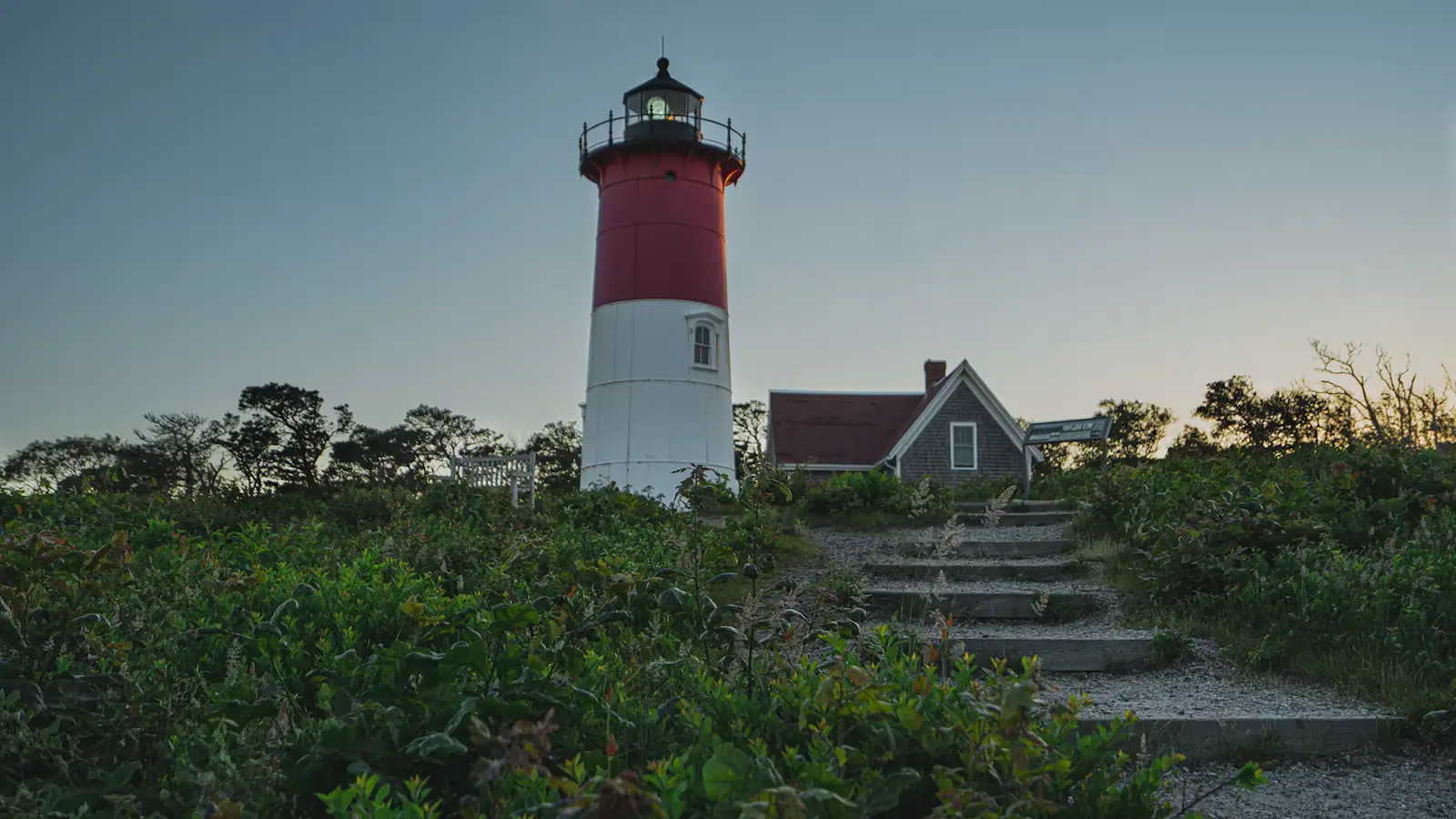
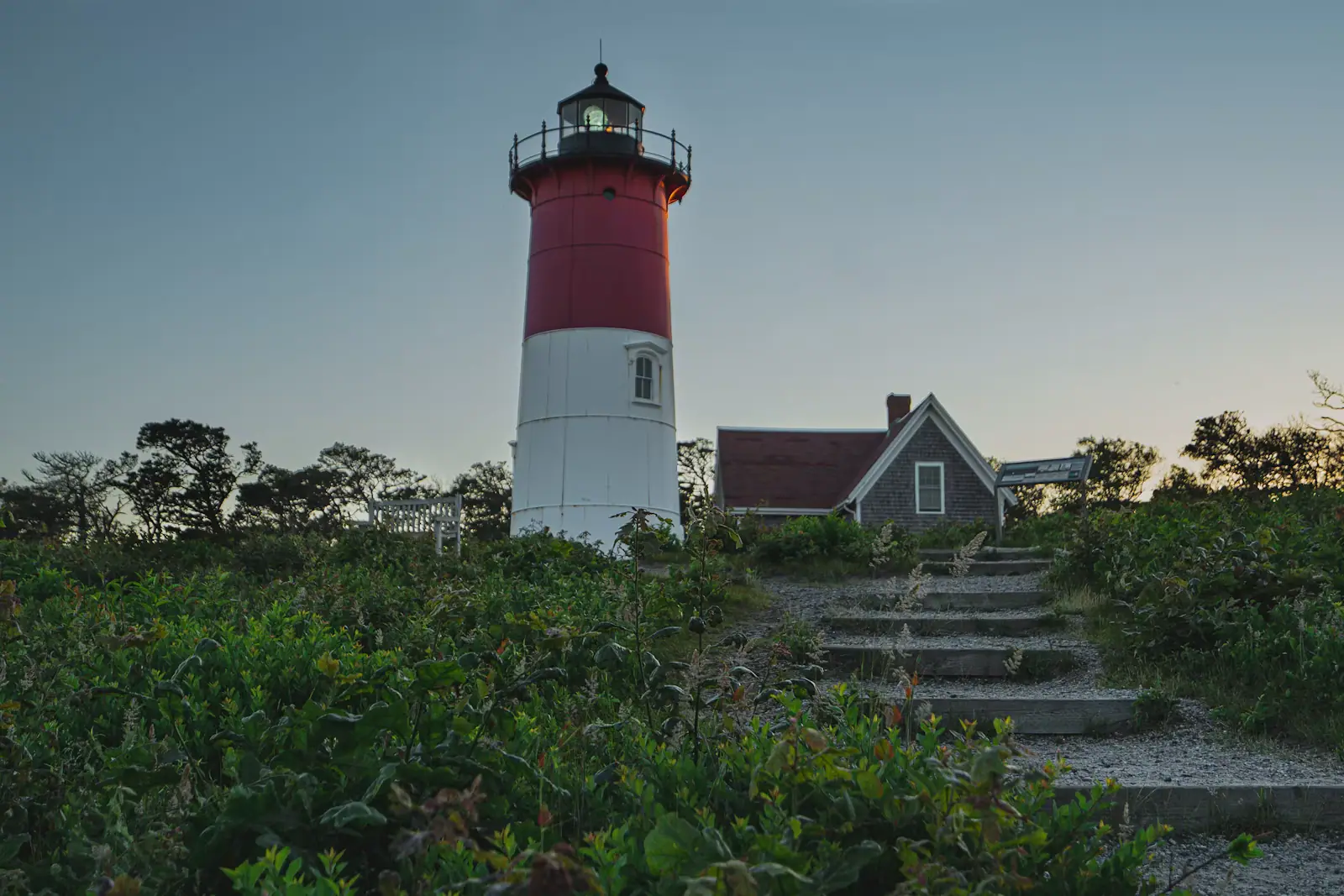
Cape Cod has more lighthouses than any comparable stretch of the American coast, for the unromantic reason that this peninsula sank an extraordinary…
Guide hub
President Kennedy signed Cape Cod National Seashore into existence on 7 August 1961, having co-sponsored the bill as a senator for Massachusetts a…
Guide hub
Ask somebody who has been coming here for thirty years where to stay and they will not answer with a town. They will ask you two questions first…
Read next
Guide
Most first trips here are decided badly at the booking stage. Pick the stretch of the hook and the coast before you pick the cottage, and the rest of the week arranges itself.
8 min readMargaret Thorne
Guide
Sixty-five miles, one spine road and two bridges. The stretch of the hook you sleep on decides how much of your week you spend driving, and it is the one booking you cannot undo.
9 min readMargaret Thorne
Guide
The postcard beaches are the wrong ones for small children. The bay flats at low tide and the freshwater kettle ponds are the two things that make a Cape family week work.
8 min readMargaret Thorne
Guide
The Cape's weather is ordinary New England weather. What is not ordinary is how completely the place shuts, and how much of the year sits outside the season.
8 min readNadia Petrakis