Skip to content
Search
Menu

Bookings here go through Viator, who pay us a commission. You are charged the same either way, and the commission had no say in this list.

Tours

Ferries and the Islands

Last updated

Ferries from Cape Cod to Martha's Vineyard and Nantucket: which port, which boat, why to leave the car behind, and whether a day trip actually works.

Small boats lying at anchor on flat grey water under a heavy cloud-filled skyUnsplash

Two islands sit off the south side of Cape Cod and both are close enough to visit for the day, which is why half the people staying on the peninsula end up standing on a ferry dock at some point in the week. Martha's Vineyard is a big island, roughly the size of a small county, with six towns, a year-round population and a working agricultural interior. Nantucket is smaller, flatter and thirty miles out into open Atlantic, and was for a few decades in the early nineteenth century the most important whaling port on earth.

Neither is part of Cape Cod. They are separate places with their own governments, their own economies and, in Nantucket's case, a distinctly separate sense of itself. But the boats to both leave from Cape ports, so the logistics land on this page.

The single most useful thing to know is that almost every problem visitors have with the islands is a transport problem. Not the price of lunch on Nantucket, not the crowds in Edgartown. It is the ferry: the wrong port, the wrong boat, a car that should have stayed on the mainland, a parking lot that is full, a return sailing that leaves ninety minutes earlier than anybody realised, or a fog bank sitting over Nantucket Sound.

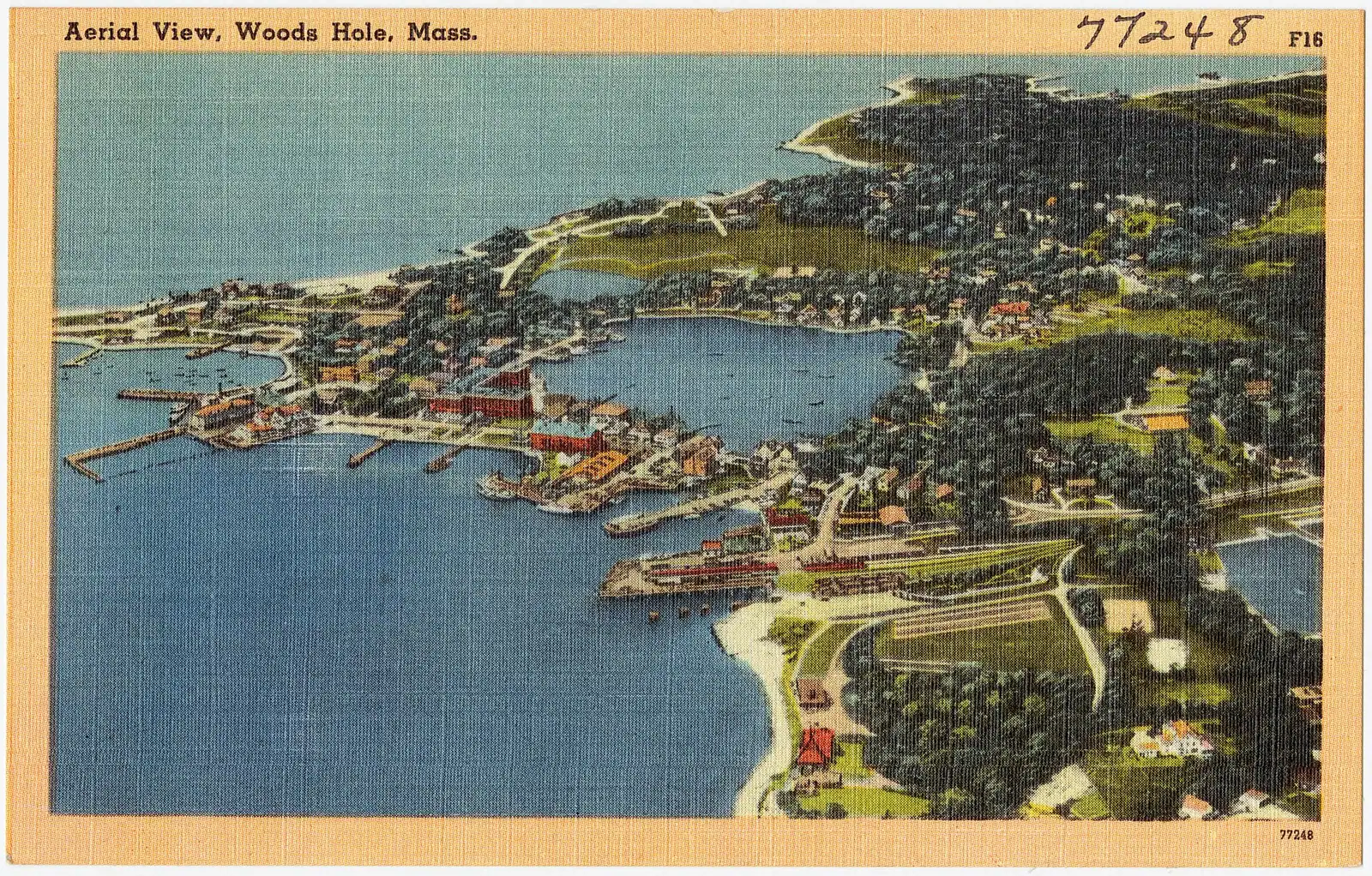
Start from the ports. Woods Hole, at the tip of Falmouth on the Upper Cape, is the gateway to Martha's Vineyard, forty-five minutes across Vineyard Sound. Hyannis, in the Mid Cape, is the gateway to Nantucket, either a little over two hours on the traditional vessel or around an hour on the high-speed catamaran. Falmouth Harbour and Harwich Port each run seasonal passenger boats of their own, which are often the easier option if you are staying nearby. Only one operator, the Steamship Authority, carries vehicles to either island.

Then make an honest decision about day-tripping against staying over. A Vineyard day trip from an Upper Cape base is straightforward and genuinely good. A Nantucket day trip from Hyannis works but is tight and expensive, and it works far better on the fast boat than on the slow one. A day trip to either from Wellfleet or Truro is mostly a day in a car, and you would be better off spending it where you are.

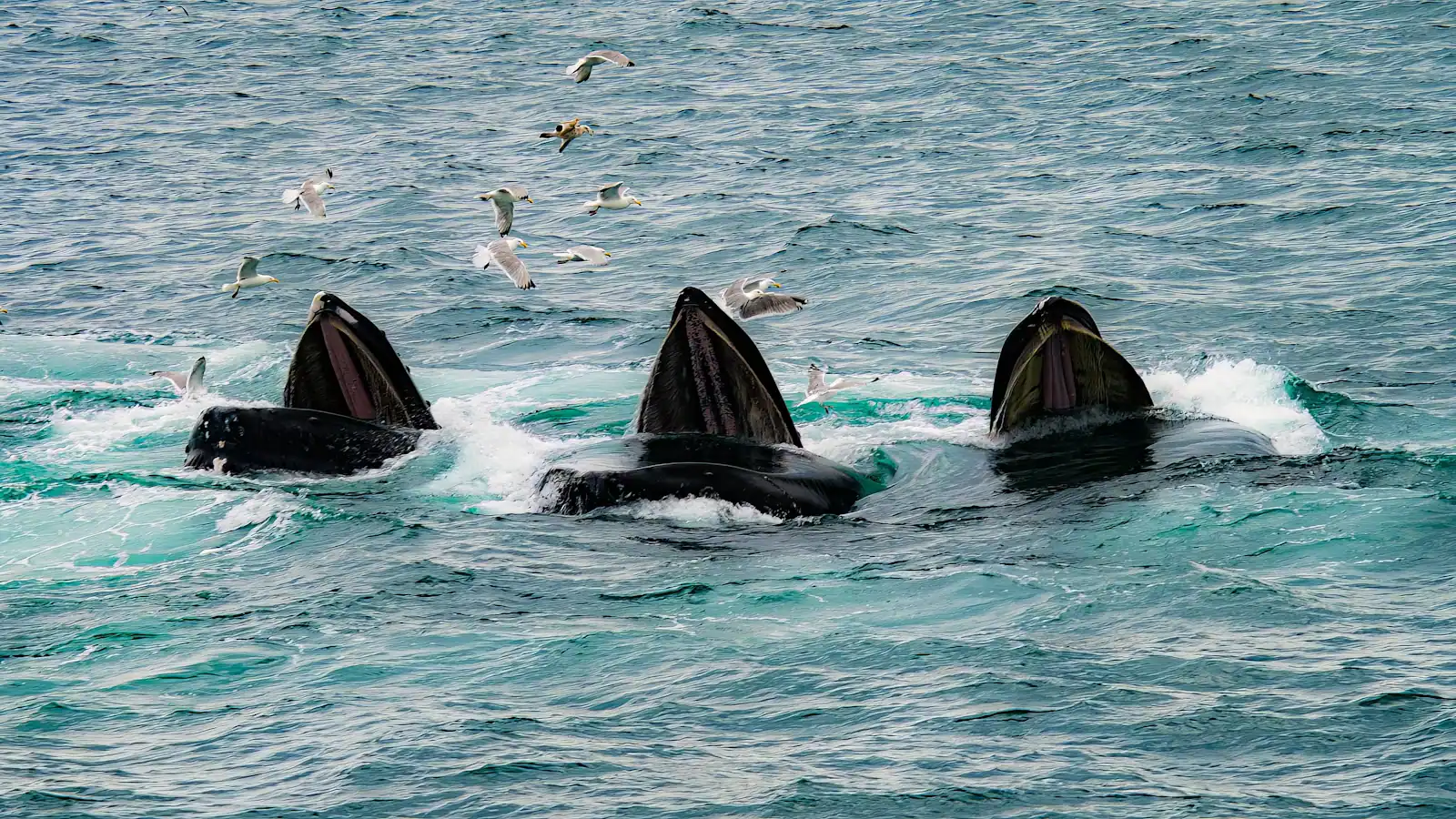
One more thing to fold into the plan. If you are already going to the trouble of boarding a boat, remember that a whale-watch trip out of Provincetown is a different and arguably better use of a day on the water, and it does not require a ferry reservation made in March.

Our picks

The ones we would book

  • Editor's Pick

    A guided Martha's Vineyard day from a Cape port

    Why we chose it

    The version that works best includes the crossing and island transport in one booking, because the thing that ruins an unguided day here is not the island but the connection at either end. Look for a trip that lands at Oak Bluffs or includes an island coach, and check how many hours you actually get ashore rather than how long the whole day is.

Martha's Vineyard in a day

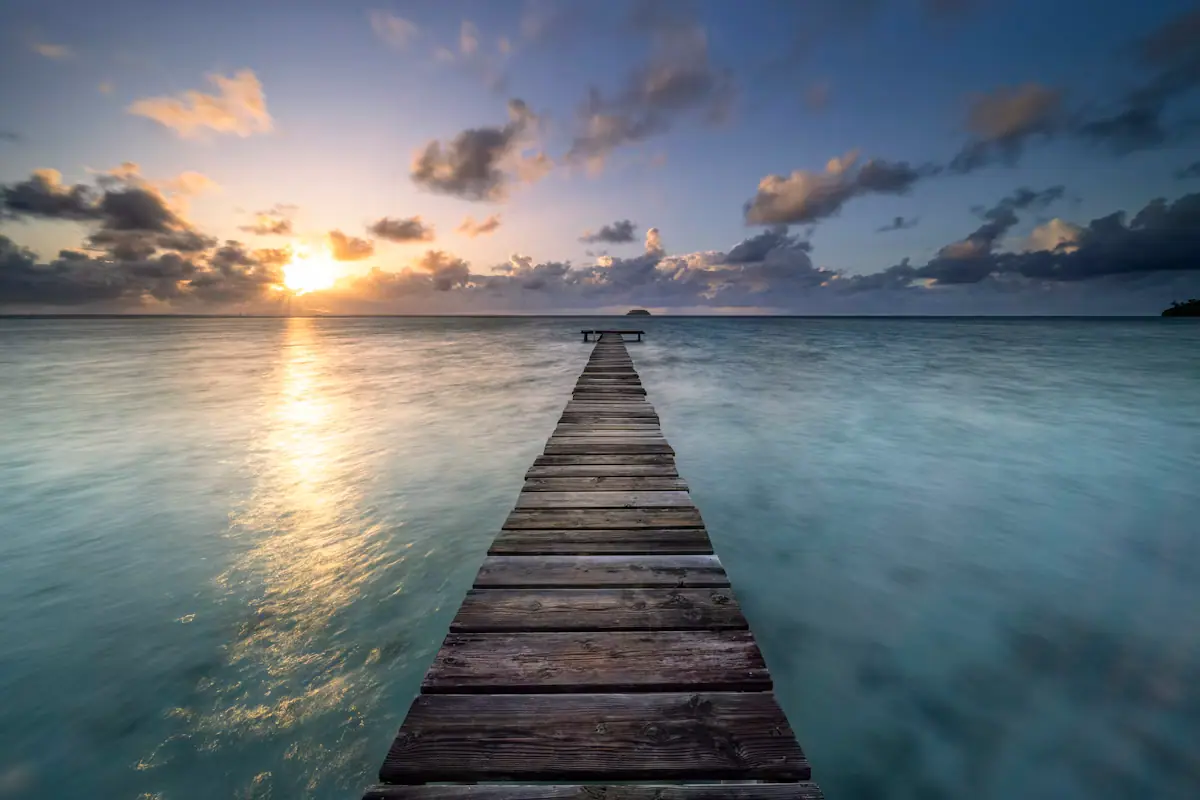
A long timber pier running out over calm water in low evening lightUnsplash
A long timber pier running out over calm water in low evening light

When to go

A Vineyard day trip from the Upper Cape is one of the better days available on this holiday, and it is easy to do badly by trying to see the whole island.

The island divides into down-island, meaning the three busier towns of Vineyard Haven, Oak Bluffs and Edgartown, and up-island, meaning West Tisbury, Chilmark and Aquinnah, which is rural, agricultural and much quieter. A day trip realistically covers down-island plus one up-island excursion, and not much more.

Oak Bluffs is the best arrival for a day visitor, and if a seasonal boat will land you there directly, take it. The town has the Campground, a dense circle of tiny carpenter-gothic cottages painted in improbable colours, built from the 1860s onward around a Methodist meeting ground and still privately owned and lived in. Walking those lanes is the single most distinctive twenty minutes on the island. Nearby stands the Flying Horses Carousel, dating from 1876 and generally described as the oldest operating platform carousel in the United States, where children still grab for a brass ring.

Edgartown is the whaling-money town: white clapboard captains' houses, a lighthouse at the end of a short causeway walk, and the little chain ferry across to Chappaquiddick that takes about a minute and has been running in some form for a very long time.

Aquinnah, at the far western end, has the clay cliffs, which sit on Wampanoag tribal land and are protected — admire them from the overlook and do not climb or take the clay. It is a long bus ride from the ferry and worth it if you have a full day.

And yes, Jaws was filmed here in 1974, largely around Edgartown and Menemsha, and the island has long since made peace with it.

Nantucket in a day, and whether it is worth it

Nantucket is thirty miles out into the Atlantic and it feels it. There is no mainland on the horizon in any direction, the fog comes and goes, and the light is different from the Cape's. It is also expensive in a way the Vineyard is not quite, and a day visitor should budget accordingly.

What makes it worth the crossing is that the whole of Nantucket Town is essentially preserved. The island was the pre-eminent American whaling port in the early nineteenth century, sending ships round Cape Horn on voyages measured in years, and then the industry collapsed: a great fire in 1846, the shift to petroleum, the loss of the deep-water advantage to New Bedford. The town stopped, poor and intact, for the better part of a century, and what survived is a district of cobbled streets and shingled houses now designated a National Historic Landmark.

The Whaling Museum on Broad Street, in an old spermaceti candle factory, is genuinely first-rate and holds a sperm whale skeleton. Allow two hours, more if the subject grabs you. Beyond the town, the shuttle buses run out to Siasconset, usually called Sconset, a village of rose-covered former fishing cottages at the eastern end, and to the beaches.

On the practicalities. Take the fast boat. An hour each way leaves you six or seven useful hours ashore; two and a quarter hours each way does not. Book the return leg on the same operator, arrive at the dock earlier than feels necessary, and be aware that the island's shops and restaurants are priced for people who arrived on a private aircraft.

The honest verdict: if you have one day and are staying anywhere down-Cape, the Vineyard is the easier and better day trip. Nantucket rewards an overnight far more than it rewards a dash.

The other ferries: Provincetown, Plymouth and the inter-island run

The islands are not the only boats leaving Cape ports, and two of the others are more useful than visitors realise.

The Boston to Provincetown fast ferry crosses Massachusetts Bay in around ninety minutes in season and lands at MacMillan Pier in the middle of the town. For anybody visiting Provincetown for the day from the mainland, or arriving on the Cape from Boston, it removes the worst drive on the peninsula in one move. A seasonal service also runs from Plymouth.

The inter-island service between Nantucket and Martha's Vineyard runs seasonally, which makes it possible to do both islands in one trip without doubling back to the mainland. It is the sort of routing that is either exactly what you needed or of no use at all.

Harbour and shuttle boats are a smaller category worth knowing about. The shuttle across Provincetown Harbour to Long Point saves a long walk over a stone breakwater. Seasonal boats run to Monomoy and to the outer beaches off Chatham for seal watching and beach drops, and those are covered on the relevant pages of this site.

A practical note on cycling. Bicycles travel on almost all of these boats for a small extra charge, and on the Cape that opens a genuinely good itinerary: ride the Shining Sea Bikeway from Falmouth down to Woods Hole, put the bike on the Vineyard ferry, and spend the day riding the island's paved paths. You arrive without a car, without a parking problem and with your own transport at the far end.

Booking the crossing without losing the morning

Local tips

  • Book passenger tickets ahead in July and August, even on services that often have space. It costs nothing to be certain and the queue at the window on a hot Saturday is long.
  • Book a vehicle the day summer reservations open, or accept that you are not taking a car.
  • Park where the operator tells you to. In Woods Hole in particular, the off-site lots with shuttle buses are not a suggestion, and hunting for a village space costs you the sailing.
  • Allow forty-five minutes at the terminal on a summer morning, more with a vehicle. Boarding closes earlier than you expect.
  • Match the port to where you are staying. Falmouth and Woods Hole for the Vineyard; Hyannis or Harwich Port for Nantucket. Driving an hour up-Cape to catch a boat is how a day trip turns into a commute.
  • Choose the fast boat for a day trip and the slow boat for an overnight. The traditional vessels are more comfortable, have proper decks and cost less; the catamarans buy you daylight.
  • Write down the last return sailing. This is the single most common way a day trip goes wrong.
  • Take cash for the island buses if you are not certain their fare system takes cards, and check whether a day pass is cheaper than singles, which it usually is.

Book it

Everything else we track

We could not find tours matching this right now

Nothing came back for Martha's Vineyard. Operators add and retire experiences constantly, so this list changes week to week. Try a broader category, or come back in a day or two.

Which port, which boat, how long

How they compare

Schedules and fares change every season, so check the operator before you travel. This is the shape of the network rather than a timetable.

FromToOperator typeCrossingCarries cars?
Woods Hole (Falmouth)Vineyard Haven, Martha's VineyardSteamship Authority, year-roundAbout 45 minutesYes, by reservation
Woods Hole (Falmouth)Oak Bluffs, Martha's VineyardSteamship Authority, roughly late May to late OctoberAbout 45 minutesYes, seasonally
Falmouth HarbourOak Bluffs, Martha's VineyardSeasonal passenger boatAround 35 minutesNo
HyannisNantucketSteamship Authority traditional vessel, year-roundAbout 2 hours 15 minutesYes, by reservation
HyannisNantucketHigh-speed passenger catamarans, seasonal and year-round depending on operatorAbout 1 hourNo
HyannisOak Bluffs, Martha's VineyardSeasonal high-speed passenger serviceAround 1 hourNo
Harwich PortNantucketSeasonal passenger boatAround 1 hour 15 minutesNo

Two structural facts worth holding on to. The Steamship Authority is the only operator that can take your car to either island, which means it is the only operator whose reservation system can ruin your summer. And the high-speed passenger boats are the ones that make a day trip realistic, particularly to Nantucket, where two hours fifteen each way on the traditional vessel eats most of the daylight.

Bicycles travel on the ferries for a small additional charge and are far and away the best way to arrive on either island without a car.

Leave the car on the mainland

Before you book

This is the most important advice on the page and the most often ignored.

Taking a vehicle to Martha's Vineyard or Nantucket in summer requires a Steamship Authority reservation, and summer reservations are released months ahead and are gone quickly. People set alarms for the release. The fare for a car is several times the passenger fare and rises with vehicle length. Miss the sailing you booked and you are at the mercy of standby.

Then there is what happens once you are there. Both islands have limited parking in their town centres, traffic that is genuinely bad in Edgartown and Vineyard Haven in August, and roads that were not designed for the volume. Nantucket's cobbled Main Street is not a place you want to be driving a hire car.

The alternatives are good. Martha's Vineyard has a public bus network connecting the six towns, running frequently in season, and taxis and rideshare operate. Nantucket has a seasonal shuttle system serving the main village, Sconset and the beaches. Both islands have bike hire within a few minutes' walk of the ferry docks, and both are flat enough that cycling is a genuine transport option rather than an ordeal.

The one case for a car is a week or more with a family, a lot of luggage and a rental house away from a town centre. Even then, book the space the moment the season opens.

If you must leave a car on the Cape, note that Woods Hole itself has almost no public parking. The Steamship Authority runs off-site lots further up the Upper Cape with shuttle buses to the terminal, and in season you will be directed to them whether you planned to use them or not. Build an extra thirty to forty-five minutes into your morning for the shuttle.

Fog, wind and the day the boat does not sail

Before you book

Ferries here cancel, and the reasons are seasonal.

Fog is the classic early-summer problem. Warm, humid air moving over water that is still cold produces dense sea fog across Nantucket Sound, most often in June, and it can sit for a day or more. Modern vessels navigate in it, but schedules slow and high-speed services are the first to be suspended because they cannot run at speed with restricted visibility.

Wind takes out the smaller and faster boats first. A hard northeasterly across the Sound produces a short steep sea that the catamarans will not run in, while the larger traditional vessels keep going and simply have a horrible crossing.

Winter storms reduce the network to the year-round Steamship Authority routes, and even those miss sailings.

What to do about it:

  • Do not plan your island day for the last day of your holiday. Leave a spare day, exactly as you would for a whale trip.
  • Check the operator's alerts page on the morning you sail, not the night before.
  • If you have a flight to catch, do not put a Nantucket day trip in front of it. Thirty miles of open water is a long way to be stuck.
  • Keep the return sailing time written down, because the last boat is earlier than most people assume, particularly on the shoulder-season schedules in May and October.
  • Take a warm layer even in August. Deck seating on a Sound crossing is colder than the town you left, and the fast catamarans are air-conditioned to suit their engineers.

One more: if a sailing is cancelled and you are on a walk-on ticket, you are usually rebooked easily. If you had a vehicle reservation, you are in a much more difficult conversation. Another reason to leave the car.

On the ground

Where to go

Every place below has its own page — hours, parking, what it costs and what to expect when you get there.

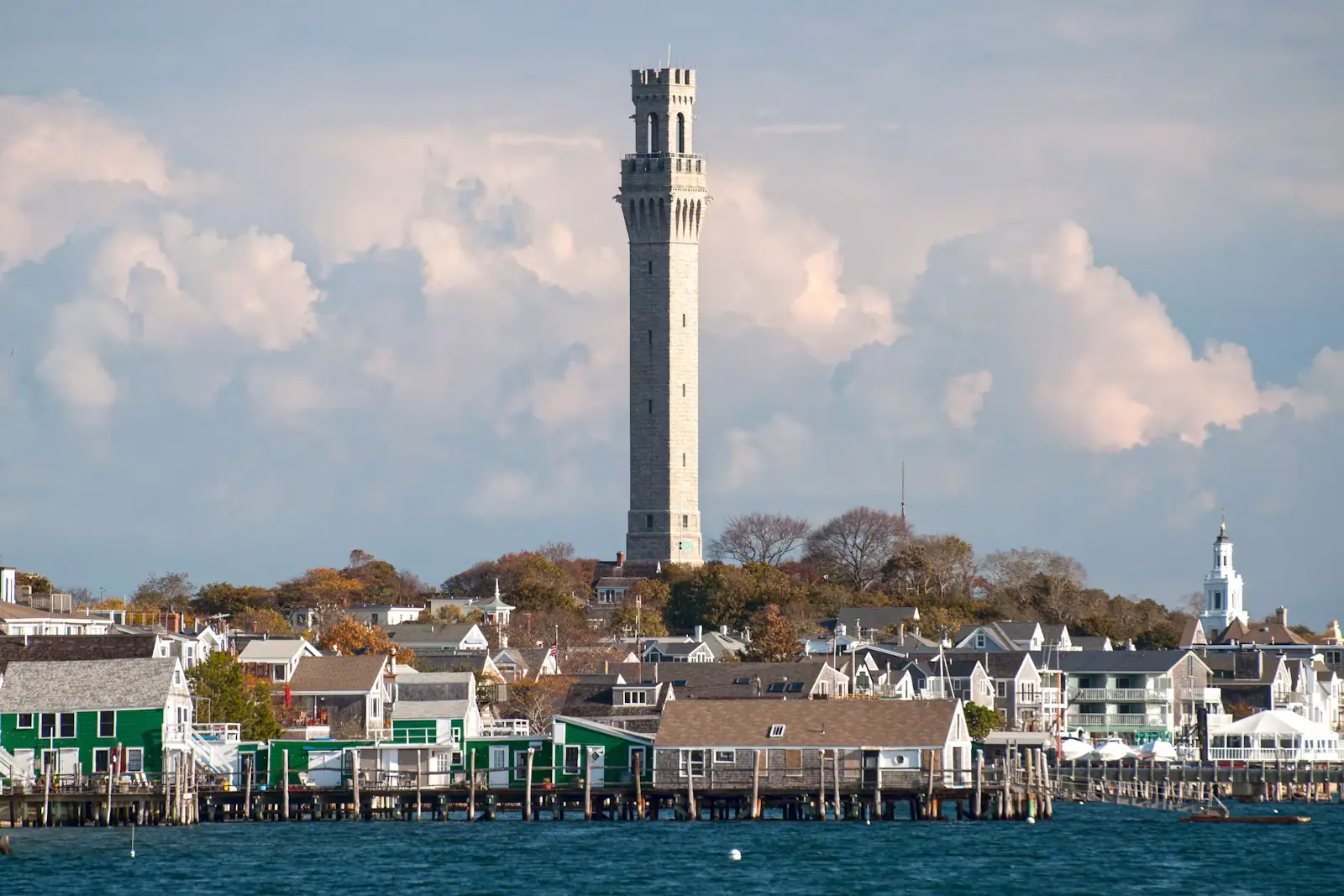
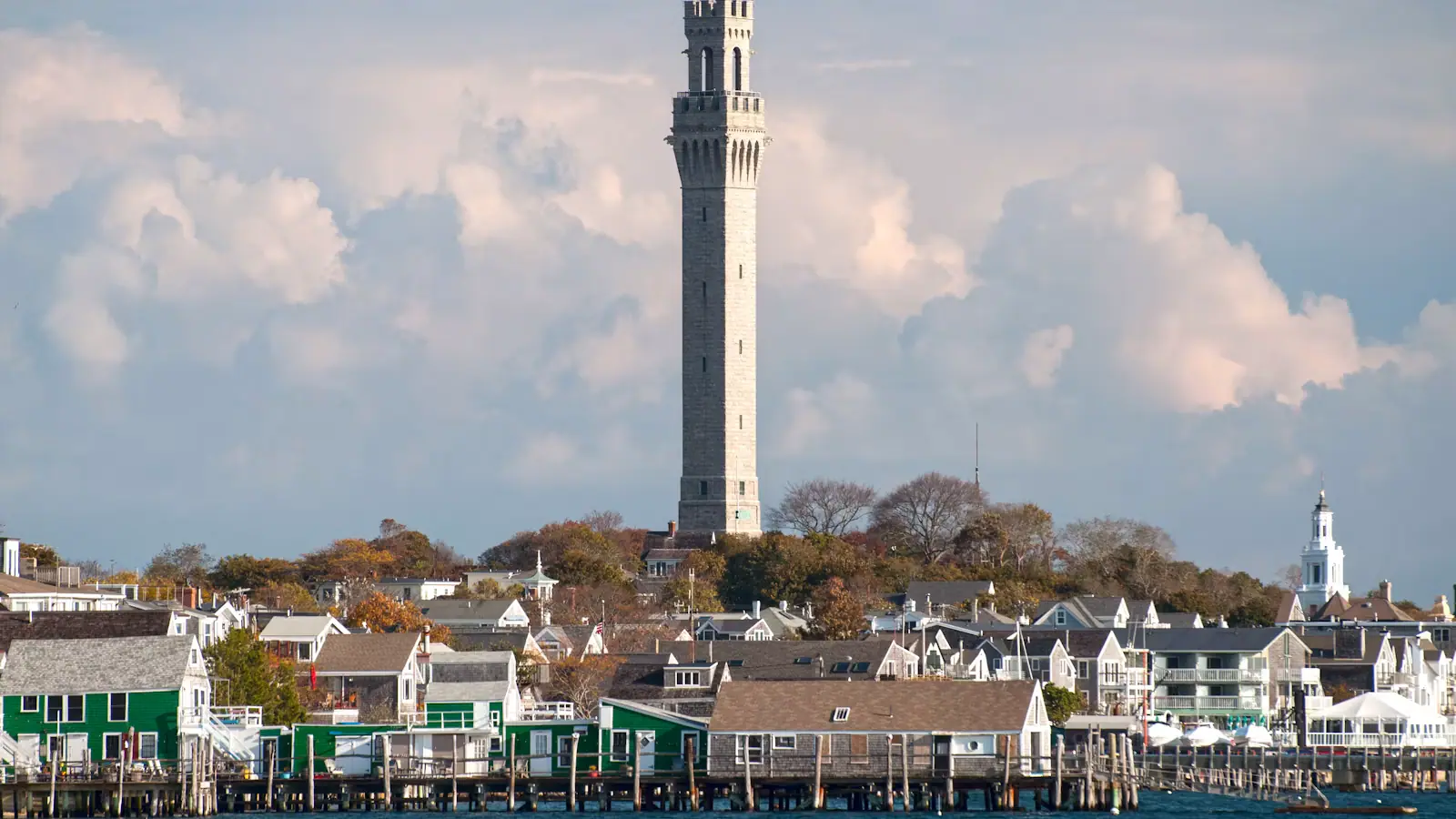
  • The granite tower of the Pilgrim Monument rising above Provincetown's rooftops beside the harbour

    Neighbourhood

    Free

    Provincetown

    Three thousand people in winter and sixty thousand in August: a fishing port, an art colony since the 1890s, and unlike anywhere else.

    4–12 hoursFree to visit. Parking, ferries, the monument and tours are charged separately.

  • Small boats moored on calm water in a sheltered harbour at Chatham, Massachusetts

    Neighbourhood

    Free

    Chatham

    The town at the Cape's elbow, where a barrier beach has broken open three times since 1987 and rebuilt the shoreline each time.

    3–8 hoursFree to visit. Town beach lots require a Chatham parking sticker in season.

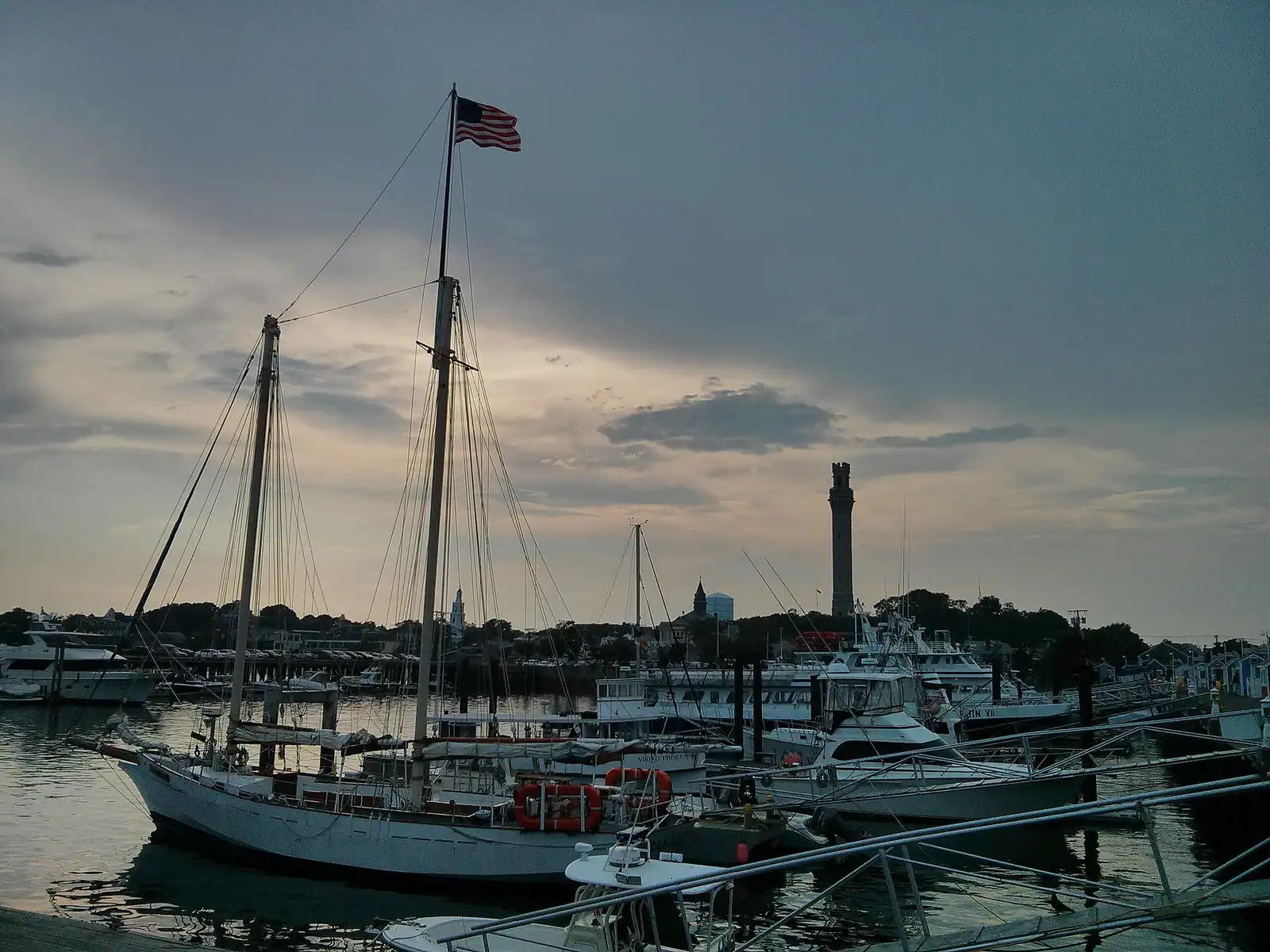
  • Fishing and excursion boats tied along a pier in Provincetown Harbor with the town behind them

    Marina

    Free

    MacMillan Pier

    One working pier carrying the Boston ferries, fifteen whale-watch boats and a fishing fleet — and the departure point for Stellwagen Bank.

    0.5–4 hoursFree to walk. Whale-watch trips, ferries and parking are charged separately.

  • A paved pathway running between green grass under an overcast sky

    Water feature

    Free

    Cape Cod Canal

    A 7.4-mile federal waterway with a car-free paved service road down each bank: the flattest, most reliable cycling on Cape Cod.

    1–4 hoursFree. The service roads on both banks are open to walkers and cyclists at no charge.

  • Coloured glass bottles in red, yellow and green arranged on a black metal rack on Cape Cod

    Neighbourhood

    Free

    Sandwich

    Settled in 1637, the Cape's oldest town, and the first thing you reach after the Sagamore Bridge rather than the last.

    3–8 hoursFree to walk. The mill, the historic houses and the museums each charge separately.

  • Rows of boats moored in a marina basin on flat water at first light

    Neighbourhood

    Free

    Woods Hole

    Eight hundred and thirty-four residents, several of the world's leading marine research institutions, and almost nowhere to leave a car.

    2–5 hoursFree to walk, and the Woods Hole Science Aquarium is free. Ferries and some exhibits are paid.

  • A paved pathway running between green grass under an overcast sky

    Neighbourhood

    Free

    Falmouth

    The Cape's second-largest town, reached over the Bourne Bridge without ever joining the Route 6 queue.

    3–8 hoursFree to visit. Town beach lots require a Falmouth sticker or daily fee in season.

  • Rows of boats moored in a marina basin on flat water at first light

    Neighbourhood

    Free

    Hyannis

    The Cape's only working downtown: island ferries, an airport, a hospital and a Main Street that stays open in February.

    2–8 hoursFree to walk. Ferries, cruises, concerts and museum admission are separately priced.

Straight answers

Questions people actually ask

How do you get from Cape Cod to Martha's Vineyard?

The main route is the Steamship Authority ferry from Woods Hole, at the tip of Falmouth, which takes about forty-five minutes and runs year-round to Vineyard Haven and seasonally to Oak Bluffs. It is the only service that carries vehicles. Seasonal passenger-only boats also run from Falmouth Harbour to Oak Bluffs in around thirty-five minutes and from Hyannis in about an hour. Book ahead in July and August.

How long is the ferry from Hyannis to Nantucket?

About an hour on the high-speed passenger catamarans, and about two hours fifteen minutes on the traditional Steamship Authority vessel that carries vehicles and freight. For a day trip the fast boat is the only sensible choice, because it leaves you six or seven useful hours ashore instead of three or four. A seasonal passenger boat also runs from Harwich Port in around an hour and a quarter.

Should you take a car to Martha's Vineyard or Nantucket?

Almost certainly not. Only the Steamship Authority carries vehicles, summer reservations are released months ahead and sell out quickly, the fare is several times the passenger fare, and parking on both islands is limited and the traffic is bad in August. Martha's Vineyard has a good island bus network, Nantucket has seasonal shuttles, and both have bike hire minutes from the dock. Take a car only for a long family stay in a remote rental.

Where do you park for the Woods Hole ferry?

Not in Woods Hole, which has almost no public parking. The Steamship Authority operates off-site lots further up the Upper Cape with shuttle buses running to the terminal, and in season you will be directed to one whether or not you planned to use it. Allow an extra thirty to forty-five minutes for the shuttle on a summer morning, and considerably more if you are travelling with a vehicle reservation.

Can you do Nantucket as a day trip from Cape Cod?

Yes, but only really on the fast ferry from Hyannis, and it is tight. An hour each way gives you six or seven hours ashore, which covers the historic town, the Whaling Museum and lunch, with a shuttle out to Sconset if you move briskly. It is also expensive. If you have one day and are staying down-Cape, Martha's Vineyard is the easier trip; Nantucket rewards an overnight much more.

Do Cape Cod ferries get cancelled?

Regularly enough to plan around. Dense sea fog over Nantucket Sound is the classic early-summer problem and suspends high-speed services first, because they cannot run at speed in restricted visibility. Strong northeasterly wind takes out the catamarans while the larger traditional vessels keep sailing in an uncomfortable sea. Check the operator's alerts on the morning you travel, and never schedule an island day immediately before a flight.

Can you take a bike on the Cape Cod ferries?

Yes, on effectively all of them, for a small charge on top of the passenger fare, and it is the best way to arrive on either island. Both Martha's Vineyard and Nantucket are flat enough for casual riders and have paved paths running out of the ferry towns. A good itinerary is to ride the Shining Sea Bikeway from Falmouth down to Woods Hole, put the bike on the boat and spend the day riding the island.

Which is better, Martha's Vineyard or Nantucket?

They answer different questions. Martha's Vineyard is much larger, has six distinct towns and a rural up-island interior, is closer to the Cape and is the easier and cheaper day trip. Nantucket is thirty miles out, smaller, flatter and almost entirely preserved as a nineteenth-century whaling town, with an outstanding whaling museum and higher prices throughout. For a first visit and a single day, take the Vineyard.