Short term availability
Cape Cod Explorer Tour (opens in a new tab)
RideAway Adventures has been awarded the best tours on Cape Cod 12 years in a row. We have the only fully ACA certified guide staff on…
2 hours
Prices checked
Neighbourhood
Last updated
Three thousand people in winter and sixty thousand in August: a fishing port, an art colony since the 1890s, and unlike anywhere else.
Photo: Carol M. HighsmithPublic domain
Provincetown occupies the last two miles of the Cape, at the point where the hook curls back on itself, and it is not like the rest of the peninsula in any respect. The year-round population was 3,664 at the 2020 census. In August the town holds something in the region of sixty thousand people. About seventy-three per cent of its land is inside the Cape Cod National Seashore, which means the town itself is squeezed onto a narrow strip between the harbour and a wall of dunes, and cannot grow.
Everything here runs along Commercial Street, laid out at twenty-two feet wide in 1835 and never widened since. It runs three miles, it is one-way for most of its length, and on an August evening it carries galleries, drag performers with flyers, families with ice creams, delivery vans, cyclists and a slow procession of people who have given up on their cars — all in a space that was designed for a horse.
Three histories are stacked on top of each other and all three are still live. The Mayflower anchored in this harbour in November 1620, and the Mayflower Compact was signed here before the ship moved on to Plymouth. A Portuguese fishing community, largely Azorean, built the town that followed and still sends boats out of MacMillan Pier. And from the 1890s it became an art colony — Charles Hawthorne opened the Cape Cod School of Art in 1899, the Provincetown Art Association followed in 1914, the Fine Arts Work Center in 1968 — which drew writers and theatre people and, in time, made it the best-known LGBTQ+ resort town in the United States.
The 2010 census recorded the highest concentration of same-sex couples of any municipality in the country here, at 163.1 per thousand households.
By road, US-6 runs the length of the Outer Cape and ends here. Allow about an hour and three-quarters from the Sagamore Bridge outside the summer and considerably more on a July Friday, when the whole region is queueing for the same two canal crossings.
By sea is better. Seasonal fast ferries cross from Boston in roughly ninety minutes and from Plymouth in less, landing at MacMillan Pier in the centre of town, which removes the parking problem entirely and is often faster door to door than driving from Boston in August.
Provincetown Municipal Airport sits behind the dunes with short scheduled hops to Boston, seasonal and subject to fog.
Within the town, walk or cycle. Commercial Street is three miles end to end, mostly one-way and twenty-two feet wide, and a car is a liability rather than an asset between June and September.
This is the single best piece of advice about Provincetown, and it is worth more than any restaurant recommendation.
The town is at the end of a one-road peninsula, its streets are early nineteenth century, and in summer parking is both expensive and genuinely hard to find. The municipal lot by the pier fills, the metered spaces turn over slowly, and circling Commercial Street looking for a space is a bad way to spend an hour of a holiday.
Out of season, none of this applies and you can park outside the restaurant.
The light is the standard explanation and it is not marketing. Provincetown sits on a narrow spit with water on three sides, and the reflected light off the harbour and the bay is unusually even and unusually bright, which is why Charles Hawthorne set up an outdoor painting school here in 1899 and why students followed him in numbers.
By the 1910s the town had a summer art population large enough to support several schools, and in 1914 the artists founded what is now the Provincetown Art Association and Museum, which still occupies its site on Commercial Street with a permanent collection and a serious exhibition programme. The Provincetown Players staged Eugene O'Neill's early work here in a converted fish house on a wharf. The Fine Arts Work Center, founded in 1968, still runs seven-month fellowships for writers and visual artists through the winter, which is a large part of why the town has a creative life in February at all.
What that means for a visitor is that the galleries on Commercial Street are not all souvenir shops. Some are, and they are obvious. Behind them is one of the longest continuously working art colonies in the United States, and the East End galleries are where to look.
The Provincetown Public Library, in a former church with a half-scale fishing schooner built into the upper floor, is the oddest free building in town.
Provincetown's calendar is sharp and the difference between weeks is enormous.
Carnival, in the third week of August, is the town's biggest event: a themed parade down Commercial Street and a week of associated parties, with the town full and accommodation booked months out. Women's Week in October is the other anchor, and there are film, theatre, jazz and Portuguese festivals through the season. The Portuguese Festival and Blessing of the Fleet in late June is the one that connects the modern town to the fishing one, and the boats at the pier are dressed for it.
Book accommodation for any of these a long way ahead and expect minimum-night rules.
The other Provincetown runs from November to April. A few dozen restaurants close, the galleries go to weekends or shut entirely, the ferry stops, and the town returns to about three thousand people, a fishing fleet and a lot of wind. It is bleak, cheap and rather wonderful, and a fair number of people prefer it.
May, early June and the second half of September are the compromise everyone who can choose their dates takes: the town is open, the boats are running, and you can get a table.
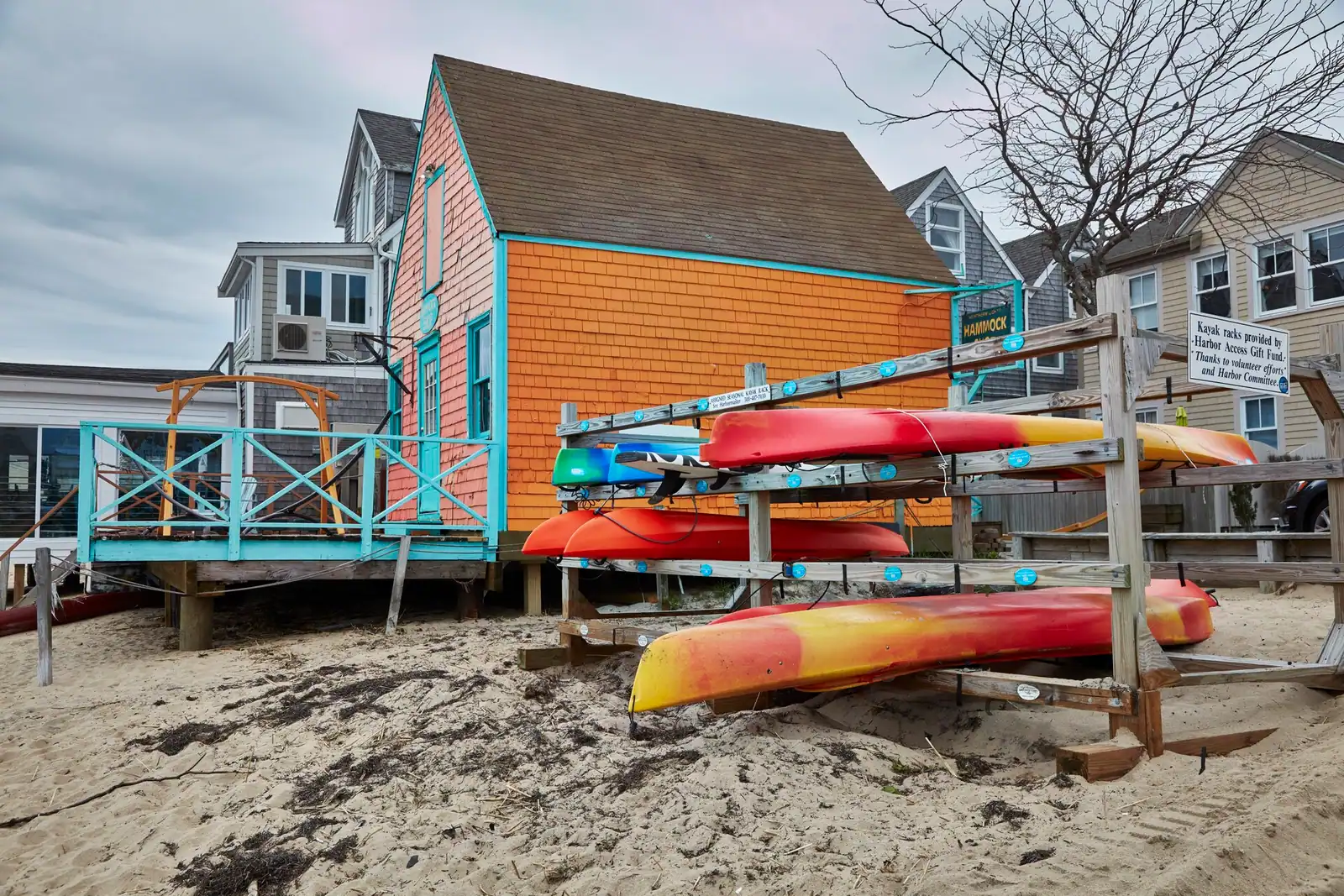
Most day visitors walk Commercial Street, eat, and go. The town is small enough that the rest is fifteen minutes away.
None of this costs anything beyond a beach fee.
Operators run these trips past Provincetown, or stop there as part of a longer route. We list what the booking data supports — not everything that mentions the name.
Bookings here go through Viator, who pay us a commission. You are charged the same either way, and the commission had no say in this list.

Short term availability
RideAway Adventures has been awarded the best tours on Cape Cod 12 years in a row. We have the only fully ACA certified guide staff on…
2 hours
Prices checked

Walking Tours
Taste your way through the heart of Cape Cod on a relaxed, flavor-packed food tour through Chatham’s most iconic streets and hidden gems…
3 hours
Prices checked

Walking Tours
Toast to Ptown’s past on a Commercial Street stroll blending craft cocktails and bohemian history. Perfect for drink lovers and history…
1–2 hours
Prices checked

Private Sightseeing Tours
Ready to taste Ptown? Lace up for a 2-hour trek through history and coastal rebel lore. You’ll track the footsteps of Anthony Bourdain and…
2 hours
Prices checked
Straight-line distances, so allow more on the road — the island is long and has one main parkway.

Landmark
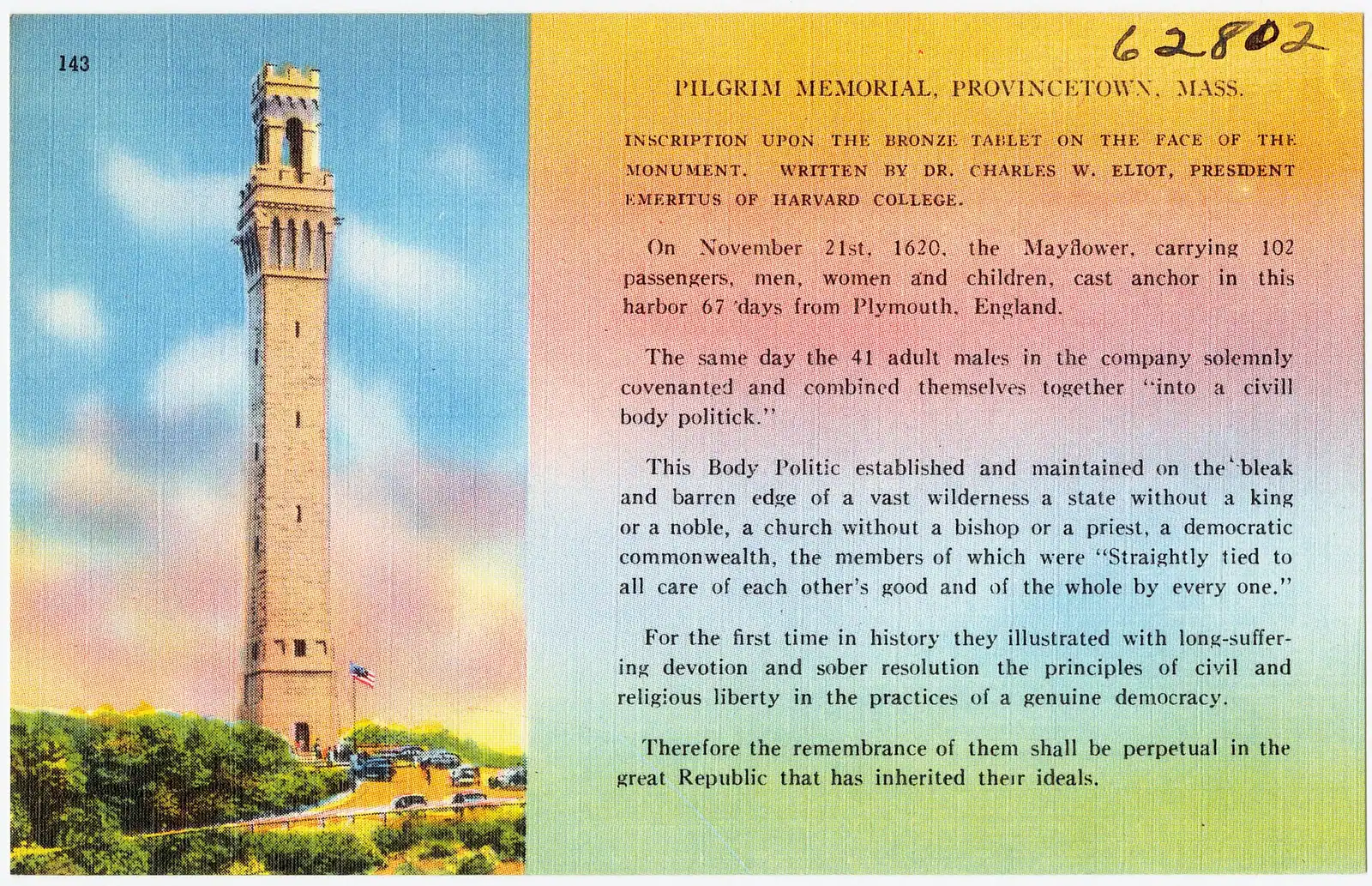
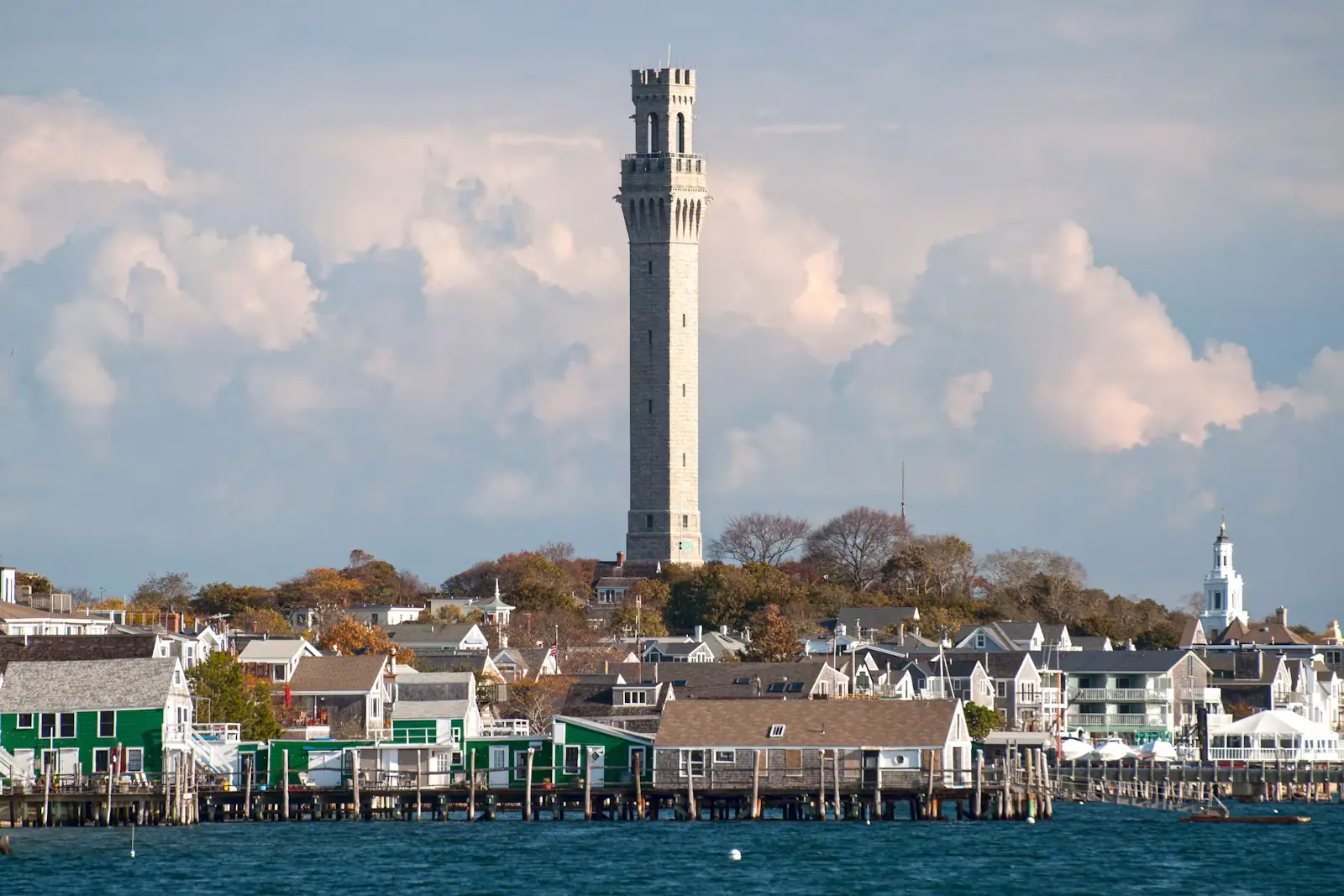
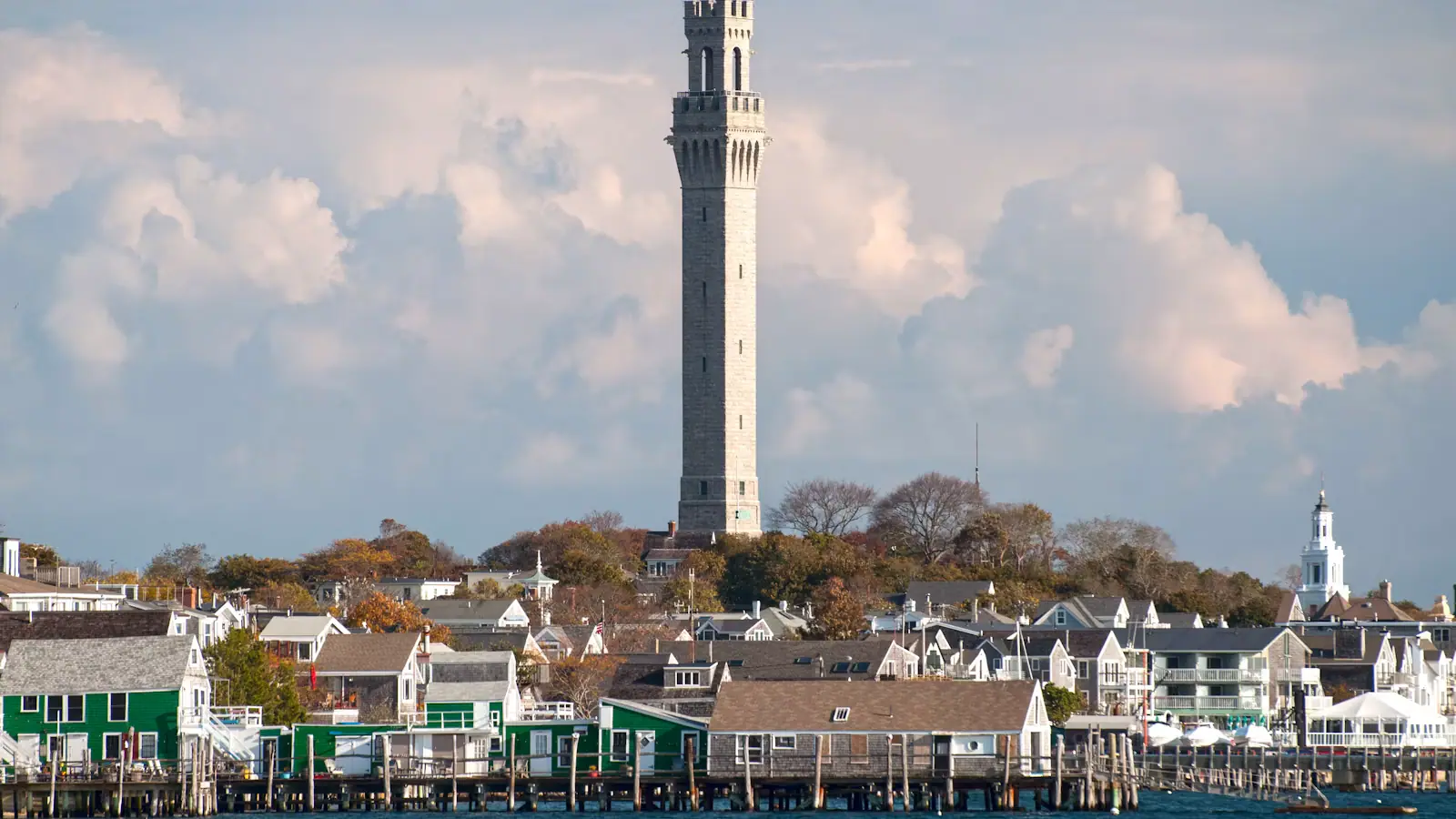
A 252-foot granite campanile modelled on a Tuscan town hall, climbed by ramps, with the best view of Cape Cod's geography from anywhere.
1–2 hoursPaid admission covering both the tower climb and the Provincetown Museum. The grounds are free.310 ft away

Marina
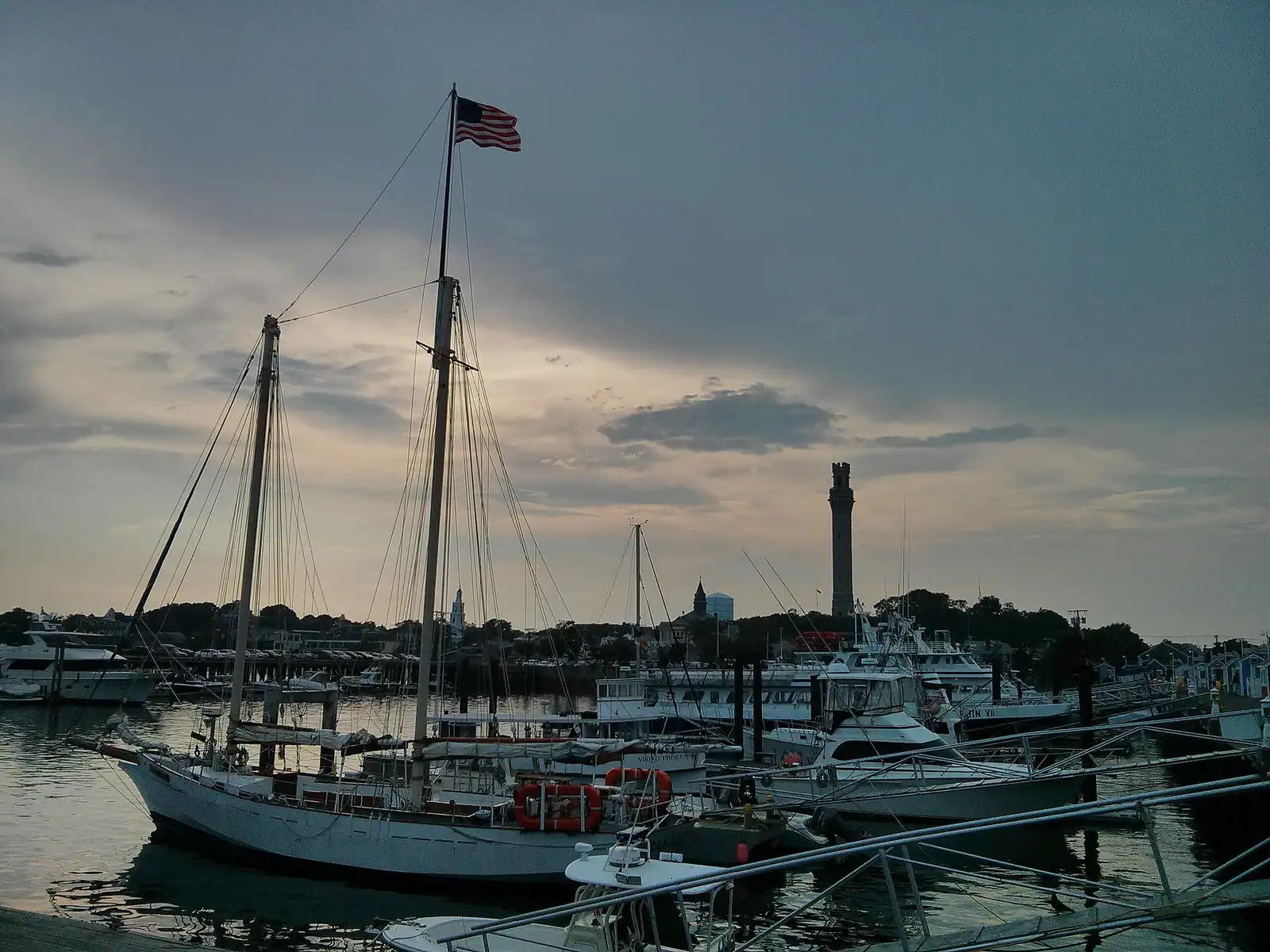
One working pier carrying the Boston ferries, fifteen whale-watch boats and a fishing fleet — and the departure point for Stellwagen Bank.
0.5–4 hoursFree to walk. Whale-watch trips, ferries and parking are charged separately.0.3 mi away

Beach
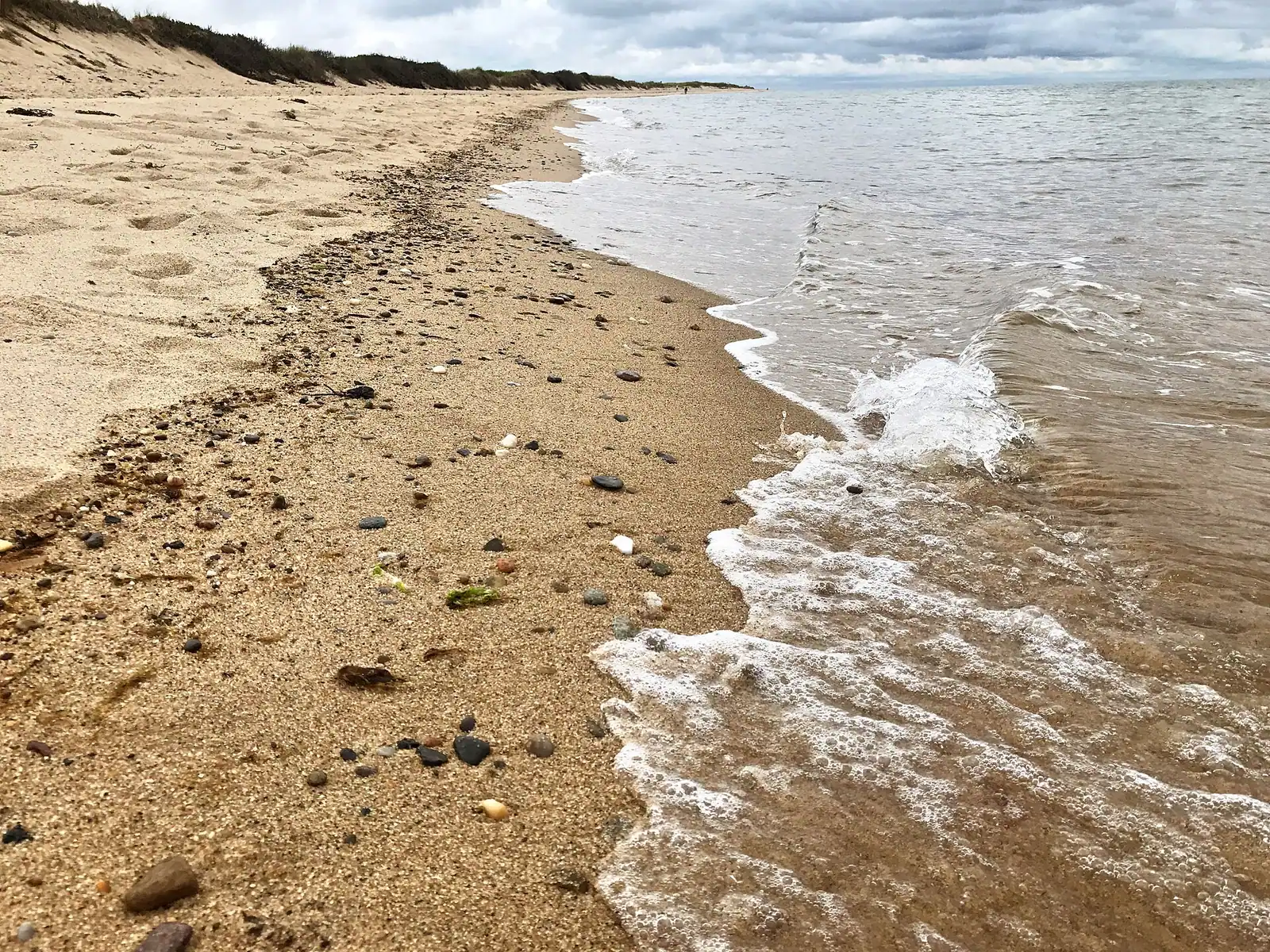
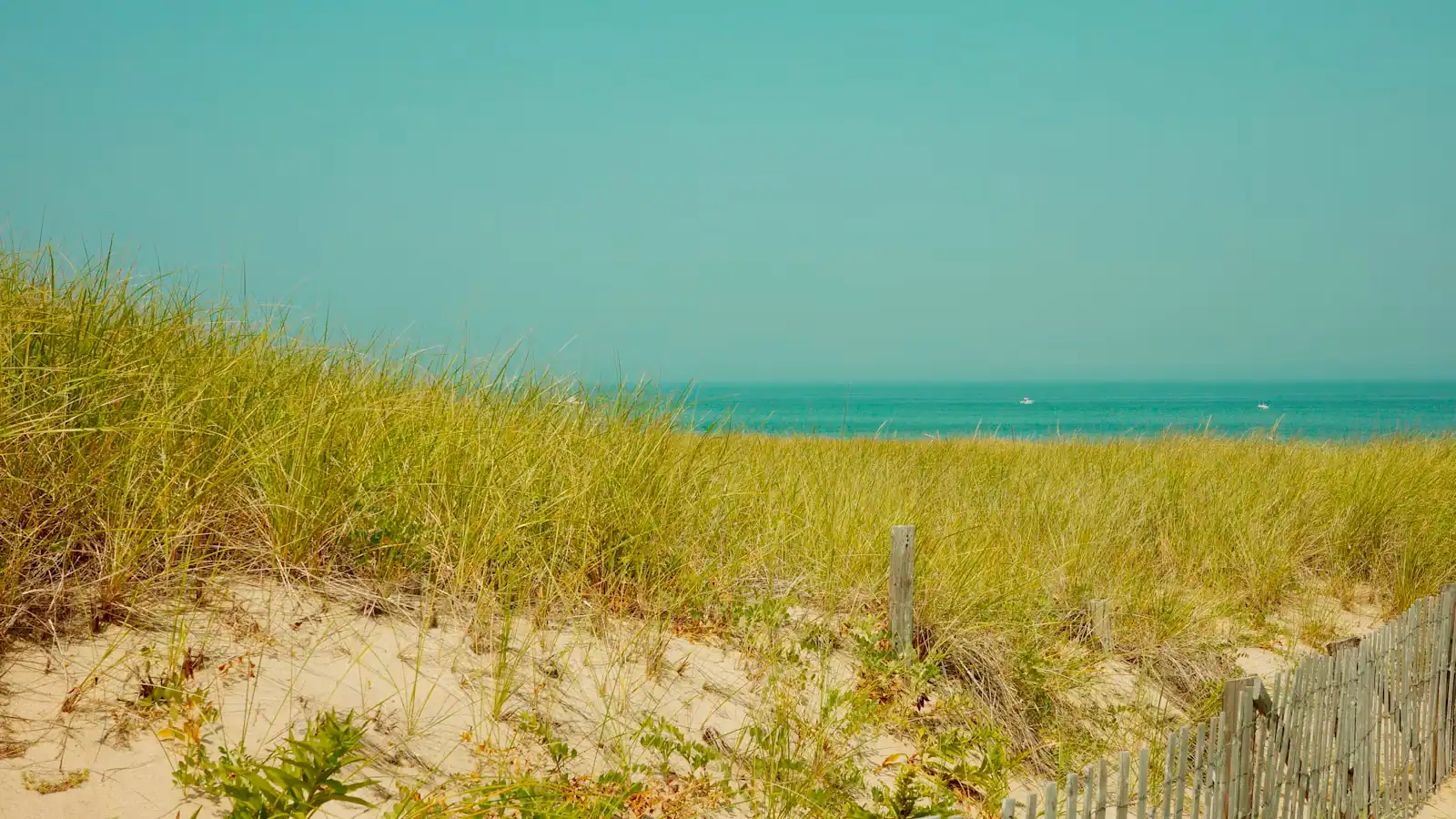
The only park beach on the bay side: warmer water, no shore break, no staircase, and a sunset that draws a crowd with folding chairs.
2–5 hoursNational Seashore fee: $25 per vehicle per day, or $15 per person on foot or by bicycle.2.2 mi away

Beach
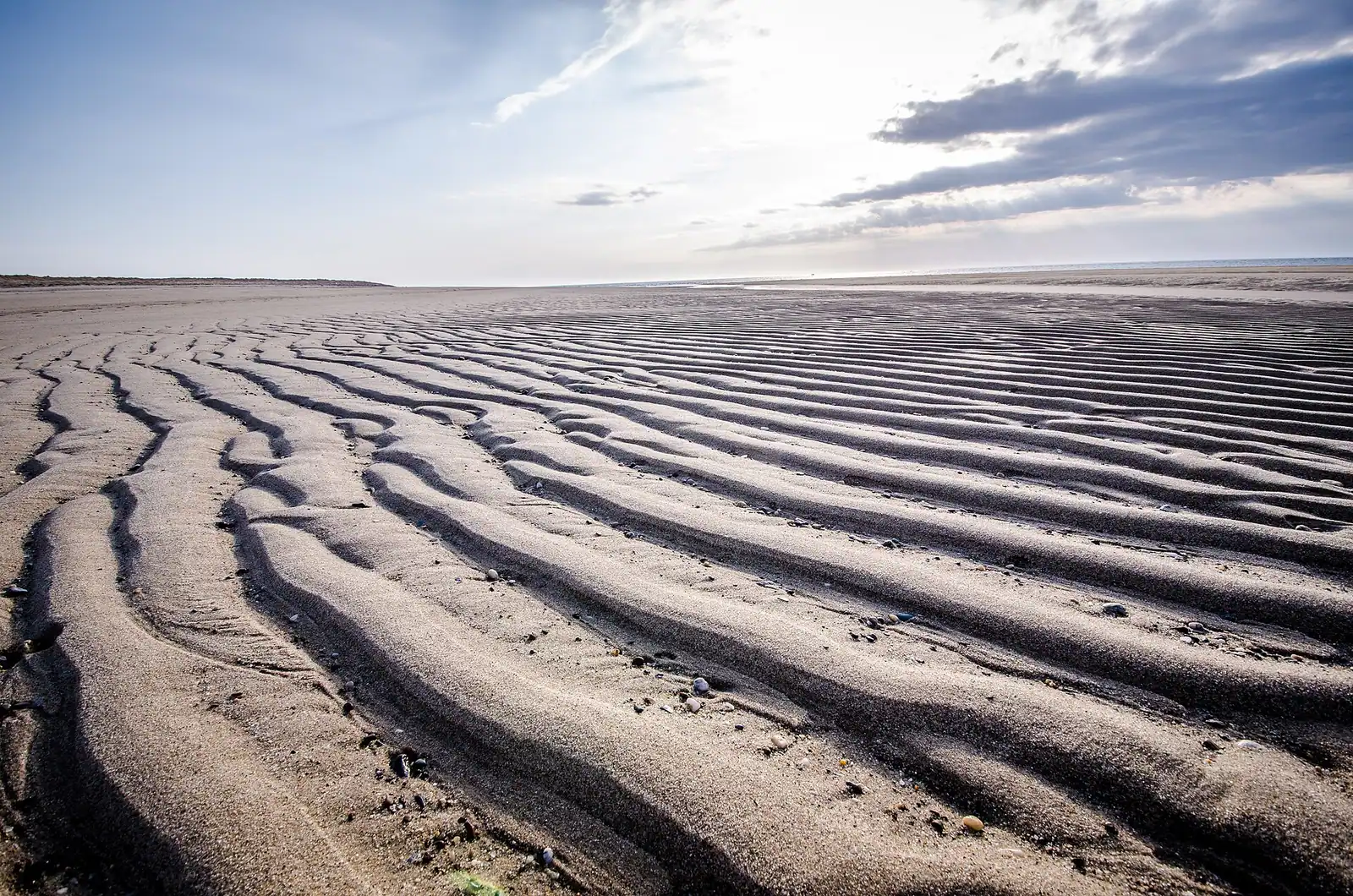
The beach at the outside of the fist, facing north into deep water — the one place on the Cape where whales are visible from a towel.
2–6 hoursNational Seashore fee: $25 per vehicle per day, or $15 per person on foot or by bicycle.3.1 mi away
Where this place fits into a day, and the pages that plan one.

Guide hub
Cape Cod is a hook, and the most useful question you can answer before booking anything is where on that hook you intend to stand. The peninsula…

Guide hub
Cape Cod does not really do attractions in the ticketed sense. There is no aquarium the size of a shopping centre, no theme park, no observation…

Guide hub
Ask somebody who has been coming here for thirty years where to stay and they will not answer with a town. They will ask you two questions first…

Guide hub
Provincetown is where the Cape runs out. The peninsula curls north, then west, then back on itself into a spiral of sand, and the town sits in the…

Who it suits
Cape Cod is a better place for two people than for twenty, and it is at its best in the months when families cannot come. That is not a consolation…

Guide
Three thousand six hundred people in February and sixty thousand in August, at the end of a road with no alternative. How you arrive decides how much of the day you keep.
8 min readNadia Petrakis

Guide
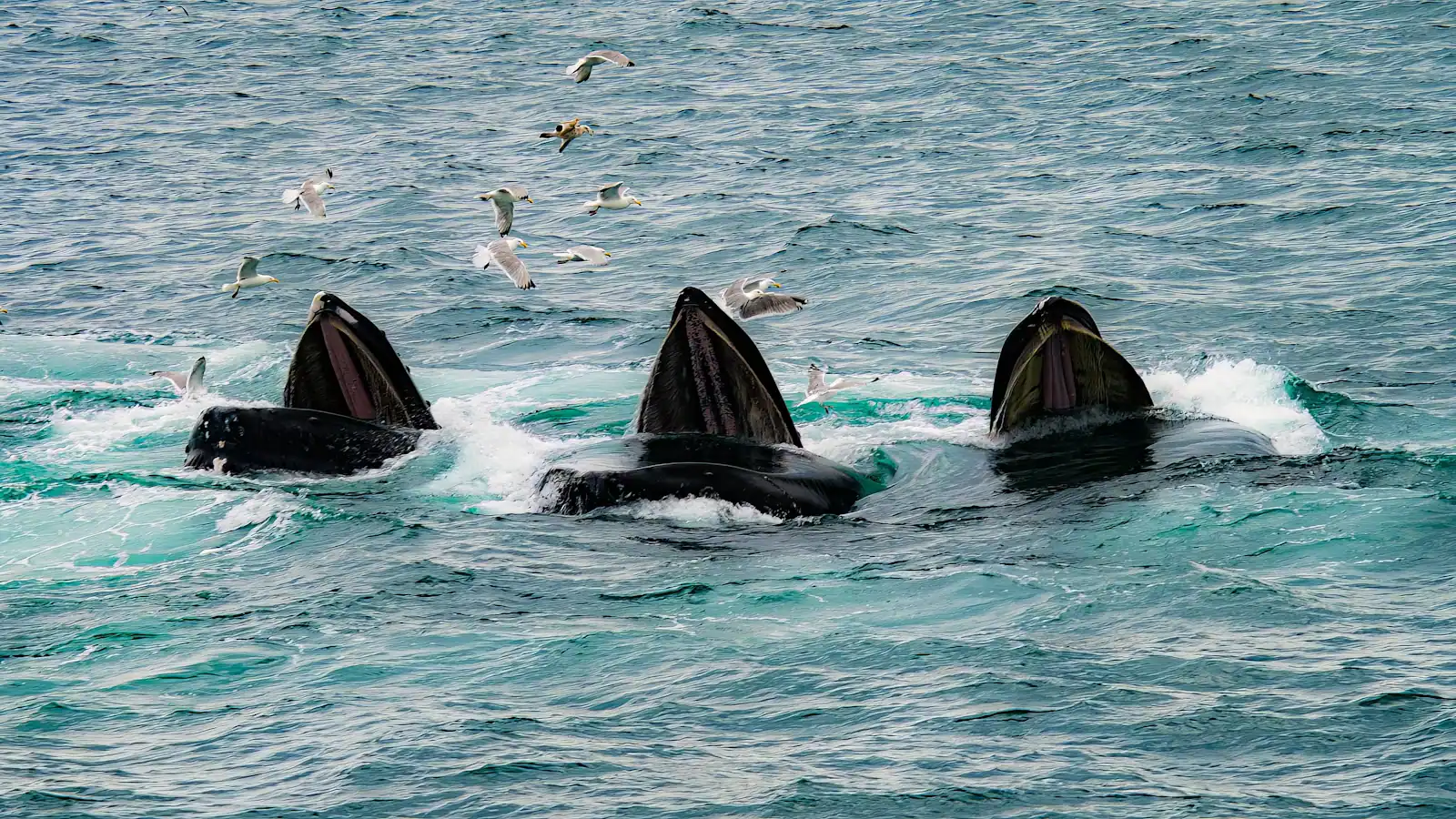
The whales are five miles off Race Point because a glacier left a sandbank there. Which pier you sail from decides how much of your trip is spent looking at open water.
9 min readSilas Crowell

Guide
Most first trips here are decided badly at the booking stage. Pick the stretch of the hook and the coast before you pick the cottage, and the rest of the week arranges itself.
8 min readMargaret Thorne
It is the most distinctive town on Cape Cod and the least like the rest of it. Three thousand people live here year-round and roughly sixty thousand are in town on an August day, packed onto a strip between the harbour and the National Seashore dunes. You get a working Portuguese fishing fleet, an art colony running continuously since the 1890s, the country's best-known LGBTQ+ resort scene, the whale watch fleet and two National Seashore beaches, all within walking distance of one pier.
Take a ferry. Seasonal fast ferries cross from Boston in about ninety minutes and from Plymouth in less, landing at MacMillan Pier in the centre of town. From there the whale watch boats, bike hire, restaurants and the Pilgrim Monument are a short walk, and a seasonal shuttle runs out to the National Seashore beaches. In August this is frequently faster door to door than driving from Boston, and it removes the parking problem completely. Book weekend sailings ahead.
Carnival falls in the third week of August and is the town's biggest event of the year, built around a themed parade down Commercial Street with a week of associated parties. Accommodation books out months in advance and minimum-night rules apply across the town. Women's Week in October is the other major date, and the Portuguese Festival with the Blessing of the Fleet in late June connects the modern town to its fishing history. Exact dates are announced each year.
Partly, and it is a different town. A large share of restaurants, galleries and guesthouses close from late October until April, the seasonal ferries stop running, and the population falls back to around three thousand. What stays open is a small year-round core, the fishing fleet, and the National Seashore, which is free out of season. If you want empty dunes, cheap rooms and seals on an empty beach, it is excellent. If you want a choice of restaurants, it is not.