Skip to content
Search
Menu

Bookings here go through Viator, who pay us a commission. You are charged the same either way, and the commission had no say in this list.

Things to Do

What to Do on Cape Cod When It Rains

Last updated

What to do on Cape Cod when it rains, sorted by where you are staying. The museums are on the Upper and Mid Cape; the Outer Cape has Provincetown and fog.

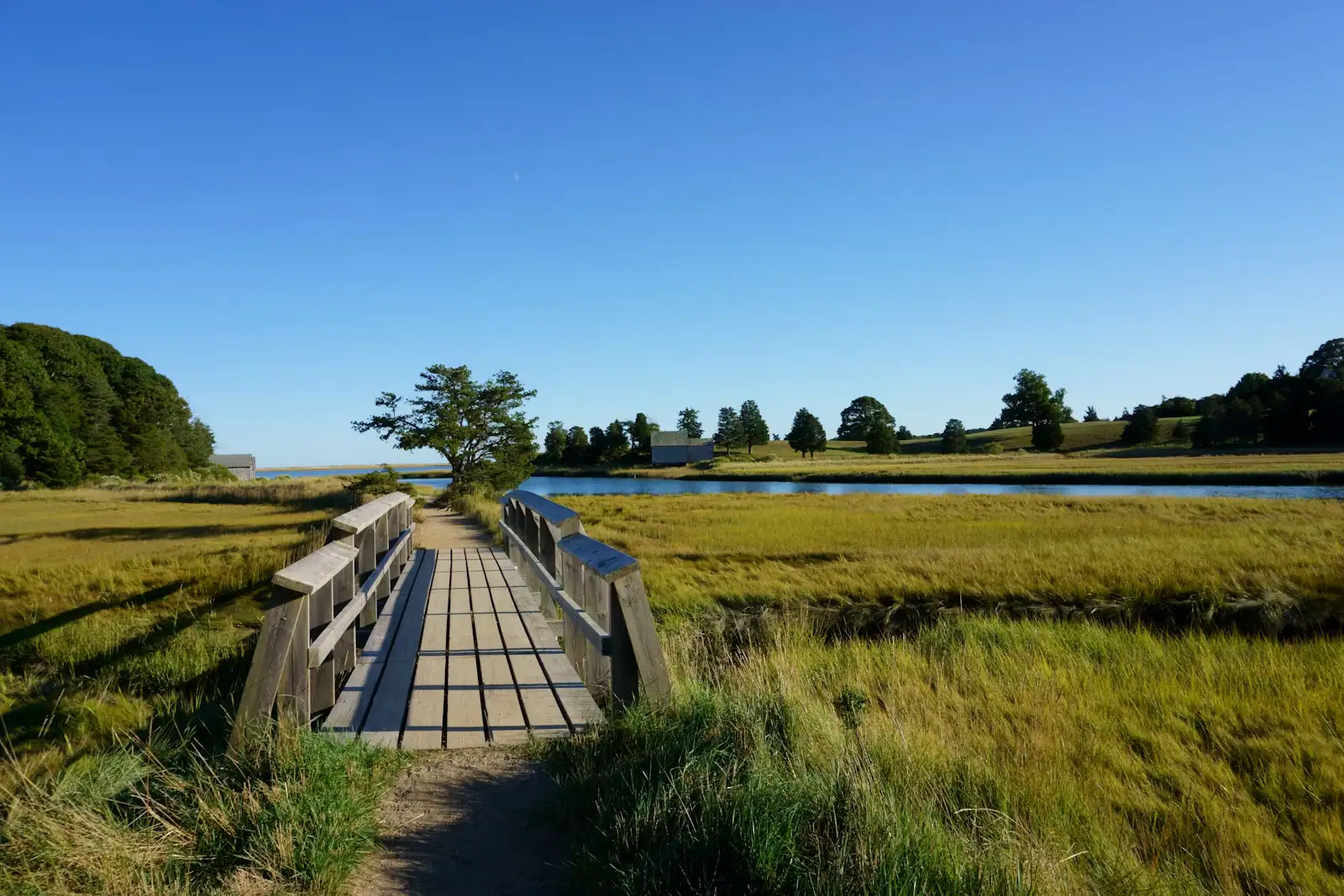
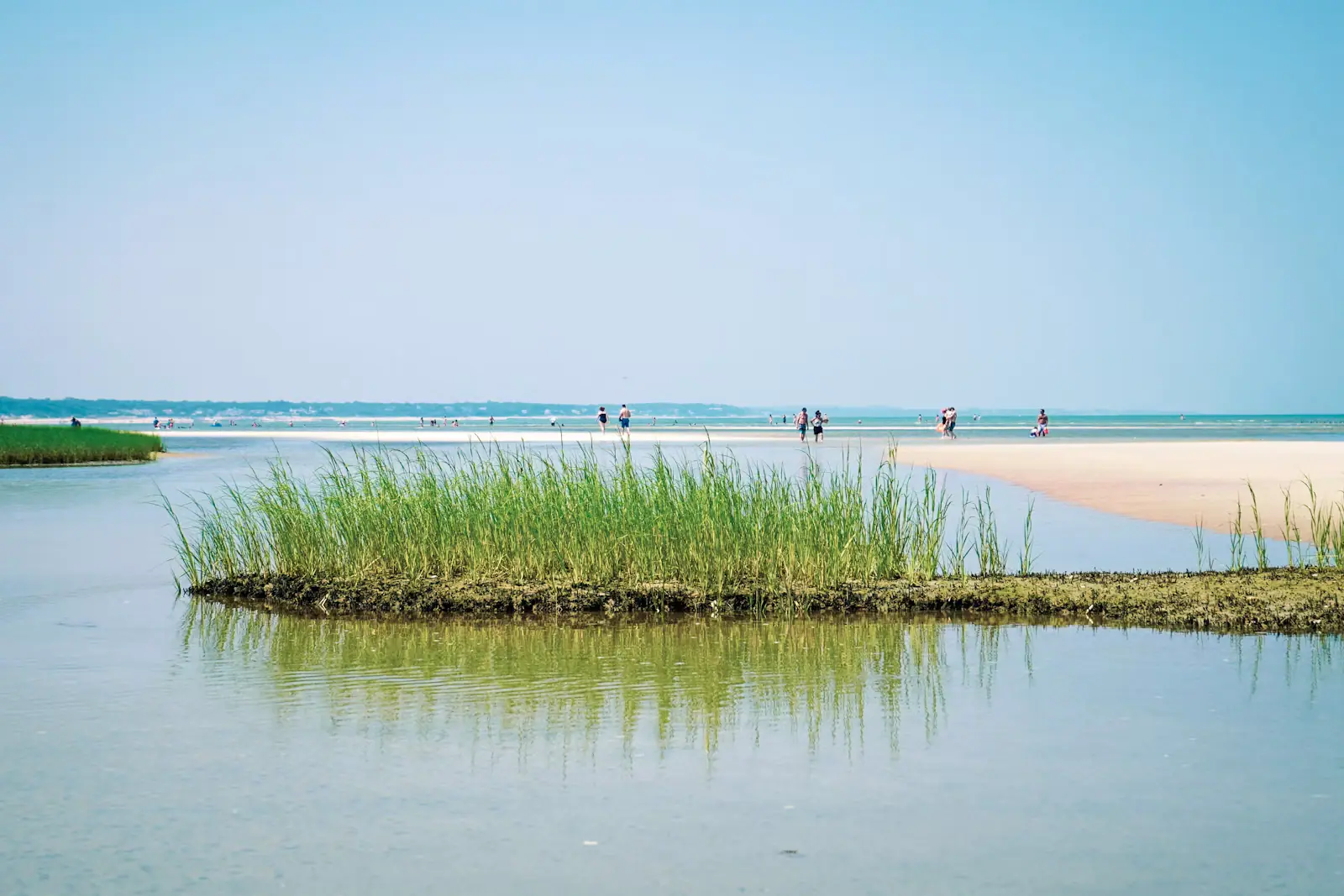
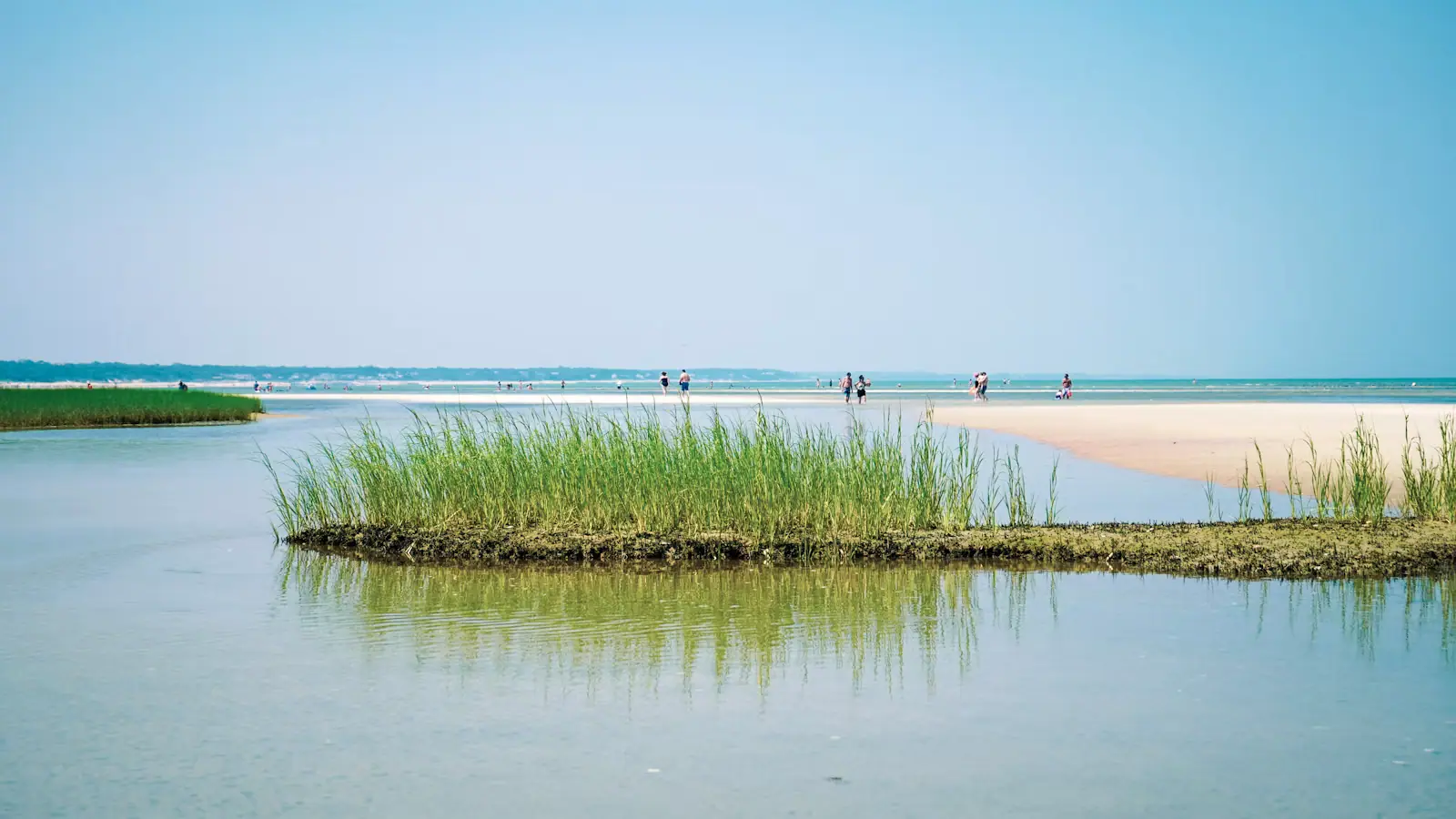
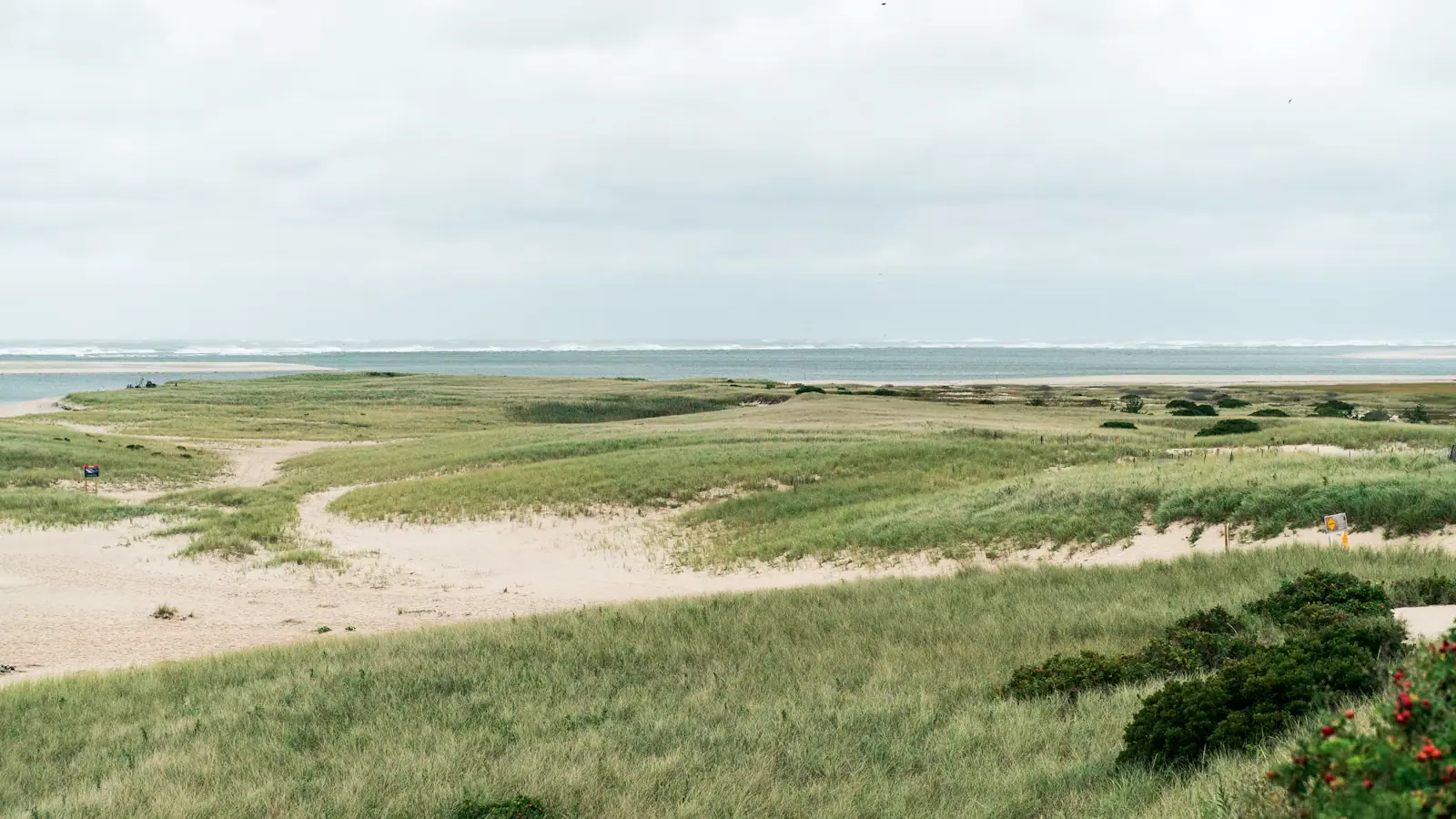
Salt marsh grass and a winding tidal channel under a wide overcast sky on Cape CodUnsplash

Rain on Cape Cod does not behave the way beach-holiday rain is supposed to. There is no wet season here and no dry one. The peninsula gets something like forty-three inches a year and it falls fairly evenly across the months, which means you cannot plan around a monsoon window or a predictable afternoon downpour that clears by five. What you get instead is a whole grey day, a few times a month, in any season, arriving with a low that has come up the coast and staying put.

There is a second kind of lost day that is more particular to this place, and visitors are rarely warned about it: fog. The Cape sits in cold water, and when warm air comes over it on a southwest wind, fog forms fast and sits. On the Outer Cape it can be bright and clear at Route 6 and completely white at Coast Guard Beach a mile away, for the whole day. That is not rain, but it ends a beach plan just as effectively, and it is common enough in summer to plan for.

The awkward part is where the indoor options are. Cape Cod's museums, galleries and cinemas cluster on the Upper and Mid Cape — Sandwich, Hyannis, Yarmouth, Dennis, Brewster, Falmouth — and the Outer Cape, which is where most people go for the beaches, has almost nothing indoors outside Provincetown. If you are staying in Truro, a wet day means either a forty-minute drive north to Provincetown or an hour and more west to Hyannis. There is no way round that, and knowing it in advance is the difference between a good decision at nine in the morning and three hours in the car.

The good news is that several of the Cape's best attractions happen to be indoor ones, and the two National Seashore visitor centres are free, warm and genuinely worth an hour. Add an oyster bar, a bookshop on Route 6A, a candlepin bowling alley and a cinema, and a grey day here is no great hardship.

And one more thing: on this coast, weather is an attraction in its own right. A winter storm driving surf at the outer shore is a reason people travel here. The rules for watching one safely are at the bottom of this page, and they matter.

The museums that are actually worth the day

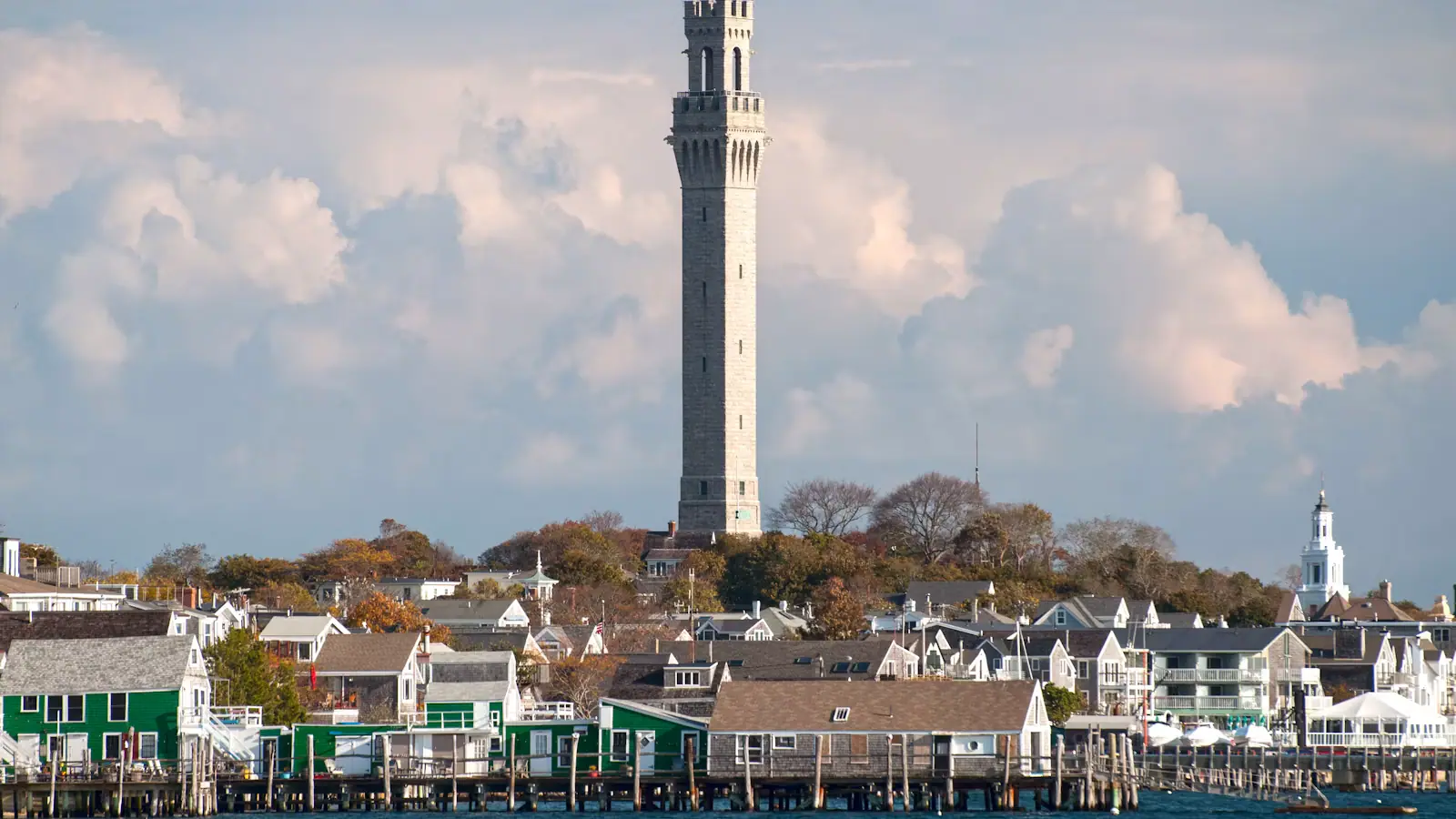
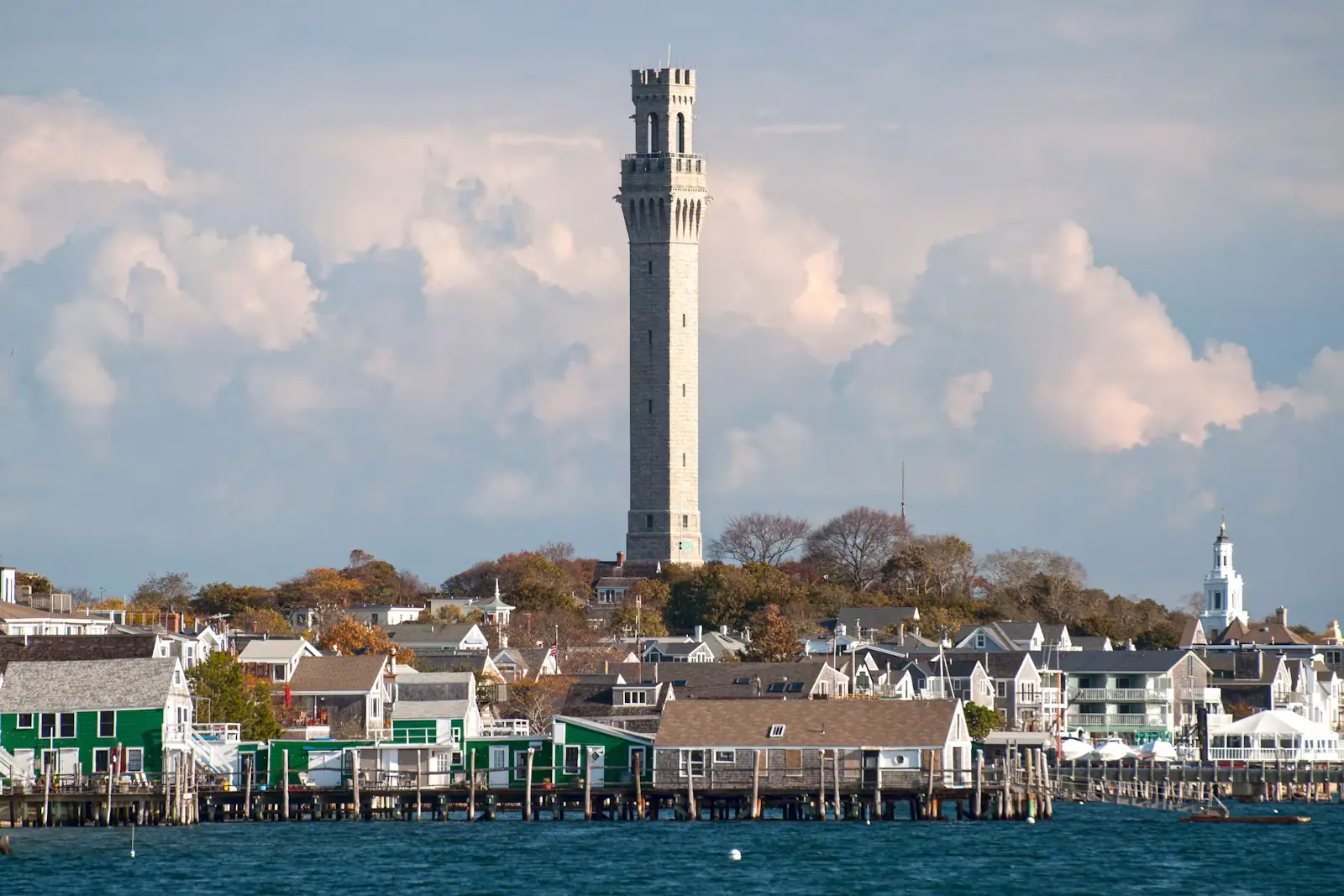
The granite tower of the Pilgrim Monument rising above Provincetown's rooftops beside the harbourUnsplash
The granite tower of the Pilgrim Monument rising above Provincetown's rooftops beside the harbour

Heritage Museums and Gardens, Sandwich. The Cape's biggest cultural site, and the strongest single wet-day option: changing galleries, an American automobile collection in a round barn, a working antique carousel, and a hundred acres outside for when it clears. Allow half a day.

Sandwich Glass Museum. The Boston and Sandwich Glass Company made this the Cape's one genuine industrial town through much of the nineteenth century. The cases are fine; the reason to go is the live glassblowing, which holds an audience of any age.

JFK Hyannis Museum. Photographs and film rather than objects, covering the Kennedy family's summers in Hyannis Port. The compound itself is private and not visible from any road, so this is the whole of what can be seen.

Cape Cod Museum of Natural History, Brewster. Small, thoughtful, and perfectly sited on the marsh. If the rain eases, its own trail runs from the back door out toward the bay flats.

Whydah Pirate Museum, West Yarmouth. Built around a real wreck: a slave ship turned pirate flagship lost off Wellfleet in a storm in 1717 and found in the 1980s. Conservation work on recovered material is visible on site, which is the interesting part.

Provincetown Art Association and Museum. The Cape's serious art institution, holding work from an artistic community that has been here since 1898.

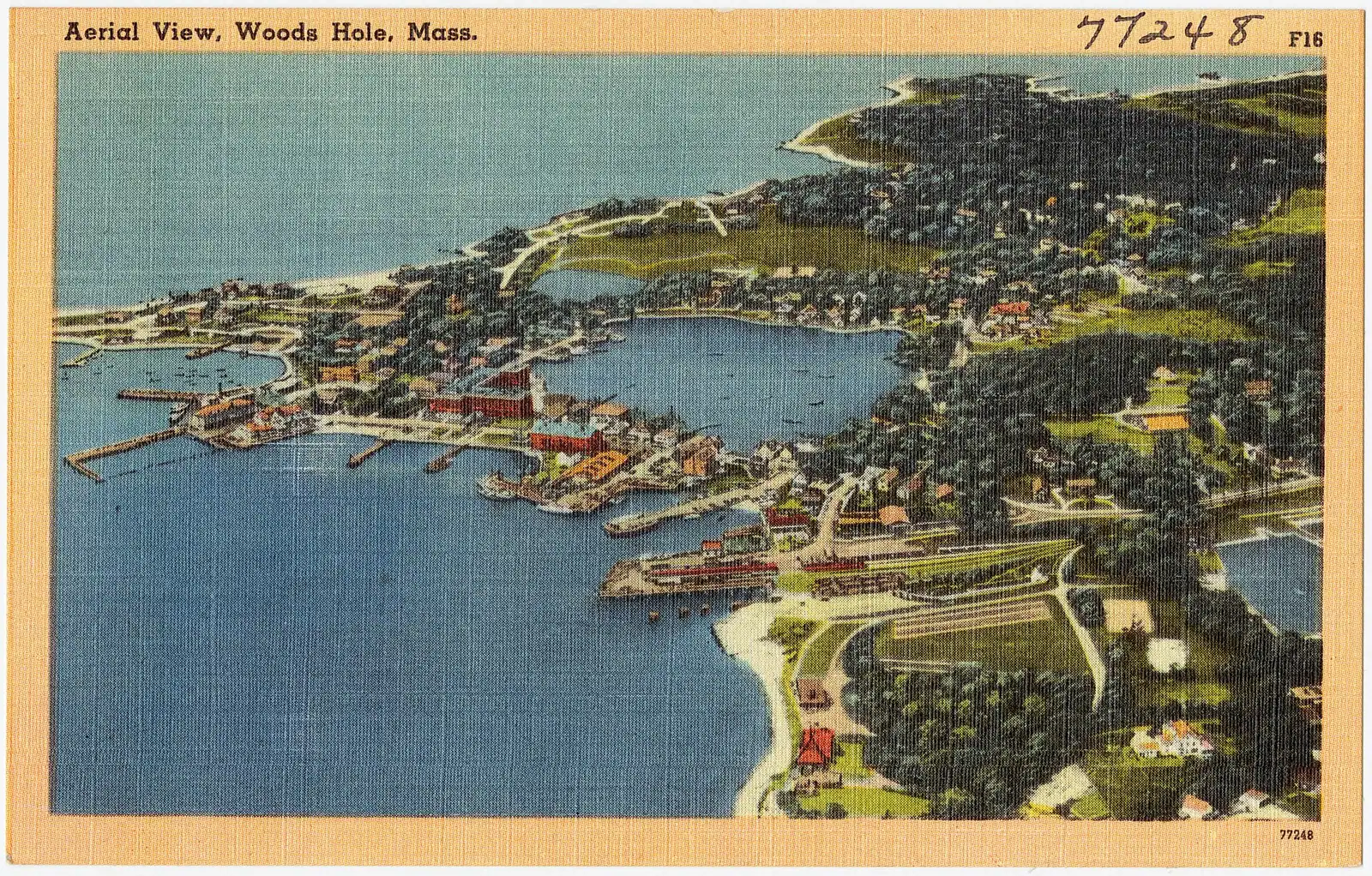
Woods Hole. A small federal aquarium with local species and rescued seals, alongside ocean science exhibits from the research institution next door. A very good hour on the Upper Cape.

The National Seashore visitor centres, Salt Pond in Eastham and Province Lands in Provincetown, are free, warm, indoors, and have films and exhibits worth an hour. They are the cheapest wet-day answer on the Outer Cape.
Provincetown is the Cape's best wet day

If you are anywhere on the Outer Cape when the weather goes, drive to the tip rather than west, because Provincetown was built for this.

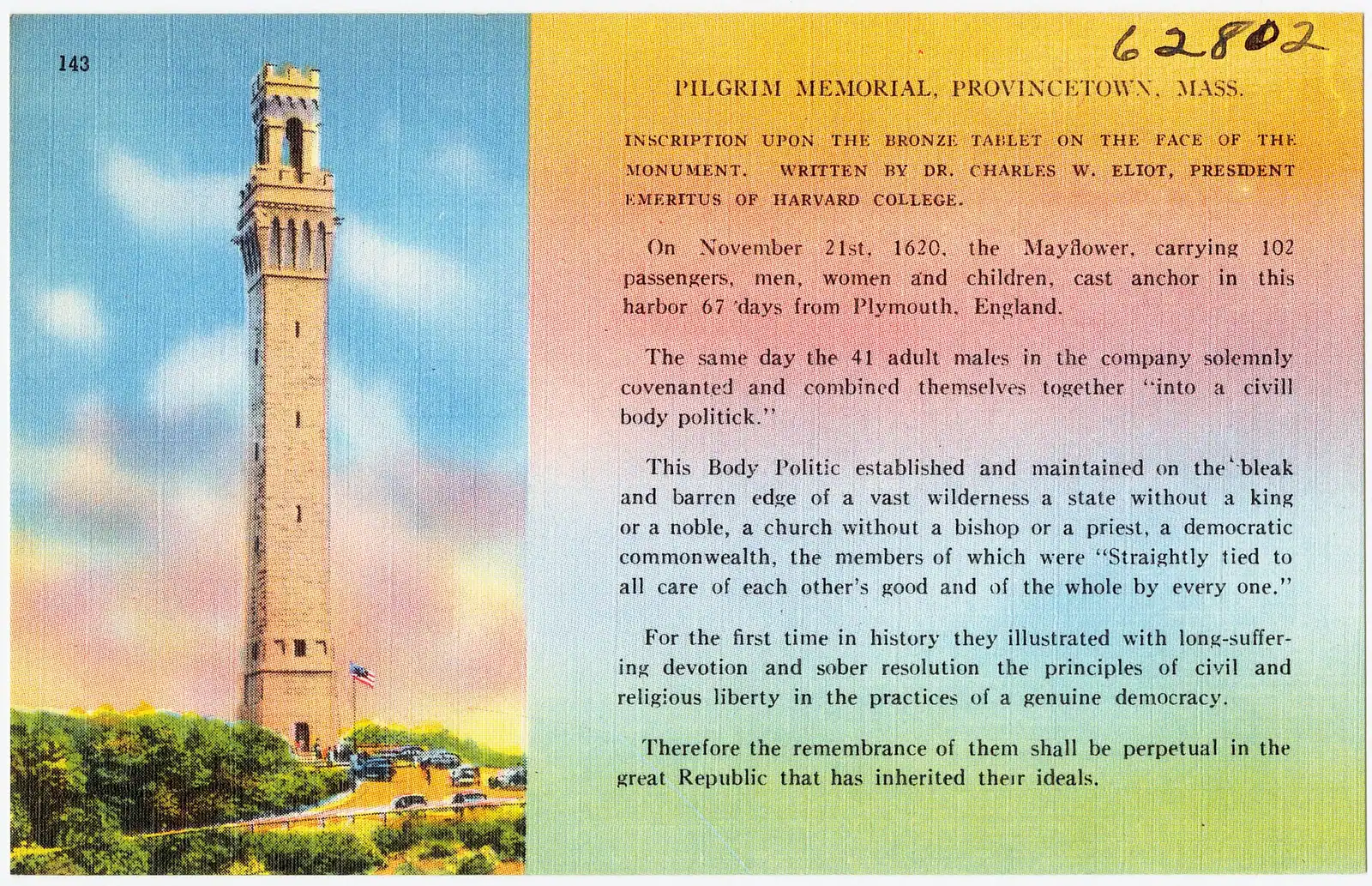
Commercial Street is three miles long, twenty-two feet wide, and dense enough that you can duck from a gallery to a bookshop to a bakery to a bar without ever being outside for more than a minute. The art association and museum holds a serious collection from a painting community that dates to 1898. The Pilgrim Monument museum at the top of the hill covers the Mayflower's actual first landfall here in November 1620 and the town's fishing and Portuguese history, and the tower itself is climbed by interior ramps rather than stairs, so a grey day does not stop it — though the view obviously does depend on the visibility.

The galleries are the real answer. There are dozens, they cost nothing to walk into, several are genuinely good, and a wet afternoon is when the owners have time to talk to you.

Food helps too. Provincetown's restaurant scene is disproportionate to a town of three and a half thousand people, and a long lunch at a raw bar with the rain coming off the harbour is not a consolation prize.

The Province Lands visitor centre, a few minutes out of town, is free and has an observation deck; on a clear-but-cold day that deck is the best view on the Cape, and on a wet one it is at least somewhere dry with a film.

Two practical notes. Parking in Provincetown is difficult and expensive even in bad weather, because everyone else has had the same idea. And the shuttle out to Herring Cove and Race Point runs seasonally, which is useful if you want to see what a big sea looks like without driving in it.

Wet-day things that are not museums

Candlepin bowling. A New England variant with small handheld balls, thin straight pins and three throws a frame, played nowhere else in the world except this corner of the country and the Canadian Maritimes. Alleys survive around the Cape and it is a much better two hours with children than it sounds.

Bookshops and antiques on Route 6A. The Old King's Highway carries more secondhand bookshops and antique dealers per mile than anywhere else on the peninsula, and browsing them is a perfectly good way to spend a wet afternoon driving slowly between Sandwich and Brewster.

Cinemas. Chatham has a restored town cinema, Dennis has a historic one beside the summer playhouse whose ceiling carries a remarkable painted mural, and Hyannis has a multiplex. Seasonal schedules vary.

Theatre. Summer companies run in Dennis, Wellfleet and Truro, and a matinee is a good use of a wet afternoon in season.

Breweries and distilleries. Hyannis and several other towns have small producers with tasting rooms, and the Outer Cape has a vineyard. Sensible for adults with a designated driver.

An oyster bar. Genuinely better on a grey day. Wellfleet oysters are eaten within a couple of hours of the water, and a bar with a fire in October is the best meal on this peninsula.

The shops. Chatham's Main Street, Falmouth's Main Street and Mashpee Commons all work under an umbrella, and Hyannis has the Cape's only proper shopping centre if you need an actual raincoat.

A hotel pool. Not glamorous, but with children on the fourth grey day it is the correct answer, and several Cape hotels have indoor pools specifically because of this weather.

Wet-day tactics that save the day

Local tips

  • Decide by nine in the morning. Cape rain tends to be all-day rather than a passing shower, so waiting for it to clear usually costs you the day as well as the weather.
  • Ring before you drive. This matters more here than almost anywhere, because seasonal hours are real and a great many Cape attractions close or reduce between Columbus Day and Memorial Day.
  • Go to Provincetown from the Outer Cape, not to Hyannis. The drive is half as long and the town is twice as good in bad weather.
  • Use the free visitor centres. Salt Pond and Province Lands are warm, indoors, cost nothing and have films. On the Outer Cape they are the best value available.
  • Book a museum for the middle of the day and a long lunch after it. Cape restaurants are quieter at a wet lunchtime than at any other time in season, which is the one advantage of the weather.
  • Keep a rainy-day plan in reserve from day one. Expect at least one grey day in a week in any season, and more in spring.
  • Do not write off the beach entirely. A wet, windy beach walk on the outer shore, properly dressed, is one of the better experiences here, and the sand is empty.
  • Pack waterproofs rather than umbrellas. It is windy on this peninsula and an umbrella lasts about four minutes at Race Point.

It depends entirely on where you are staying

How they compare

Look at this before you get in the car, because the drive is usually the problem rather than the choice.

Where you areNearest indoor optionsRealistic drive
Upper Cape: Bourne, Sandwich, Falmouth, MashpeeSandwich Glass Museum, Heritage Museums and Gardens, Woods Hole aquarium and ocean science exhibits, Highfield Hall, the canal visitor centre10 to 25 minutes
Mid Cape: Barnstable, Yarmouth, DennisJFK Hyannis Museum, Cape Cod Maritime Museum, the Whydah pirate collection, the Cape Cod Museum of Art, cinemas in Dennis and HyannisUnder 20 minutes
Lower Cape: Harwich, Brewster, Chatham, OrleansCape Cod Museum of Natural History in Brewster, Atwood House in Chatham, the cinema in Chatham, shops on Main Street10 to 30 minutes
Outer Cape: Eastham, Wellfleet, TruroSalt Pond visitor centre in Eastham, Wellfleet's galleries, then Provincetown15 minutes to Salt Pond, 30 to 45 to Provincetown
ProvincetownThe art association and museum, the Pilgrim Monument museum, Province Lands visitor centre, the whole of Commercial Street under an umbrellaWalkable

The general rule for the Outer Cape is to go north rather than west. Provincetown on a wet day is genuinely good — the galleries, the museum, the monument, the bakeries and a long lunch — whereas the drive to Hyannis eats most of the day and arrives at a shopping street.

If you are on the Upper or Mid Cape, a wet day is barely an inconvenience. Sandwich alone can hold a full day.

Fog, storms, and watching the weather safely

Before you book

Fog is the Cape's signature and it is not the same as rain. It forms when warm, humid air passes over cold water, which on this coast happens most often with a southwest wind in late spring and summer. It can be clear and hot half a mile inland and completely white on the outer beach, all day, with the temperature ten degrees lower. Boat trips are cancelled by it, driving to Provincetown slows to a crawl in it, and no forecast predicts it reliably. If your beach day fogs out, go inland or go to a kettle pond, which is often above it.

Nor'easters are the winter equivalent and they are an attraction in their own right. These are ocean storms that stall off the coast and drive wind, water and sand at the outer shore for a day or more, and they are what cut the scarps at Marconi and take another few feet off the cliff below Highland Light every decade. People drive out specifically to watch one.

Doing that safely is not complicated, and the rules are not optional.

  • Stay in or beside the car at a beach car park. Do not walk out onto the sand below a cliff in a storm.
  • Stay well back from the top edge of any scarp. These cliffs are loose sand and clay, they overhang, and they collapse without warning. People have been killed by them. The fencing is not decorative.
  • Do not go near the water. Storm surf on the outer shore runs far up the beach unpredictably, and the water is cold enough to incapacitate in minutes.
  • Expect closures. Roads flood at the low points, power goes out in the smaller towns, the island ferries stop in high winds and the National Seashore closes beach accesses when conditions warrant.

A big sea on the outer beach is one of the finest things on Cape Cod. Watch it from somewhere sensible.

On the ground

Where to go

Every place below has its own page — hours, parking, what it costs and what to expect when you get there.

  • The granite tower of the Pilgrim Monument rising above Provincetown's rooftops beside the harbour

    Neighbourhood

    Free

    Provincetown

    Three thousand people in winter and sixty thousand in August: a fishing port, an art colony since the 1890s, and unlike anywhere else.

    4–12 hoursFree to visit. Parking, ferries, the monument and tours are charged separately.

  • Small boats moored on calm water in a sheltered harbour at Chatham, Massachusetts

    Neighbourhood

    Free

    Chatham

    The town at the Cape's elbow, where a barrier beach has broken open three times since 1987 and rebuilt the shoreline each time.

    3–8 hoursFree to visit. Town beach lots require a Chatham parking sticker in season.

  • The granite tower of the Pilgrim Monument rising above Provincetown's rooftops beside the harbour

    Landmark

    Pilgrim Monument

    A 252-foot granite campanile modelled on a Tuscan town hall, climbed by ramps, with the best view of Cape Cod's geography from anywhere.

    1–2 hoursPaid admission covering both the tower climb and the Provincetown Museum. The grounds are free.

  • A paved pathway running between green grass under an overcast sky

    Museum

    Heritage Museums and Gardens

    A hundred acres in Sandwich holding the Dexter rhododendron collection, a vintage car museum and a 1908 carousel you can ride.

    3–5 hoursPaid admission covering the gardens, the museums and a carousel ride; the adventure park is extra

  • Coloured glass bottles in red, yellow and green arranged on a black metal rack on Cape Cod

    Neighbourhood

    Free

    Sandwich

    Settled in 1637, the Cape's oldest town, and the first thing you reach after the Sagamore Bridge rather than the last.

    3–8 hoursFree to walk. The mill, the historic houses and the museums each charge separately.

  • Rows of boats moored in a marina basin on flat water at first light

    Neighbourhood

    Free

    Woods Hole

    Eight hundred and thirty-four residents, several of the world's leading marine research institutions, and almost nowhere to leave a car.

    2–5 hoursFree to walk, and the Woods Hole Science Aquarium is free. Ferries and some exhibits are paid.

  • Rows of boats moored in a marina basin on flat water at first light

    Neighbourhood

    Free

    Hyannis

    The Cape's only working downtown: island ferries, an airport, a hospital and a Main Street that stays open in February.

    2–8 hoursFree to walk. Ferries, cruises, concerts and museum admission are separately priced.

  • A wooden boardwalk crossing a grassy salt marsh on Cape Cod

    Museum

    Cape Cod Museum of Natural History

    A small local aquarium with a marsh boardwalk out the back that leads to Wing Island and the Brewster flats.

    1.5–3 hoursPaid admission, modest by museum standards, with reduced and family rates usually offered

  • Rows of boats moored in a marina basin on flat water at first light

    Museum

    John F. Kennedy Hyannis Museum

    Photographs, film and oral histories of the Kennedy summers at Hyannis Port, in the village's old town hall on Main Street.

    1–1.5 hoursPaid admission, modest by American museum standards, with reduced rates usually available

Straight answers

Questions people actually ask

What is there to do on Cape Cod when it rains?

The best options are on the Upper and Mid Cape: Heritage Museums and Gardens and the glass museum in Sandwich, the JFK museum in Hyannis, the Whydah pirate collection in Yarmouth, the natural history museum in Brewster and the aquarium at Woods Hole. On the Outer Cape, go to Provincetown for the galleries, the art museum and the Pilgrim Monument museum. Both National Seashore visitor centres are free, indoors and worth an hour.

Does it rain a lot on Cape Cod?

About forty-three inches a year, spread fairly evenly across the months, so there is no wet season and no dry season. The practical effect is that Cape rain arrives as an entire grey day, a few times a month, in any season, rather than as a predictable afternoon shower that clears. Plan a wet-day option into any week here. Sea fog is a separate and equally common cause of a lost beach day in summer.

Why is it foggy on Cape Cod in summer?

Because warm humid air passing over cold water condenses. The Cape is surrounded by cold Atlantic water on three sides, and a southwest wind in late spring and summer brings warm air straight over it. The result can be bright sun on Route 6 and thick white fog at Coast Guard Beach a mile away, lasting all day. It cancels boat trips, slows the drive to Provincetown and is not reliably forecast.

What indoor activities are there on the Outer Cape?

Very few outside Provincetown, which is worth knowing before you book a Truro cottage. Salt Pond visitor centre in Eastham is free, indoors and has a film. Wellfleet has galleries. Beyond that the answer is a thirty to forty-five minute drive to Provincetown, where the art association and museum, the Pilgrim Monument museum, dozens of galleries and a strong restaurant scene fill a wet day comfortably. Driving west to Hyannis takes far longer.

Is Cape Cod worth visiting if the forecast is bad?

Yes, with adjusted expectations. A wet, windy walk on an empty outer beach is one of the better experiences here, the museums are good, an oyster bar is better on a grey day than a hot one, and a winter storm driving surf at the outer shore is something people travel to see. What you should not do is book a short trip that depends entirely on a boat, since weather cancels sailings regularly.

Are Cape Cod museums open in winter?

The larger ones on the Mid and Upper Cape generally trade through the winter with reduced hours, but a great many smaller museums, galleries and seasonal sites close entirely between Columbus Day and Memorial Day, and some do not reopen until late spring. Check each one individually before driving to it. The National Seashore visitor centres keep year-round hours, though these are reduced in the off season.

Is it safe to watch a storm on Cape Cod?

From a beach car park, dressed for it and staying in or beside the car, yes, and it is a genuine reason to visit in winter. What is not safe is walking out on the sand below an eroding cliff, standing near the top edge of one, or going close to the water. The outer scarps overhang and collapse without warning and have killed people. Storm surf runs far up the beach unpredictably and the water is cold enough to incapacitate quickly.

What can you do with kids on Cape Cod in the rain?

Candlepin bowling, which is a small-ball New England variant found almost nowhere else and is better fun than it sounds. The Whydah pirate museum in Yarmouth, built around a genuine 1717 wreck. The natural history museum in Brewster. The carousel and car barn at Heritage in Sandwich. The Woods Hole aquarium. A cinema in Chatham, Dennis or Hyannis. And, on the fourth grey day, a hotel indoor pool, which is the correct answer and nobody should feel bad about it.