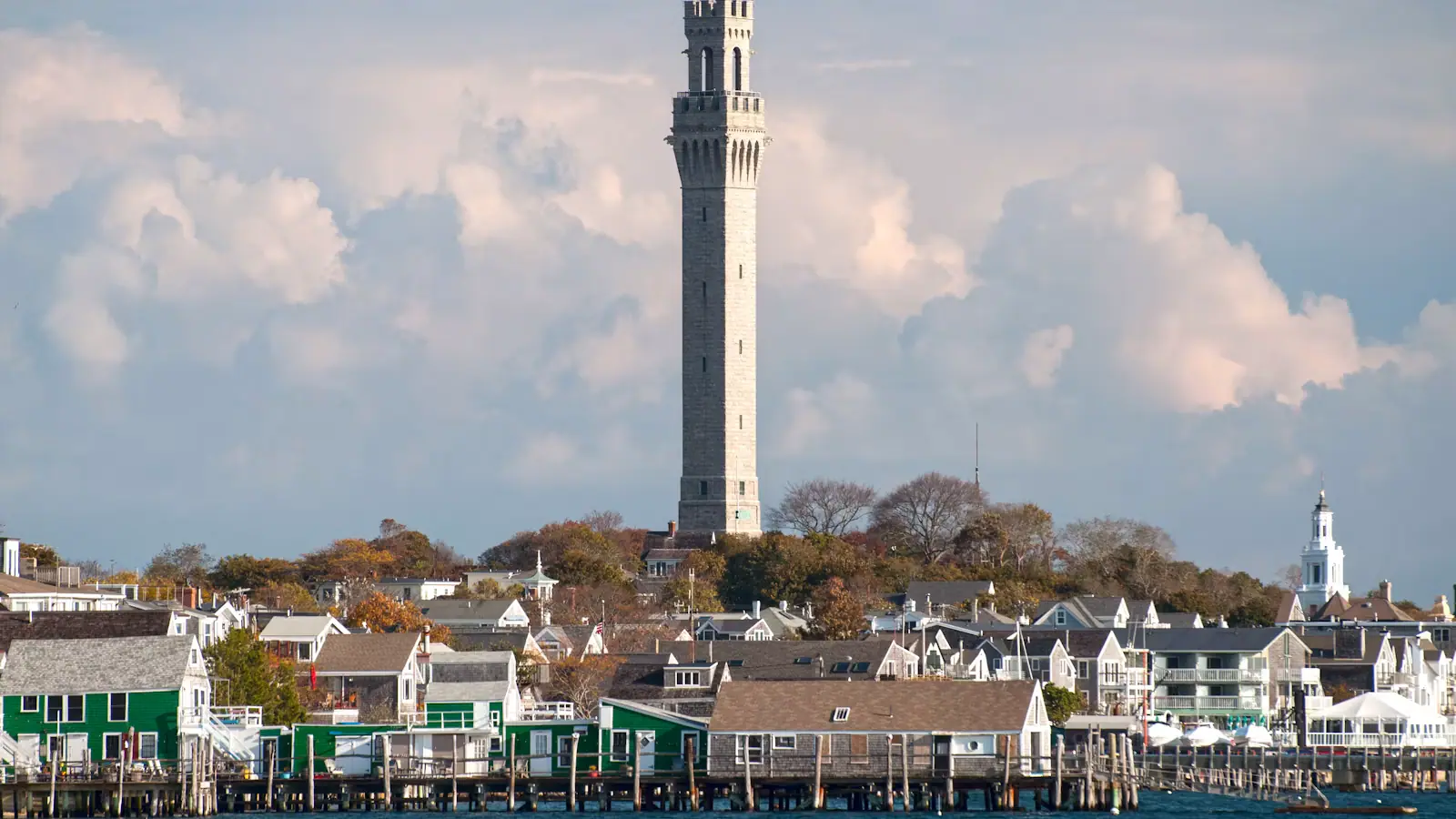
Provincetown sits at the very tip of the hook, three thousand six hundred residents in winter and something closer to sixty thousand people on an August day. It is a fishing port, an art colony older than most in America, and one of the oldest continuously established LGBTQ+ communities in the country, all compressed into a town that is roughly three miles long and about two streets wide.
It is also two hours from the bridges in decent traffic and a good deal more in bad. Most day trips here fail on arithmetic rather than on enthusiasm.
Ferry or drive
The fast ferry from Boston reaches MacMillan Pier in around ninety minutes and lands you in the middle of town with no car to park. From the Cape itself there is no ferry and the drive is the drive: roughly an hour from Orleans, closer to two from Hyannis, two and a half to three from the bridges on a summer Saturday. US-6 is the only practical road and there is no way round it.
If you are driving, leave early. Parking in Provincetown is the most expensive on the Cape, concentrated in the MacMillan Pier lot and a handful of municipal lots, and by mid-morning in August you are circling. An alternative worth knowing: park at Herring Cove or Race Point on a National Seashore pass and ride or walk in, which costs $25 for the vehicle and solves the problem.
A day that works
| Time | Where |
|---|---|
| Before 10 | Arrive and park. After this it gets materially harder |
| 10:00 | Pilgrim Monument and the Provincetown Museum, while the legs are fresh |
| 11:30 | The East End of Commercial Street, which is where the galleries are |
| 13:00 | Lunch on the water; the harbour side of Commercial Street |
| 14:00 | Province Lands: the visitor centre deck, or the bike trail through the dunes |
| 16:00 | Back into town for the West End, the shops and the Portuguese bakeries |
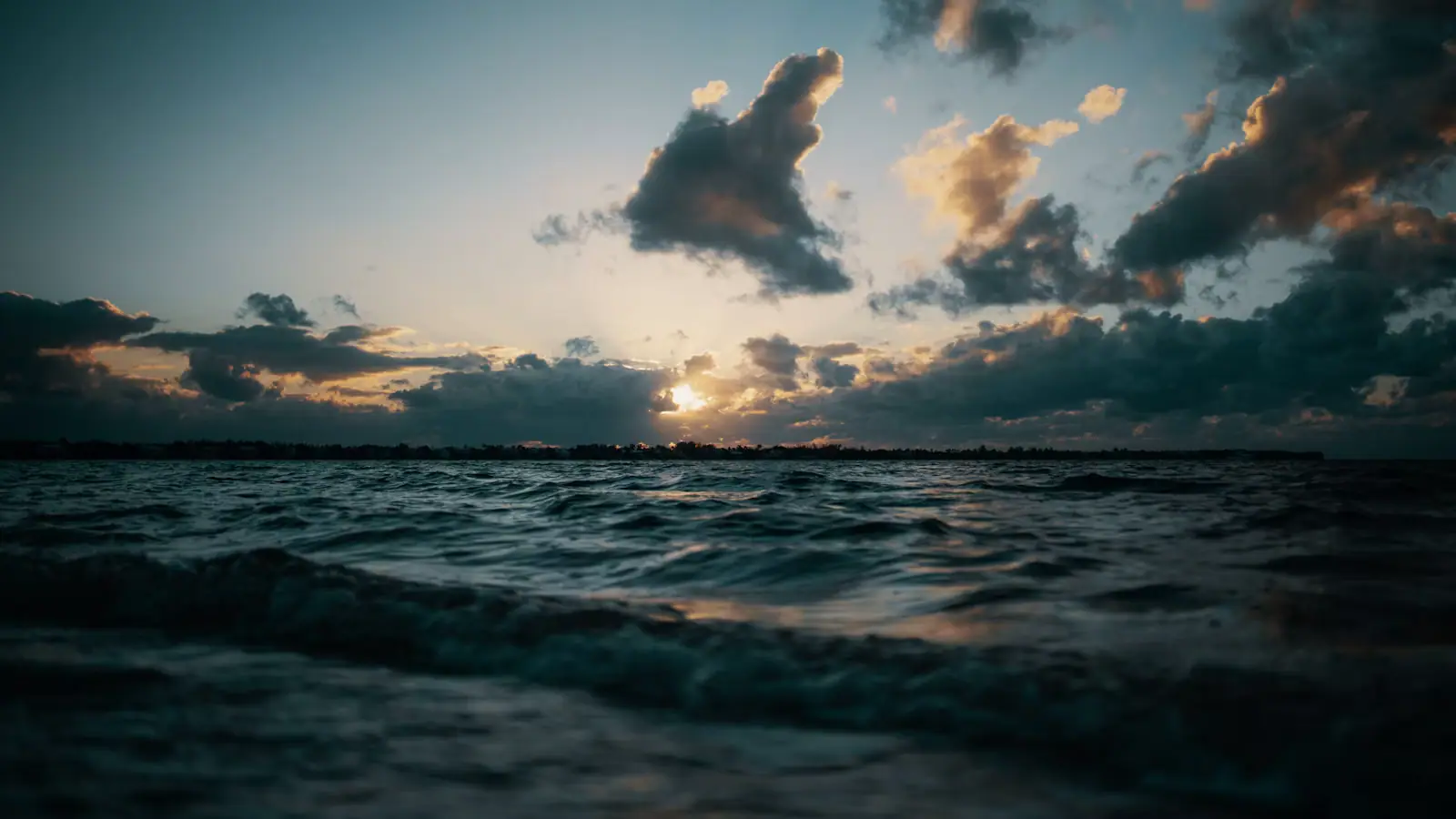
| 18:30 | Herring Cove for the sunset. It is the west-facing beach and the only Seashore beach where the sun goes down over the water |
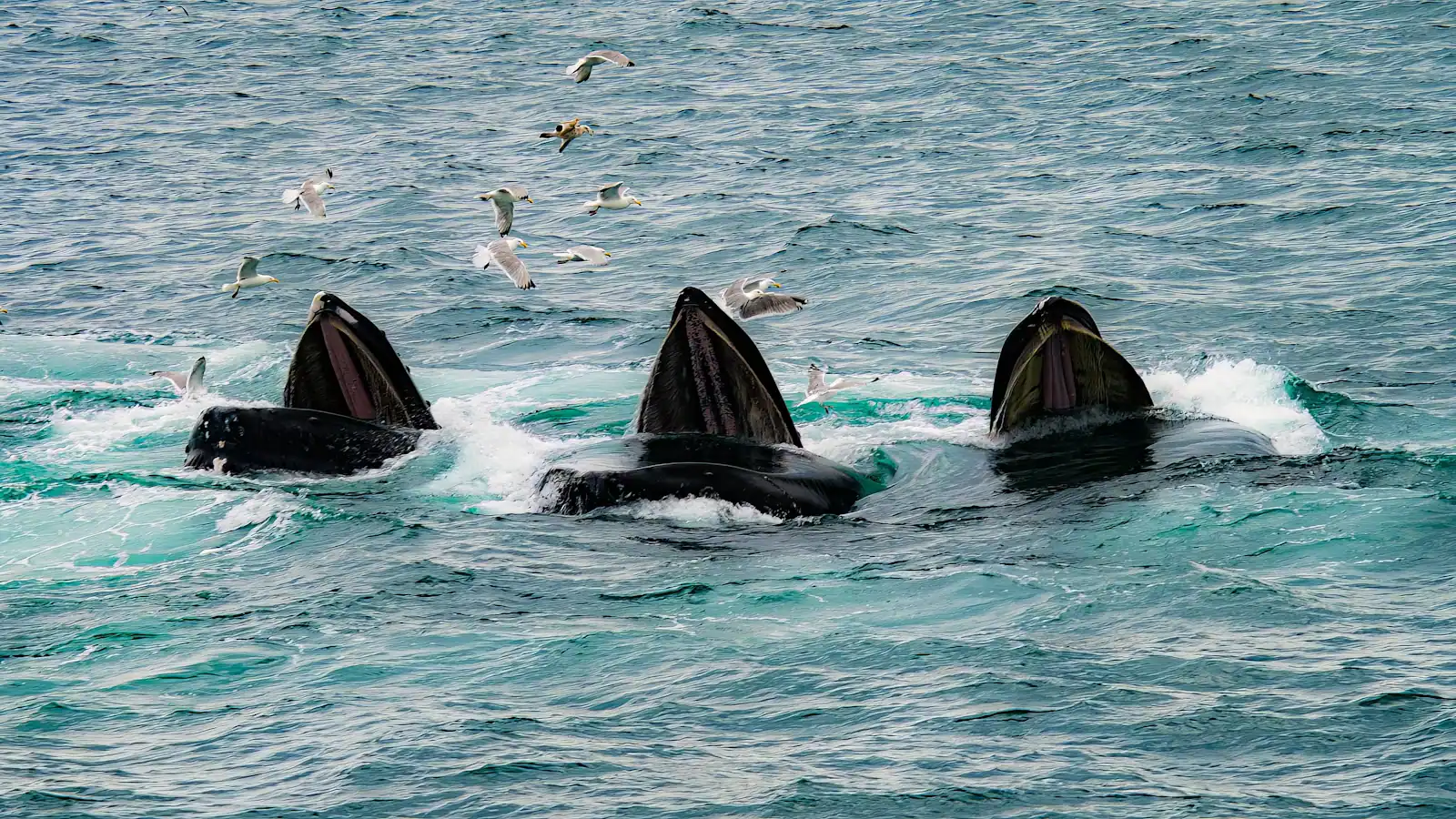
Swap the afternoon for a whale watch if the forecast is calm. Boats leave from MacMillan Pier and the grounds on Stellwagen Bank are a short run off Race Point, which is the shortest steam to the whales anywhere on the Cape.
The monument, and the landfall nobody remembers
The Pilgrim Monument stands 252 feet 7 and a half inches, the tallest all-granite structure in the United States, built between 1907 and 1910 to a design by Willard T. Sears modelled on the Torre del Mangia in Siena. President Taft dedicated it in August 1910. The interior climbs by ramps rather than stairs, which makes it far less punishing than its height suggests, and the view takes in the whole curl of the hook.
What it commemorates is the thing most visitors get wrong. The Mayflower made landfall here, in Provincetown Harbor, in November 1620, and the Mayflower Compact was signed aboard ship in this harbour. The company spent five weeks exploring the Outer Cape before crossing the bay to Plymouth. First Encounter Beach down in Eastham takes its name from a skirmish during those weeks. Plymouth got the rock and the publicity; Provincetown got the anchorage.
The Provincetown Museum at the monument's base carries the maritime and Arctic collections, including material from Donald MacMillan, the Provincetown-born Arctic explorer the pier is named after.
The art colony, which is the real reason the town looks like this
In 1899 Charles Webster Hawthorne opened the Cape Cod School of Art here, drawn by the light coming off water on three sides of a low sandspit. Within twenty years Provincetown had several art schools and an international reputation. The Provincetown Art Association and Museum was founded in 1914 and is still on Commercial Street. The Provincetown Players staged Eugene O'Neill's earliest produced work in a converted fish house on a wharf in 1916, which is a reasonable claim to the birthplace of modern American theatre.
None of that is a museum piece. The East End galleries are working commercial galleries, the summer schools still run, and the fish house on the wharf is why there are artists here at all.
The other layer is Portuguese. Azorean and mainland Portuguese crews settled into the fishing fleet across the nineteenth century, and the Portuguese Festival and Blessing of the Fleet each June is the town's own holiday rather than a visitor event. The bakeries are not a theme.
Beaches, dunes and the walk out to Long Point
Herring Cove faces west, has level access from its lot and is the sunset beach. Race Point faces north into deep water, and whales are occasionally visible from the sand. Both are National Seashore beaches, both take the $25 vehicle fee, and both are a few minutes from town.
The Province Lands Bike Trail is 5.25 miles of narrow, twisting, genuinely hilly asphalt through the dunes behind the beaches, with a visitor centre and an observation deck in the middle of it. Do not mistake it for the flat Rail Trail down-Cape; it is a proper ride.
Long Point is the very last curl of sand, with its small lighthouse. You can take the shuttle boat across the harbour, or walk out along the stone dike at the far west end of town, which is about a mile and a half of uneven granite blocks and takes longer than it looks. Check the tide before you start.
The dune shacks on the back shore are a protected historic district and the shacks themselves are not open to casual visitors, but licensed dune tours run out over the sand and are the easiest way to see that landscape.
The season, and one warning
Provincetown runs hot from late May to mid-October and keeps a small year-round core going through the winter, which is more than most of the Outer Cape manages. Carnival week in August is one of the largest LGBTQ+ gatherings in the Northeast and fills every room in town, so check the dates before booking either to join it or to avoid it.
The warning is about the drive home. If you leave Provincetown between four and six on a summer Sunday you will sit on US-6 with everyone else. Have dinner, watch the sun go down at Herring Cove, and drive back at half past eight to an empty road.
Last updated
Opening hours, ordinances and prices move with the season. We re-check this guide rather than rewrite it, and the date above is the last time someone did. How we research and correct.