The Cape is named after a fish that is now the hardest thing on this list to catch. Bartholomew Gosnold called it Cape Cod in 1602 because the water was thick with them, the ports here were built on salting and shipping them, and four centuries later the Gulf of Maine and Georges Bank stocks are so depleted that recreational cod fishing is tightly restricted and haddock has quietly become the fish the groundfish boats actually bring home. Start with that, because it tells you more about fishing here than any list of species does. This is a heavily managed fishery in recovery, and the rules move.
What has replaced cod in the visitor's imagination is striped bass, and the striper is the reason most people book a boat here. It is a migratory fish: it winters south, moves up the coast in spring, arrives on Cape waters around May, feeds all summer on sand eel and menhaden, and is gone again by late October. That gives the whole industry a season of about six months, which is short by the standards of a warm-water destination and explains a good deal about how charters here are priced and booked.
Alongside the bass, the calendar fills out with bluefish arriving in the warmer weeks, black sea bass and scup on structure, fluke on sand, tautog in the cool of autumn, and offshore the two serious targets: haddock on the banks and bluefin tuna, which is a different order of trip in cost, duration and paperwork.
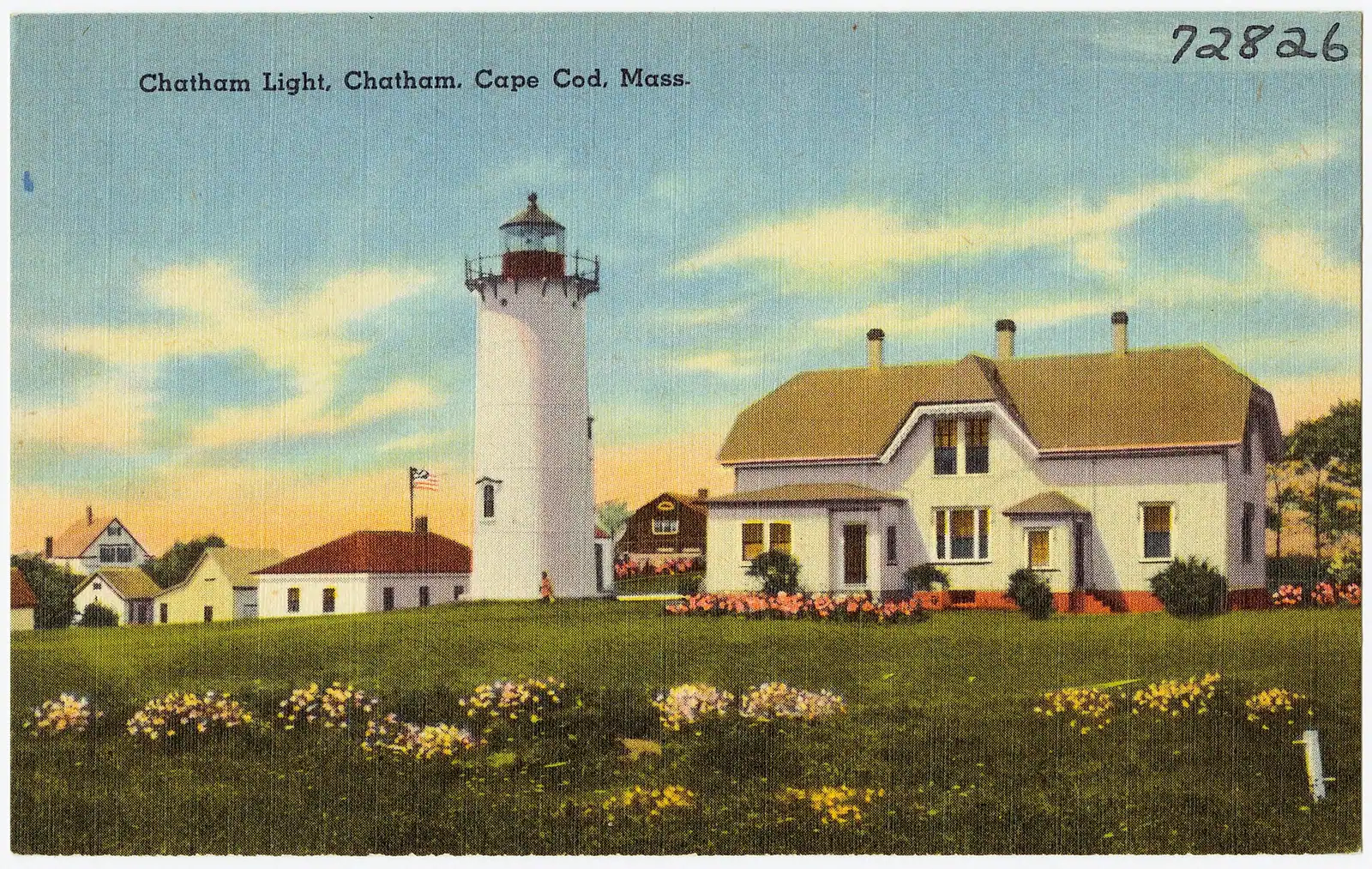
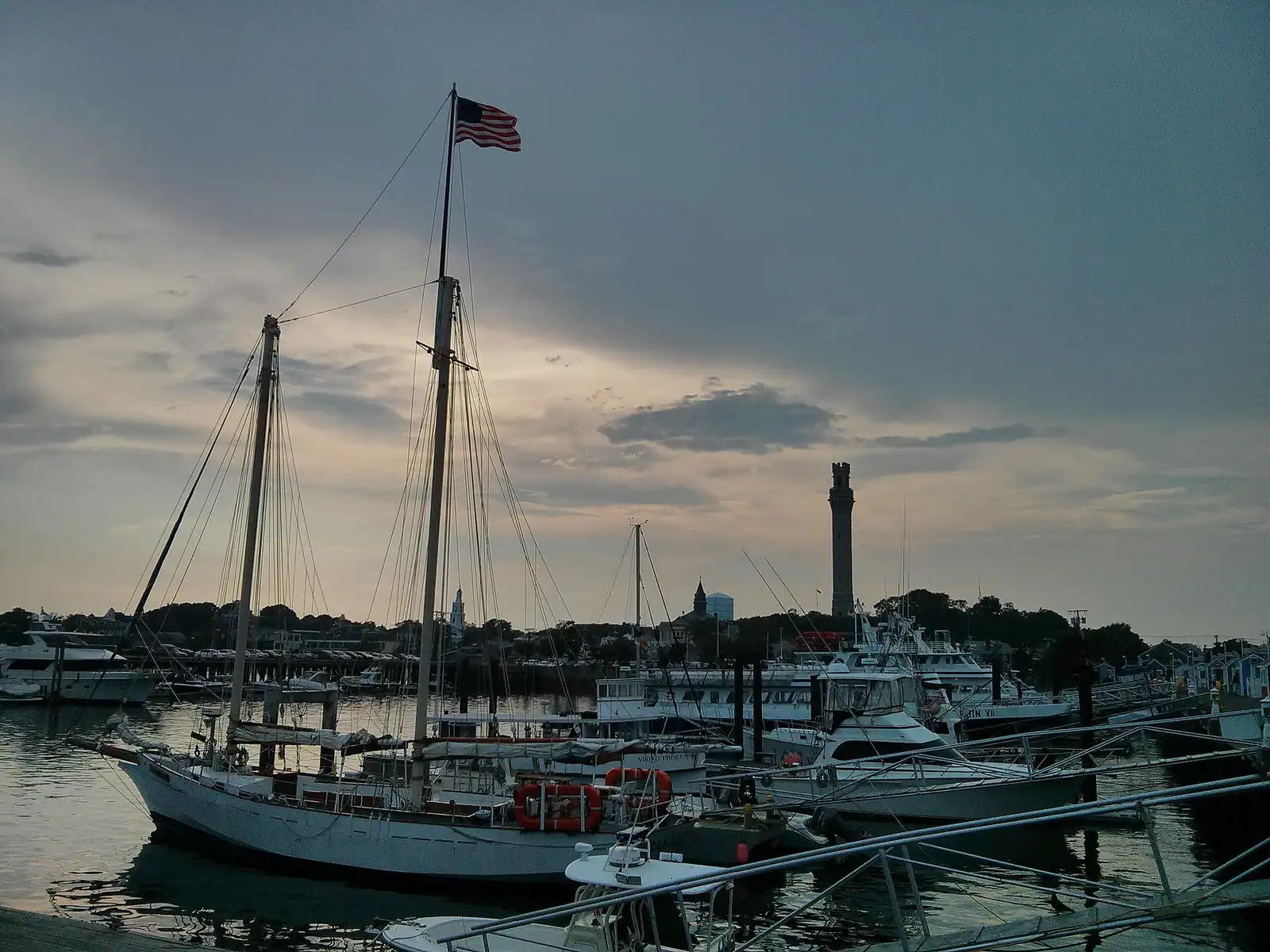
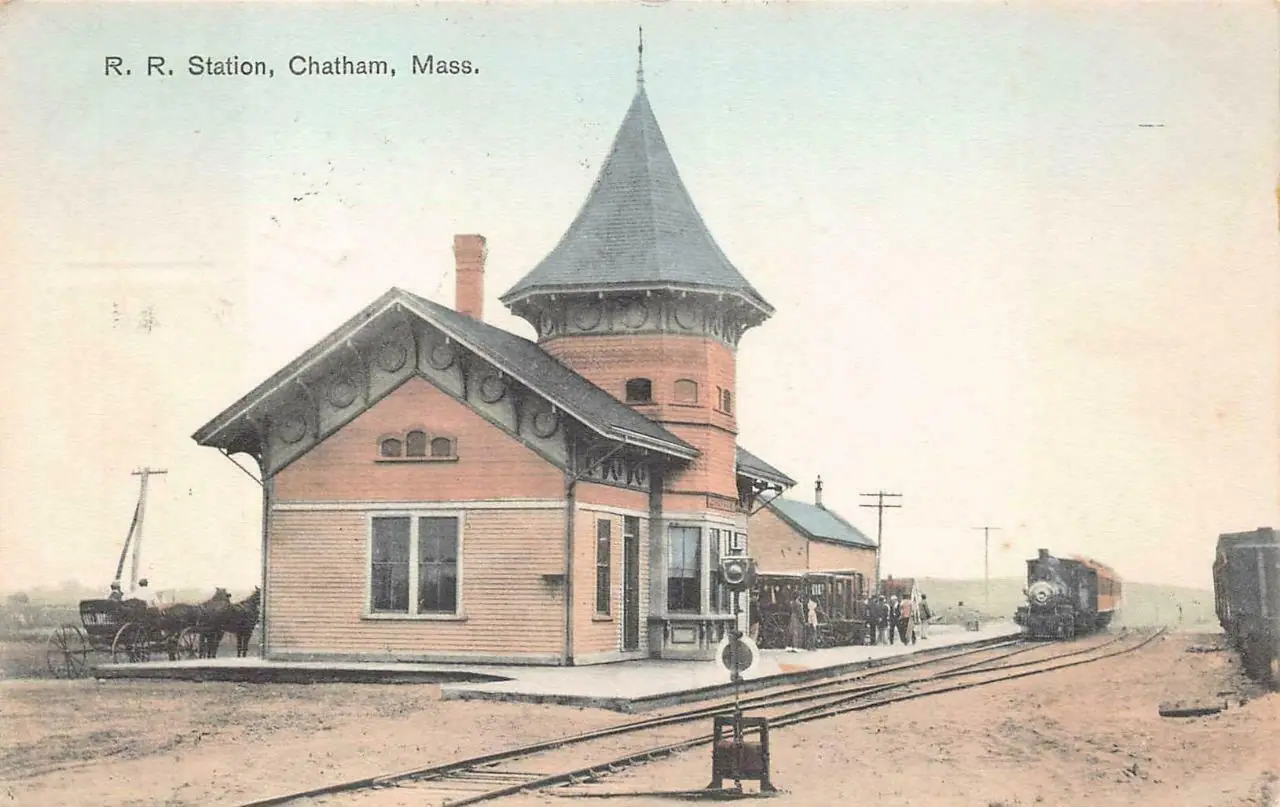
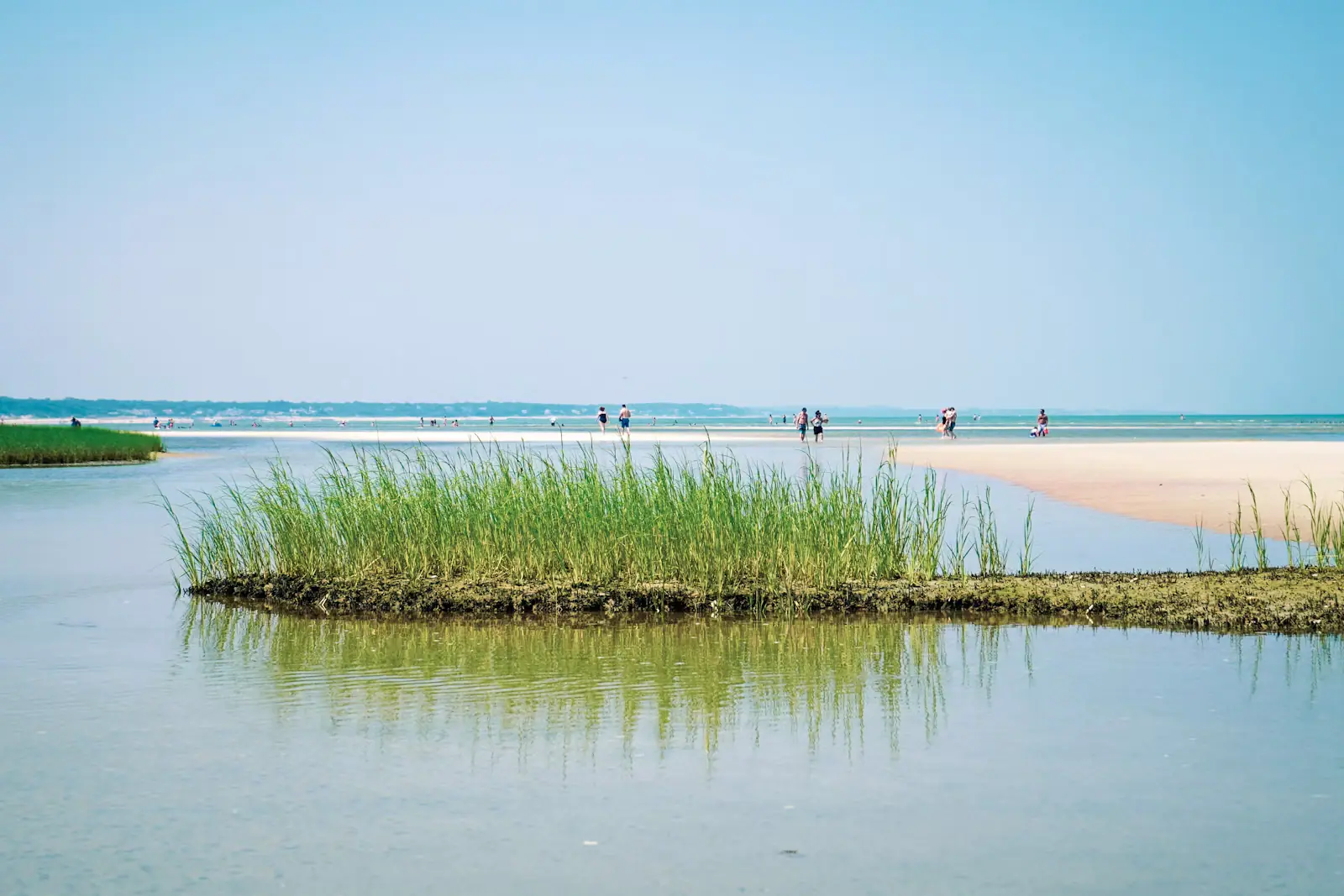
The geography matters as much as the species. This is a peninsula with a canal at one end, an enormous bay on one side, a sound on the other and the open Atlantic beyond the elbow, and the harbours those waters give you are not interchangeable. One of them, Rock Harbor in Orleans, dries out completely at low water, so the fleet there can only leave and return inside a window either side of high tide and the channel across the flats is marked by a line of evergreen saplings stuck in the mud. Another, Chatham, sits behind a shifting bar with a wreck and rescue history serious enough that local captains treat crossing it as the day's main decision.
A note on booking, and on why this page carries no product cards. The Cape's charter fleet is a telephone business. Captains take reservations directly, deposits are usually paid to them, and the good boats fill for July and August months ahead. There is very little of it on the large booking platforms, so the useful thing this page can do is tell you what to ask for rather than sell you a seat.