Skip to content
Search
Menu

Bookings here go through Viator, who pay us a commission. You are charged the same either way, and the commission had no say in this list.

Nature preserve

Monomoy National Wildlife Refuge

Last updated

Two wilderness barrier islands off Chatham holding thousands of grey seals and the Atlantic coast's largest common tern colony.

Photo: U. S. Fish and Wildlife Service - Northeast RegionPublic domain

Closed at the moment

The shoreline section of the Morris Island trail floods on a rising tide and has cut visitors off. Check a tide table before starting and walk that leg on a falling tide.

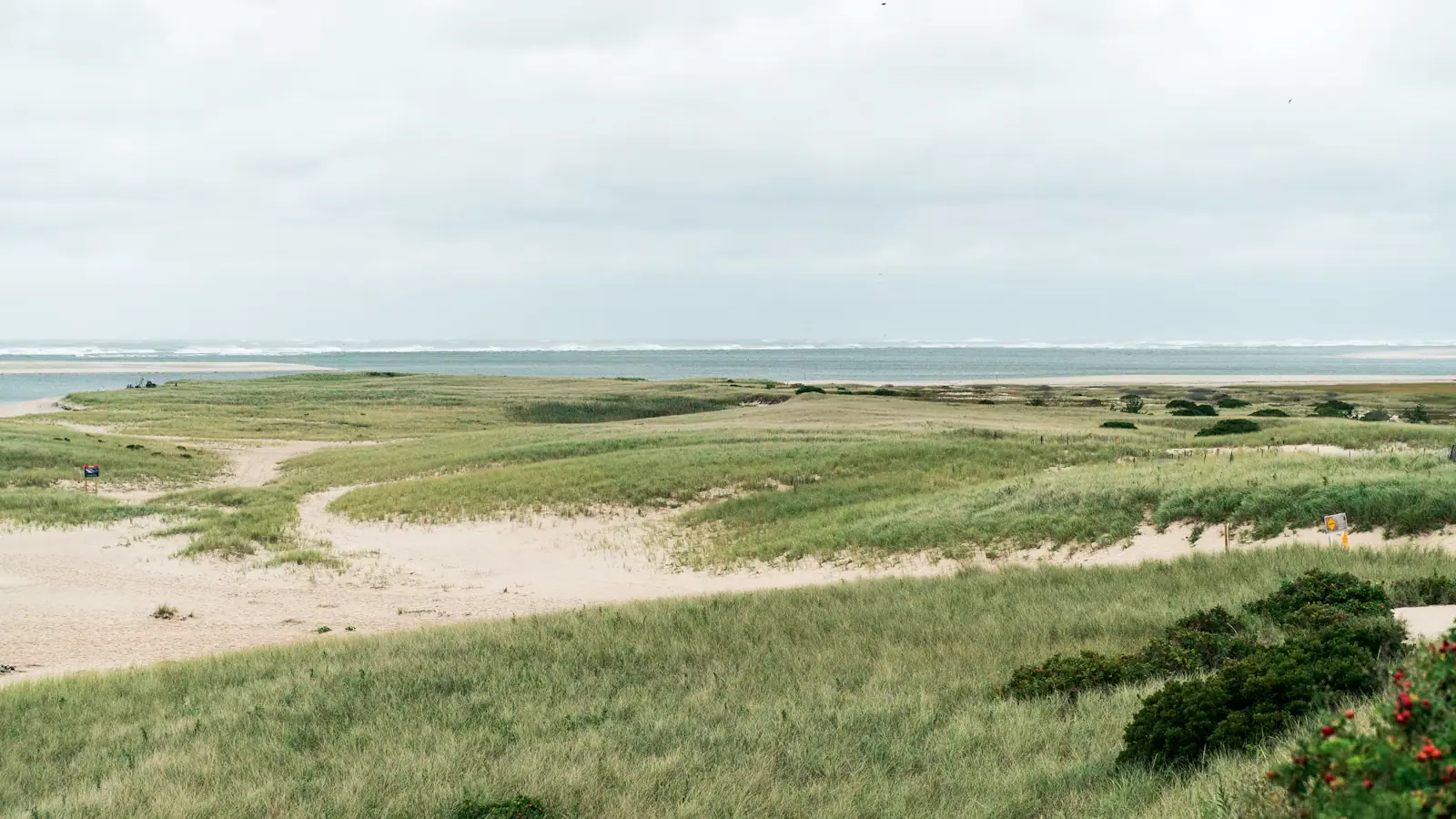
Monomoy is the tail of sand trailing south from Chatham's elbow, and it is the single best argument against thinking of Cape Cod as solid ground. The refuge was established in 1944. Its acreage is given as roughly 7,600 acres in most long-standing references and closer to 7,900 in the service's current description, and that discrepancy is not a clerical error. These are barrier islands built of loose sand in a strong longshore current. They join, split and migrate. Monomoy was a single spit attached to the mainland until a storm severed it in 1958, and a further break in 1978 made the North and South islands that exist today.

Most of the refuge is designated Wilderness, which on the Cape means something stricter than scenic: no vehicles, no structures, no facilities. North and South Monomoy are reachable only by boat, and the Fish and Wildlife Service does not run one. Getting there means a permitted local operator out of Chatham, and in practice most visitors go on a seal trip rather than to land.

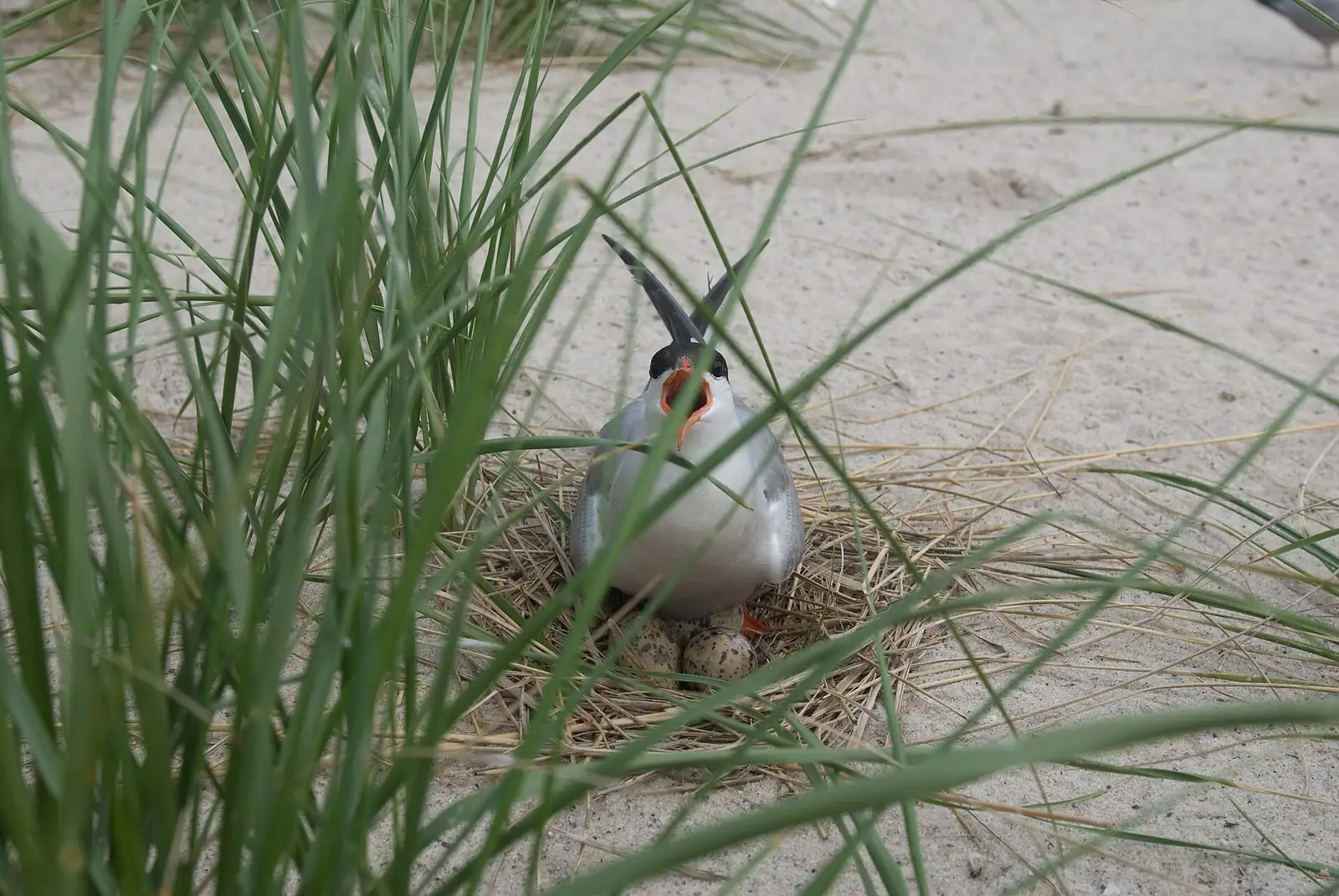
What the refuge protects is a staging and breeding ground rather than a view. Common terns nest here in the largest colony on the Atlantic seaboard, exceeding 17,000 pairs in 2022. Piping plovers, listed as threatened, nest on the open sand. Red knots and other shorebirds stop on migration to feed on horseshoe crab spawn and mudflat invertebrates, some of them on their way between the Arctic and South America. Sections of beach are closed through the nesting season and the closures are enforced.

And then there are the seals. Grey seals haul out on the Monomoy bars in the thousands, a population that in the early 1970s had been reduced to a handful in the whole of New England by state bounty schemes. Their recovery is the reason white sharks now patrol this shoreline every summer.

The mainland piece, Morris Island, is where you can simply turn up and walk.

Getting there and parking

For the mainland unit, follow Main Street in Chatham to Morris Island Road, cross the causeway onto Morris Island and continue to the small car park at the end of Wikis Way. It is about ten minutes from the centre of Chatham. The lot is small and the approach runs through a residential neighbourhood, so park only where marked.

There is no public boat service to North or South Monomoy. Reaching the islands means booking with a permitted operator out of Chatham, and trips are weather dependent to a degree that surprises people used to bigger boats on calmer water.

From off-Cape, the drive is Route 6 east to exit 85 or 86, down to Route 28 and into Chatham, then out to Morris Island. Allow roughly ninety minutes from the Sagamore Bridge with clear roads.

The Old Colony Rail Trail reaches Chatham by bike, but the last few miles to Morris Island are on road, including a narrow causeway with no shoulder.

The Morris Island trail, and the tide that closes it

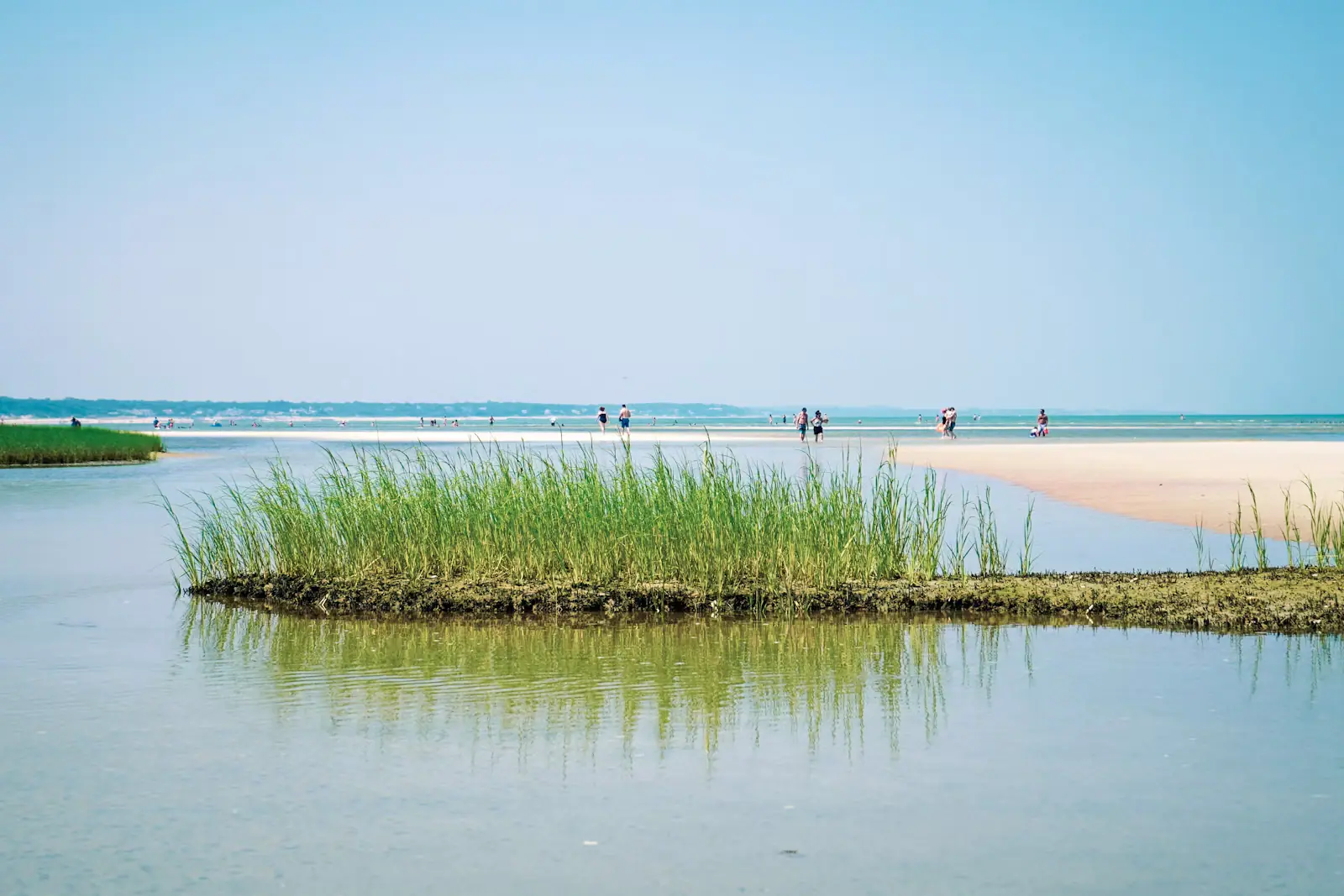
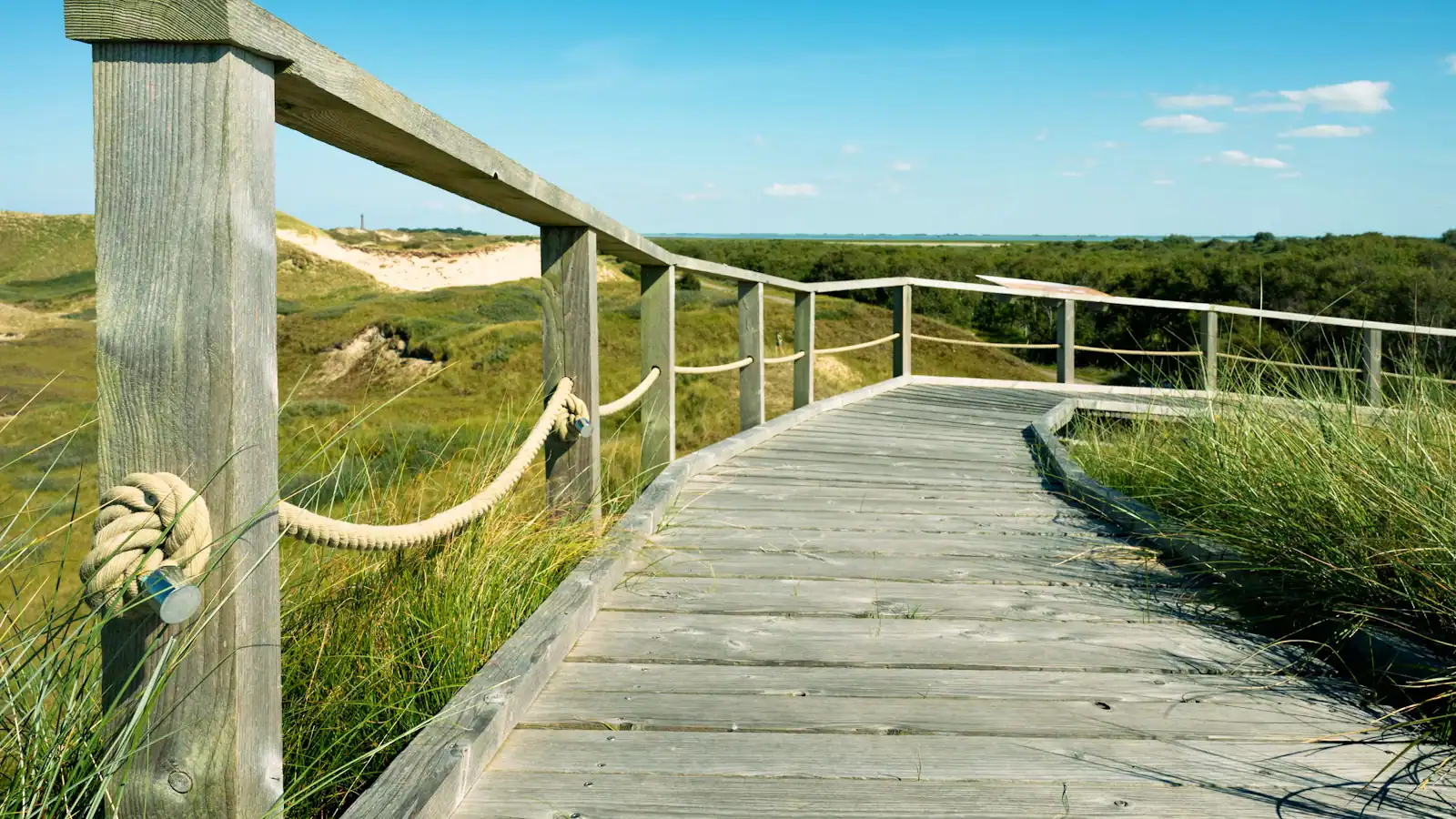
The one part of Monomoy you can reach on foot is the Morris Island unit, at the end of Wikis Way in Chatham. A small car park, a set of stairs down the bluff, and a marked walking trail of roughly three quarters of a mile that runs out along the shore and loops back through upland.

The critical detail is that the shoreline portion of that route crosses ground that floods. On a rising tide the sand you walked out on goes under, and people have been cut off. Check a tide table before you start, walk the shore leg on a falling tide, and turn back rather than wading a channel you have not seen at low water. The refuge posts this warning and it is not decorative.

Dogs are not permitted on Morris Island trails from 1 May to 15 September, and are never permitted on the offshore islands. Leashed dogs are allowed on the mainland trails outside that window.

The refuge maintains a small visitor contact station and offices in Chatham, and a seasonal information kiosk on Morris Island typically staffed between Memorial Day and Labor Day. Staffing depends on volunteers, so opening is not guaranteed on any given day.

Bring binoculars. From the bluff at the top of the stairs you can usually pick out seals on the bars and, in season, terns working the water.

How people actually get to the islands

There is no public boat service. The Fish and Wildlife Service is explicit about this, and it catches people out.

What exists instead is a set of Chatham-based operators running seal-watching trips and, in some cases, drop-off services onto the outer beaches. Trips typically leave from Chatham and run down the outside or the inside of the islands depending on wind, because the water over these bars is shallow and the weather closes it quickly. Boats are small, spray is a certainty, and cancellations for wind are normal rather than exceptional.

Federal law requires vessels to remain 150 feet from hauled-out seals. A skipper who tells you that before you leave the dock is a skipper worth booking. One who promises to get closer is not.

The other route onto South Monomoy is a landing trip with a licensed operator, which is a much longer day and appeals mainly to birders and to people wanting to reach the Monomoy Point light, an 1849 cast-iron tower standing in the dunes at the far southern end with nothing around it.

Seals are present year round. Pupping for greys is a winter event in this region, so numbers and behaviour shift through the year rather than following the tourist season.

What to look for, month by month

Monomoy rewards a specific interest more than a general one. The calendar matters more than the weather.

April and May. Terns return and set up. Horseshoe crabs spawn on the flats, and the shorebirds that time their migration to that spawn arrive to feed. Piping plovers begin nesting on open sand, which is when beach closures start going up.

June to early August. The tern colony is at full volume, and it is a genuinely loud, dense thing. Chicks on the ground mean the tightest closures of the year. This is also when seal numbers on the bars are easiest to see from a boat.

Late August into October. Southbound shorebird migration, and the best and least crowded birding of the year here. Red knots, sanderlings, plovers and godwits work the flats.

November to March. Wintering sea ducks, eiders and loons offshore. Grey seal pupping in the region. Very few people, weather that decides whether any boat leaves at all, and a Morris Island trail that is bleak in the best sense.

Whatever the month, take the closure signs literally. A nesting plover will not move, and a footprint in the wrong place is the difference between a chick and no chick.
Tours that visit Monomoy Refuge

Operators run these trips past Monomoy Refuge, or stop there as part of a longer route. We list what the booking data supports — not everything that mentions the name.

Bookings here go through Viator, who pay us a commission. You are charged the same either way, and the commission had no say in this list.

Private and small-group departurespriced per boat or per vehicle, not per person

Near Monomoy Refuge

Straight-line distances, so allow more on the road — the island is long and has one main parkway.

  • Small boats moored on calm water in a sheltered harbour at Chatham, Massachusetts

    Neighbourhood

    Free

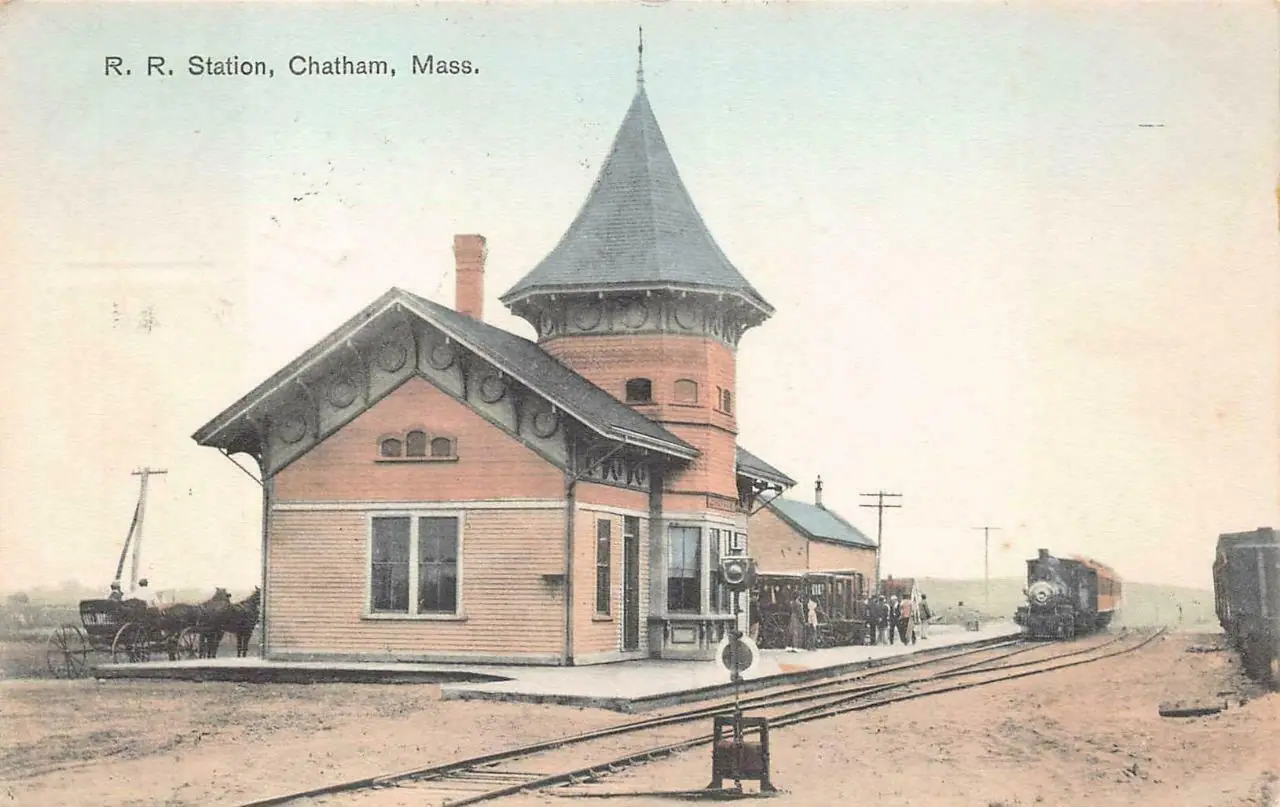
    Chatham

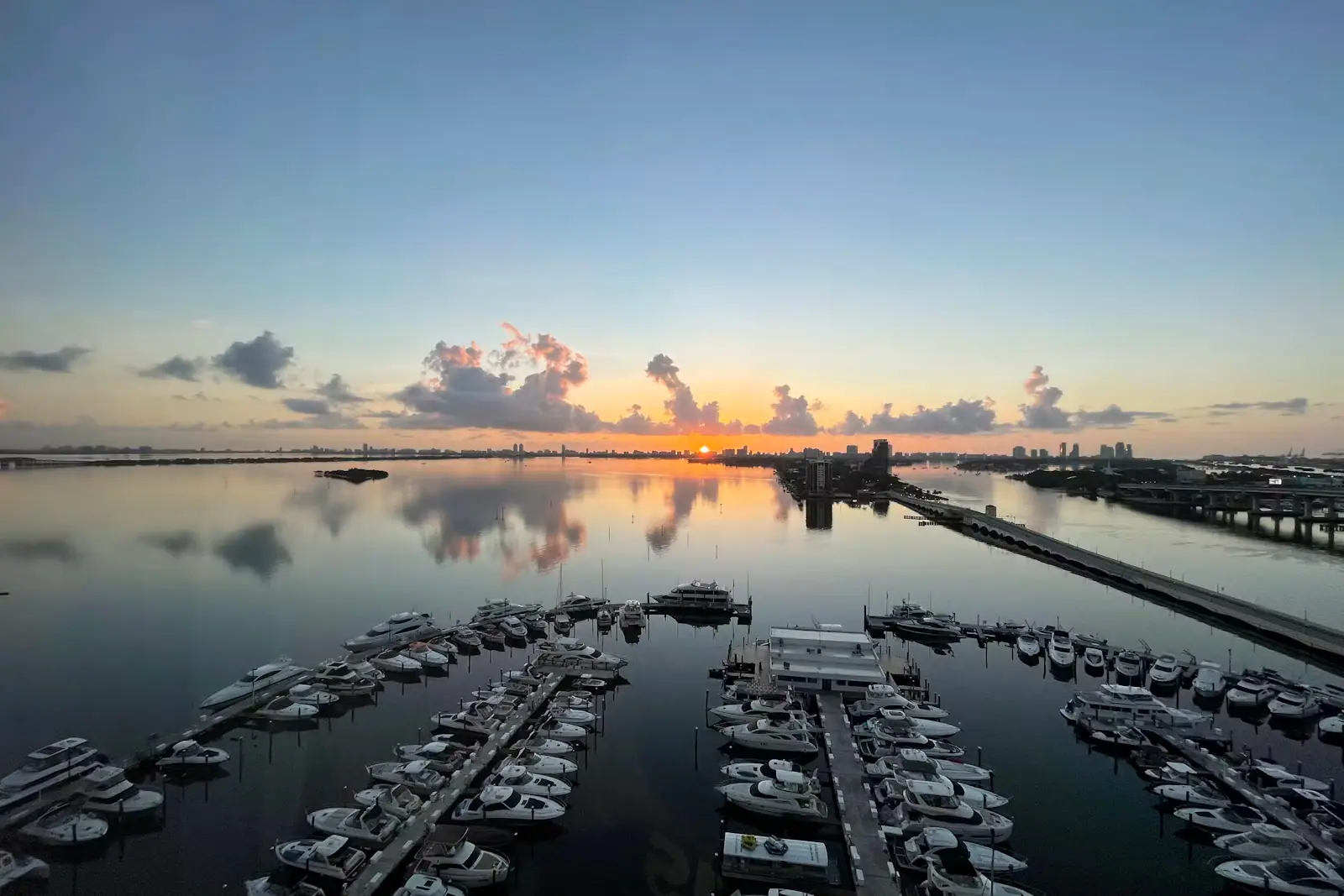
    The town at the Cape's elbow, where a barrier beach has broken open three times since 1987 and rebuilt the shoreline each time.

    3–8 hoursFree to visit. Town beach lots require a Chatham parking sticker in season.1.3 mi away

  • Working fishing and excursion boats tied along a pier with a Cape Cod town behind them

    Marina

    Free

    Chatham Fish Pier

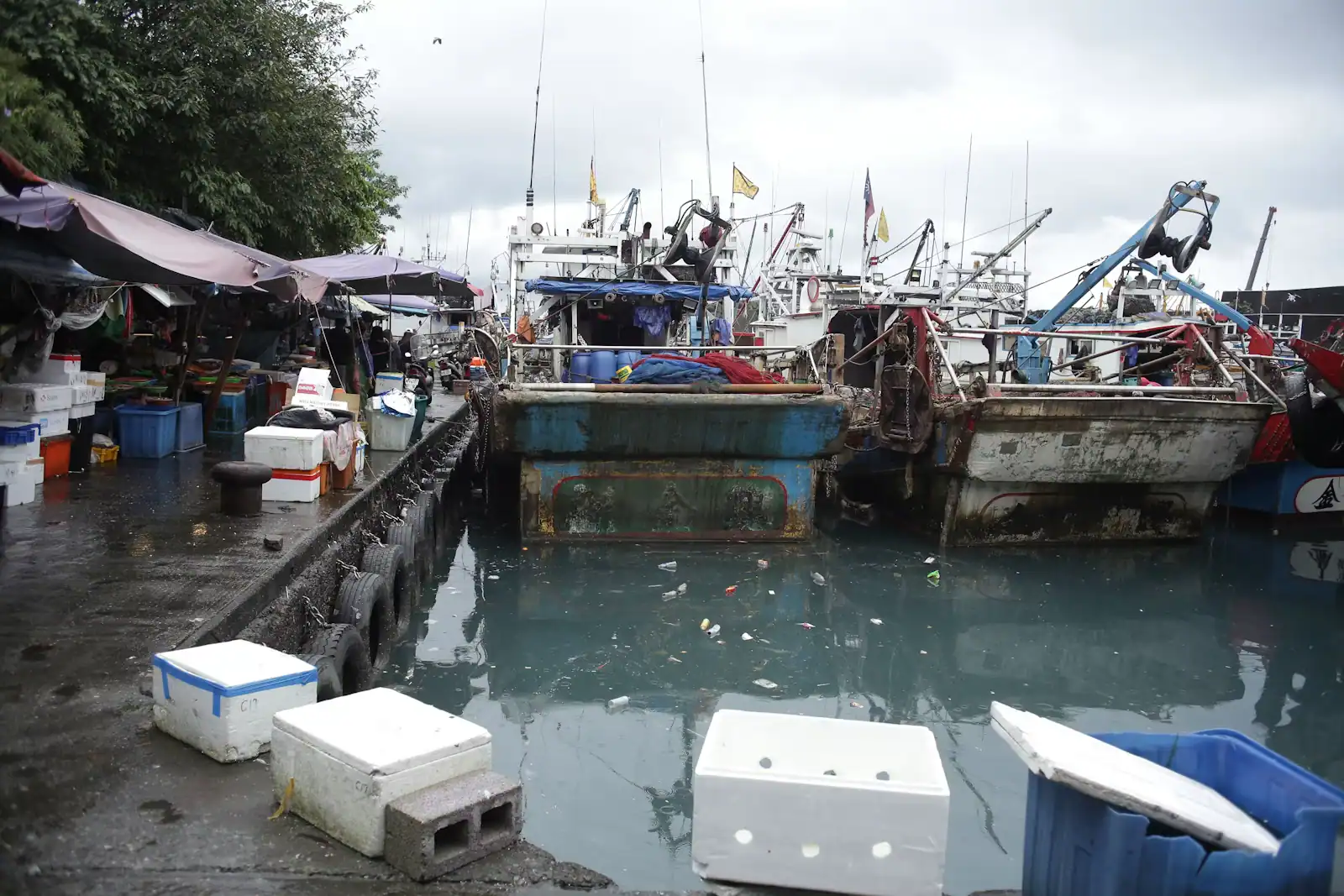
    A free viewing gallery built over a working unloading floor, where Chatham's day boats land what they caught that morning.

    0.5–1.5 hoursFree. The observation gallery above the unloading floor has no admission at any time of year.1.9 mi away

  • Boats tied up in a harbour basin below a lighthouse

    Landmark

    Free

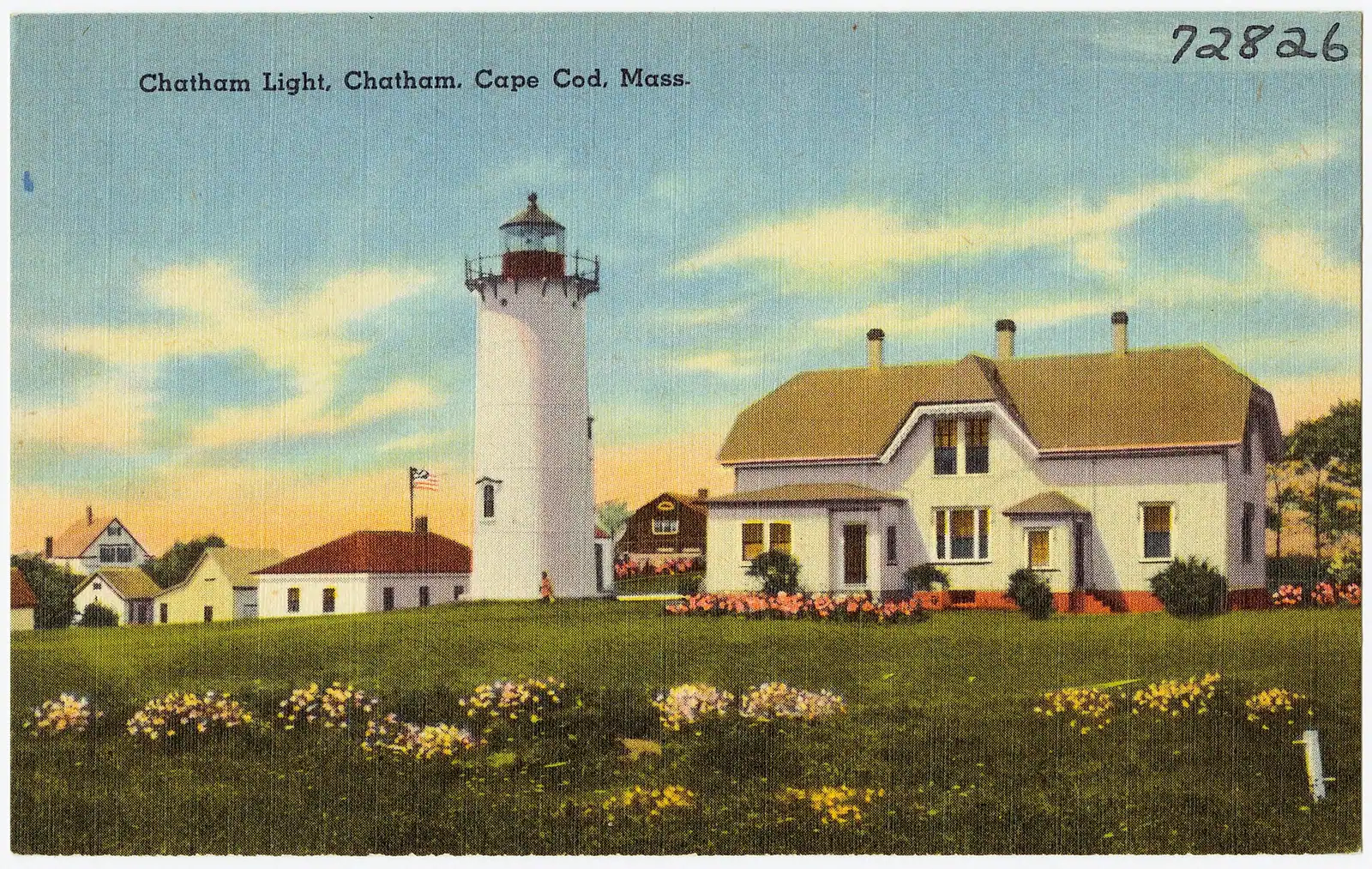
    Chatham Light

    An active Coast Guard station at the Cape's elbow, above a barrier beach that has broken open and resealed several times in living memory.

    0.5–1.5 hoursFree. The overlook, the view and the beach stairs cost nothing.1 mi away

  • A paved pathway running between green grass under an overcast sky

    Trail

    Free

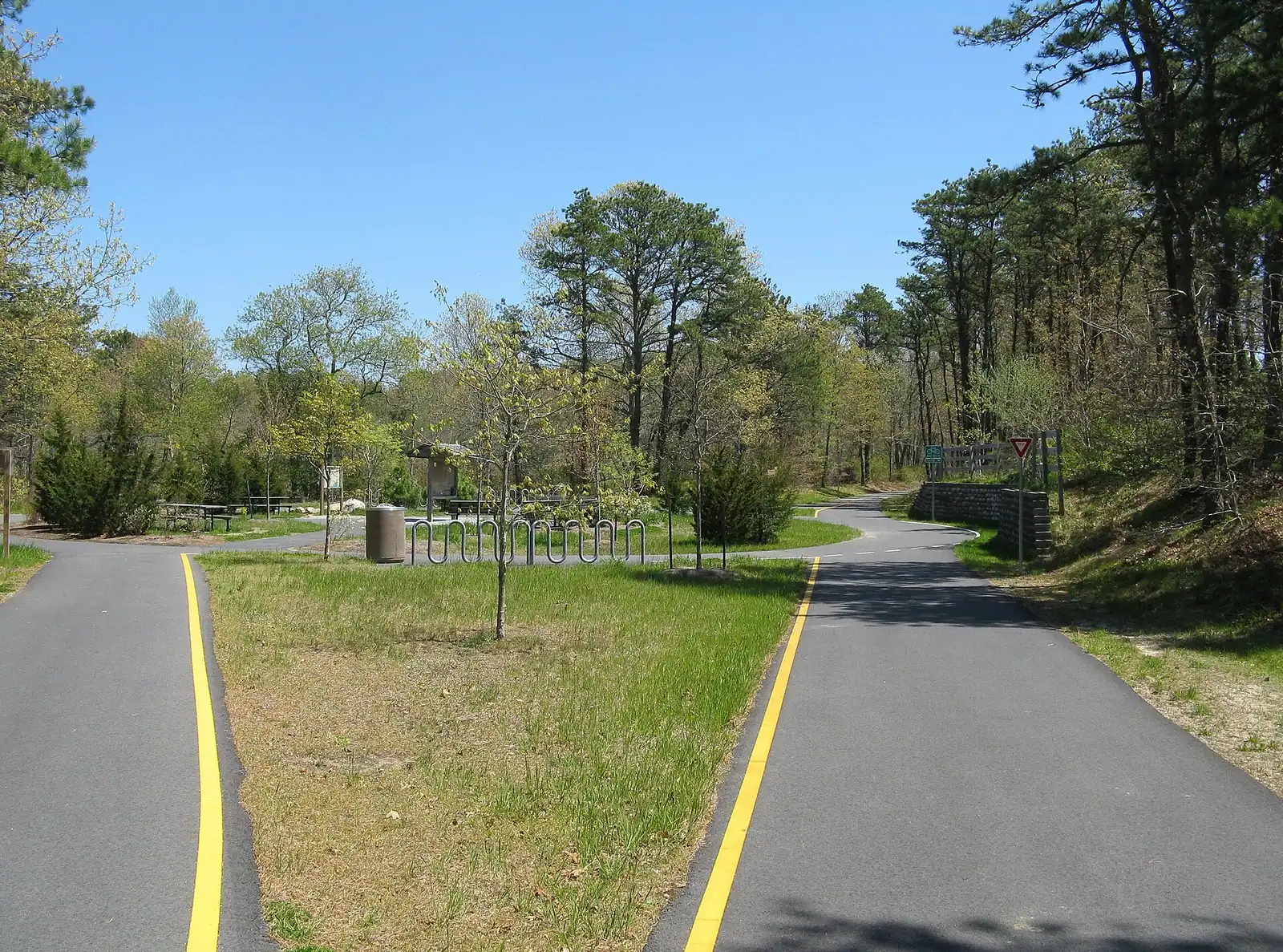
    Cape Cod Rail Trail

    Twenty-five and a half paved miles on an old railbed through seven towns, and the way to reach a beach in August without parking.

    1.5–6 hoursFree to use. Some trailhead car parks charge or require a town sticker.7.1 mi away

Monomoy Refuge: common questions

Can you visit Monomoy National Wildlife Refuge?

Partly. The mainland Morris Island unit in Chatham is open daily from sunrise to sunset with a small car park at the end of Wikis Way and a walking trail of about three quarters of a mile. North and South Monomoy are designated Wilderness, reachable only by boat, and the Fish and Wildlife Service does not operate a public service. Getting out there means booking with a permitted Chatham operator, usually as a seal-watching trip.

How many seals are at Monomoy?

Grey seals haul out on the Monomoy bars in the thousands, with numbers varying by season and by tide. The scale is recent. State bounty schemes had reduced the New England grey seal population to a handful by the early 1970s, and the Marine Mammal Protection Act of 1972 allowed it to rebuild. That recovery is why white sharks now patrol this shoreline every summer. Federal rules require boats to stay 150 feet from hauled-out seals.

Is the Morris Island trail safe at high tide?

No, and this is the one genuine hazard here. The shoreline portion of the trail crosses ground that floods on a rising tide, and visitors have been cut off. Check a tide table before you set out, walk the shore leg on a falling tide, and turn back rather than wading a channel you have not already seen at low water. The upland loop stays dry, so an alternative exists if the timing is wrong.

Can you bring a dog to Monomoy?

Not to the islands at any time, and not to the Morris Island trails between 1 May and 15 September. Outside that window, from 16 September to 30 April, leashed dogs are permitted on the mainland trails. The restriction exists because piping plovers and terns nest directly on open sand where a dog cannot tell the difference between a beach and a nest, and this refuge holds the largest common tern colony on the Atlantic seaboard.

What birds can you see at Monomoy?

The headline is the common tern colony, which exceeded 17,000 pairs in 2022 and is the largest on the Atlantic seaboard. Piping plovers nest on the open sand from spring. Migrating shorebirds including red knots stop here in large numbers, feeding on horseshoe crab spawn in May and again on the flats from late August into October. Winter brings eiders, scoters and loons offshore. Late summer migration is the least crowded and most productive period.