White sharks are a routine part of summer on the Outer Cape. That sentence makes tourism boards uncomfortable and it is simply true, and a visitor who reads it here rather than discovering it from a purple flag at Marconi is better off.
None of what follows is intended to frighten anyone out of the water. Almost everybody who swims on Cape Cod swims without incident, every day, all summer. But the guidance is specific, the flag system means something, and the difference between a visitor who knows it and one who does not is measured in seconds.
Why the sharks are here now
They are here because the seals are. Grey seals were hunted to near-absence from New England waters and were protected by the Marine Mammal Protection Act in 1972. Over the following decades they recolonised, and the centre of that recovery is the chain of barrier islands running south from Chatham that forms Monomoy National Wildlife Refuge, 7,604 acres of sand, dune and wilderness established in 1944 and reachable only by permitted boat.
Population estimates for the region run into the tens of thousands, though counting seals from the air is genuinely contested work and the numbers you see quoted vary a great deal depending on method. What is not in dispute is the consequence: a large, dependable food source arrived on a shoreline where white sharks had not had one in living memory, and the sharks followed it.
The season and the geography
Shark activity around the Cape builds through the summer and peaks from roughly August into October. That is worth reading twice, because it means the busiest period overlaps with the part of the year when the National Seashore has no lifeguards on duty. The Seashore staffs its beaches from around the third week of June to Labor Day and at no other time, and white sharks remain active well into the autumn.
Geographically, the risk concentrates on the Atlantic-facing outer beaches from Chatham north to Provincetown, which is exactly where the seals haul out and where the water drops away steeply close to shore. The National Park Service is direct about the mechanism: sharks hunt seals in shallow water here. This is not a distant-offshore phenomenon.
Cape Cod Bay and Nantucket Sound are a different picture, and the kettle ponds inland are freshwater and have nothing to do with any of it.
The flags, and what happens when a shark is seen
| Signal | What it means |
|---|---|
| Purple flag with a white shark silhouette | The Cape's shark warning, flown at lifeguarded beaches to alert swimmers to shark presence or danger |
| Water closed by lifeguards | A shark has been sighted at a guarded beach. Swimming and surfing stop until the lifeguards say otherwise |
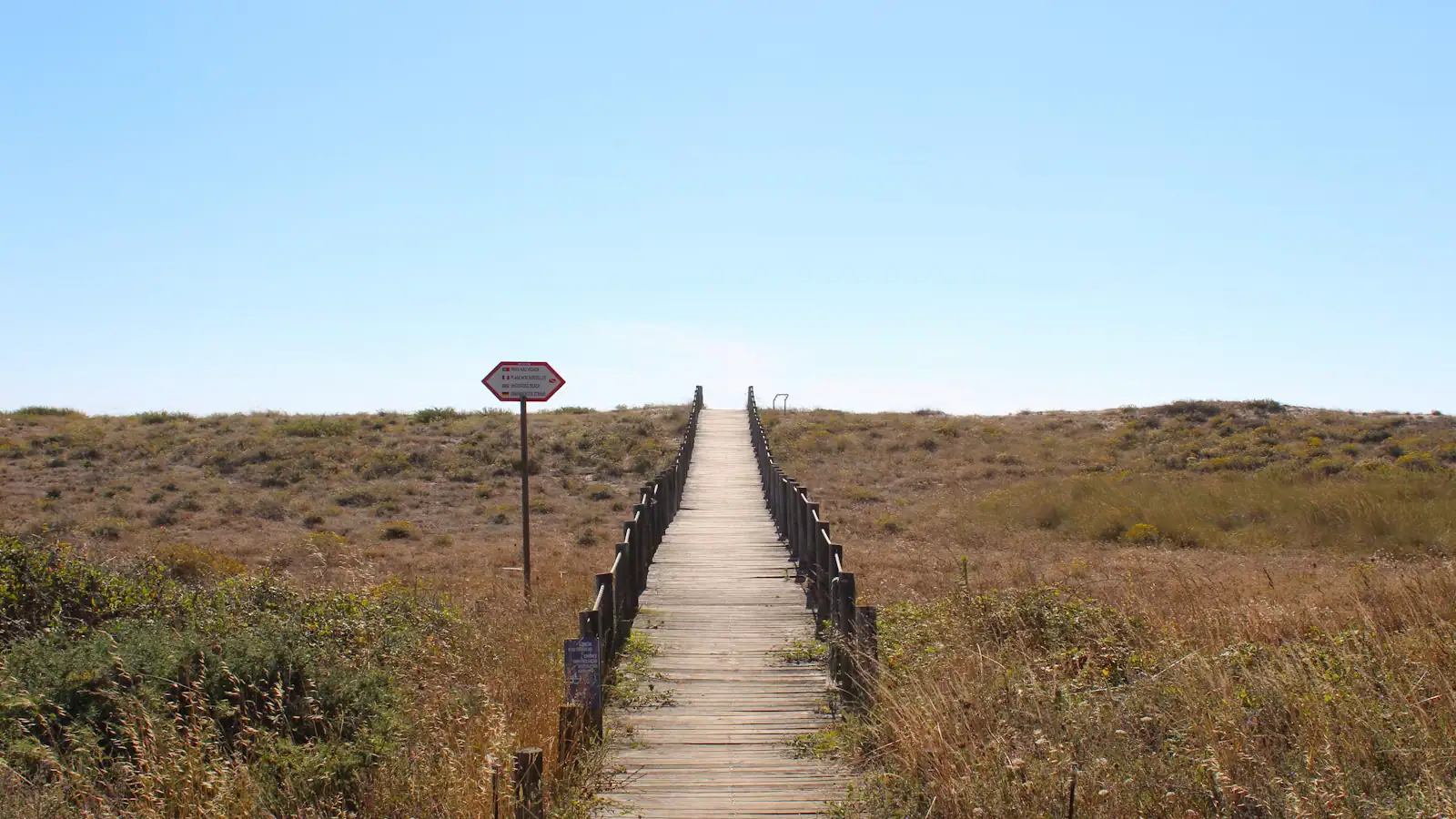
| Signage at the beach entrance | Standing guidance, and the location of the nearest emergency call box |
| No flag and no lifeguard | Outside the staffed season. Nobody is watching the water for you |
When a shark is spotted at a lifeguarded Seashore beach, the water is temporarily closed to swimming and surfing, and the lifeguards announce when people may go back in. The Seashore does not publish a fixed closure duration, so do not plan around one; wait for the call.
What to actually do
This is the official guidance, restated plainly.
- Stay close to shore, in water where rescuers can reach you quickly. Distance from the sand is the single variable you control.
- Do not isolate yourself. Swim, surf, paddle and kayak in groups rather than alone.
- Keep well away from seals. If there are seals in the water or hauled out nearby, go somewhere else. This is the most important item on the list.
- Avoid schools of fish, and avoid water churning with birds working the surface.
- Stay out of murky water, and limit splashing.
- Follow every sign and every flag, including at unguarded beaches where the signage is all there is.
- Know where the emergency call box is before you go in. The Seashore installs them at beach entrances.
In an emergency, call 911. The Seashore also publishes ranger station numbers for reporting a sighting where there are no lifeguards: 508-255-2112 for the southern end of the park and 508-487-2100 for the Provincetown end. Verify those against the park's own site before you rely on them.
The Sharktivity app, and what it is not
Sharktivity is run by the Atlantic White Shark Conservancy, built with input from the Massachusetts Division of Marine Fisheries, Cape Cod National Seashore and town officials along the Cape and South Shore, with public sighting reports verified by the New England Aquarium before they are published. It maps confirmed sightings near beaches, verified and unverified reports, acoustic tag detections both live and recent, and satellite-tagged animals.
It is a genuinely useful tool and it is worth having on your phone for the week. It is not a safety clearance. The app's own disclaimer says so in capital letters: it does not tell you which beaches or which stretches of water are safe, and the only way to rule out an encounter entirely is to stay on shore. An absence of pins on a map means an absence of reports, not an absence of sharks.
The honest risk
In September 2018 a young man was killed by a shark while boogie-boarding at Newcomb Hollow Beach in Wellfleet. It was the first fatal shark attack in Massachusetts since 1936. That is the accurate frame: a genuine, extremely rare event on a coast where millions of people swim.
For perspective on the same beaches, cold water and the outer shore break put far more people in difficulty every summer than sharks do, and neither of those gets a flag of its own. Take all of it seriously in proportion.
Watching seals without breaking the law
Seals are the best wildlife on the Cape and they are protected animals. The Marine Mammal Protection Act makes it an offence to harass them, and that includes approaching a hauled-out seal on a beach closely enough to make it move.
The usual official guidance is to keep at least 150 feet away, on land or on the water, and to leave a pup alone entirely: a seal pup on the sand is very often not abandoned, and standing near it can keep the mother offshore. If you find one, report it to a stranding hotline rather than intervening.
Commercial seal trips out of Chatham take you round the Monomoy shoals, which is the right way to see them: from a boat run by people who know the distances, near a haul-out that can hold thousands of animals. Do not go swimming from that boat.
Last updated
Opening hours, ordinances and prices move with the season. We re-check this guide rather than rewrite it, and the date above is the last time someone did. How we research and correct.