Ask which beach to go to on Cape Cod and you will get fifteen different answers, all of them right, all of them useless. The question that actually sorts the problem out is which of three coasts you want, because the peninsula has three and they behave nothing alike.
The three coasts, and what each one gives you
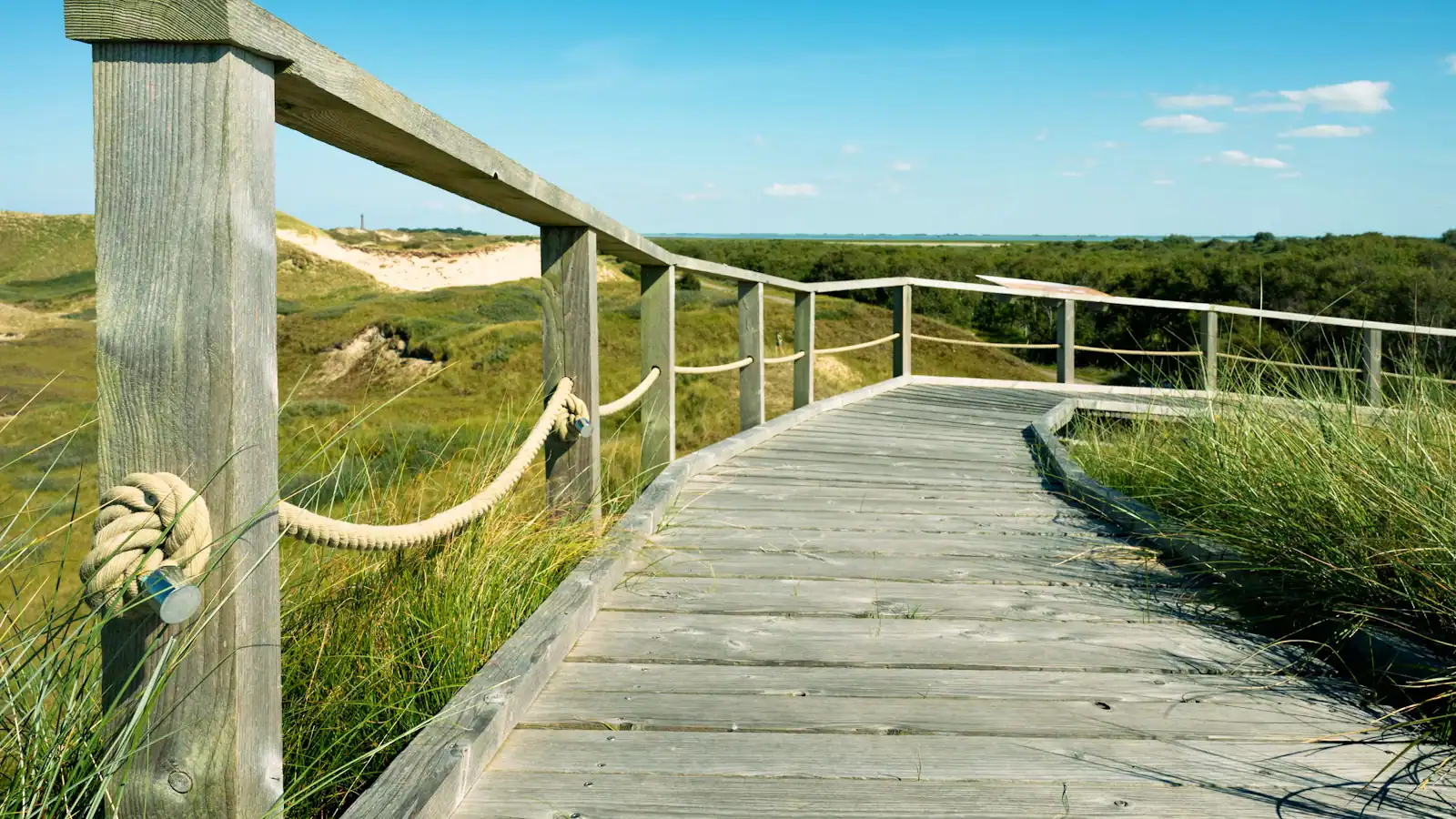
The Atlantic shore. From the elbow at Chatham north to Race Point, the outer beaches face open ocean across a steeply shelving bottom. The sand drops away fast, the break lands close in, and the water sits in the region of the high fifties to mid sixties Fahrenheit through most of the summer. Almost the entire run is inside Cape Cod National Seashore, so the backdrop is dune and sand cliff rather than roofline. This is the coast people photograph and the one children find hardest.
Cape Cod Bay. The inside of the hook, from Sandwich round through Brewster to Eastham, faces north into a shallow enclosed bay. Small waves, noticeably warmer water, and a tidal range in the region of nine to eleven feet that empties the shore twice a day into flats you can walk out on for the better part of a mile at Brewster and Orleans. At low water it stops being a beach and becomes a landscape.
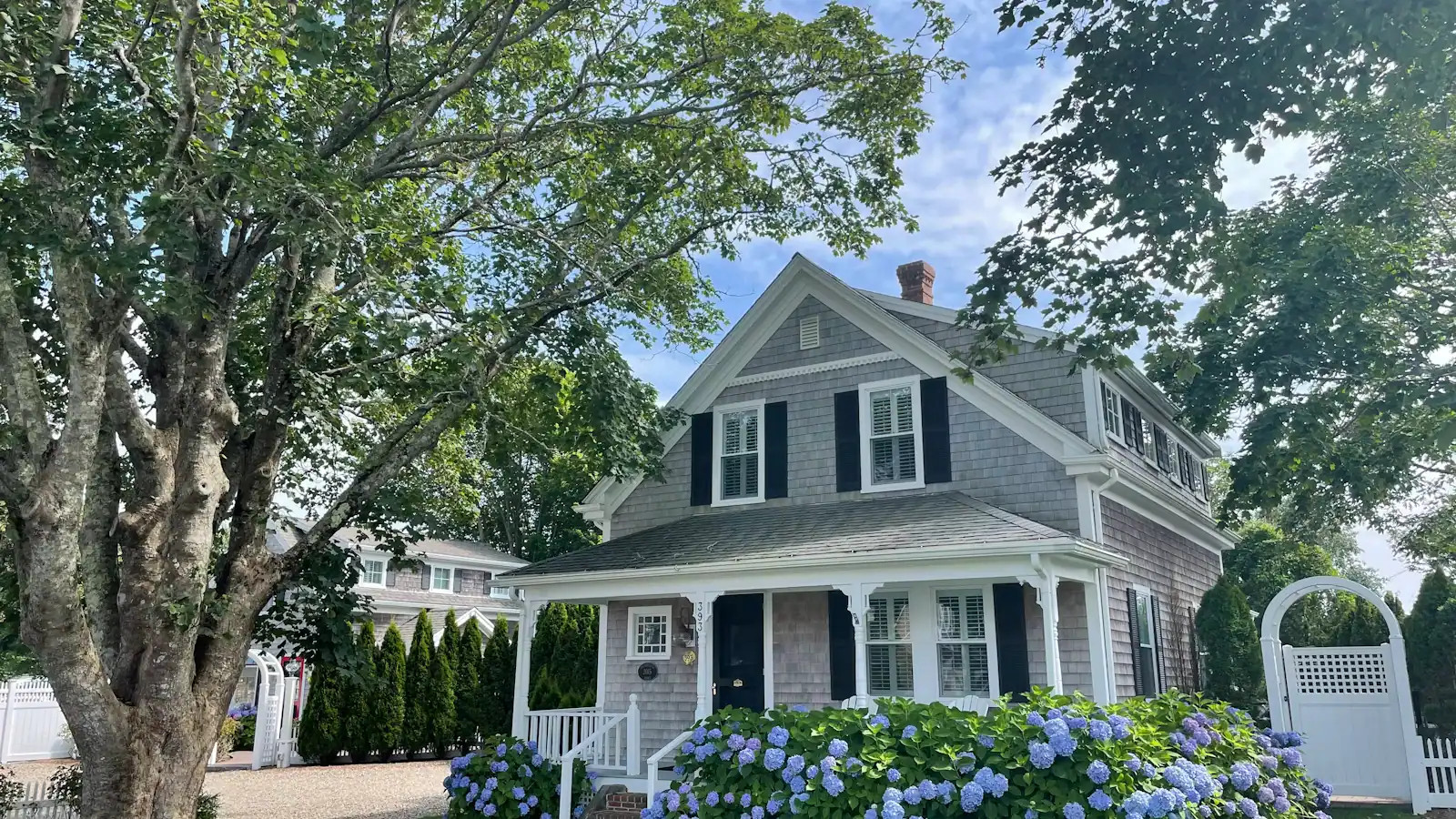
Nantucket Sound. The south shore, Falmouth through Harwich, is protected by the islands. Warmest of the three by August, the smallest surf, and the densest concentration of family cottages on the Cape. It is the coast most visitors use by accident because it is the coast most accommodation sits on.
Where to go, by what you want
| If you want | Go to | Coast | Note |
|---|---|---|---|
| The big empty ocean view | Coast Guard Beach, Eastham | Atlantic | Summer parking is at Little Creek with a shuttle; the beach lot has been gone since the 1978 blizzard |
| A lighthouse above the sand | Nauset Light Beach, Eastham | Atlantic | Steep stairway down, and the tower is a short walk from the lot |
| Height and a sense of scale | Marconi Beach, Wellfleet | Atlantic | Long wooden staircase from a high bluff; the wireless station site sits above it |
| Whales from the sand, sometimes | Race Point Beach, Provincetown | Atlantic | Faces north at the tip, where deep water comes close in |
| Sunset over the water | Herring Cove Beach, Provincetown | Atlantic | West-facing, calmer than the rest of the outer shore, level access from the lot |
| Quieter ocean with two lots | Head of the Meadow Beach, Truro | Atlantic | A Seashore lot and a town lot sit side by side under the same name |
| The walk out across the flats | Skaket Beach, Orleans | Bay | Time it to low water or do not bother; the lot fills early |
| History with your sunset | First Encounter Beach, Eastham | Bay | Named for the 1620 skirmish between the Mayflower's shore party and the Nauset |
| Six miles of barrier beach | Sandy Neck Beach, Barnstable | Bay | Off-road vehicle trail behind the dunes, with permits and plover closures |
The parking, which defeats more visitors than the surf
There are two entirely separate systems and they do not recognise each other.
National Seashore beaches take a single published fee at the gate: $25 per vehicle per day, $20 for a motorcycle, $15 for anyone aged 16 or over arriving on foot or by bicycle, and $60 for a Seashore annual pass valid at all six. The gates are cashless. Passes are sold at the beach entrances only and not at the visitor centres, and fee collection runs from late May to mid-September, thinning to weekends at either end of that window. The six are Coast Guard and Nauset Light in Eastham, Marconi in Wellfleet, Head of the Meadow in Truro, and Race Point and Herring Cove in Provincetown.
Town beaches are run by each of the fifteen towns for its own residents and taxpayers first. Most sell a daily non-resident parking fee at a handful of lots, commonly somewhere in the $20 to $35 range, and a few sell nothing to visitors at all. A weekly sticker bought in Orleans buys you nothing in Eastham. If you are renting a cottage, ask the owner before you arrive whether the property comes with a town sticker, because a great many do and it is worth more than it sounds.
Either way, the lots fill. Skaket on a good low tide and Nauset Beach in Orleans on any July Saturday are both gone well before eleven.
The tide is the appointment, on the bay side
Nothing on the bay changes a day as much as the tide. High water gives you an ordinary, narrow, perfectly pleasant beach. Low water at Skaket, Paines Creek, Breakwater or Mayflower turns the same place into a half-mile of rippled sand with warm channels running through it, hermit crabs in every pool and the water so far out that the swimming happens on the way back.
Check the tide table for the day and build around it. The bay runs roughly six hours out and six hours back, so a low tide in the late morning is the jackpot and a low tide at seven in the evening is a different, quieter prize.
On the Atlantic side the tide matters less for the swim and a great deal for the walk: the base of the sand cliffs at Marconi and Nauset Light narrows sharply at high water, and people who walk a mile up the beach at low tide sometimes come back along a strip that is no longer there.
Cold water, and what the outer surf actually does
The Atlantic here is cold enough to shorten your breath when you go under. That is not a failure of nerve, it is a physiological reflex, and the answer is to get in gradually rather than to run.
The second thing to understand about the outer beaches is the shape of the bottom. The sand shelves steeply, so you go from shin-deep to shoulder-deep in a step or two, and the wave energy lands right there on the slope rather than out on a bar. That is what makes the shore break hit so hard and why it knocks children down. The current running along the shoreline is usually stronger than it looks.
If the water takes hold of you, do not try to out-swim it directly back to the sand. Let it carry you while you work across the beach face, parallel to the shoreline, until the pull slackens, then come in at an angle. Lifeguards are on the Seashore beaches from around the third week of June to Labor Day and at no other time of the year, so an early June or late September swim is one you are supervising yourself.
Finally: the purple flag with a white shark silhouette is not decoration. It means what it says, and the Seashore closes the water temporarily when a shark is seen at a guarded beach.
Last updated
Opening hours, ordinances and prices move with the season. We re-check this guide rather than rewrite it, and the date above is the last time someone did. How we research and correct.