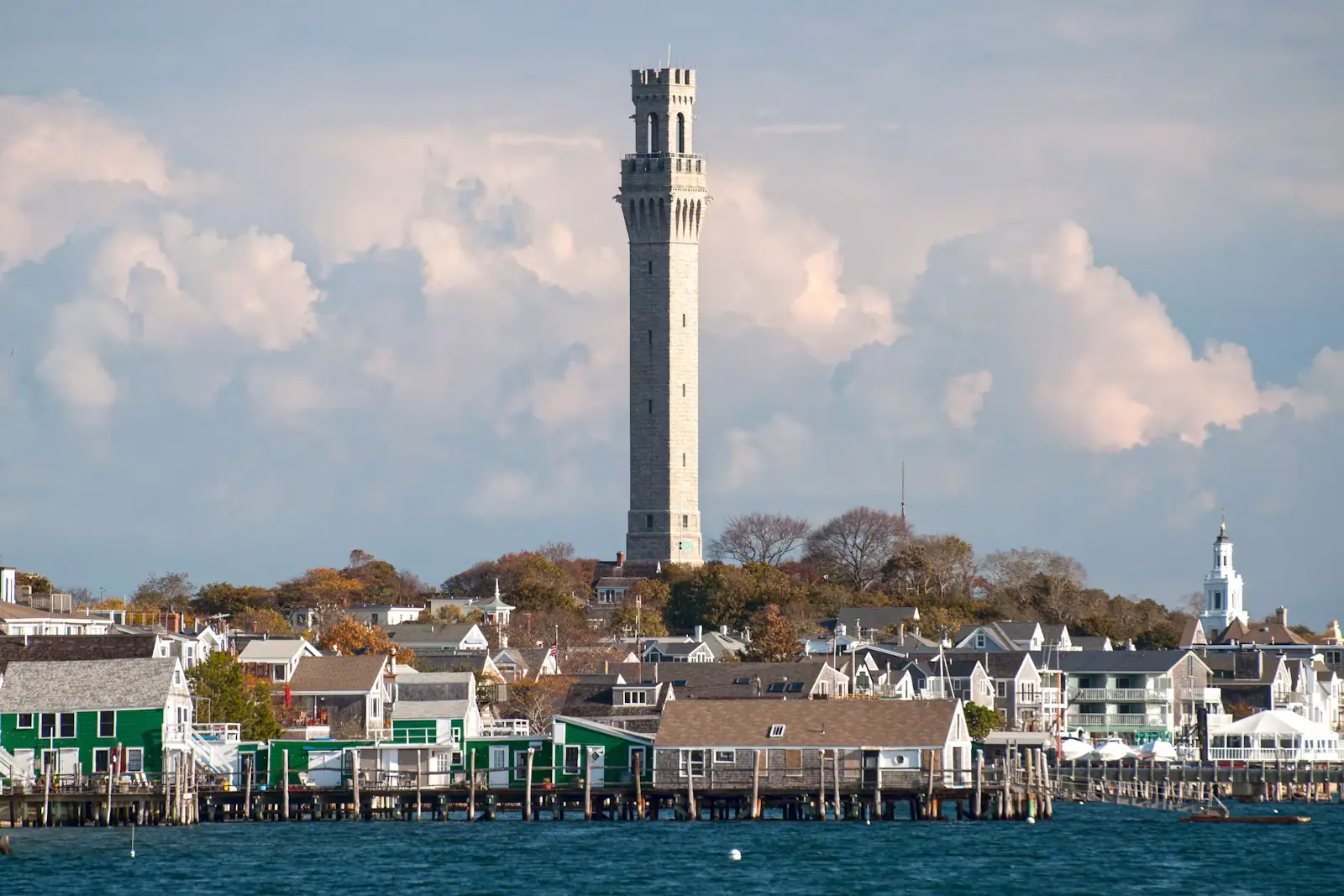
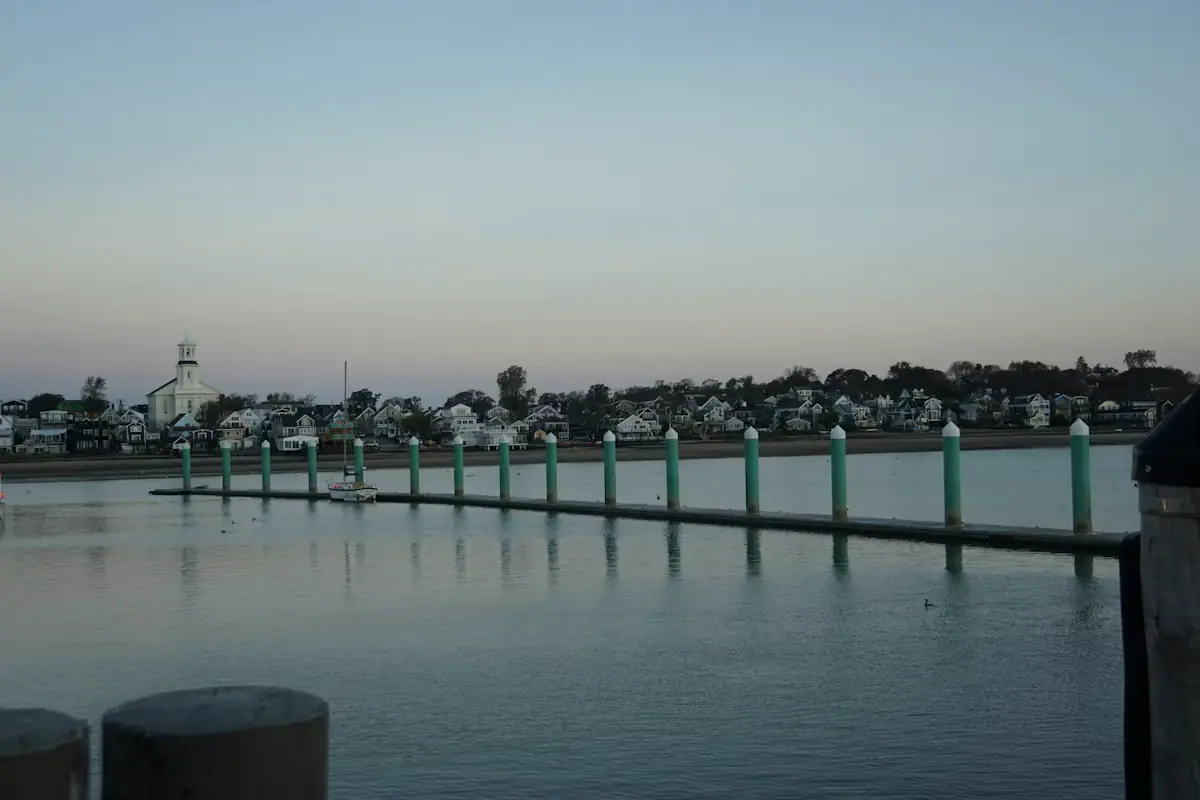
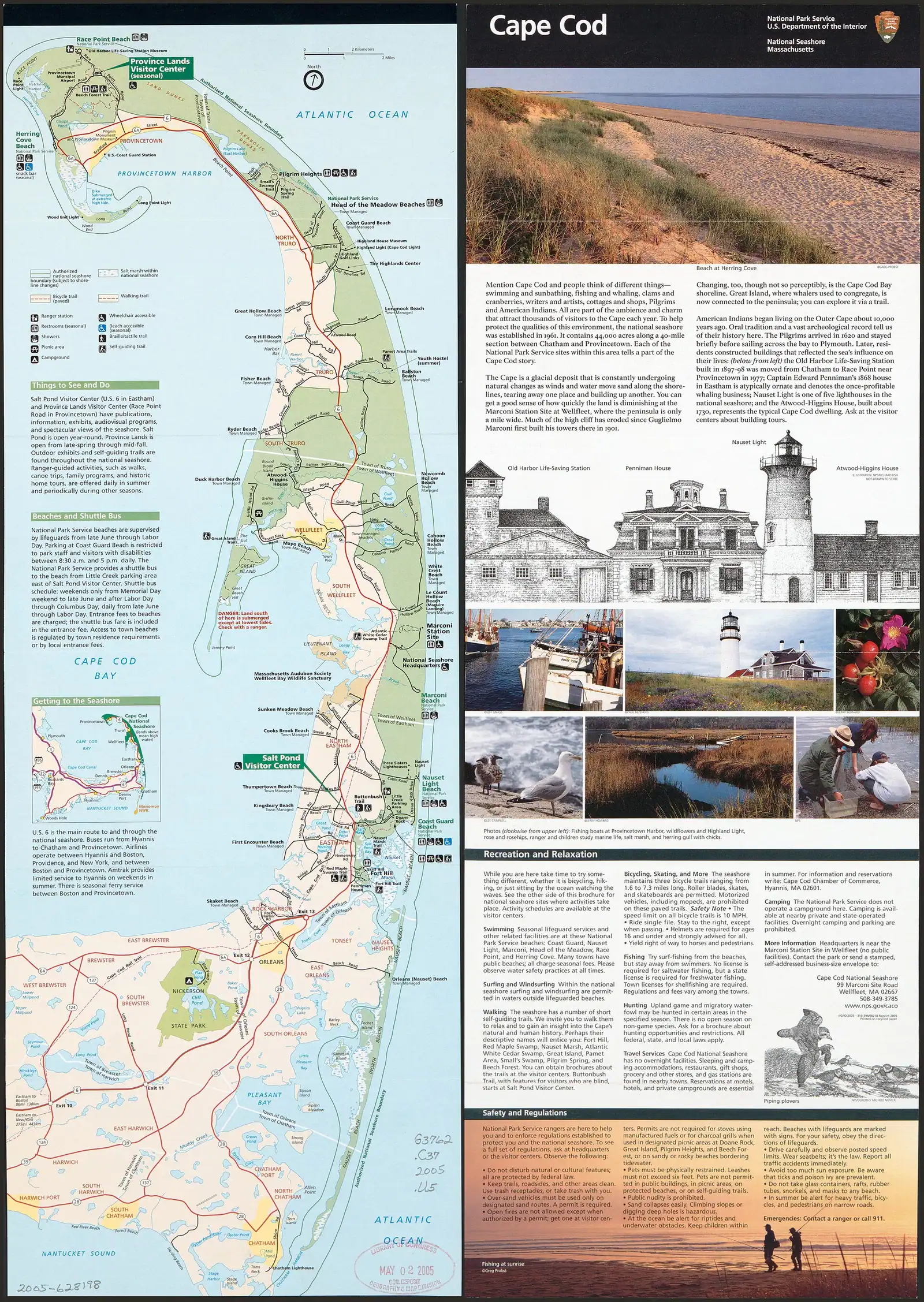
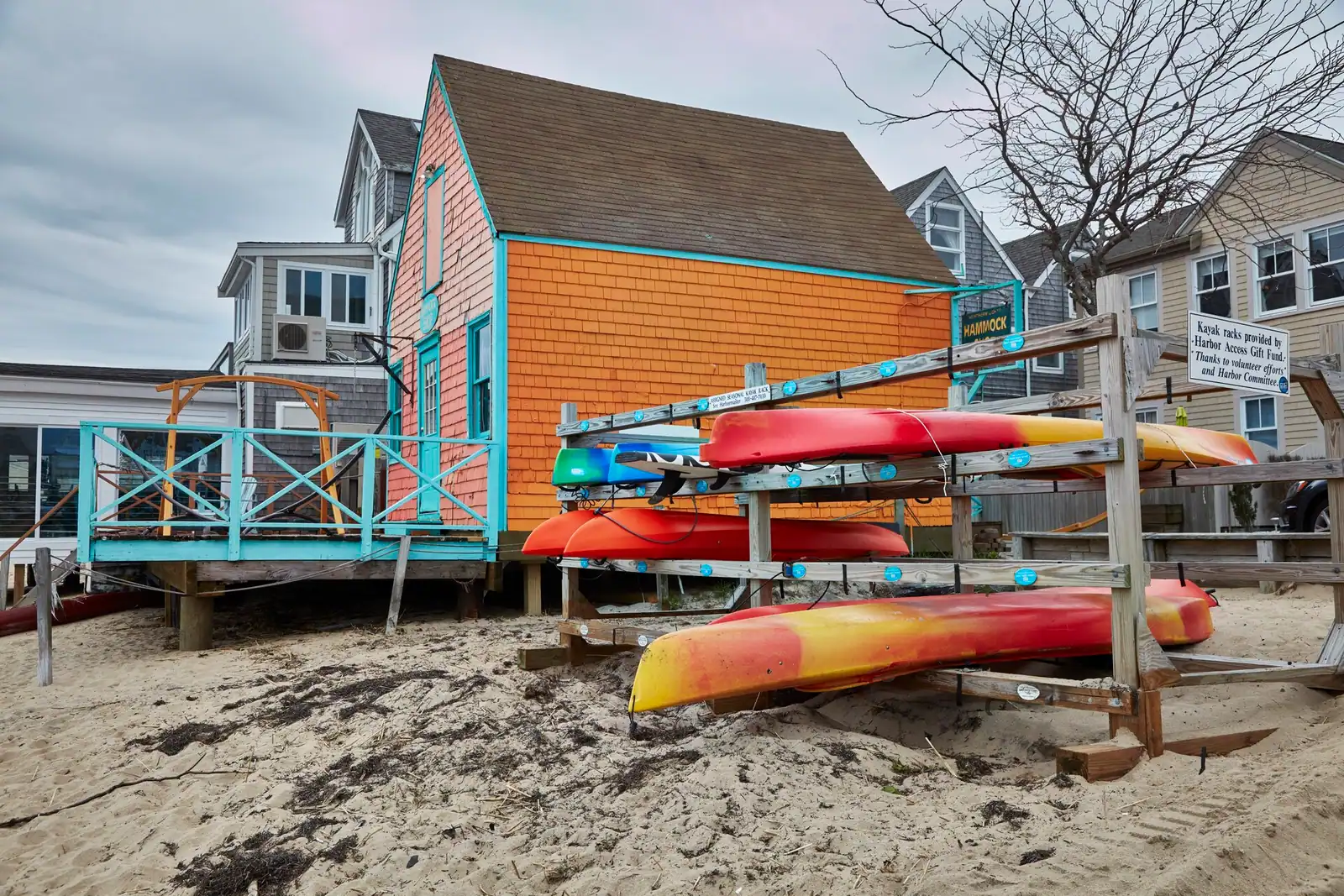
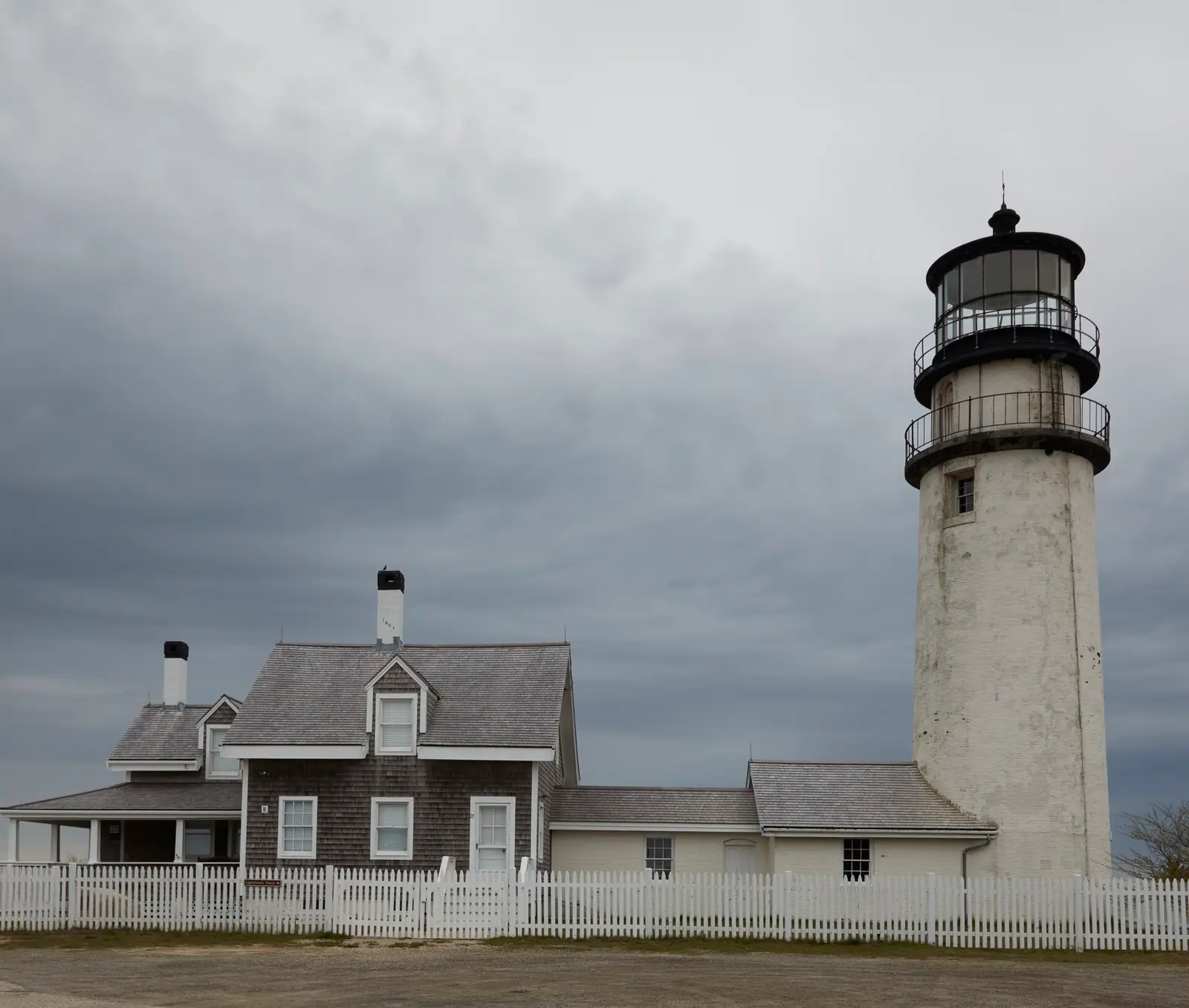
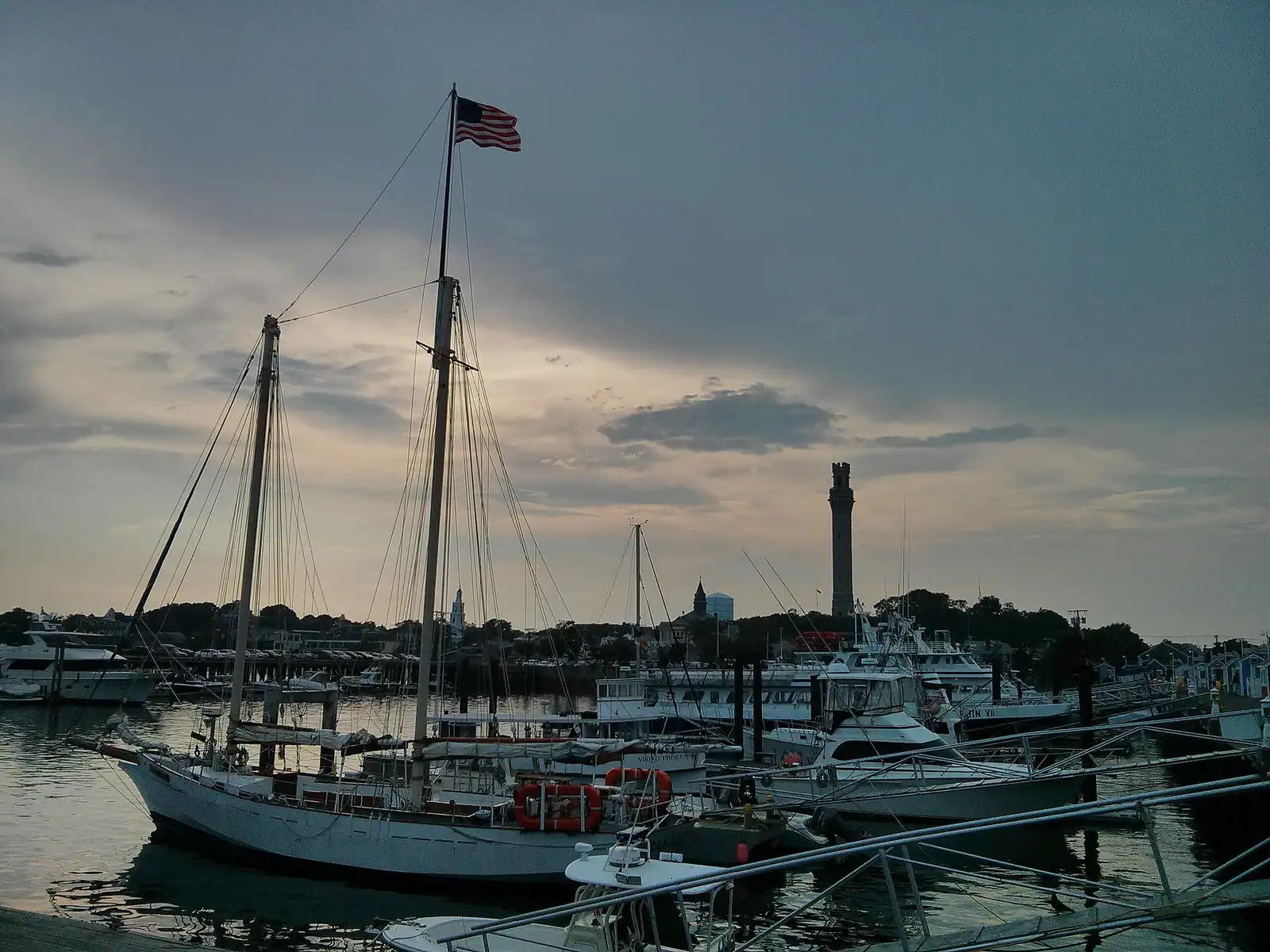
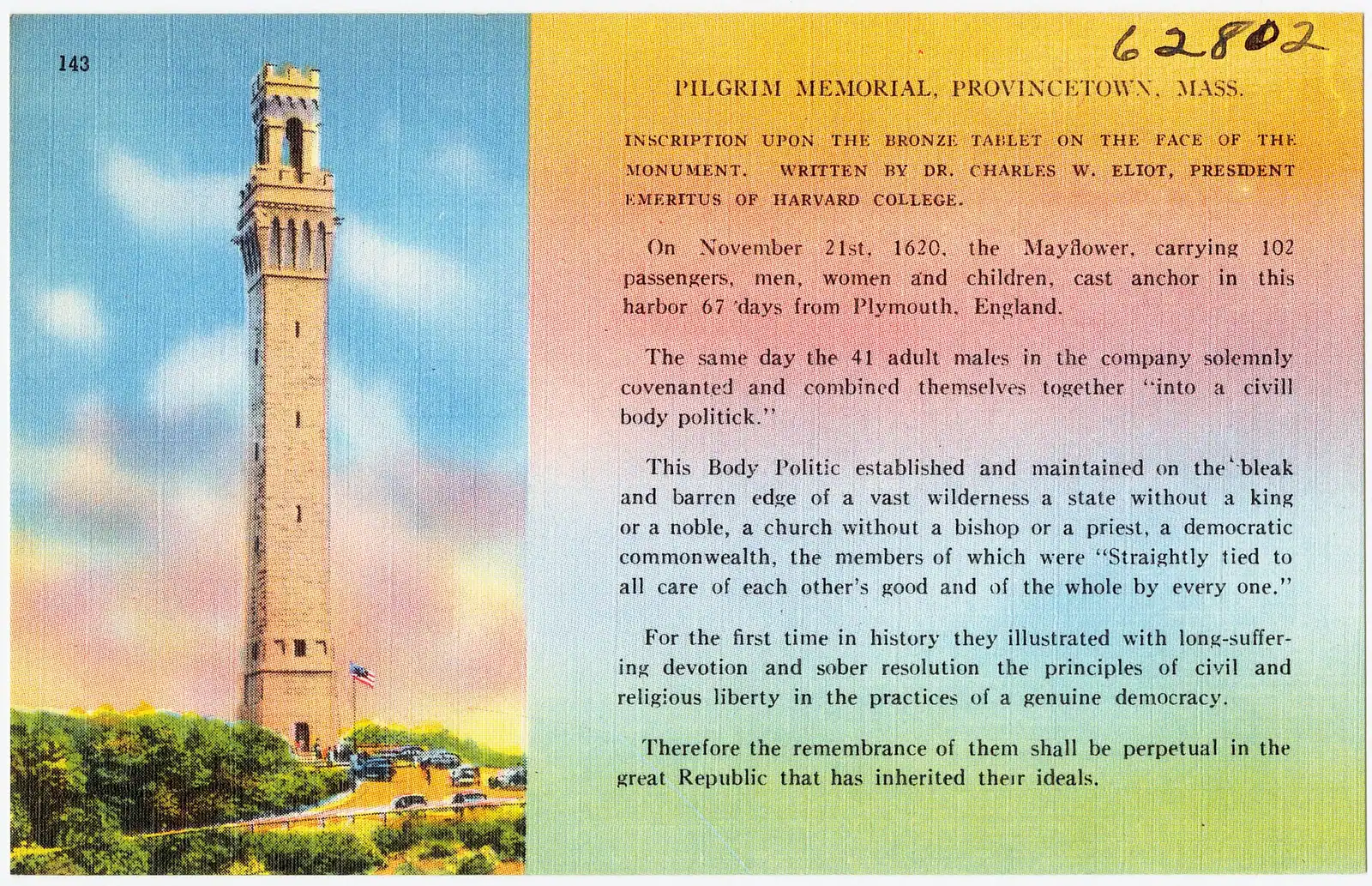
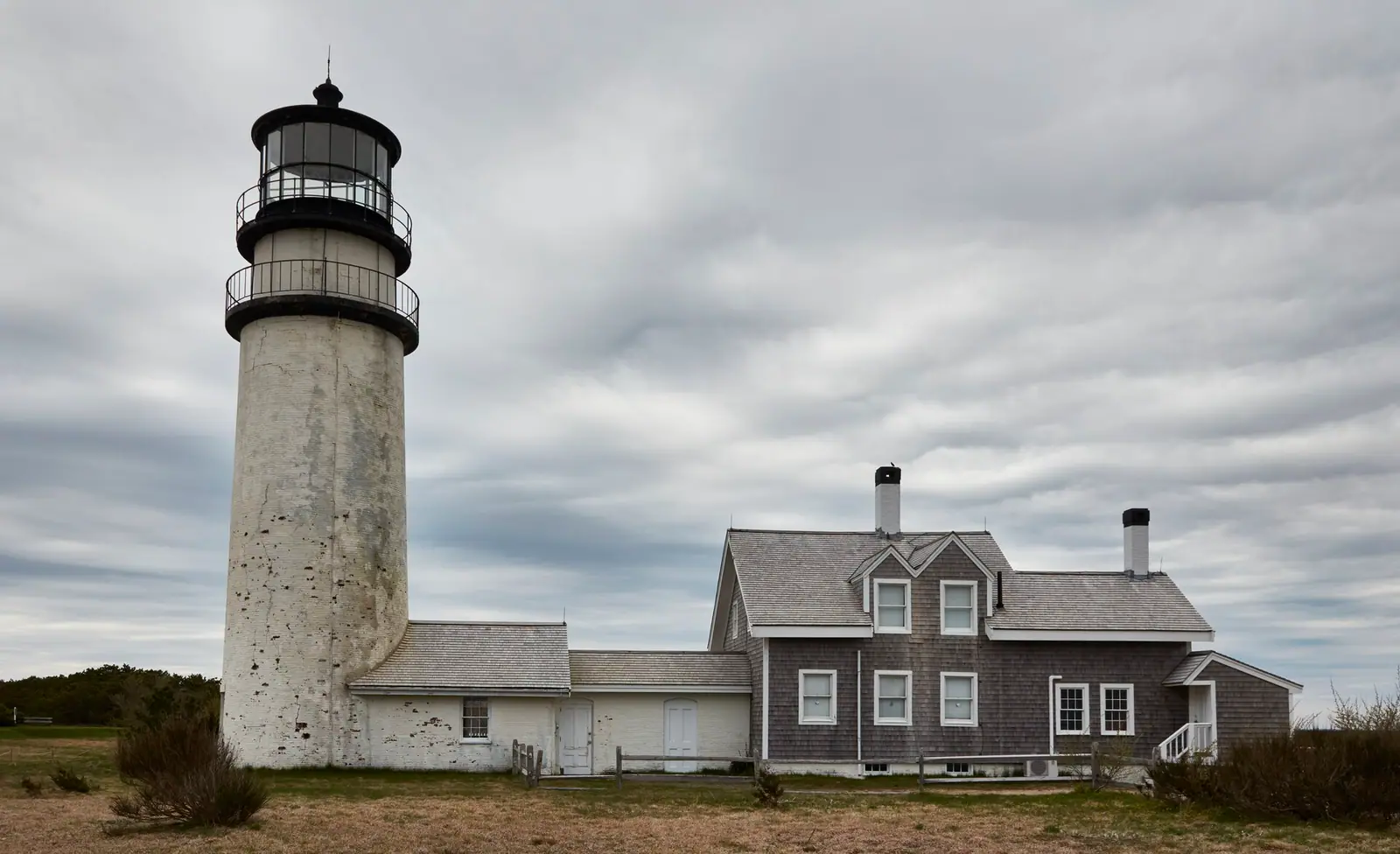
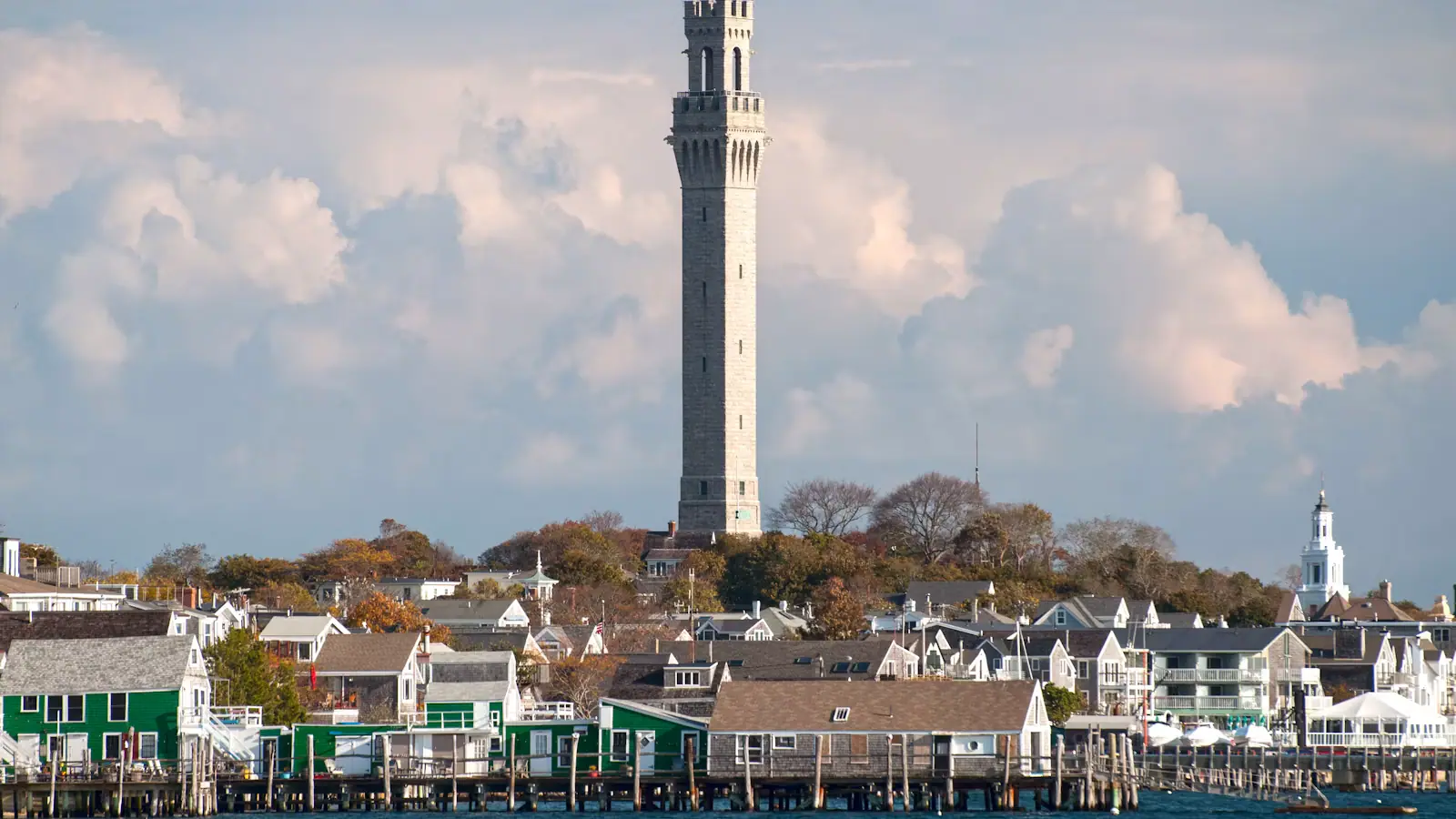
Provincetown is where the Cape runs out. The peninsula curls north, then west, then back on itself into a spiral of sand, and the town sits in the shelter of that curl facing its own harbour, with the Atlantic behind it over the dunes and nothing beyond it but Massachusetts Bay. Three and a half thousand people live here through the winter. On a hot Saturday in August the number on Commercial Street is measured in tens of thousands.
Three histories are running at once, and they do not take turns. The oldest is maritime: this was one of the great New England fishing ports, and from the middle of the nineteenth century it filled with Portuguese sailors, most of them Azorean, who came ashore off American vessels and stayed. Their descendants still crew the boats, the Blessing of the Fleet still happens at the end of June, and kale soup and linguiça are on menus here as local food rather than as a theme.
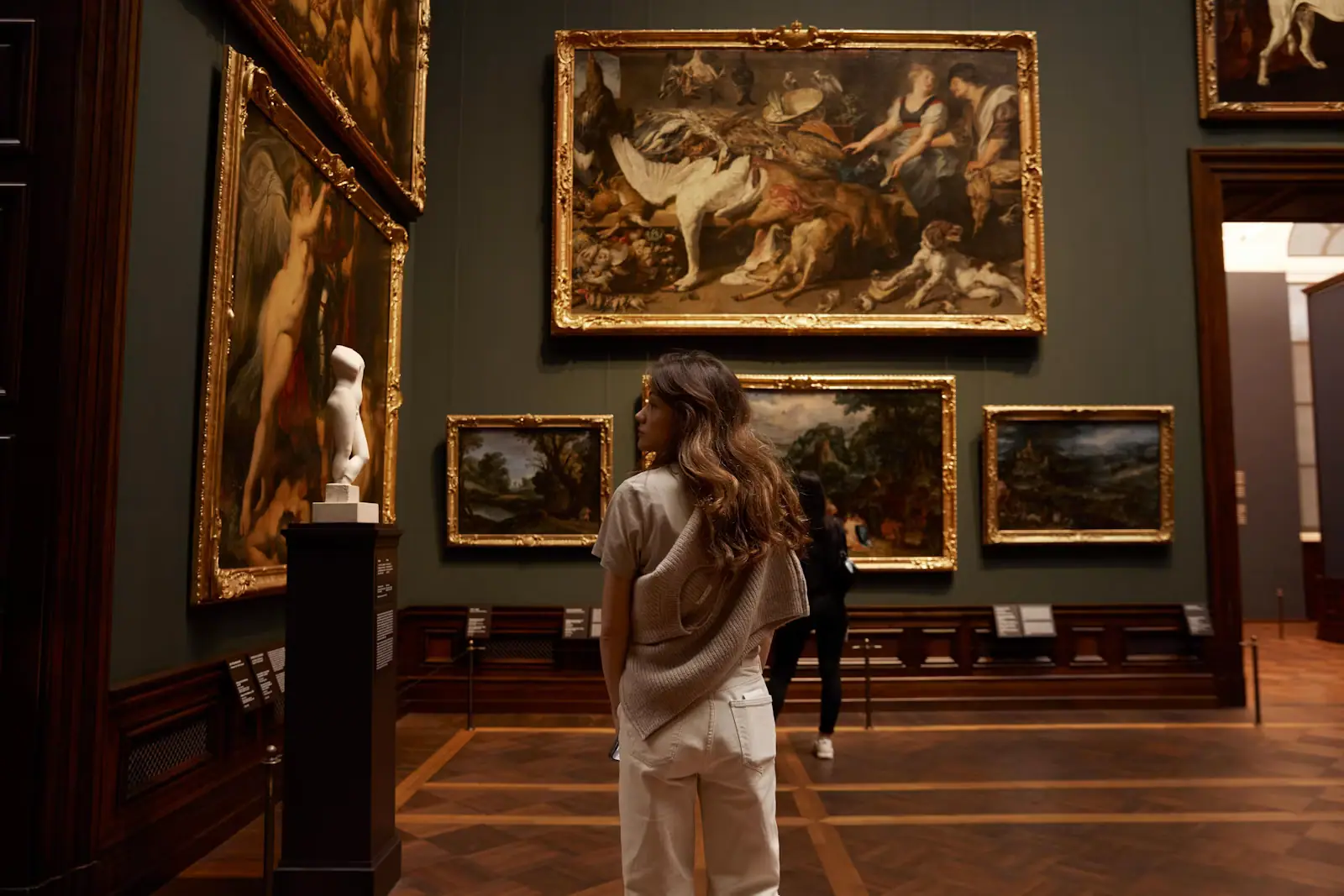
The second is the art colony, and it is older and more continuous than visitors expect. Writers and painters were settling here by the 1890s, drawn by the quality of the light off three sides of water and by rents a fisherman's widow could charge. Charles Hawthorne opened the Cape Cod School of Art in 1898 and the lineage never broke: modernists in the 1910s, Hans Hofmann teaching summer school from the 1930s, abstract expressionists after the war, and a residency programme that still puts working writers and artists in the town every winter. There are more galleries on one street here than in most cities of a hundred thousand people.
The third is that Provincetown has been a gay and lesbian town for the better part of a century and has been openly and unapologetically so for more than fifty years. In the 2010 census it had the highest proportion of same-sex couples of any municipality in the United States. That is not a footnote about nightlife: it shapes the businesses, the summer calendar, the tea dance at the west end, Carnival week in August, Women's Week in October, and the ordinary fact that two men holding hands on Commercial Street is the least remarkable thing happening there.
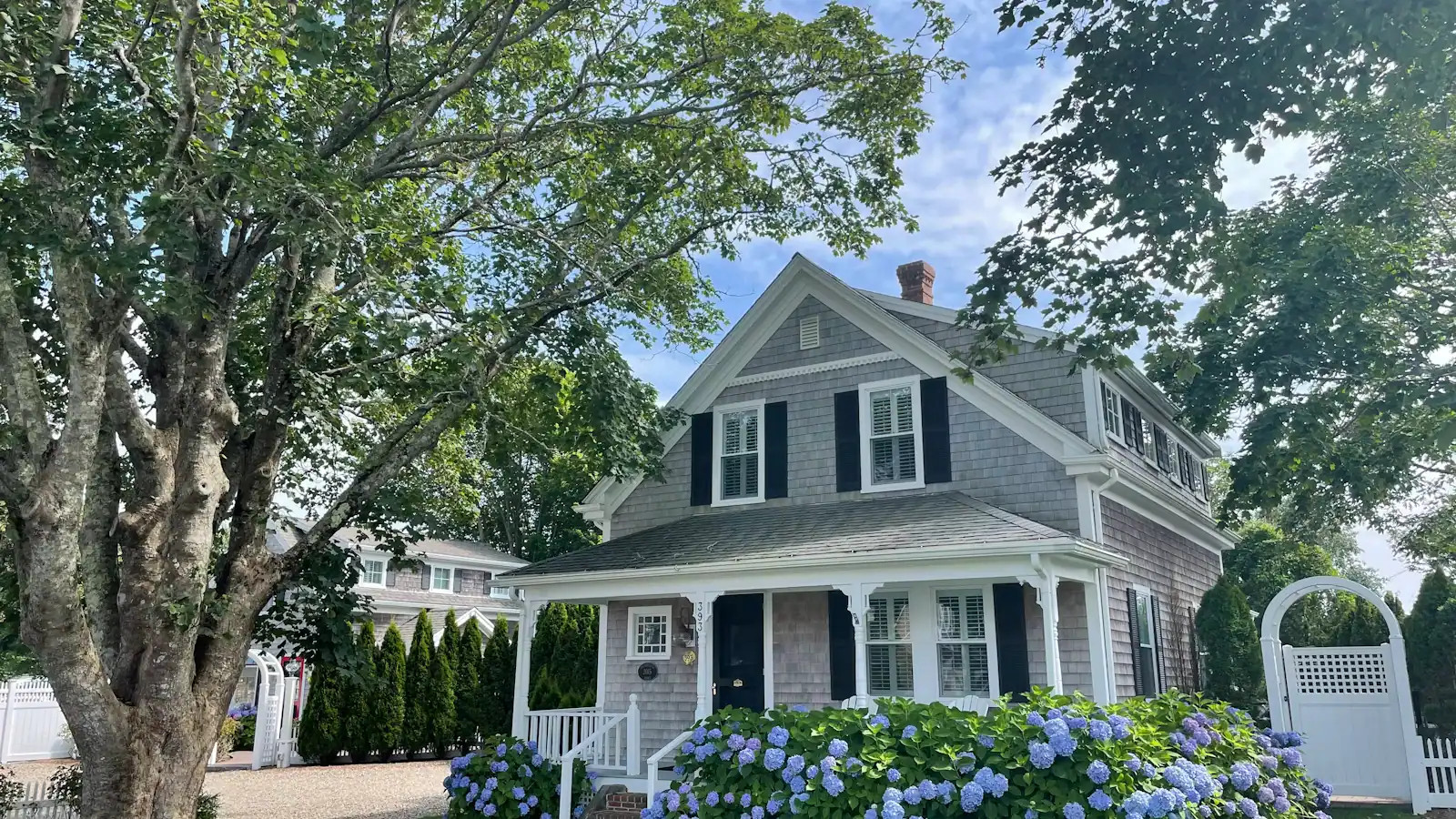
Practically, there are two Provincetowns and you should know which you are visiting. Between Memorial Day and Columbus Day it is crowded, expensive, joyful and very difficult to park in. Between November and April it is a small, weather-beaten town of three thousand people where a handful of restaurants keep the lights on and the light off the harbour is the best it gets all year. Both are worth a trip. They are not the same trip.
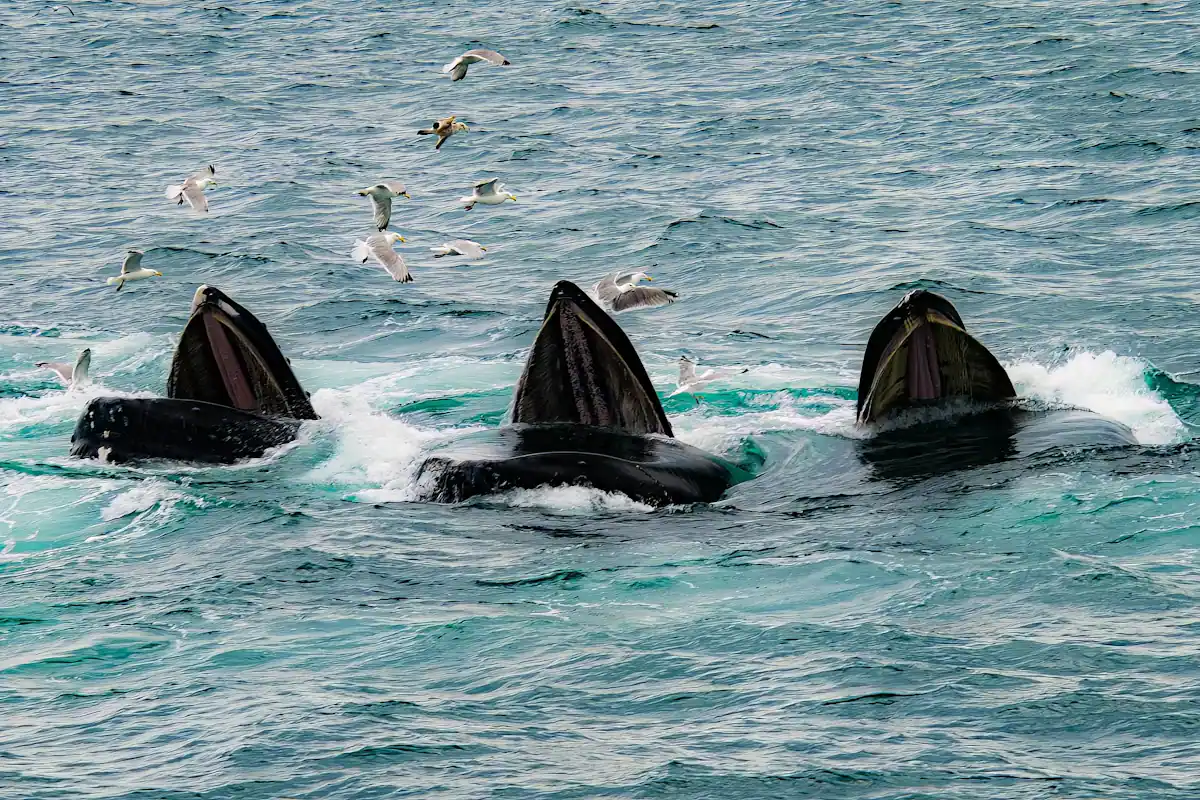
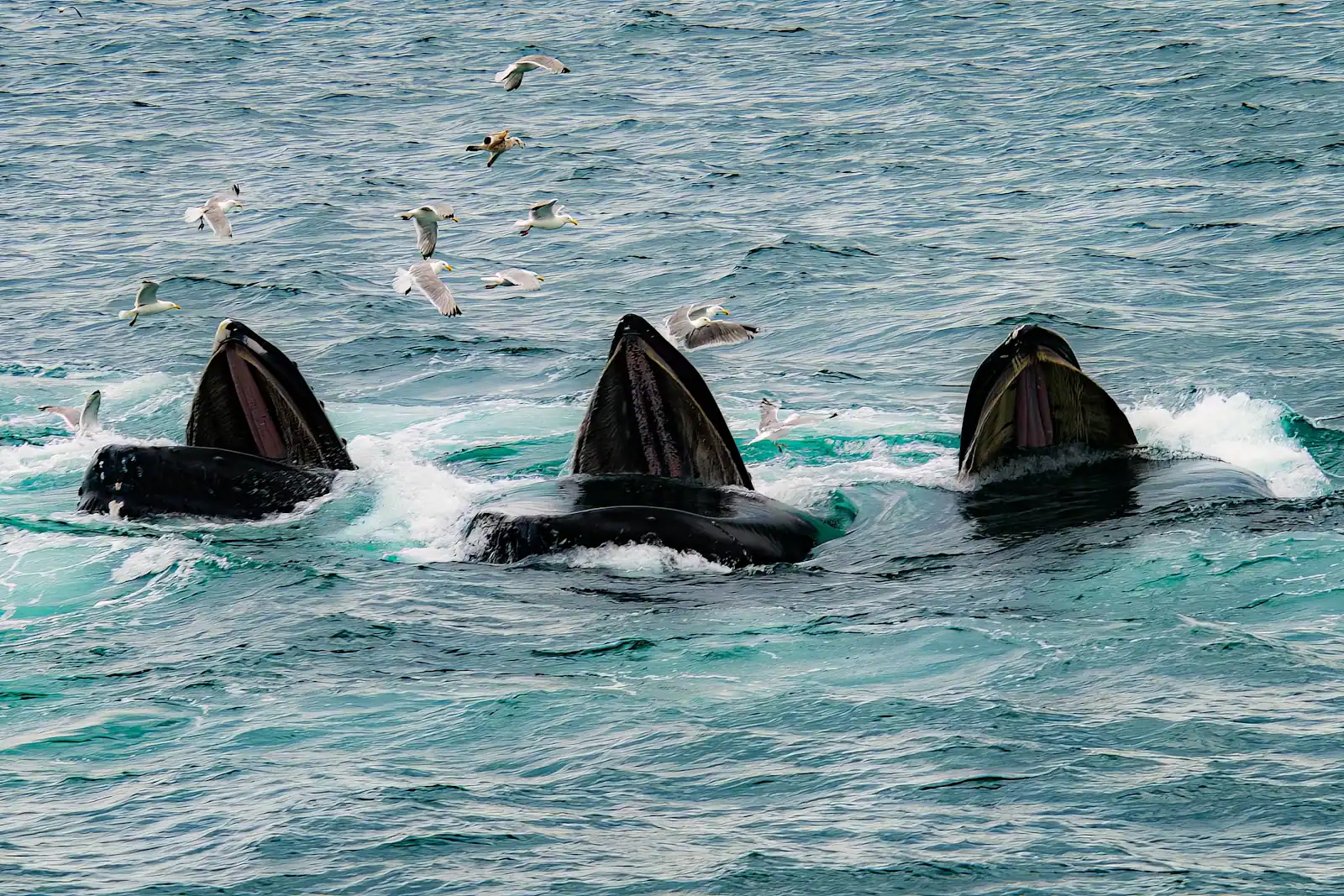
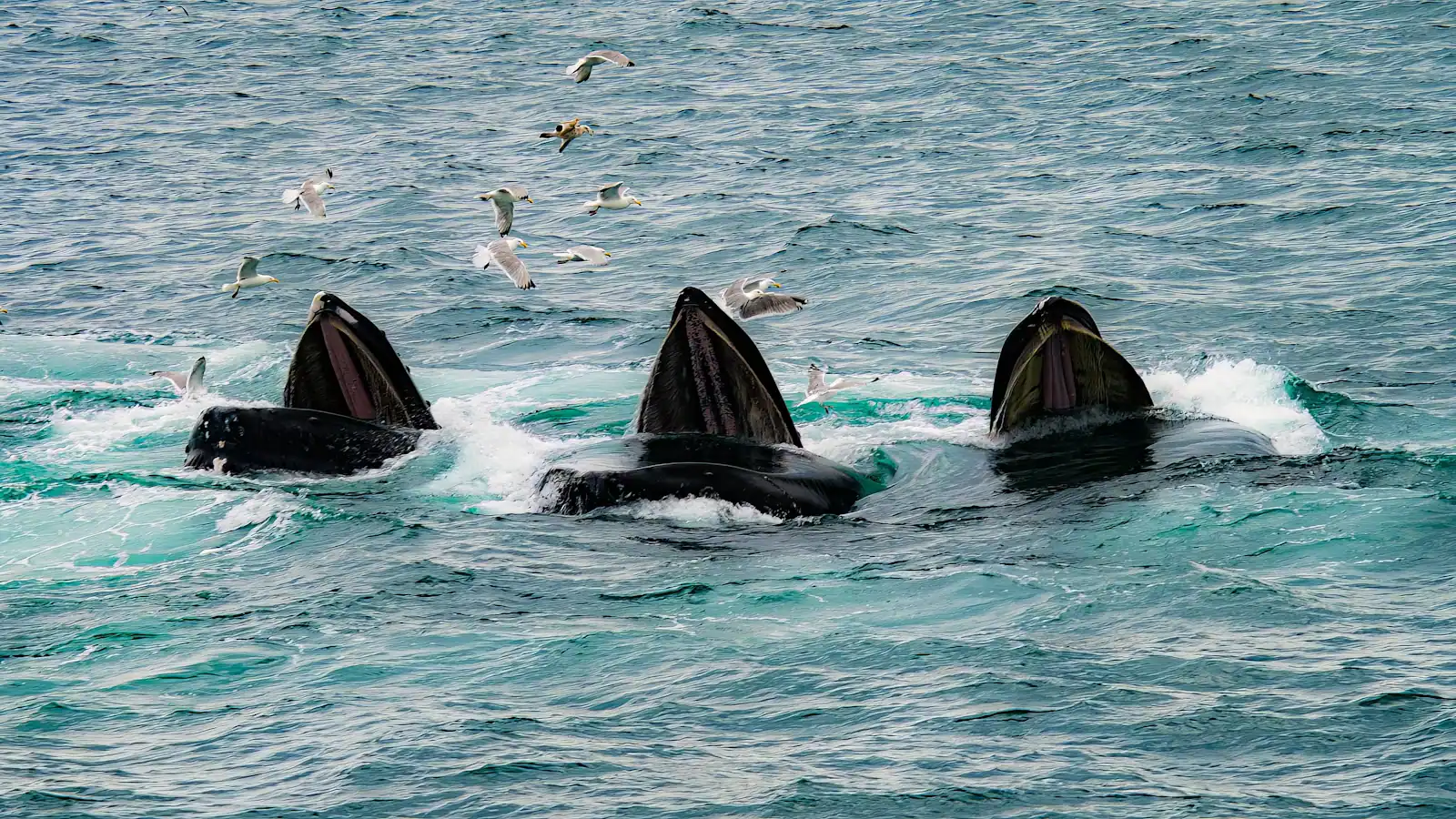
One more thing to fix before you plan. The single best reason to come here is not on Commercial Street. It is five miles offshore, on Stellwagen Bank, where humpbacks feed from spring through autumn and the boats leave from a pier in the middle of town.