Skip to content
Search
Menu

Bookings here go through Viator, who pay us a commission. You are charged the same either way, and the commission had no say in this list.

Beach

Herring Cove Beach

Last updated

The only park beach on the bay side: warmer water, no shore break, no staircase, and a sunset that draws a crowd with folding chairs.

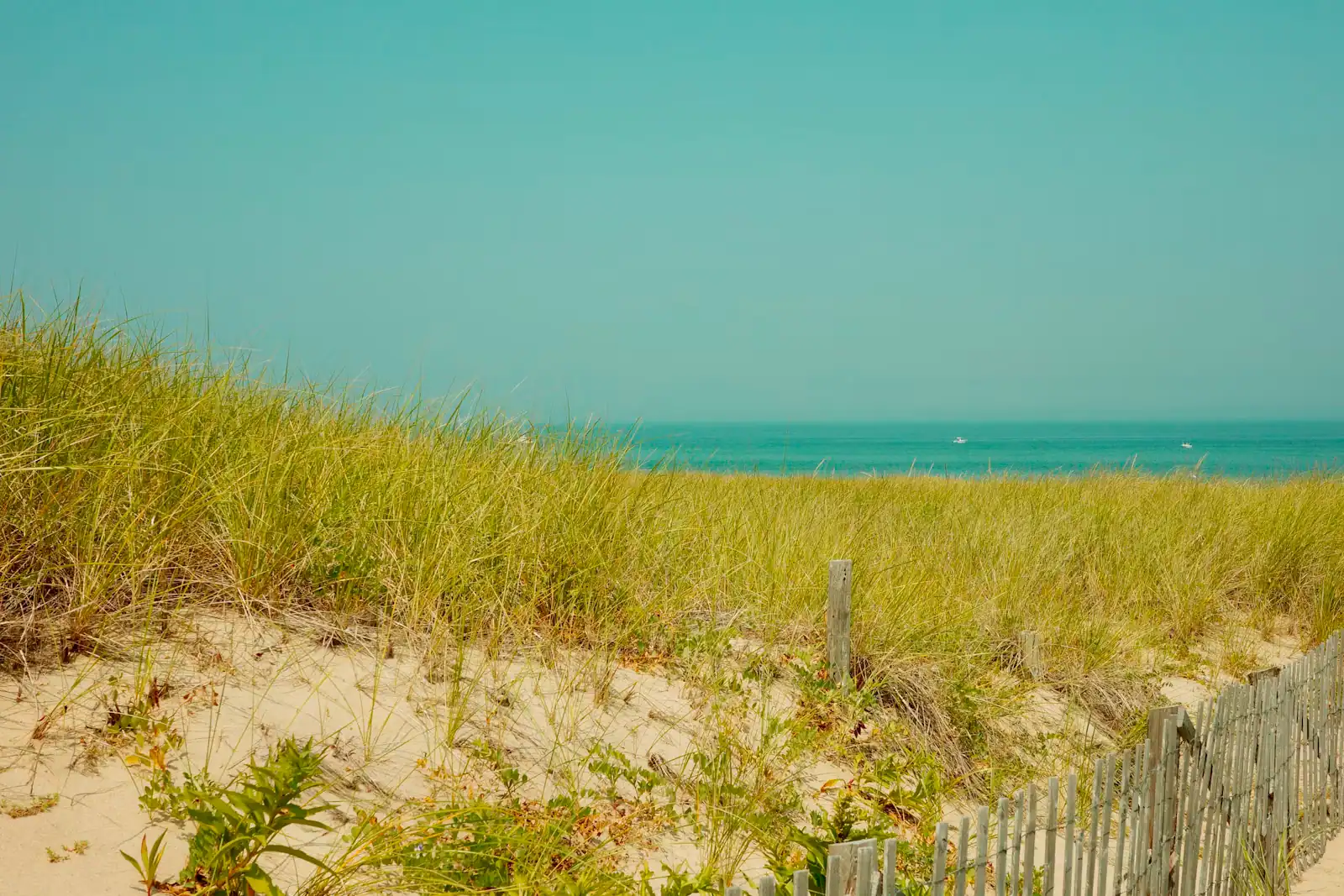
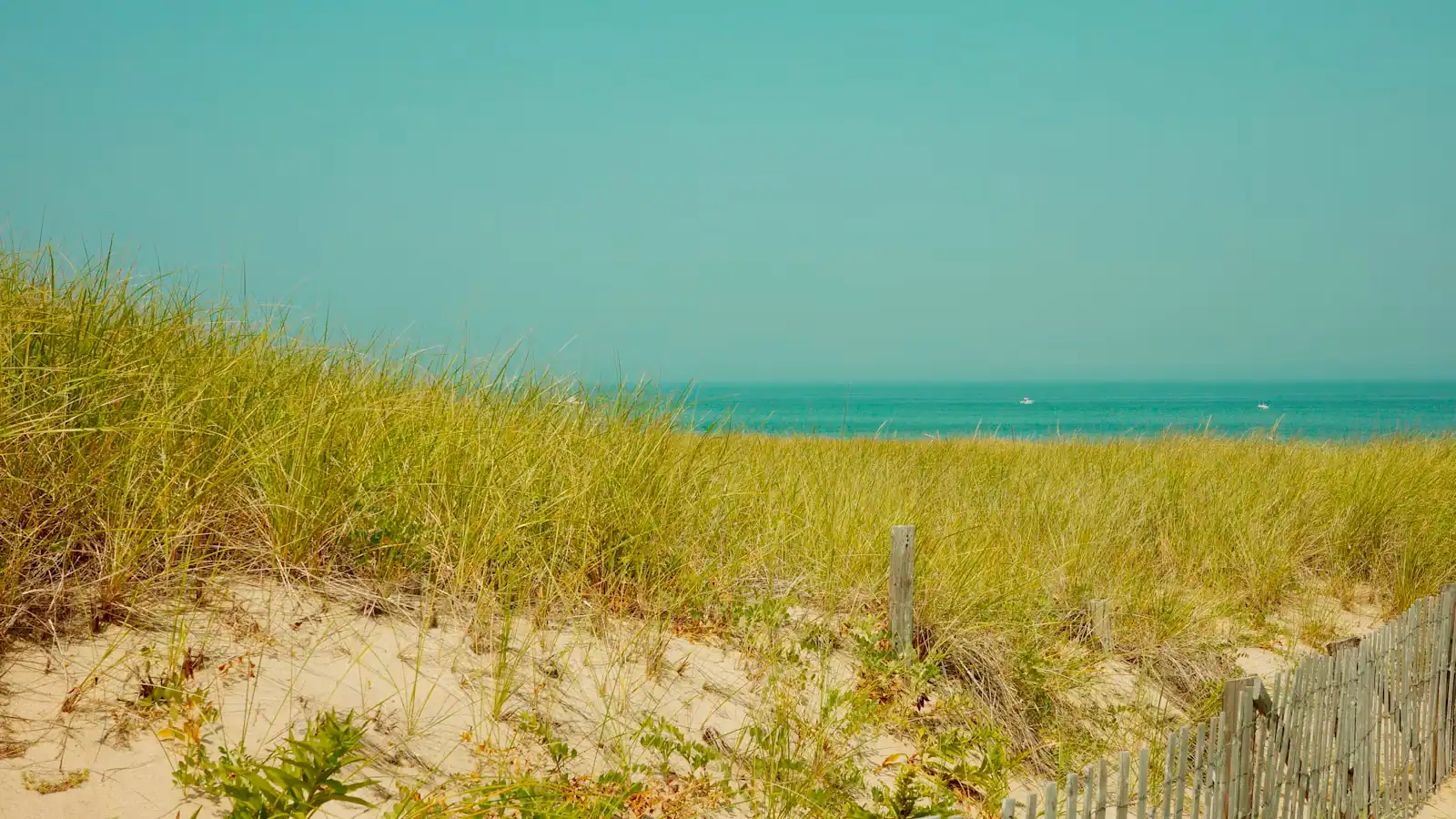
Five of the National Seashore's six beaches face the open Atlantic. Herring Cove does not, and that is the whole point of it. Because Provincetown sits at the inside curl of the hook, this beach looks west and southwest across Cape Cod Bay toward the mainland, sheltered from the ocean swell by the entire length of the peninsula you just drove down.

The consequences are immediate. There is no shore break. The bottom shelves gradually instead of dropping away. The water runs noticeably warmer than the Atlantic side — not bay-flat warm like Skaket, but warm enough that people stay in for half an hour rather than five minutes. And the sand is a minute's walk from the car across level ground, with no cliff and no staircase anywhere in the arrangement. For a family with small children, or anyone travelling with a wheelchair or a mobility problem, Herring Cove is the answer to a question the other five beaches cannot answer.

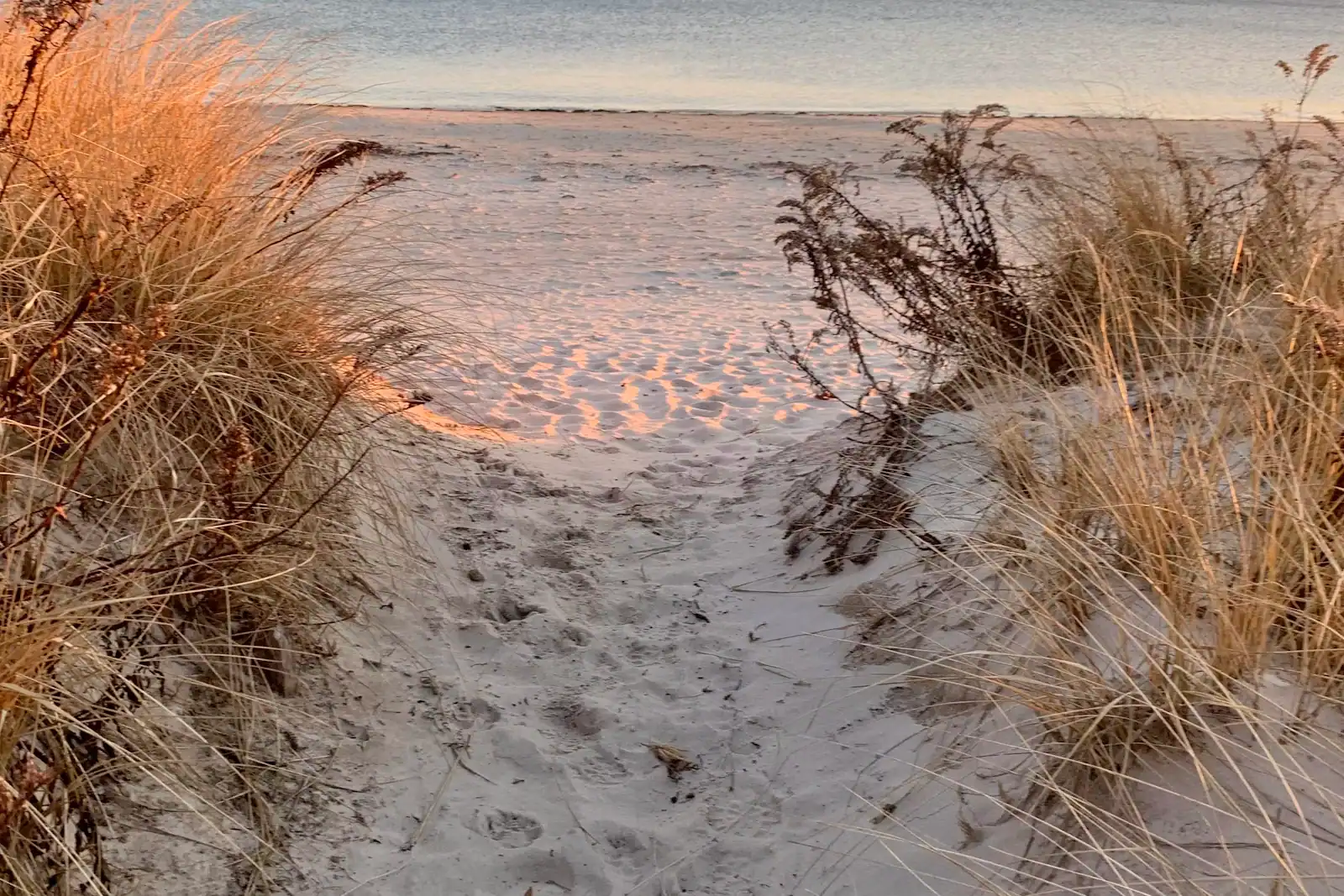
It is also the sunset beach of the Outer Cape. West-facing, with an uninterrupted horizon down the bay and, on the clearest evenings, the smudge of the mainland behind it. From about an hour before sundown the lot refills with people who have no intention of swimming, and the whole beach turns to face the same direction.

Herring Cove has been Provincetown's beach in the fullest sense for decades. The northern end has long been where the town's LGBTQ+ visitors gather, a tradition older than most of the businesses on Commercial Street, and nobody here treats it as remarkable. Seals patrol the shallows; sharks follow seals; the purple advisory flag flies here too.

Getting there and parking

Follow Province Lands Road west out of Provincetown, or come south from Race Point on the same road; the beach lot is at the western end with the fee booth on the approach. From Commercial Street the drive is about five minutes, which is less time than finding a space in town usually takes in August.

The seasonal Cape Cod Regional Transit shuttle between Provincetown centre and the park beaches stops here through the summer, and is much the easier option if you are staying in town without a car.

By bicycle, the Province Lands trail links Herring Cove with Race Point and the visitor centre on paved path through the dunes. There are racks at the beach. The dune sections are properly hilly, so it is a ride rather than a stroll.

Erosion has reshaped the northern end of the parking area more than once; follow current signs rather than an older map or satellite image.

Why the water is different on this side

The difference between Herring Cove and Marconi, twenty-five miles apart, is larger than the difference between most beaches in different states.

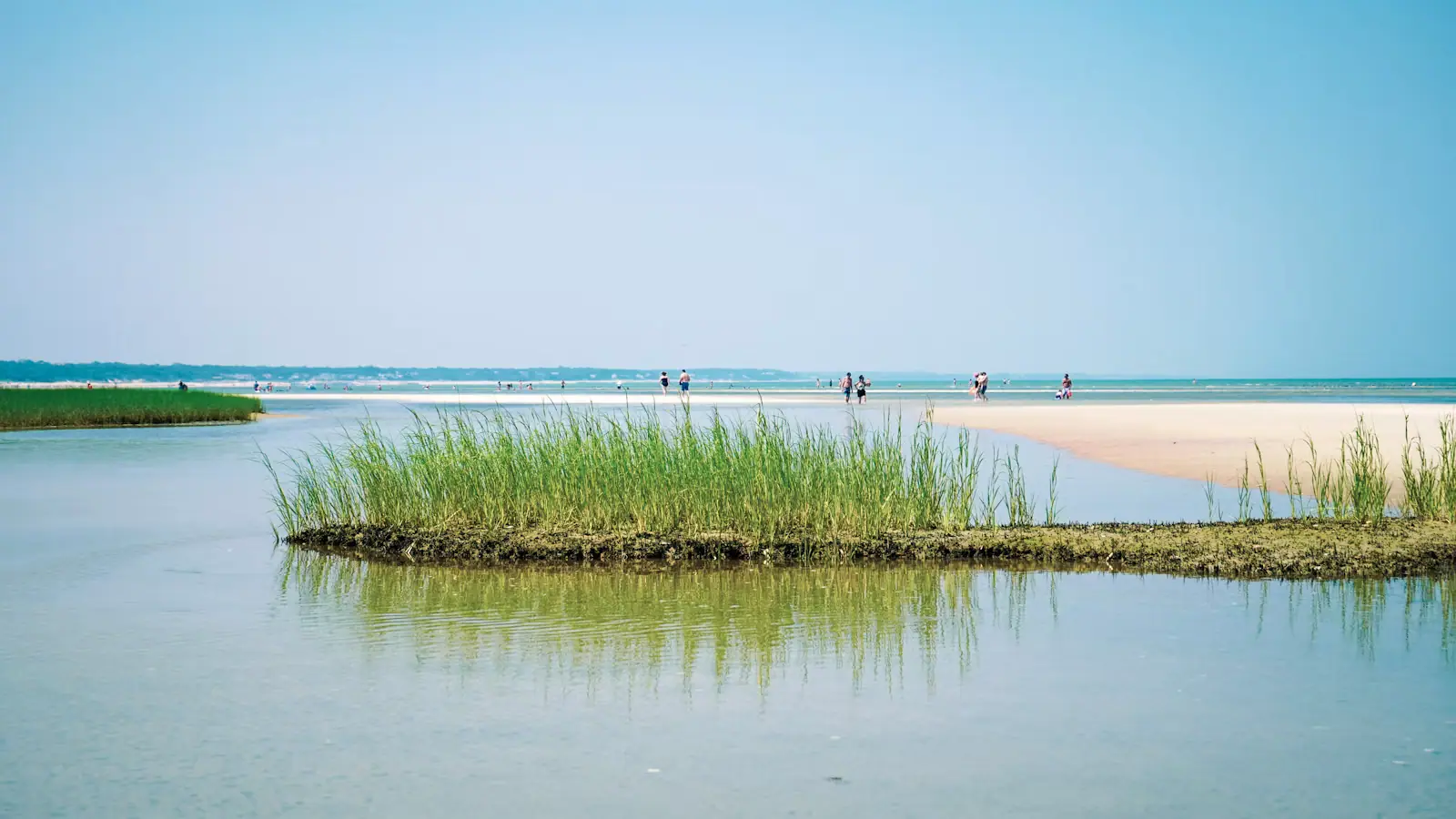
Marconi faces the open North Atlantic over a steep bottom. Cold water upwells against the outer shore, the swell arrives with nothing to slow it, and a July reading in the low sixties is ordinary. Herring Cove faces Cape Cod Bay, a shallow enclosed basin that the sun heats through the summer and that the Cape itself shelters from the ocean. The same July afternoon can be a good few degrees warmer here, with a surface that ripples rather than breaks.

That does not make it a bathtub. It is still New England, June is genuinely cold, and the bay stays cool well into the season. What it means is that you can swim as an activity rather than as a dare, and that a five-year-old will not be knocked over by the first wave.

The trade-off is that there is nothing to body-surf and no shore-break drama at all. If what you came to the Outer Cape for is the sound of the Atlantic hitting a sand cliff, drive down to Marconi or Nauset Light and accept the cold. Most people, on most days, want the one they did not plan for.

The sunset, and how to do it properly

Herring Cove faces the right way, which on this peninsula is rare, and the evening ritual here is a genuine local institution rather than a thing the tourist board invented.

Come about ninety minutes before sundown. Park in the main lot, which empties in the late afternoon as the day crowd leaves and refills with the evening one. Bring a chair, a jumper and something hot — the temperature falls fast on the bay once the sun is off the water, and the wind usually swings.

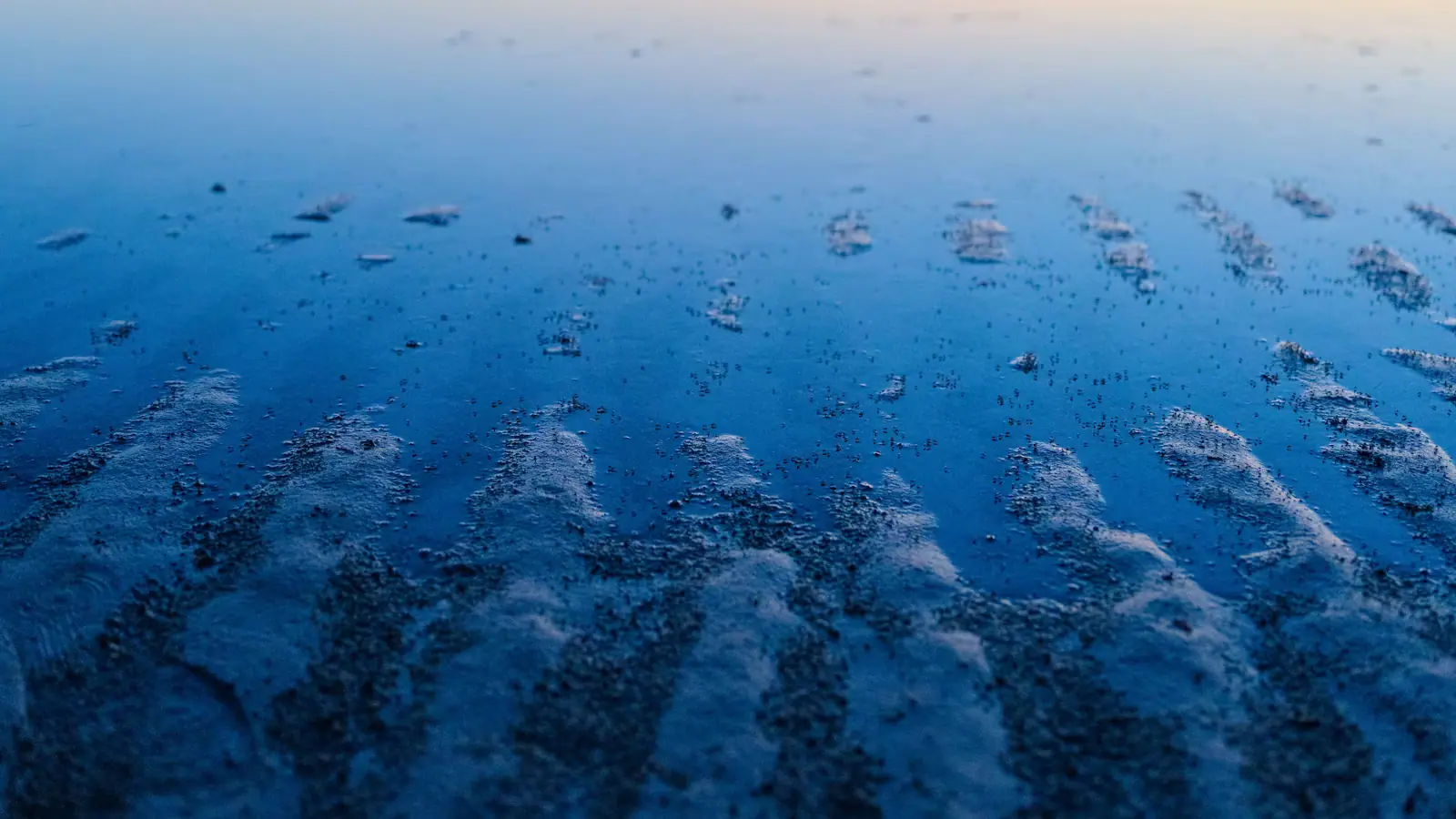
The best light is not at the moment the sun touches the horizon. It is in the twenty minutes afterwards, when the whole western sky goes and the wet sand mirrors it. Half the beach leaves at the wrong moment every single evening.

Two practical notes. The fee booth is usually unstaffed by then, but the lot gates and the shuttle have last times. And if you want the sunset without the crowd, walk fifteen minutes north along the sand; almost nobody does, and the view is identical.

For the record, Race Point next door also faces water at sunset, but Herring Cove is the one with the flat walk from the car and the parking spaces pointed at the horizon.
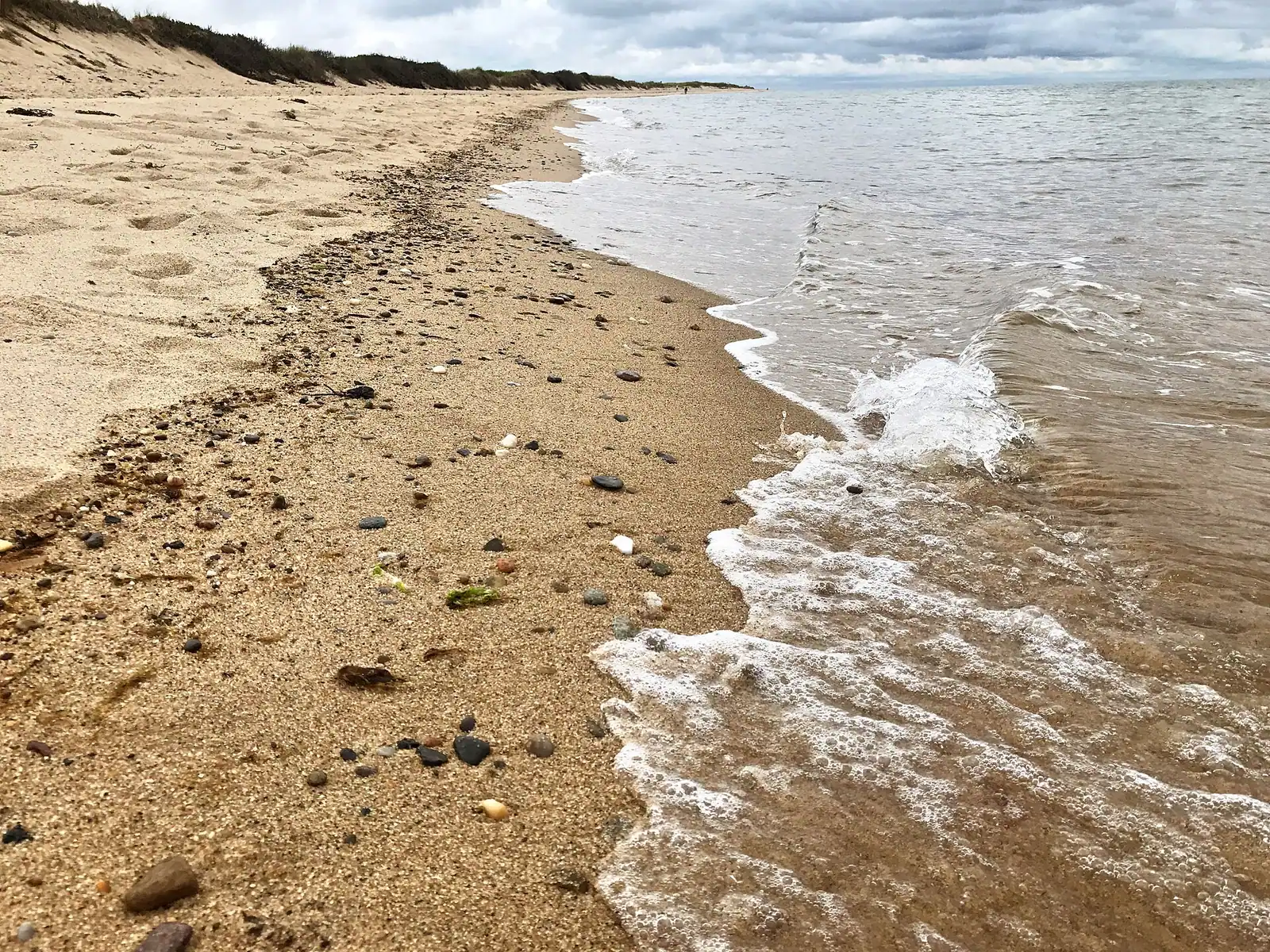
The easiest beach in the park to get onto

If somebody in your group cannot manage a long staircase, this is where you go, and it is worth being explicit about why.

  • The lot is level with the beach. No cliff, no stair, no long carry — a short walk over flat ground from the car to the sand.
  • Accessible parking, accessible restrooms and a bathhouse rebuilt inland after erosion took out part of the older arrangement.
  • Beach wheelchairs can be arranged through the National Seashore. Ask in advance rather than on the day; there are not many.
  • The seasonal shuttle from Provincetown centre stops here, which removes the town parking problem entirely if you are staying on Commercial Street.
  • The Province Lands bike trail connects Herring Cove with Race Point and the visitor centre on paved path, though the dune sections are hilly.
  • Food: a seasonal snack concession has operated here on and off. Do not plan lunch around it; Provincetown is five minutes away.

Erosion has repeatedly taken bites out of the northern end of the parking area, and sections have been closed and reconfigured over the years. Follow the current signage rather than an older map.

Seals, sharks and what the flags mean

Being on the bay side makes Herring Cove calmer. It does not put it outside the range of a white shark, and that should be said plainly rather than implied.

Grey seals were nearly wiped out under state bounties and have rebuilt to tens of thousands across southeastern Massachusetts under federal protection. White sharks followed them inshore, and they are now a normal part of an Outer Cape summer rather than an anomaly. Sharks have been recorded on both coasts of the tip.

The purple flag with a white shark silhouette flying at the lifeguard stand is a standing seasonal advisory about where you are, not a report that something was seen this morning. The signal that requires action is a lifeguard clearing the water, and when that happens you leave it immediately and without argument.

The sensible precautions are the ones the Atlantic White Shark Conservancy publishes: stay in shallow water close to shore, swim near a lifeguard, avoid schools of fish and areas where seals are present, avoid dawn and dusk, and do not swim alone. The Sharktivity app carries verified sightings and is worth having on your phone for the week.

None of this is a reason not to swim here. It is a reason to swim here with your eyes open.

Near Herring Cove

Straight-line distances, so allow more on the road — the island is long and has one main parkway.

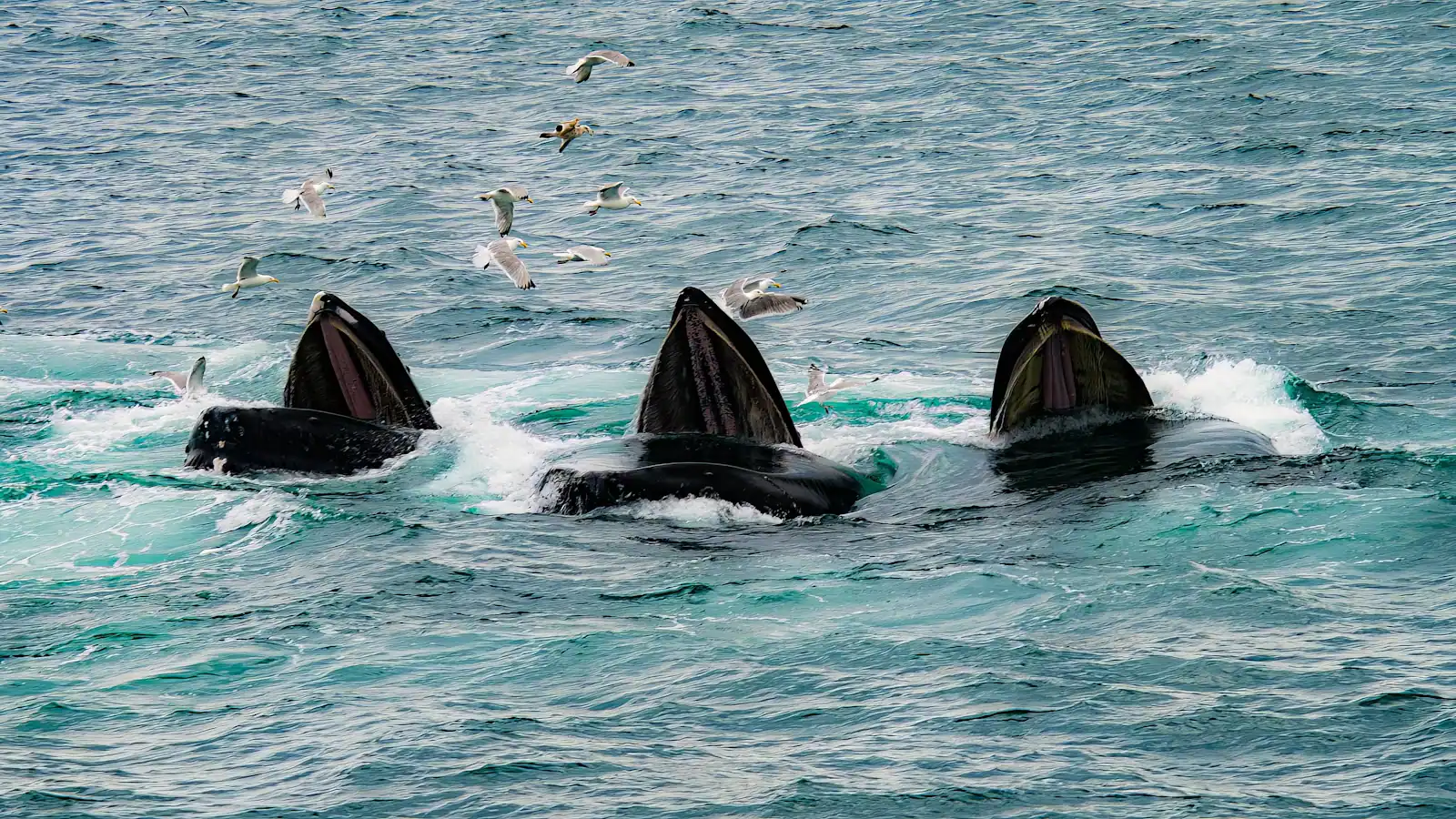
  • Whales surfacing together in open grey water off the Massachusetts coast

    Beach

    Race Point Beach

    The beach at the outside of the fist, facing north into deep water — the one place on the Cape where whales are visible from a towel.

    2–6 hoursNational Seashore fee: $25 per vehicle per day, or $15 per person on foot or by bicycle.1.4 mi away

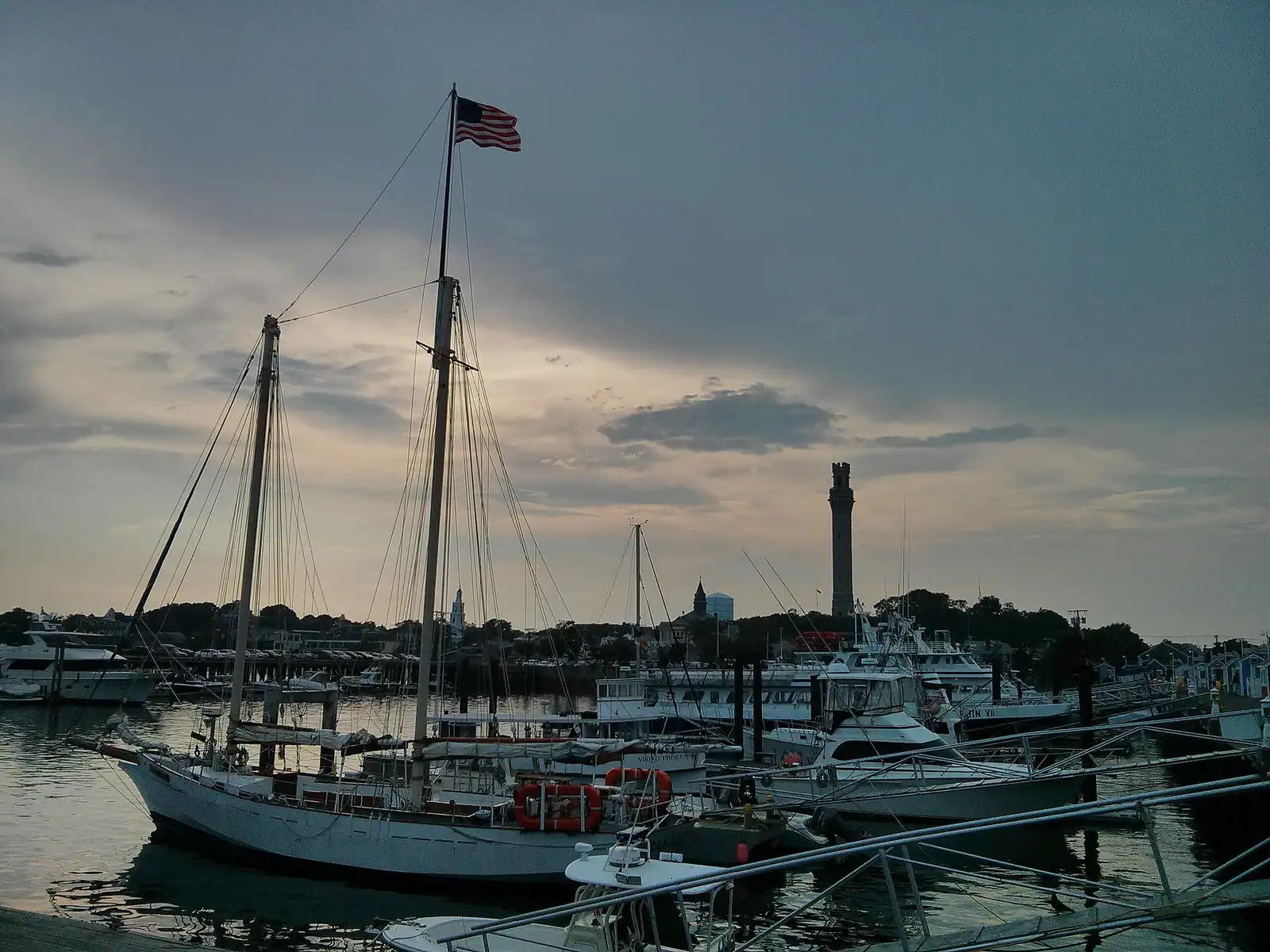
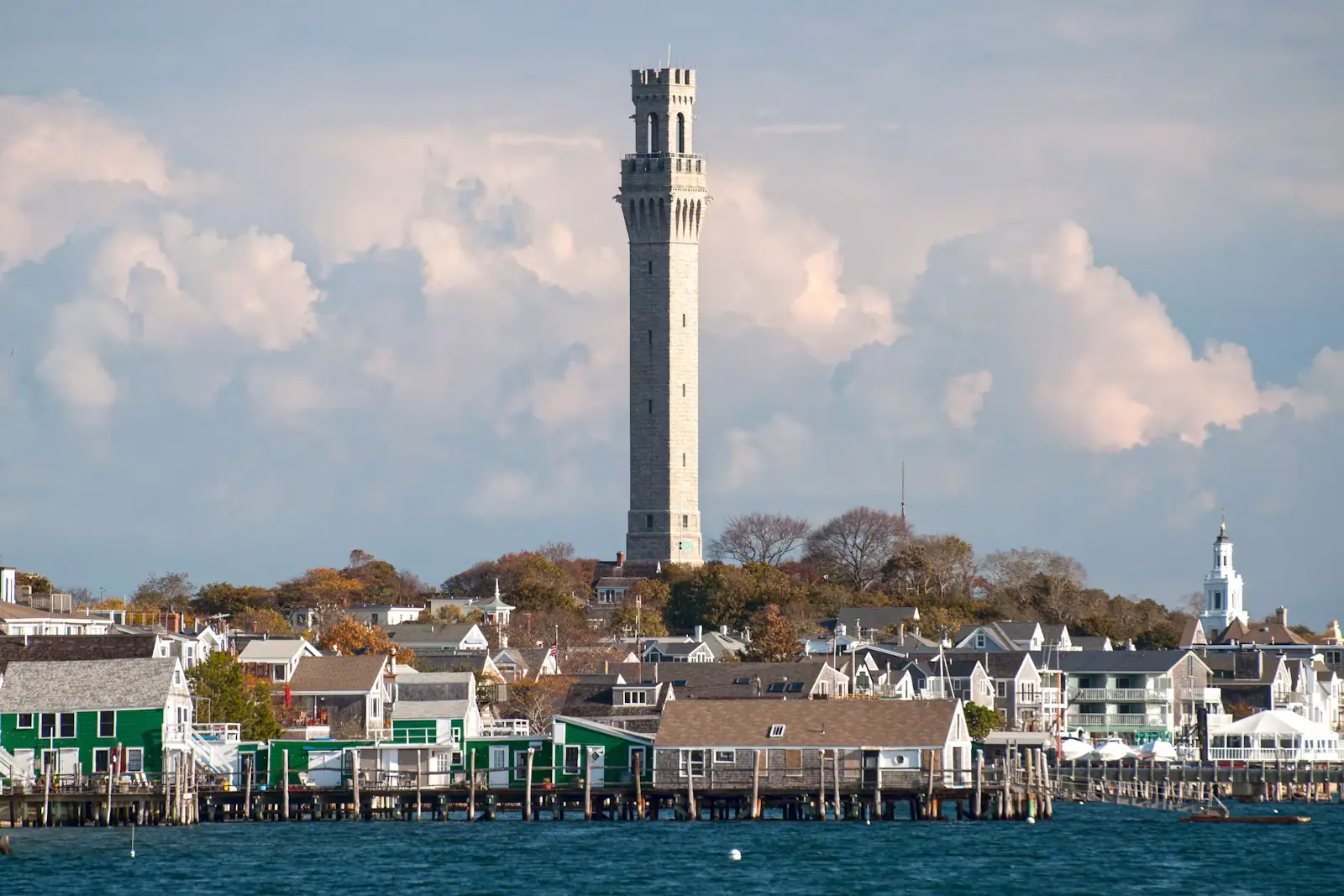
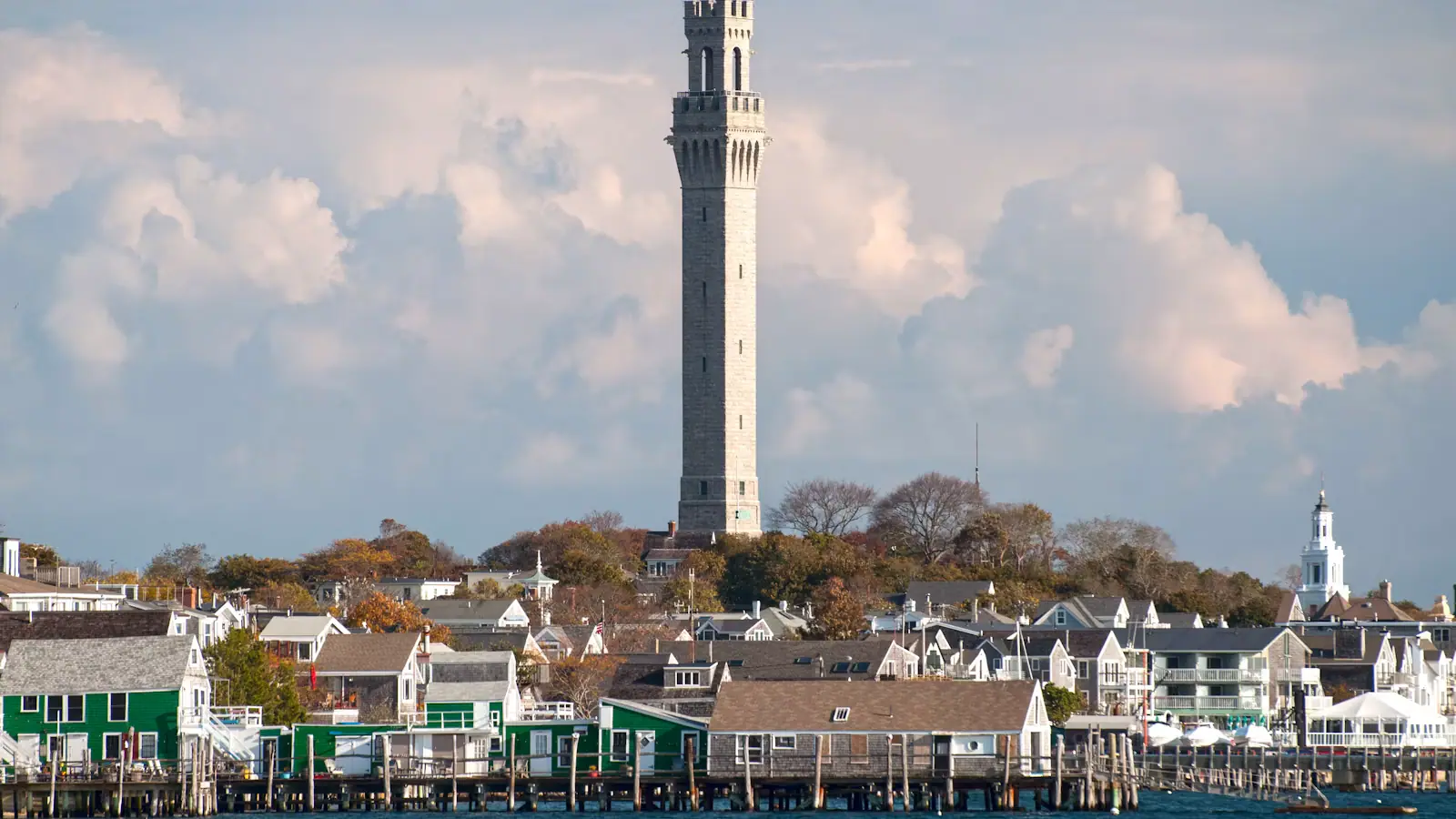
  • The granite tower of the Pilgrim Monument rising above Provincetown's rooftops beside the harbour

    Neighbourhood

    Free

    Provincetown

    Three thousand people in winter and sixty thousand in August: a fishing port, an art colony since the 1890s, and unlike anywhere else.

    4–12 hoursFree to visit. Parking, ferries, the monument and tours are charged separately.2.2 mi away

  • Fishing and excursion boats tied along a pier in Provincetown Harbor with the town behind them

    Marina

    Free

    MacMillan Pier

    One working pier carrying the Boston ferries, fifteen whale-watch boats and a fishing fleet — and the departure point for Stellwagen Bank.

    0.5–4 hoursFree to walk. Whale-watch trips, ferries and parking are charged separately.2.3 mi away

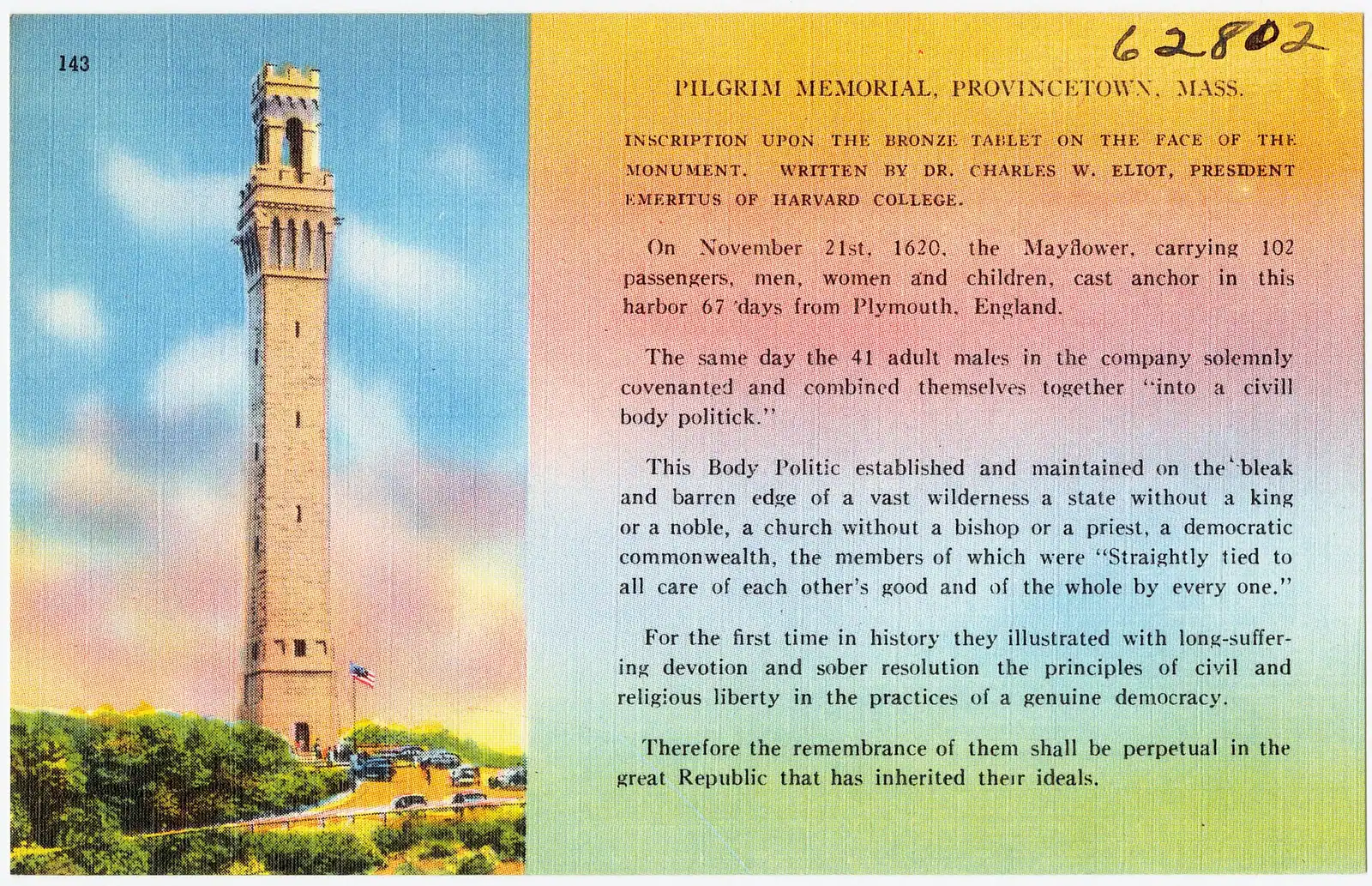
  • The granite tower of the Pilgrim Monument rising above Provincetown's rooftops beside the harbour

    Landmark

    Pilgrim Monument

    A 252-foot granite campanile modelled on a Tuscan town hall, climbed by ramps, with the best view of Cape Cod's geography from anywhere.

    1–2 hoursPaid admission covering both the tower climb and the Provincetown Museum. The grounds are free.2.1 mi away

Herring Cove: common questions

Is the water warmer at Herring Cove Beach?

Yes, usually by a meaningful margin. Herring Cove faces Cape Cod Bay rather than the open Atlantic, so it is sheltered by the whole length of the peninsula and sits in a shallow basin that warms through the summer. The Atlantic beaches on the outer shore often sit in the low sixties Fahrenheit in July; Herring Cove typically runs several degrees above that. It is still New England water and June is cold, but it is swimmable for longer than five minutes.

Which Cape Cod beach is best for sunset?

Herring Cove, for most people, because it faces west across Cape Cod Bay with a clear horizon and you can park a short flat walk from the sand. The evening gathering there is a local institution. On the bay side further down the Cape, First Encounter in Eastham and Skaket in Orleans also face the sunset over enormous tidal flats, which gives a very different photograph. The one thing that does not work is looking for a sunset from an Atlantic-facing beach.

Is Herring Cove Beach accessible for wheelchairs?

It is the most accessible of the six National Seashore beaches. The car park sits level with the beach, so there is no staircase and no cliff to negotiate — just a short walk over flat ground. There are accessible parking spaces, accessible restrooms and cold showers in the bathhouse, and beach wheelchairs can be arranged through the National Seashore if you ask in advance. Race Point is the other flat-access option; Nauset Light and Marconi are reached only by long stairs.

Is Herring Cove a gay beach?

The northern end has been where Provincetown's LGBTQ+ visitors gather for decades, and it is one of the best known such beaches in the United States. It is not formally designated or separated — the beach is a single public beach run by the National Park Service, families use the southern end, and nobody in Provincetown treats any of this as noteworthy. Come as you are and go where suits you.