Skip to content
Search
Menu

Bookings here go through Viator, who pay us a commission. You are charged the same either way, and the commission had no say in this list.

Tours

Seal Tours: Chatham, Monomoy and the Shoals

Last updated

Seal tours on Cape Cod: grey and harbour seals off Chatham and Monomoy, how the colonies recovered, the 150-foot rule, and where to see them free from shore.

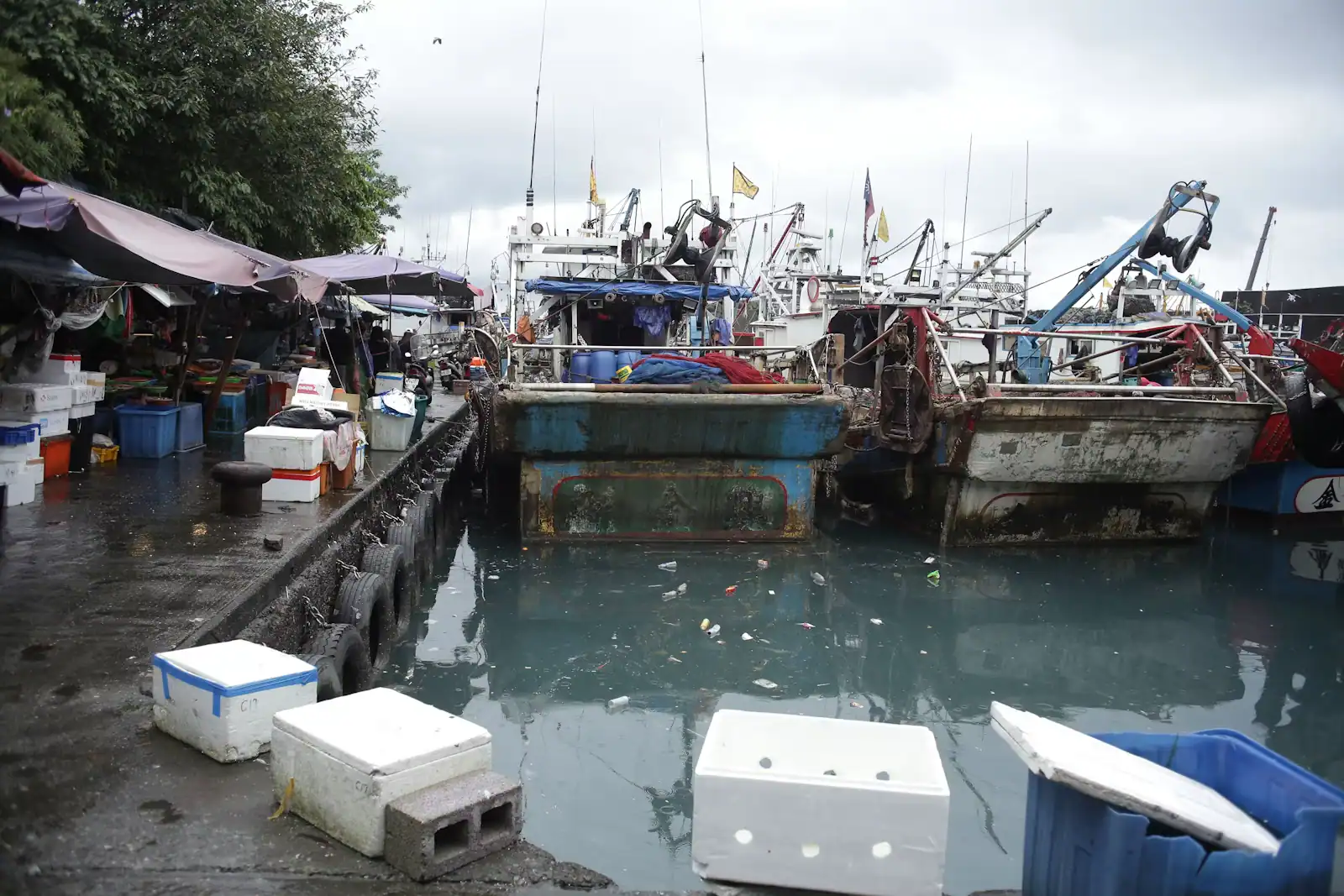
Working fishing boats moored along a harbour dock under a heavy overcast skyUnsplash

Off the elbow of Cape Cod, on sandbars that appear and vanish with the tide, lies one of the largest concentrations of seals on the eastern seaboard of the United States. On a good low water at Monomoy you can be looking at several thousand animals hauled out on a single bar, with the noise carrying across the water before you see them. Sixty years ago there were almost none.

That is the point of this page. Massachusetts paid a bounty on seals until 1962, on the reasoning that they competed with fishermen, and the species was shot down to near-nothing along this coast. The Marine Mammal Protection Act stopped the killing in 1972. A survey of the entire Maine coast the following year turned up something like thirty grey seals. The colony on Muskeget, out past Nantucket, produced five pups in 1988 and more than two thousand by 2008. Southeastern Massachusetts now holds them in the tens of thousands. Whatever else it is, this is one of the clearest wildlife recoveries in the country, and it happened in the memory of people still fishing out of Chatham.

The practical geography is straightforward. Chatham sits where the Cape turns, with Monomoy National Wildlife Refuge running south from it: two long barrier islands and a scatter of bars, established as a refuge in 1944 and covering roughly 7,604 acres, most of it designated wilderness. The Fish and Wildlife Service runs no public boat service there, so visitors go out with local operators holding refuge permits, in shallow-draft boats that can work water a larger hull cannot. Trips generally run an hour and a half to a couple of hours, and the tide decides everything: the bars are only there to haul out on when the water has left them.

Two species share the ground and they are easy to tell apart once somebody has shown you. Grey seals are the big ones with the long Roman-nosed profile, resident here year-round and breeding on these bars in winter. Harbour seals are smaller, rounder-faced and more dog-like, and they are mostly a cold-season presence, arriving in autumn and thinning out in late spring when they head north to pup. A trip in November sees both. A trip in July sees greys.

And there is the part nobody should have to discover at a beach. Seals are what brought white sharks back within sight of the Outer Cape shore. A seal trip is not a shark trip and no responsible operator sells it as one, but you are out on the water at the edge of a predator's grocery shop, and occasionally that shows.
Our picks

The ones we would book

  • Editor's Pick

    Best naturalist trip to the Monomoy bars

    Why we chose it

    A ninety-minute to two-hour run out of Chatham on a shallow-draft boat with a guide who works this water weekly, scheduled around low tide so the bars are dry and the animals are on them. Ask before booking whether the trip includes the break in the barrier beach, because that view is the other half of what makes this the Cape's best short wildlife outing.

  • Best Value

    Cheapest way to see thousands of seals

    Why we chose it

    The shortest scheduled departure from Chatham is usually the cheapest bookable wildlife experience on the Cape and reaches the same haul-outs as the longer ones. What you lose is time and commentary. Pair it with an hour at the Chatham Fish Pier deck, which is free, and you have the full seal story for the price of a lunch.

How the seals came back, and why some people are not delighted

This is the most interesting thing about the seals and most tours skip it.

New England paid bounties on seals for more than a century, on the argument that they ate commercially valuable fish and damaged gear. Massachusetts kept its bounty running until 1962; Maine's ended in 1945. The killing was effective. By the time the Marine Mammal Protection Act took effect in 1972 the grey seal had been all but eliminated from the United States side of this ocean, and a survey of the entire Maine coast in 1973 produced a count in the low tens.

Protection reversed it. Canadian animals recolonised southward, pupping colonies established on the outer islands, and the growth curve steepened through the 1990s and 2000s. Muskeget's five pups in 1988 had become more than two thousand twenty years later. The population across southeastern Massachusetts is now counted in the tens of thousands, and it is still the subject of active research because counting animals that spend most of their time underwater is genuinely difficult.

Not everyone regards this as good news, and a guide who pretends otherwise is not being straight with you. Commercial and recreational fishermen here point to seals taking fish off hooks, damaging gear and consuming a lot of biomass in inshore waters, and to the sharks that came with them. Conservation biologists point out that this is roughly what the coast looked like before the bounties, that seals are protected by federal law, and that a fish stock is shaped by far more than one predator. The argument is real, it is local, and it surfaces in letters pages in Chatham every summer.

Book a trip with an operator who will tell you both halves of that. The animals are more interesting once you know what they cost and what they came back from.

Where the boats go, and why the tide runs the trip

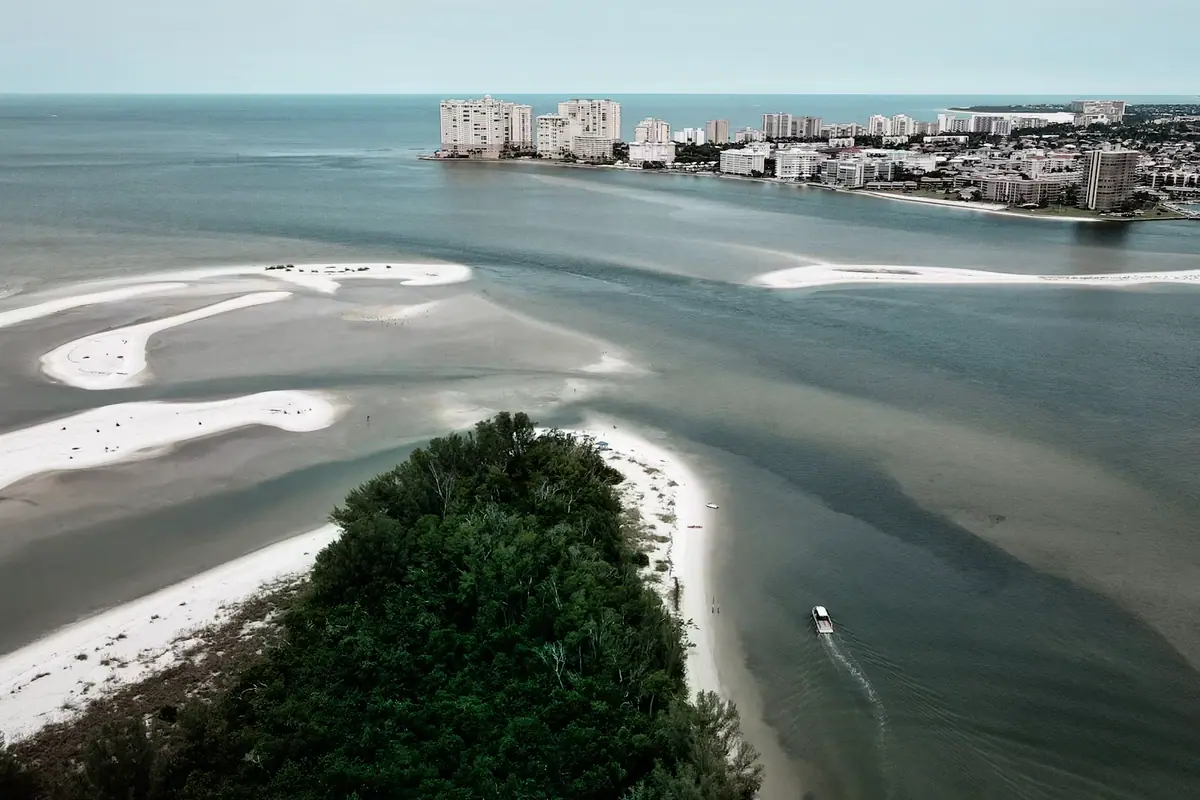
Aerial view of a narrow tidal pass cut between two low sandy shorelinesUnsplash
Aerial view of a narrow tidal pass cut between two low sandy shorelines

Chatham is the centre of this. Boats leave from the town's harbours and run south and east toward Monomoy and the bars around the refuge, and a typical trip is ninety minutes to two hours.

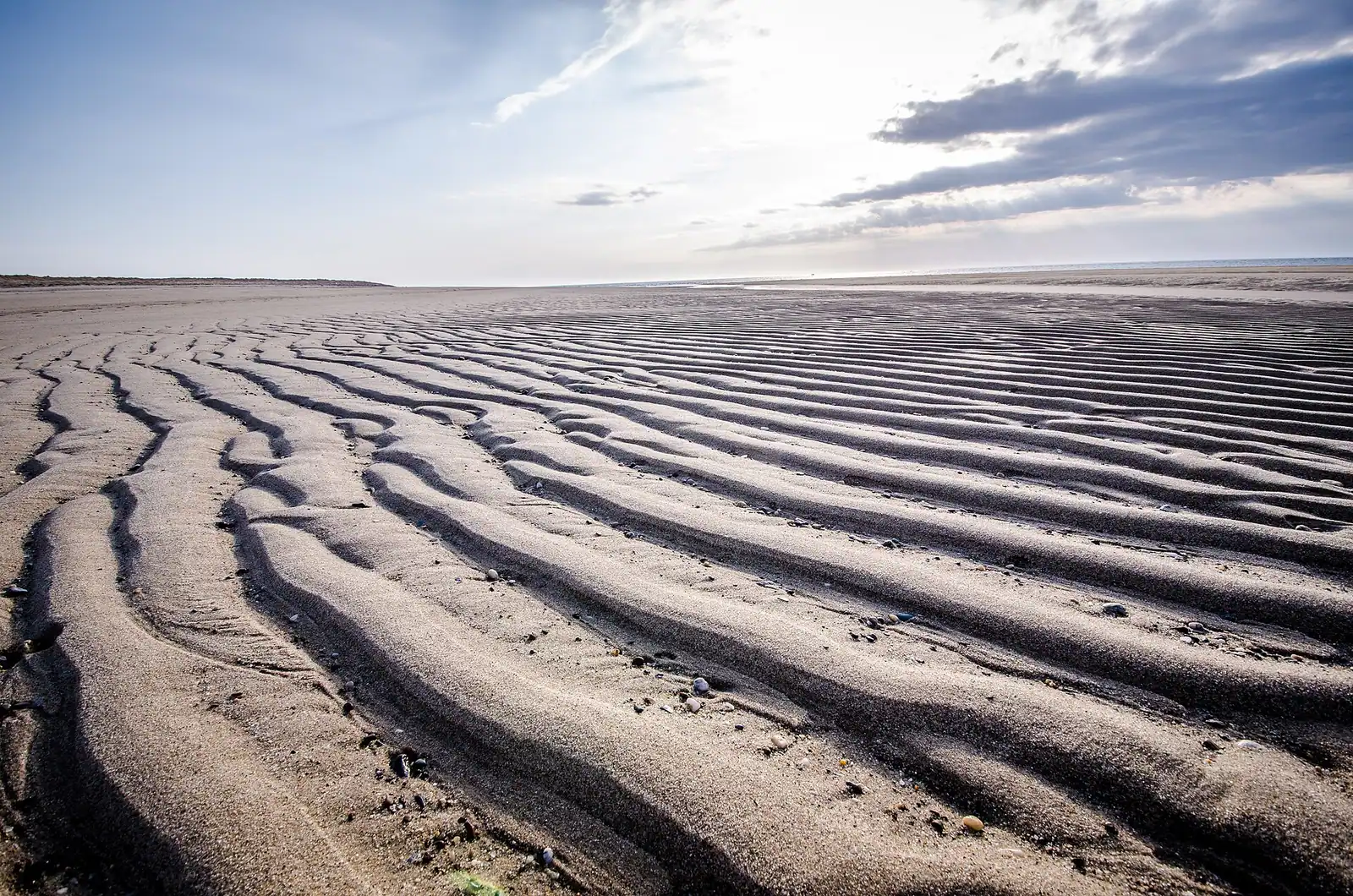
The water out there is shallow, shifting and awkward, which is the whole reason the wildlife is undisturbed and the whole reason you need a local skipper. Sandbars move between seasons. Channels that carried four feet last year carry two now. Chatham's barrier beach has broken open more than once since 1987, each break rearranging the flow through the harbour and the approaches. Operators holding refuge permits work this ground weekly and know where the haul-outs currently are, which is not the same as where they were on the map you looked at.

The tide is the variable that decides your trip. Seals haul out when the bars are dry, so an operator will schedule around low water rather than around your lunch. If you are offered a mid-afternoon slot in one week and an eight o'clock departure in another, that is the tide talking. Take the time you are given.

Some trips add a landing or a run past Monomoy Point Light, the decommissioned tower on South Monomoy. Others pair the seals with a look at the break in the barrier beach, which is the Cape's clearest demonstration of a coastline in motion. Ask what the trip actually includes before you book, because "seal tour" covers everything from a twenty-minute harbour spin to a proper two-hour naturalist run.

Boats also go from the bay side and from Provincetown, where harbour seals work the harbour itself in winter, but Chatham is where the numbers are.

Seeing seals without paying for a boat

Local tips

This is one of the few Cape wildlife experiences with a genuinely good free version.

  • Chatham Fish Pier. The observation deck above the unloading area is free, open and reliably productive. Seals gather round the pier because the boats come in with scraps, and on an afternoon when the fleet is landing you can watch a dozen animals working the water below you while the catch goes up the conveyor. It is also the best place on the Cape to watch a working fishery at close range, which is worth the stop on its own.
  • The Morris Island unit of Monomoy, on the mainland side at Chatham, has a walking trail and an overlook from which the bars are visible with binoculars. Tide-dependent, and parts of the route flood.
  • Outer Cape ocean beaches in the cold months. From October onward seals are routinely visible from Head of the Meadow, Race Point, Coast Guard and Nauset Light, often in the surf rather than on the sand. Bring a long lens and expect a grey day.
  • Nauset Beach in Orleans, near the break, is a regular haul-out and a regular shark-advisory beach, which is not a coincidence.
  • Provincetown Harbor in winter for harbour seals, sometimes within sight of Commercial Street.

Two rules for shore watching. Stay at least a hundred and fifty feet back from any hauled-out animal, which is what NOAA asks and is further than it sounds. And a seal lying alone on a beach is almost always resting rather than in trouble: keep people and dogs away from it, keep your distance, and if it genuinely appears injured call the regional marine mammal stranding network rather than touching it.

Book it

Everything else we track

We could not find tours matching this right now

Nothing came back for seal tour. Operators add and retire experiences constantly, so this list changes week to week. Try a broader category, or come back in a day or two.

Grey seal or harbour seal: telling them apart

How they compare

Once you know the difference you will notice it from fifty yards.

Grey sealHarbour seal
ProfileLong, straight, Roman-nosed; the old name here is horseheadShort, rounded, concave; a spaniel's face
SizeBulls reach something like eight to ten feet and several hundred poundsNoticeably smaller, roughly half the length of a big bull grey
NostrilsParallel, set wideMeet in a V at the bottom
On Cape CodResident year-round; breeds on these bars in winterMostly autumn through spring; moves north to pup
BehaviourHauls out in enormous tight groups on exposed barsHauls out in smaller, looser scatterings, often on rock or a quiet flat
What you will seeThe bulk of what you see on a Monomoy tripA winter bonus, and often nearer the harbours

The grey seals do the shouting. A large haul-out is audible before it is visible, a wash of groans and barks carrying downwind, and the smell arrives with it. Bulls are territorial in the breeding season and the sparring is worth watching.

One more thing that surprises people: seals are curious. A boat that shuts down near a bar will often find a dozen heads popping up astern within a couple of minutes, all facing the same way. That is the animal's decision and it is the best part of a trip.

Sharks come with the seals

Before you book

The ecological link is direct and it is worth stating plainly on this page rather than leaving it to the beach guides.

White sharks eat seals. A recovered seal population on the Outer Cape restored a food supply that had been missing for most of a century, and by the late 2000s sharks were hunting in shallow water close to Outer Cape beaches during the warm months. Researchers now tag and track them along this shore, and the Atlantic White Shark Conservancy's Sharktivity app publishes sightings verified by the New England Aquarium.

What this means on a seal trip. Very little, most days. You are in a boat, not in the water. Some skippers will point one out if it is working a bar or a channel, and predation is occasionally witnessed from a tour boat, but nobody can promise it and an operator advertising sharks is selling something they do not control.

What it means the rest of your holiday. More. Do not swim near seals, on any coast of the Cape, and particularly not on the Atlantic side. Do not swim where seals are hauled out on a bar just offshore. Keep to shallow water near a lifeguarded stretch, avoid dawn, dusk and murky water, and treat a purple flag as the standing habitat advisory it is rather than as a day's alarm.

Since 2012 this shore has recorded three bites, all in the water off Truro and Wellfleet, and one of them killed a man in 2018. Set against millions of beach visits that is a very small figure, and it is not nothing. The seals did not do anything wrong and neither did the sharks. A coast that was emptied of its large animals for a century has them back, and the adjustment falls on the visitors rather than on the wildlife.

The rules, and why your skipper keeps the distance

Before you book

Seals are protected under federal law and the constraints on a tour boat are real.

A hundred and fifty feet. NOAA asks viewers to stay at least that far from a hauled-out seal. It is guidance rather than a numbered offence, but it is the number every legitimate operator works to, and it is the reason binoculars improve a seal trip more than any other item you can bring.

Harassment is prohibited. Under the Marine Mammal Protection Act it is illegal to harass a marine mammal, and that includes anything that changes its behaviour: flushing a haul-out into the water, approaching a resting animal, chasing swimming seals with a boat or a paddleboard, or letting a dog run at one on a beach. A bar that stampedes into the water because a boat came too close is an offence as well as a ruined sighting for everyone behind you.

Refuge permits. Monomoy operators hold special use permits from the Fish and Wildlife Service, and parts of the refuge close seasonally for nesting shorebirds. If a skipper says a landing is not happening today, that is usually a closure rather than a mood.

Feeding is out. Never feed a seal, including from a pier. Animals that associate people with food become a problem for themselves and for everybody else.

The practical upshot for a visitor is simple. A trip that keeps its distance and shuts down to let curious animals approach on their own terms will show you more than one that pushes in, and the operators with the best reputations on this coast are the patient ones.

When to go, and what to bring

What to bring

Season. Seal trips run mainly from spring through autumn, following the visitor market rather than the animals, which are here all year. Grey seals are present every month. Harbour seals join them from roughly October to May, so a late-autumn or early-spring trip gives you both species and almost no other passengers. Winter is when the greys pup on the outer bars, and that is also when the fewest boats are running.

Time of day. Whatever the tide dictates. Low water exposes the bars and puts the seals on them, so a good operator schedules around it.

What to wear. More than you think. The water off the elbow is cold well into summer, a small boat generates its own wind, and Chatham can be fifteen degrees cooler than the car park at Hyannis on a foggy morning. A windproof layer, a hat that will not blow off and shoes that can get wet.

Binoculars. The single most useful thing on this trip, because the distance is fixed by regulation. A modest pair transforms a distant grey smudge into several hundred individual animals.

A camera with reach, or the acceptance that your phone will produce a photograph of a sandbar. Grey and overcast is normal here and often better: flat light on wet sand shows the animals more clearly than glare does.

Motion sickness precautions if you are prone. These are small boats in shallow, choppy water, and short does not mean smooth.

No drone, which is prohibited over the refuge and around marine mammals generally.

On the ground

Where to go

Every place below has its own page — hours, parking, what it costs and what to expect when you get there.

  • The granite tower of the Pilgrim Monument rising above Provincetown's rooftops beside the harbour

    Neighbourhood

    Free

    Provincetown

    Three thousand people in winter and sixty thousand in August: a fishing port, an art colony since the 1890s, and unlike anywhere else.

    4–12 hoursFree to visit. Parking, ferries, the monument and tours are charged separately.

  • Whales surfacing together in open grey water off the Massachusetts coast

    Beach

    Race Point Beach

    The beach at the outside of the fist, facing north into deep water — the one place on the Cape where whales are visible from a towel.

    2–6 hoursNational Seashore fee: $25 per vehicle per day, or $15 per person on foot or by bicycle.

  • Small boats moored on calm water in a sheltered harbour at Chatham, Massachusetts

    Neighbourhood

    Free

    Chatham

    The town at the Cape's elbow, where a barrier beach has broken open three times since 1987 and rebuilt the shoreline each time.

    3–8 hoursFree to visit. Town beach lots require a Chatham parking sticker in season.

  • Boats tied up in a harbour basin below a lighthouse

    Landmark

    Free

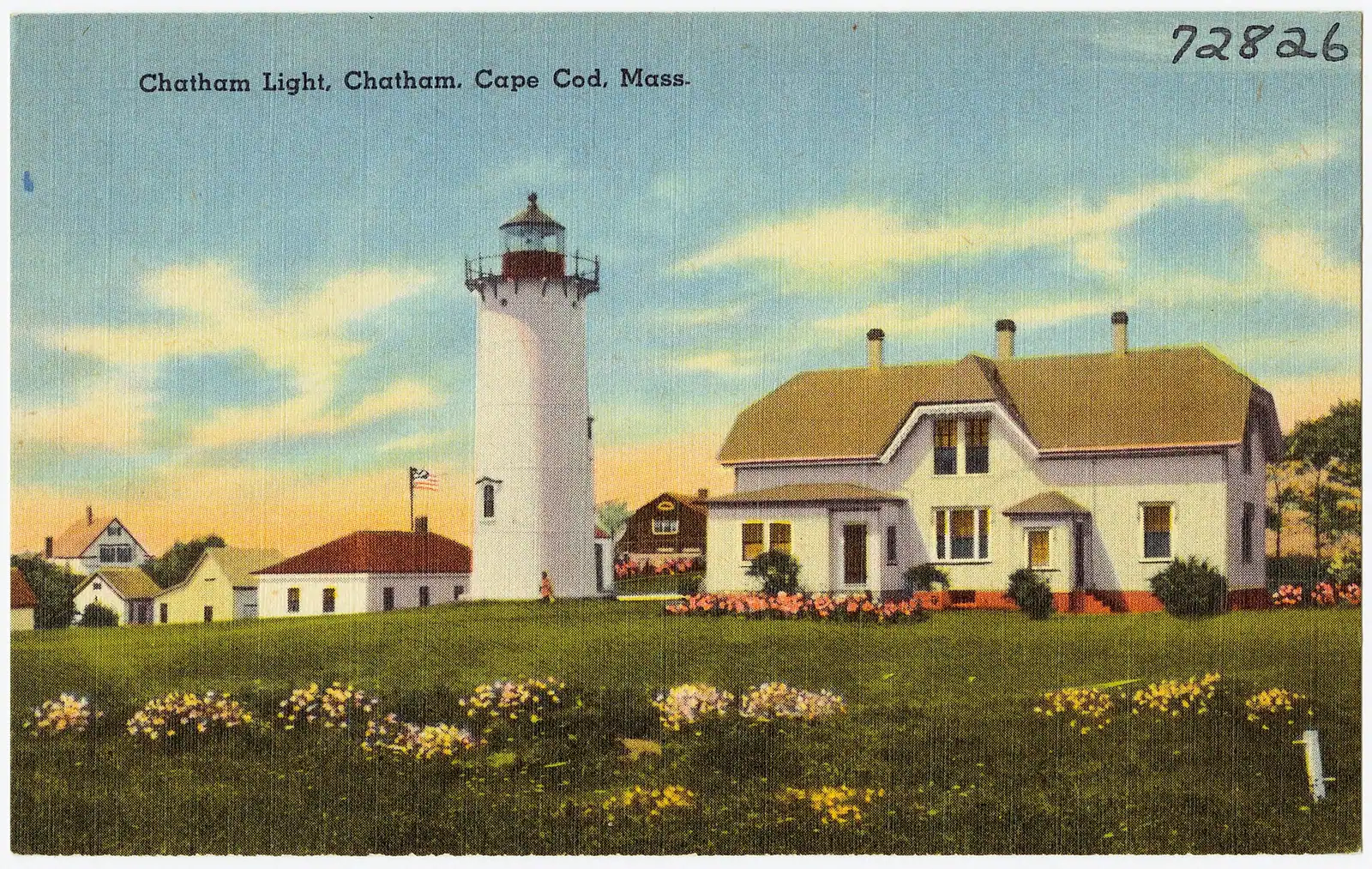
    Chatham Light

    An active Coast Guard station at the Cape's elbow, above a barrier beach that has broken open and resealed several times in living memory.

    0.5–1.5 hoursFree. The overlook, the view and the beach stairs cost nothing.

  • Salt marsh grass and a winding tidal channel under a wide overcast sky on Cape Cod

    Nature preserve

    Free

    Monomoy National Wildlife Refuge

    Two wilderness barrier islands off Chatham holding thousands of grey seals and the Atlantic coast's largest common tern colony.

    1–4 hoursFree. Refuge lands carry no entrance charge; boat trips with private operators are separately priced.

  • Working fishing and excursion boats tied along a pier with a Cape Cod town behind them

    Marina

    Free

    Chatham Fish Pier

    A free viewing gallery built over a working unloading floor, where Chatham's day boats land what they caught that morning.

    0.5–1.5 hoursFree. The observation gallery above the unloading floor has no admission at any time of year.

  • A long empty beach of pale sand backed by low dune vegetation with no buildings in sight

    Beach

    Head of the Meadow Beach

    The least crowded of the six park beaches, with a Truro town lot next door on a different payment system and an 1872 wreck in the sand.

    2–5 hoursNational Seashore lot: $25 per vehicle per day. The adjacent Truro town lot charges separately.

Straight answers

Questions people actually ask

Where can you see seals on Cape Cod?

Chatham is the centre of it. Boats run out of the town's harbours to the bars around Monomoy National Wildlife Refuge, where several thousand grey seals can haul out on a single low tide. From shore, the Chatham Fish Pier observation deck is free and reliable, the Morris Island trail overlooks the refuge, and from October onward seals are routinely visible from the Outer Cape ocean beaches at Race Point, Head of the Meadow and Nauset Light.

What kind of seals live on Cape Cod?

Two species. Grey seals are the large ones with a long Roman-nosed profile, resident here year-round and breeding on the outer bars in winter; bulls reach something like eight to ten feet. Harbour seals are smaller with a rounded, almost dog-like face, and are mainly a cold-season presence from roughly October to May before moving north to pup. A November trip will usually show you both.

How many seals are there on Cape Cod?

Tens of thousands across southeastern Massachusetts, though counting animals that spend most of their lives underwater is genuinely difficult and estimates vary. The trajectory is clearer than the total. Massachusetts paid a bounty on seals until 1962; a survey of the whole Maine coast in 1973 found roughly thirty grey seals; the Muskeget colony produced five pups in 1988 and more than two thousand by 2008. It is one of the country's clearest wildlife recoveries.

How close can you get to seals on Cape Cod?

NOAA asks viewers to stay at least 150 feet from a hauled-out seal, and reputable operators work to that distance. Harassing a marine mammal is prohibited under the Marine Mammal Protection Act, and anything that changes the animals' behaviour counts, including flushing a haul-out into the water. Bring binoculars: the distance is fixed by regulation, so optics do more for a seal trip than any other item you can pack.

How long is a Cape Cod seal tour?

Most run ninety minutes to two hours out of Chatham, which is enough to reach the Monomoy bars, spend real time at a haul-out and come back. Shorter harbour spins exist and are cheaper but see far fewer animals. Departure times are set by the tide rather than by convenience, because seals haul out when the bars are dry, so take the slot you are offered rather than the one that suits lunch.

Will I see a shark on a Cape Cod seal tour?

Possibly, and no operator can promise it. White sharks hunt these seals along the Outer Cape through the warm months, and predation is occasionally witnessed from tour boats, but sightings are unpredictable and anyone advertising sharks is selling something they do not control. What the link should change is your swimming: stay out of the water near seals, on every coast of the Cape.

Can you see seals on Cape Cod in winter?

Winter is arguably the best time. Grey seals are here year-round and pup on the outer bars in the cold months, and harbour seals join them from roughly October to May, so you get both species and almost no other people. The catch is that far fewer boats are running, the weather is genuinely raw and most Outer Cape businesses are closed. Shore watching from the ocean beaches is free and productive.

Why are seals controversial on Cape Cod?

Because the recovery has costs that fall unevenly. Commercial and recreational fishermen point to seals stripping hooks, damaging gear and consuming a lot of inshore biomass, and to the white sharks that followed them back to these beaches. Biologists point out that this is closer to the coast's natural state than the bountied version was, and that seals are protected by federal law. The argument runs in the Chatham letters pages every summer.