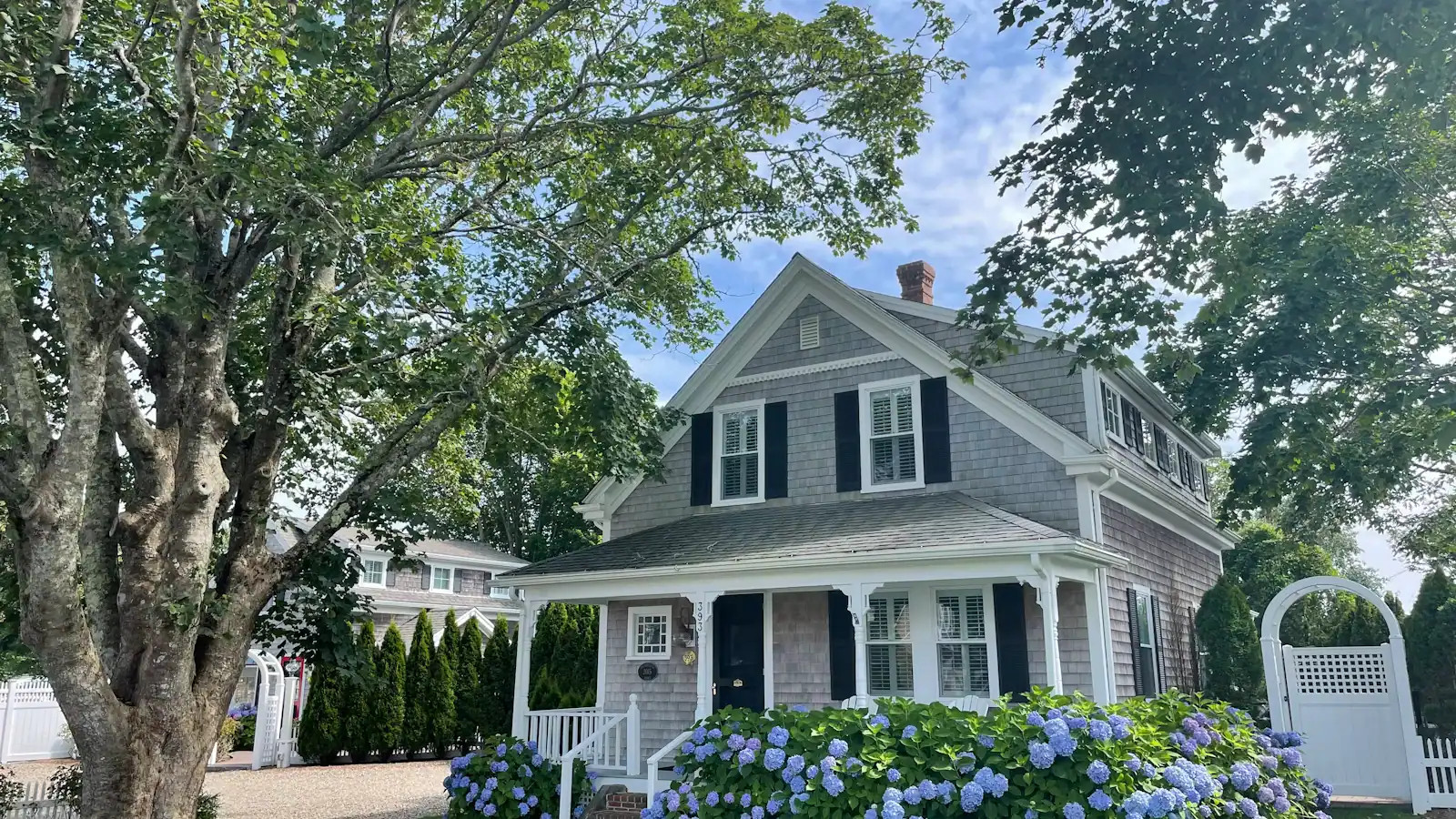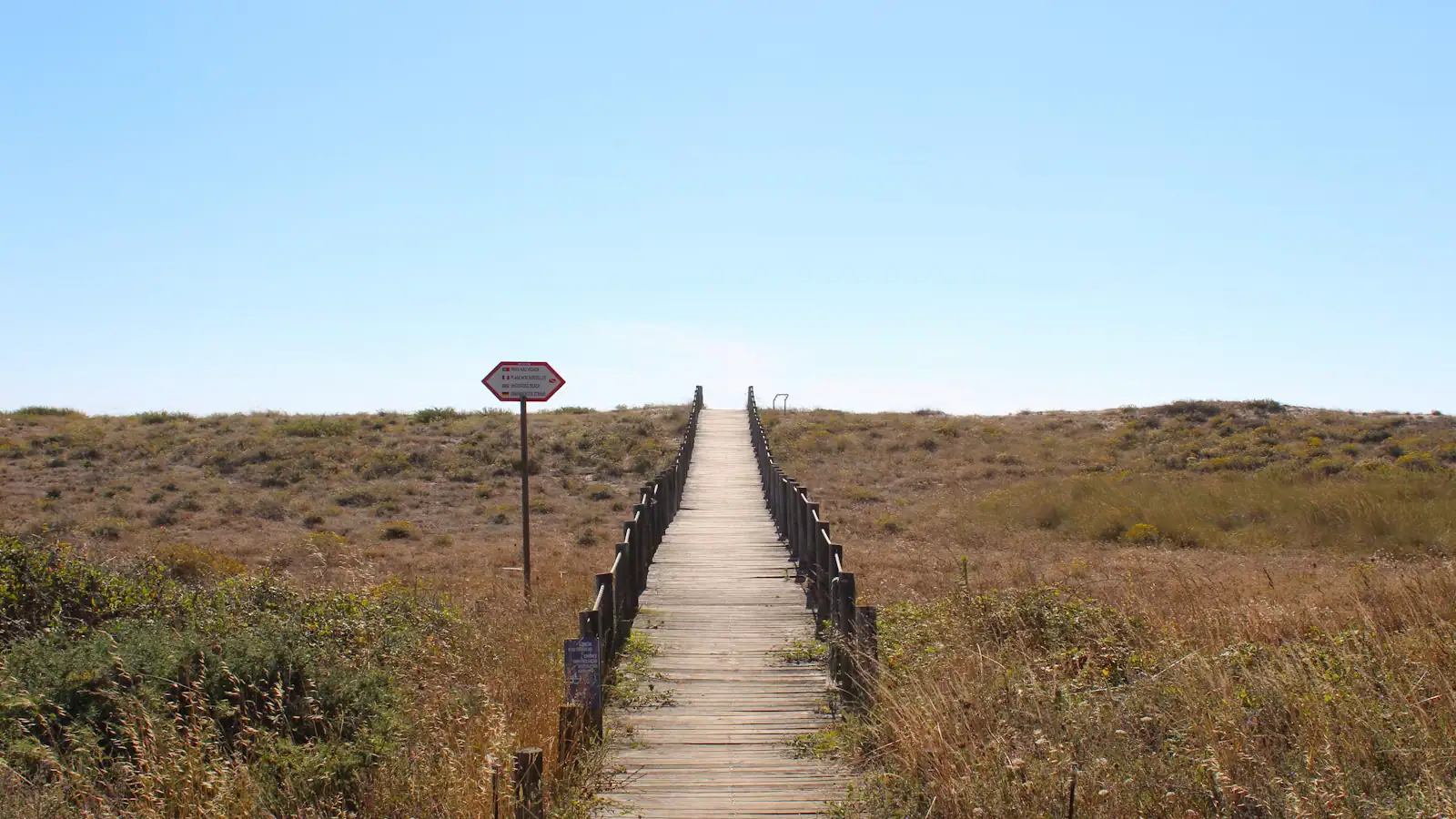
A first trip to Cape Cod usually goes wrong weeks before anyone sees sand. Somebody picks a rental on photographs and nightly rate, everyone arrives on a Saturday in July, and by Sunday lunchtime it emerges that the beach in the listing photograph is a forty-minute drive away on a coast that swims nothing like the one they had imagined.
Almost none of that is fixable once you have arrived. So this guide runs in the order the decisions actually get made.
Learn the shape before you look at a single rental
The Cape is a hooked peninsula roughly 65 miles long, joined to the rest of Massachusetts by two road bridges across a canal cut through the neck. It runs east, bends north at the elbow around Chatham, and curls back west at the fist to finish in Provincetown. There are fifteen towns, and locals sort them into four stretches without ever explaining them to visitors.
- Upper Cape — Bourne, Sandwich, Falmouth, Mashpee. Nearest the bridges, and the departure point for the Martha's Vineyard boat at Woods Hole.
- Mid Cape — Barnstable, Yarmouth, Dennis. The busy middle. Hyannis sits here with the regional airport and the Nantucket ferries.
- Lower Cape — Brewster, Harwich, Chatham, Orleans. The bend of the elbow: tidal flats on one side, the first proper ocean beaches on the other.
- Outer Cape — Eastham, Wellfleet, Truro, Provincetown. Narrow, mostly protected parkland, and a long way from the bridges.
Note that "Upper" is the end closest to the mainland and "Lower" is further out to sea. The names come from the old sailing convention of running down the coast before the wind, not from any map, and nobody is going to relabel them to suit you.
Then choose your coast, which matters more than your town
There are three separate coasts here and they are genuinely different swims.
The Atlantic side, from Chatham up to Provincetown, is open ocean over a steep bottom. Real surf, a shore break that will flatten a small child, and water that commonly sits fifteen degrees colder than the air. Nearly all of it is Cape Cod National Seashore, which means dunes and no houses.
The bay side, facing in along the inside of the hook through Brewster and Eastham, is the opposite: shallow, sheltered, a good deal warmer, and drained twice a day into sand flats you can walk out across for close to a mile at Skaket or First Encounter.
Nantucket Sound, along the south shore from Falmouth through Harwich, splits the difference. Warmest of the three by August, small waves, and the coast most families end up on without ever learning the other two exist.
Decide which of those three your trip is about before you decide anything else.
Book in this order
| Step | Decide | Why it has to come first |
|---|---|---|
| 1 | Which stretch: Upper, Mid, Lower or Outer | Everything else is a consequence of it |
| 2 | Which coast you want to swim on | Some towns touch two; several touch only one |
| 3 | Accommodation | Outer Cape cottages for July and August are commonly gone by February |
| 4 | Whale watch, if you want one | The good mid-morning sailings go first in season |
| 5 | Island ferry, if you want one | Car space to the Vineyard sells out long before foot passage |
| 6 | Restaurant tables | Only worth bothering with for the handful that take bookings |
The bridges are the whole practical story
Every vehicle arriving on Cape Cod crosses either the Bourne or the Sagamore, both opened in 1935 and both carrying four narrow lanes without shoulders. A journey that Google offers at an hour and a quarter can genuinely take three on a Friday afternoon in August, and no back road exists because there is no back road to have.
Plan your arrival and departure around them rather than around checkout time. Crossing before nine in the morning or after seven in the evening is a different experience from crossing at two in the afternoon. Saturday changeover is the worst day of the week in both directions, and everybody on the peninsula knows it.
What a first week actually looks like
Five to seven nights is the right length. Fewer than four and the drive swallows too much of it.
A workable shape: one day on the bay flats timed to low tide, one day on a National Seashore ocean beach, one full day out at Provincetown, one day on the Cape Cod Rail Trail, one day at Chatham and the fish pier, and one deliberately unplanned. Put the whale watch on the calmest forecast day of the week rather than on a fixed date.
Resist the urge to drive the whole peninsula. People who try to see Sandwich and Provincetown in one day see a lot of US-6.
What it costs, roughly, in 2026
Prices move, so take these as bands and check before you commit.
- National Seashore beach parking is published and fixed: $25 per vehicle per day, $20 for a motorcycle, $15 for anyone aged 16 and over arriving on foot or by bicycle, or $60 for a Seashore annual pass. The gates are cashless and passes are sold only at the beach entrances, not at the visitor centres.
- Town beaches are a different system entirely. Most sell a daily parking fee to non-residents at a small number of lots, typically in the $20 to $35 range, and several sell nothing at all to visitors. A sticker bought in one town is worthless in the next one.
- Whale watching runs around $65 to $85 per adult for a three to four hour trip, which is the median price point of the whole bookable market here.
- Summer accommodation is the expensive part. Peak-week cottage rentals on the Outer Cape can run two to three times what the same property costs in June.
Six things first-timers get wrong
- Assuming the ocean is warm. It is not. The outer beaches often sit in the low sixties Fahrenheit in July.
- Ignoring the tide on the bay side. Arrive at Skaket at high water and you get a narrow strip of sand. Arrive at low water and you get the reason people come.
- Booking the Outer Cape in April. A large share of Wellfleet and Truro is shut between Columbus Day and Memorial Day.
- Turning up at a town beach without knowing the sticker rules. The attendant will turn you round, and the next lot is full.
- Treating shark advisories as background noise. They are not. The purple flag has a specific meaning and the guidance is worth reading before you go in.
- Scheduling the drive home for Sunday afternoon. So did everyone else.
Last updated
Opening hours, ordinances and prices move with the season. We re-check this guide rather than rewrite it, and the date above is the last time someone did. How we research and correct.