Skip to content
Search
Menu

Bookings here go through Viator, who pay us a commission. You are charged the same either way, and the commission had no say in this list.

Beach

Skaket Beach

Last updated

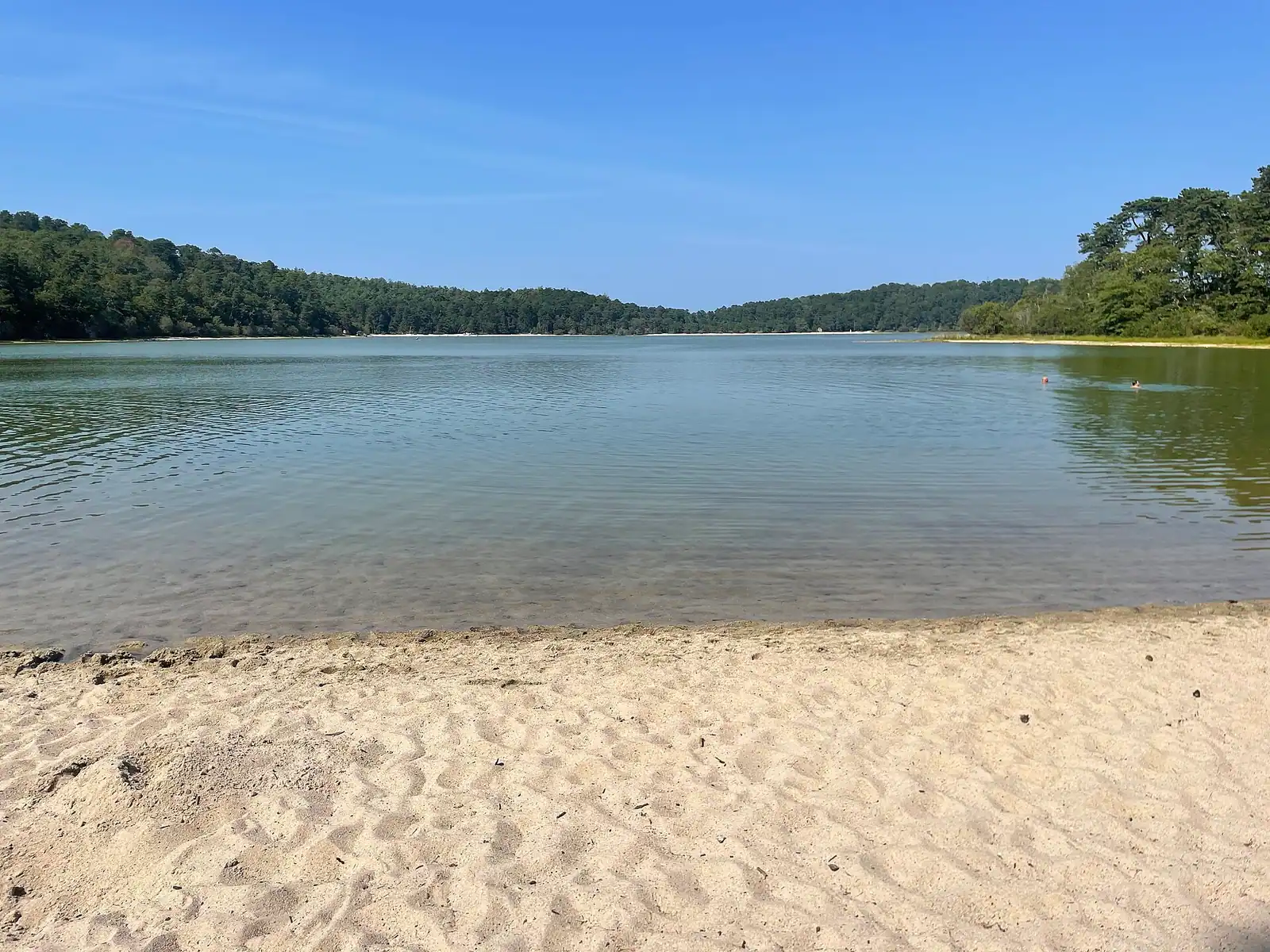
Warm, shallow bay water over a flat that empties for most of a mile — and a car park small enough that it shuts by mid-morning in July.

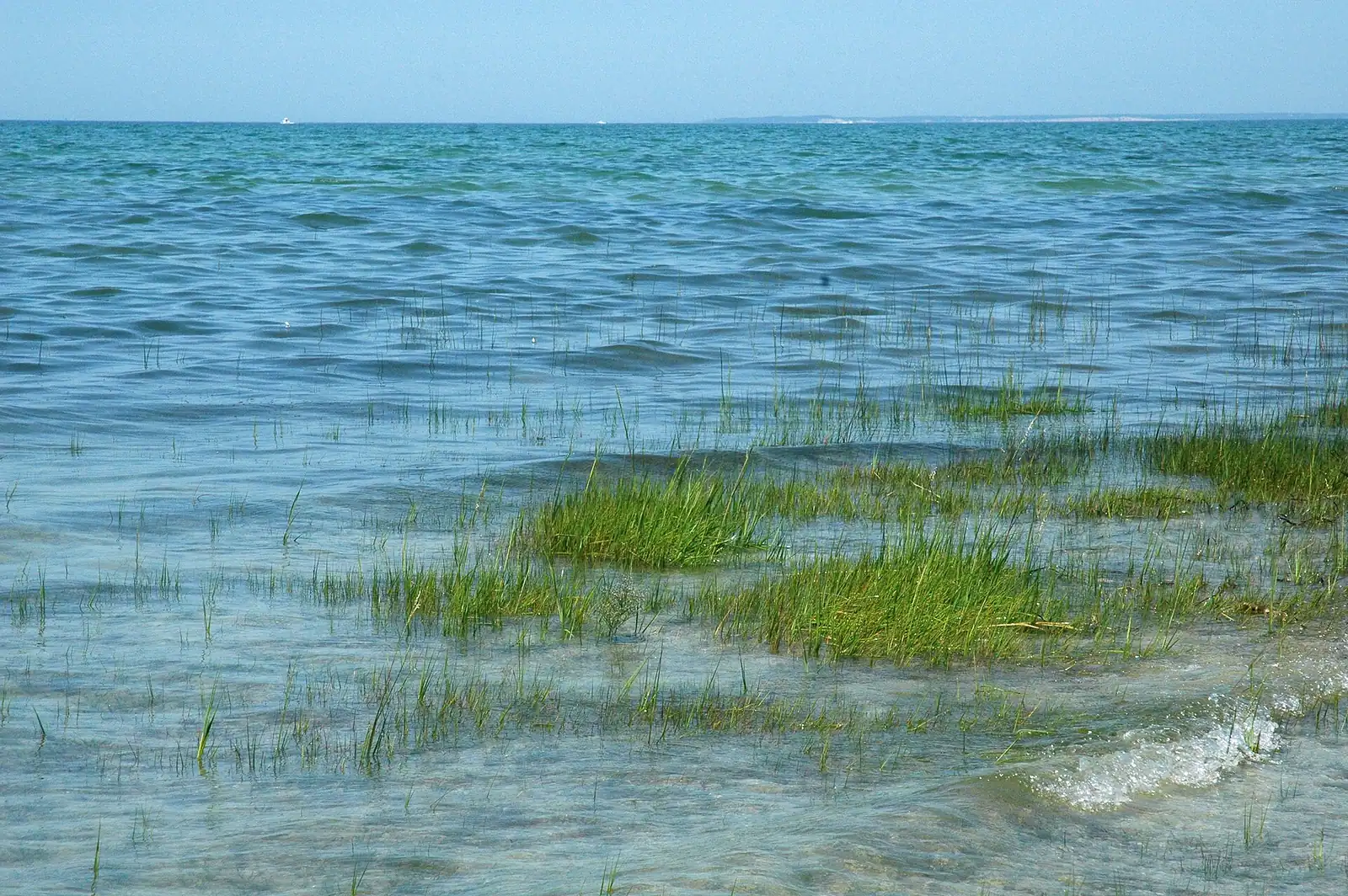
Photo: DimiTalenCC0

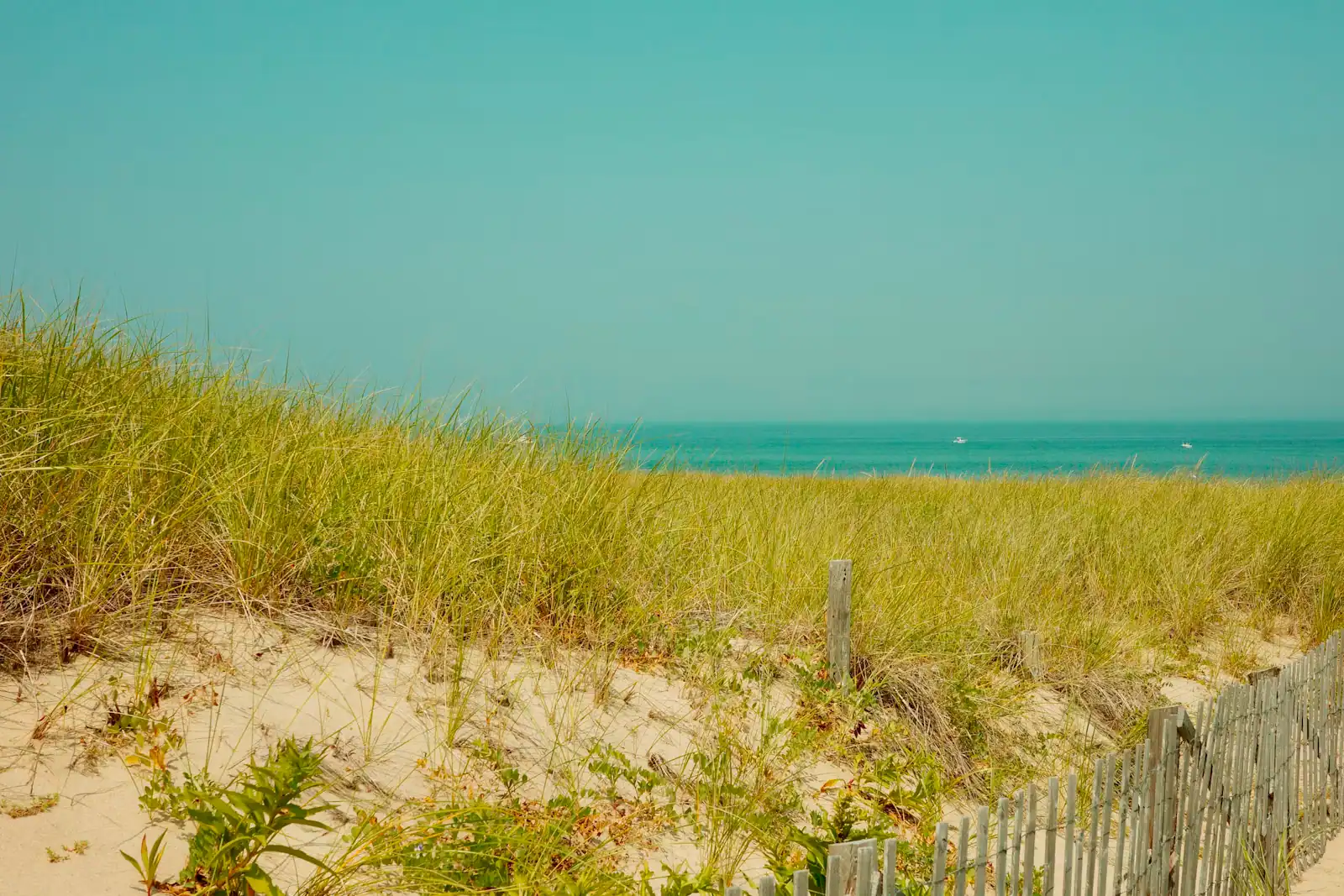
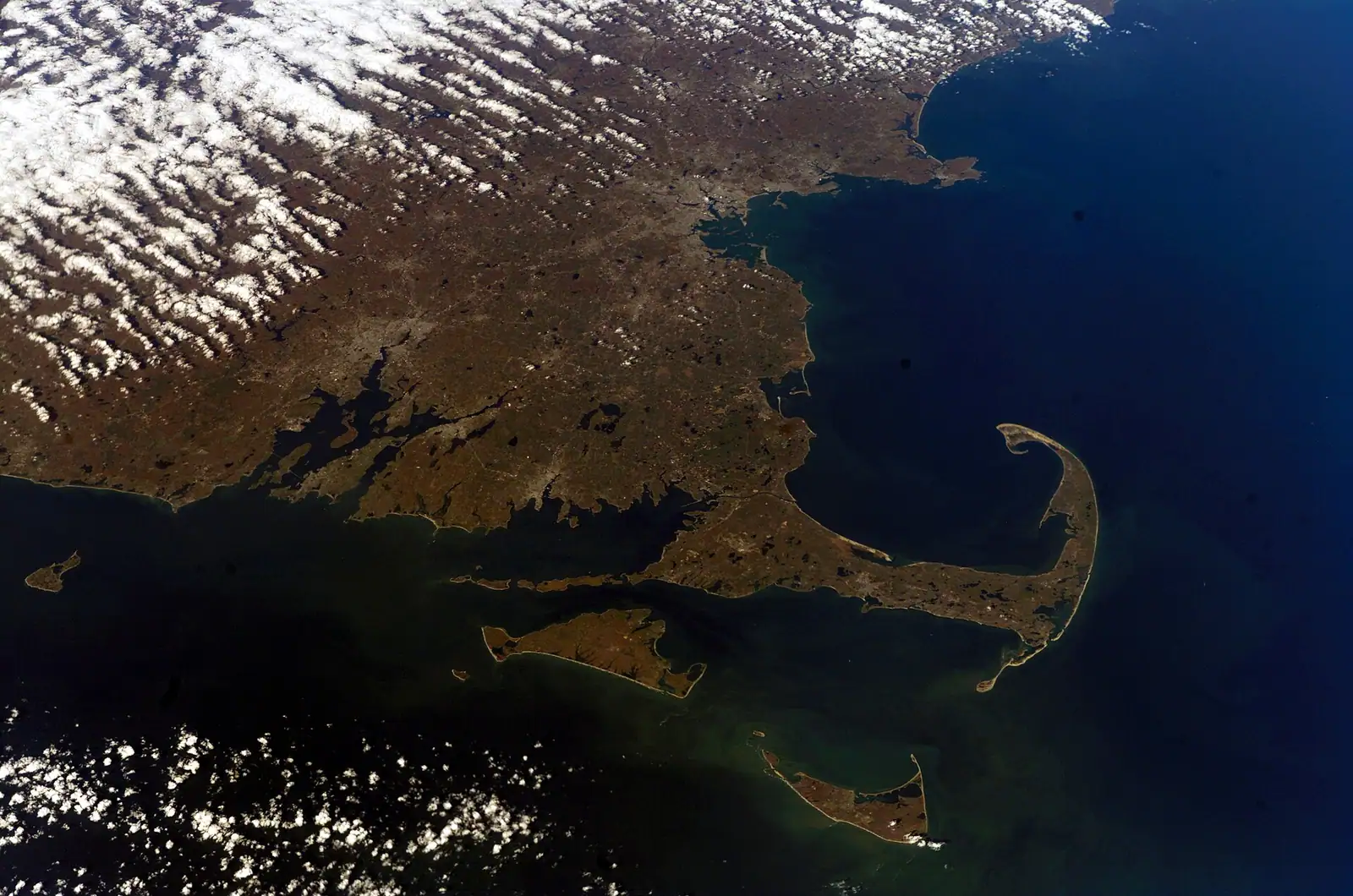
Orleans sits at the elbow of the Cape, and it is the one town that can offer both coasts inside ten minutes. Nauset Beach on the Atlantic side has a heavy shore break, cold water and a nine-mile barrier running south. Skaket, on the bay side, has none of those things. It has warm water a foot deep, an expanse of ribbed wet sand that appears twice a day, and a sunset.

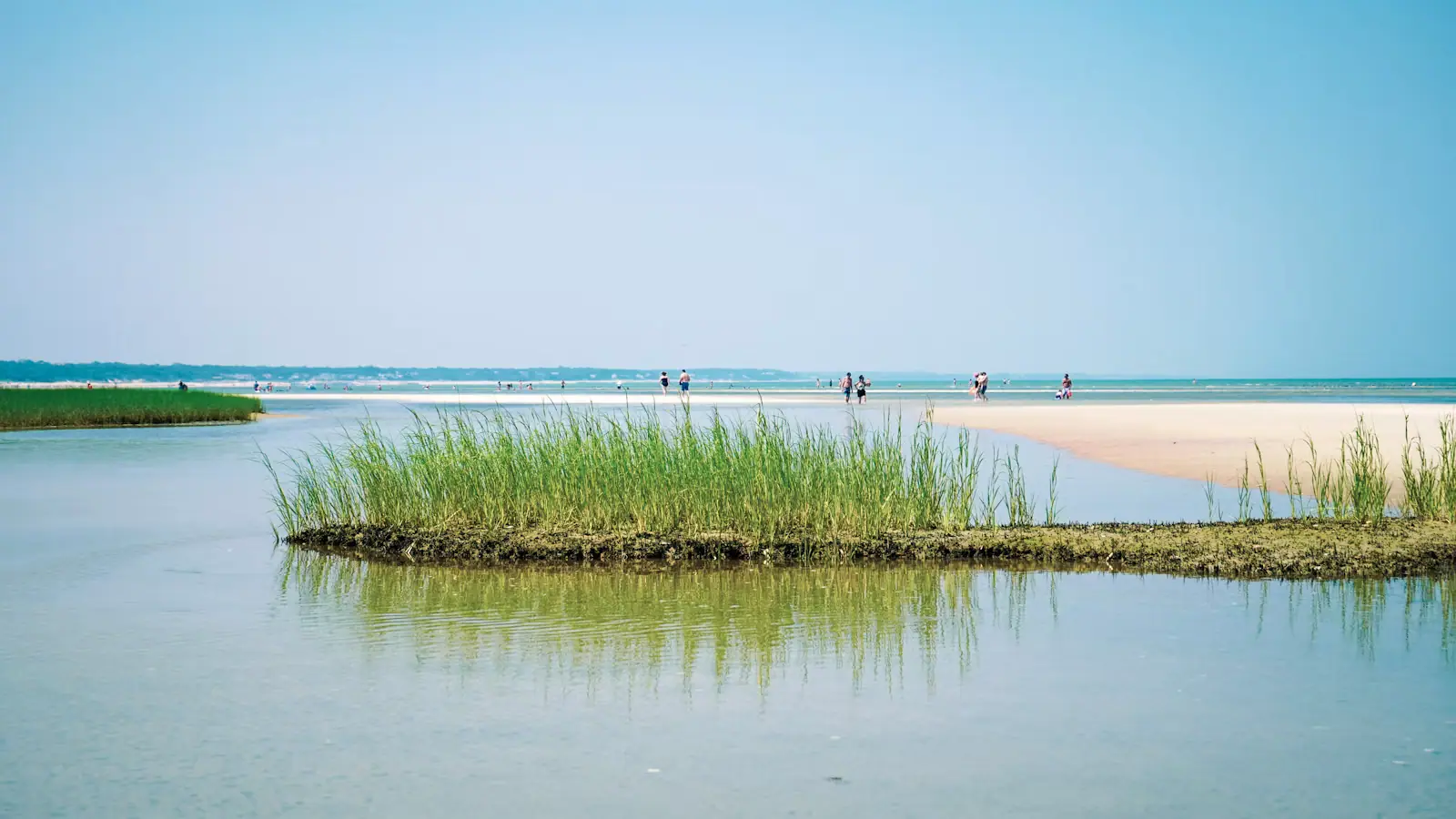
The flat is the attraction. On a low tide the bay withdraws for the best part of a mile, leaving a landscape of shallow warm channels, tidepools, moon snail collars, hermit crabs and slow-moving families with buckets. The water left behind has been sitting on sand in the sun and comes back in warm. Children who were flattened by the surf at Nauset the previous day spend six hours here without being knocked over once.

The problem is the car park. Skaket's lot is small for the demand — a few hundred spaces at most, serving one of the best-known beaches on the Lower Cape — and in July and August it closes by the middle of the morning and does not reopen until the afternoon turnover. There is no overflow, no shuttle and nowhere legal to put a car on the roads behind it.

The other thing worth knowing is that Skaket is a Town of Orleans beach. The National Seashore pass that covers six ocean beaches up the coast is worth nothing at this gate, and the town runs its own sticker and daily rate.

Getting there and parking

From the Orleans rotary, take West Road and then Skaket Beach Road to the end. The drive from the centre of Orleans takes about five minutes; from the Eastham side of the town line, about ten.

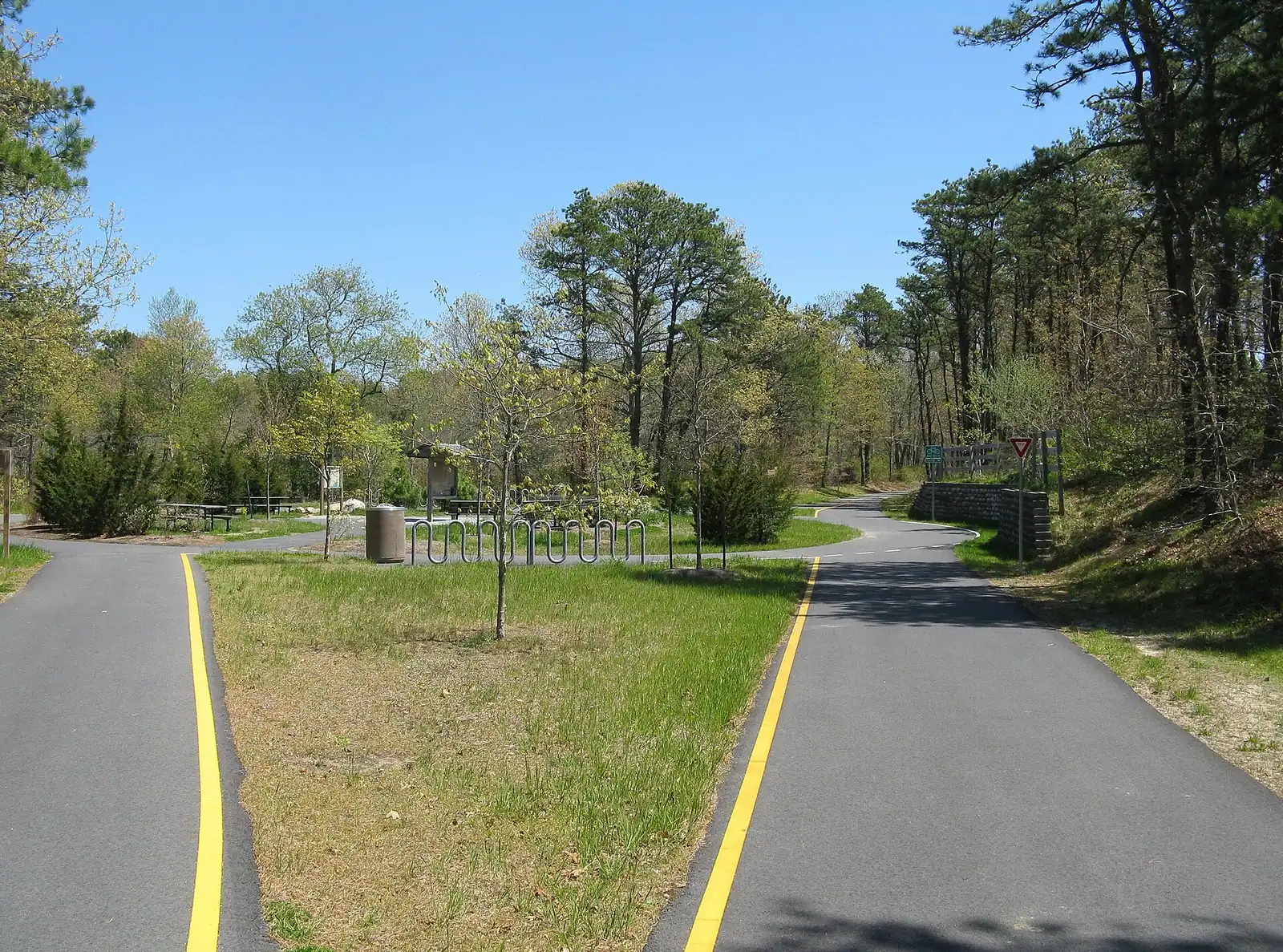
The Cape Cod Rail Trail runs through Orleans and the connection to the beach is short and flat on quiet roads, which in July is a materially better plan than driving. There are racks at the beach entrance.

Nauset Beach on the Atlantic side of the same town is about ten minutes away on Beach Road, and the same Orleans sticker covers both.

Rock Harbor, five minutes north, is the fallback when Skaket's lot has closed: a working harbour rather than a swimming beach, with parking and a well-known sunset.

The car park is the whole planning problem

Treat Skaket's lot as a morning decision rather than an afternoon one. On a hot July day it fills between about half past nine and half past ten and then shuts. Attendants close the entrance rather than run a queue, and it stays closed until enough of the morning crowd leaves, which is usually well into the afternoon.

Parking on Skaket Beach Road or on the residential lanes behind it is not a workaround. Orleans posts and enforces it, the fine is not nominal, and the neighbours report cars quickly because this happens to them every single summer day.

Three genuine alternatives. Come early, before nine, and make a morning of it on the outgoing tide. Come late, after three, when spaces free and the light improves anyway. Or cycle: the Cape Cod Rail Trail runs through Orleans and the ride from the trail to the beach is short and flat, with racks at the entrance and no lot problem at all.

Rock Harbor, five minutes north, is not a swimming beach but has parking, the Orleans charter fleet and a famous sunset of its own, and is the standard fallback when Skaket has closed.
Reading the tide before you decide when to come

Skaket at high water is a modest strip of sand with warm water lapping it. Skaket at low water is an enormous plain of wet, ribbed sand with people the size of pins standing half a mile out. They are entirely different days, and the tide table decides which one you get.

For the flats, aim to arrive an hour or two before low water and walk out as it drops. For swimming without a long walk, come on a rising tide, when the water is coming back across warm sand and is at its most pleasant.

The return is the thing to watch. Water comes back over a flat surface fast, and it fills the channels behind you before it reaches where you are standing. Every summer somebody ends up swimming a channel they walked over dry an hour earlier. Turn at the bottom of the tide.

Footwear helps. The flat is firm but scattered with shell fragments, and an hour of barefoot exploring finds every one. Bring water; there is no shade out there at all, and the reflected light off wet sand burns faster than people expect.

Skaket versus Nauset, ten minutes apart

This is the comparison that makes Orleans worth staying in, and most visitors only discover it in the second half of their week.

SkaketNauset Beach
CoastCape Cod BayOpen Atlantic
WaterWarm, shallow, calmCold, often low sixties in July
WavesNone to speak ofHeavy shore break, surfable
At low tideFlats out for most of a mileWide hard sand, strong rips
Best forSmall children, tidepooling, sunsetSurfing, bodyboarding, long walks
SunsetFaces it directlyBehind you

Both are Orleans town beaches on the same sticker, which is the practical point: one payment covers both, and the drive between them is about ten minutes across town.

The local pattern is to take small children to Skaket in the morning on a dropping tide and to send the teenagers to Nauset in the afternoon when the wind gets up. Nauset also has the town's famous clam shack at the entrance, which Skaket does not.

Facilities, wildlife and the sunset

Facilities are simple: seasonal restrooms and a small snack concession that has operated in recent summers, plus lifeguards during the town's staffed season. There is no rental stand and almost no shade.

  • Horseshoe crabs spawn along this shore in late spring, usually around the high tides of the new and full moon in May and June. They are harmless, ancient and protected — look, do not lift them by the tail.
  • Moon snails leave the collar-shaped sand egg cases that everybody photographs and nobody can identify. They also drill the neat round holes you find in clam shells.
  • Terns and plovers nest on the marsh edges; posted areas are roped and enforced.
  • Bring a windbreak. The bay breeze comes across a mile of open flat with nothing to slow it.
  • Mosquitoes at dusk from the marsh behind the beach are serious in July and August.

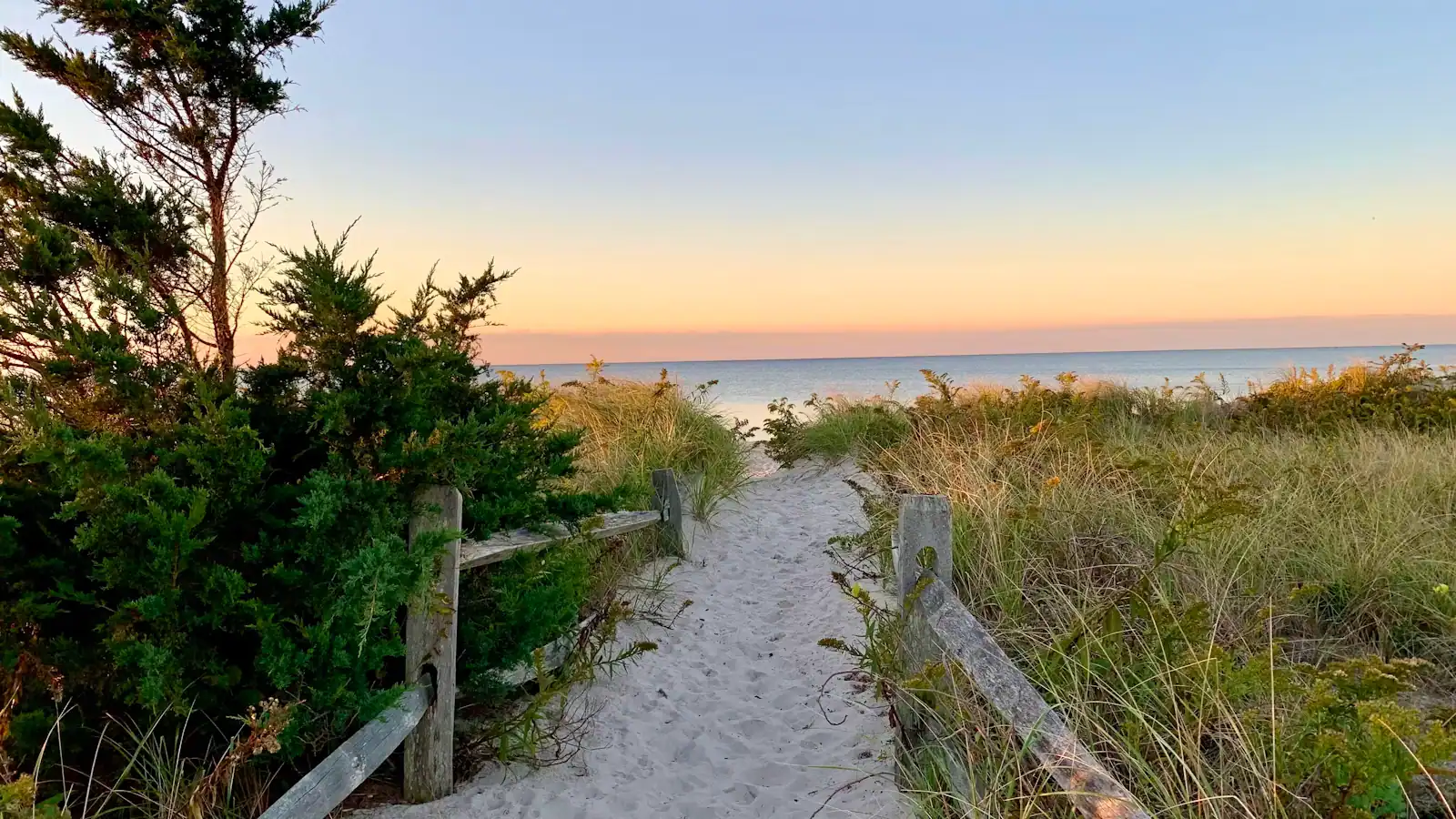
The sunset here is the Lower Cape's best, and the lot is usually accessible in the evening because the day crowd has gone. Wet sand at low water doubles the sky. Stay twenty minutes after the sun goes; the colour peaks late.

Near Skaket

Straight-line distances, so allow more on the road — the island is long and has one main parkway.

  • People walking out across wet sand flats at low tide on the bay side of Cape Cod

    Beach

    Free

    First Encounter Beach

    Bay-side Eastham, where the tide goes out for most of a mile and the name marks a skirmish fought on this sand in December 1620.

    1.5–4 hoursFree to enter. Town parking is charged in season by daily rate or Eastham beach sticker.3.3 mi away

  • A paved pathway running between green grass under an overcast sky

    Trail

    Free

    Cape Cod Rail Trail

    Twenty-five and a half paved miles on an old railbed through seven towns, and the way to reach a beach in August without parking.

    1.5–6 hoursFree to use. Some trailhead car parks charge or require a town sticker.2.4 mi away

  • A paved pathway running between green grass under an overcast sky

    Park

    Nickerson State Park

    Eight glacial kettle ponds in nineteen hundred acres of pine, with the Cape's only large public campground and its warmest swimming.

    2–8 hoursState park day-use parking fee in season; camping and yurts are booked and priced separately2 mi away

  • Small boats moored on calm water in a sheltered harbour at Chatham, Massachusetts

    Neighbourhood

    Free

    Chatham

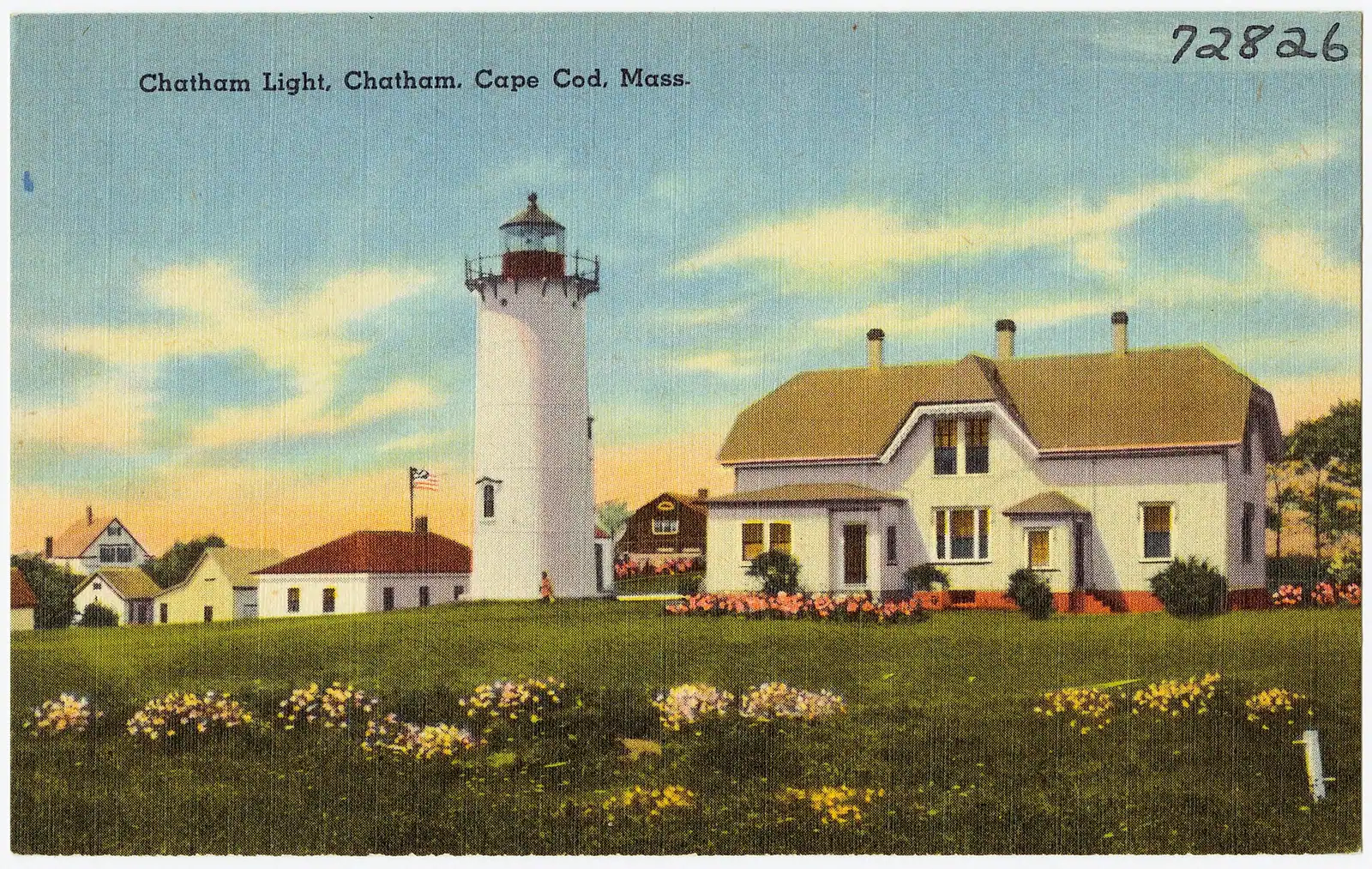
    The town at the Cape's elbow, where a barrier beach has broken open three times since 1987 and rebuilt the shoreline each time.

    3–8 hoursFree to visit. Town beach lots require a Chatham parking sticker in season.8.1 mi away

Skaket: common questions

What time does Skaket Beach parking fill up?

On a hot July or August day, between about half past nine and half past ten. The lot is small for how well known the beach is, and attendants close the entrance rather than run a queue; it usually reopens only when enough of the morning crowd leaves in the afternoon. Parking on the roads behind the beach is posted and enforced. The reliable options are to arrive before nine, come after three, or cycle in from the Cape Cod Rail Trail.

Can you walk out on the flats at Skaket Beach?

Yes, and on a spring low tide you can go out for the best part of a mile over firm ribbed sand, warm channels and tidepools. It is the main reason people come. Watch the turn of the tide carefully: the water returns across a flat surface quickly and fills the channels behind you before it reaches where you are standing, so start back at low water rather than after it. Wear something on your feet — there are shell fragments throughout.

What is the difference between Skaket Beach and Nauset Beach?

They are ten minutes apart in the same town and they are completely different swims. Skaket faces Cape Cod Bay: warm shallow water, no waves, huge tidal flats and a direct sunset. Nauset faces the open Atlantic: cold water often in the low sixties in July, a heavy shore break that surfers drive for, and rip currents. One Orleans beach sticker covers both, so the sensible plan is small children at Skaket on a dropping tide and the surf at Nauset later.

Is Skaket Beach good for young children?

It is among the best on the Cape for it. The water is warm, it is shallow for a very long way out, and there is no shore break to knock anyone over. At low tide the flats become a tidepooling ground full of hermit crabs, moon snail egg collars and shallow warm channels a toddler can sit in. The two cautions are sun — there is no shade at all out on the flat and the reflected light is strong — and the speed at which the tide returns.