Skip to content
Search
Menu

Bookings here go through Viator, who pay us a commission. You are charged the same either way, and the commission had no say in this list.

Neighbourhood

Chatham

Last updated

The town at the Cape's elbow, where a barrier beach has broken open three times since 1987 and rebuilt the shoreline each time.

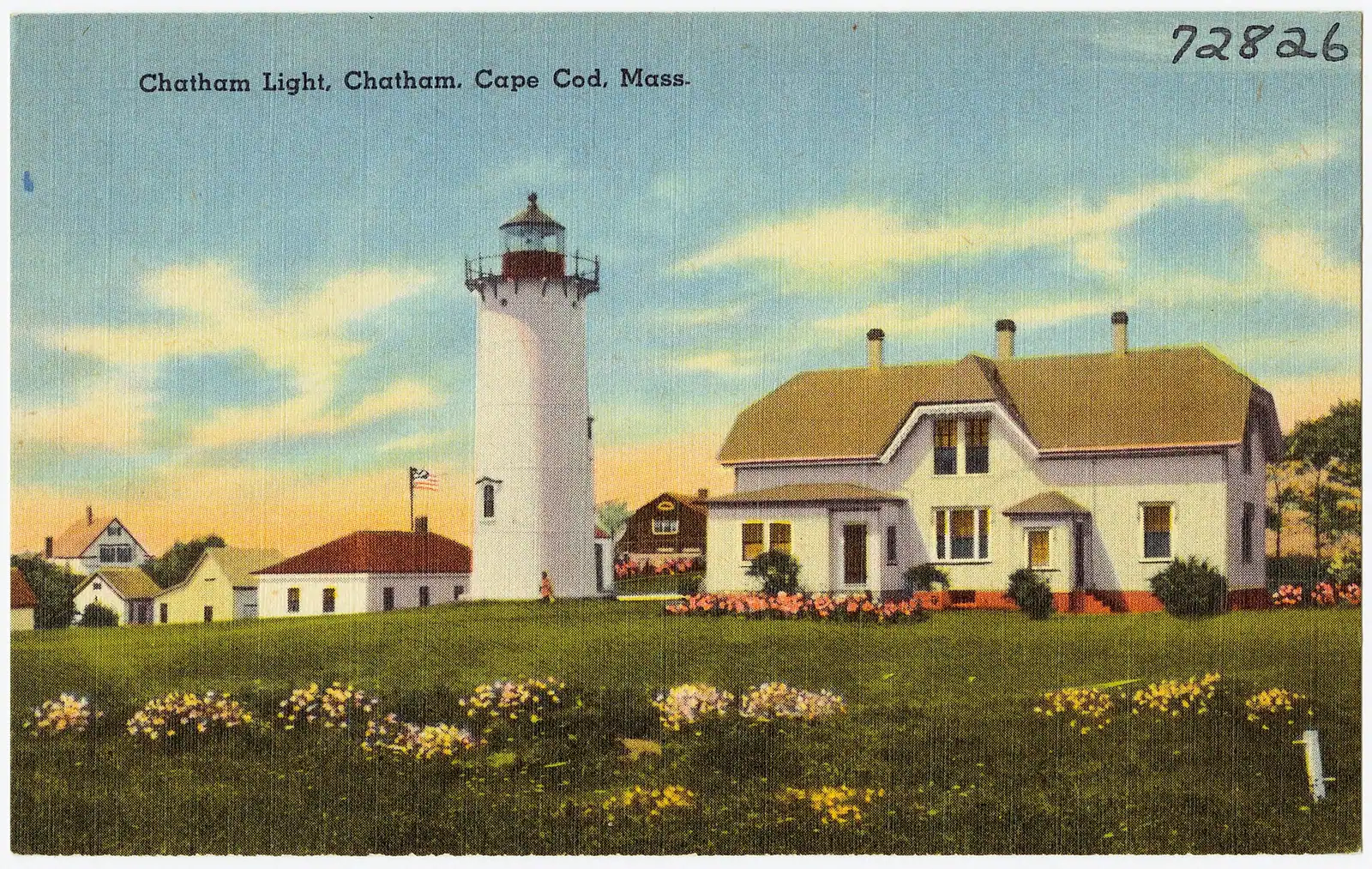
Photo: Tichnor Bros. Inc., Boston, Mass.Public domain

Chatham occupies the corner where Cape Cod stops running east and turns north. That sounds like trivia until you stand on the bluff by the lighthouse and work out what you are looking at. South and west of you is Nantucket Sound, shallow and comparatively warm. East of you is the open Atlantic with nothing between here and Portugal. The strip of sand separating the two has broken open three times in forty years, and each break redrew the harbour, the currents and the value of the houses behind it.

The first break came in January 1987, when a winter storm cut through North Beach directly opposite the lighthouse. A second opened in 2007. A third, in February 2013, cut North Beach Island. Chatham has an unusually literate population on the subject of littoral drift because it has had to be. Sand moves south along this shore, the barrier migrates landward, and the town argues about revetments in a way that other Cape towns argue about parking.

What that produces on land is a place that looks like the New England postcard and does not behave like one. The commercial fleet still lands at the fish pier on Shore Road. Grey seals haul out on the bars in numbers that were unimaginable in the 1970s. The Atlantic White Shark Conservancy runs its public sighting work from here, because the sharks that follow those seals are closest to shore in this part of the Cape.

Main Street is genuinely walkable, which is rarer on the Cape than visitors expect, and it runs about half a mile of independent shops, a bookshop, galleries and the Chatham Squire. Friday evenings in summer the town band plays in Kate Gould Park and several thousand people bring lawn chairs. The Chatham Anglers of the Cape Cod Baseball League play free games at Veterans Field, wooden bats, college players, a collection hat passed through the crowd.

The catch is the same as everywhere on the Lower Cape. Between late June and Labor Day, Chatham's parking is the limiting factor on the whole day, and in February a good number of its shopfronts are dark.

Getting there and parking

From the Sagamore Bridge, take Route 6 east to exit 85 or 86 and drop south on Route 137 or Route 124 to Route 28, then follow Route 28 east into the centre. Allow around ninety minutes from the bridge with no traffic and considerably more on a summer Saturday, when the whole peninsula is changing over its weekly rentals at the same hour.

From Provincetown it is about an hour back down Route 6. From Hyannis, twenty-five to thirty-five minutes east on Route 28 through Harwich Port.

By bike, the Old Colony Rail Trail runs from Harwich into Chatham and ties into the Cape Cod Rail Trail, which is the only way of arriving here in August that does not involve a parking decision.

The Cape Cod Regional Transit Authority runs seasonal bus services through the Lower Cape towns; routes and seasons change, so check the current timetable rather than assuming one.

Two coastlines, two completely different swims

The Sound side and the Atlantic side are ten minutes apart by car and nothing alike in the water.

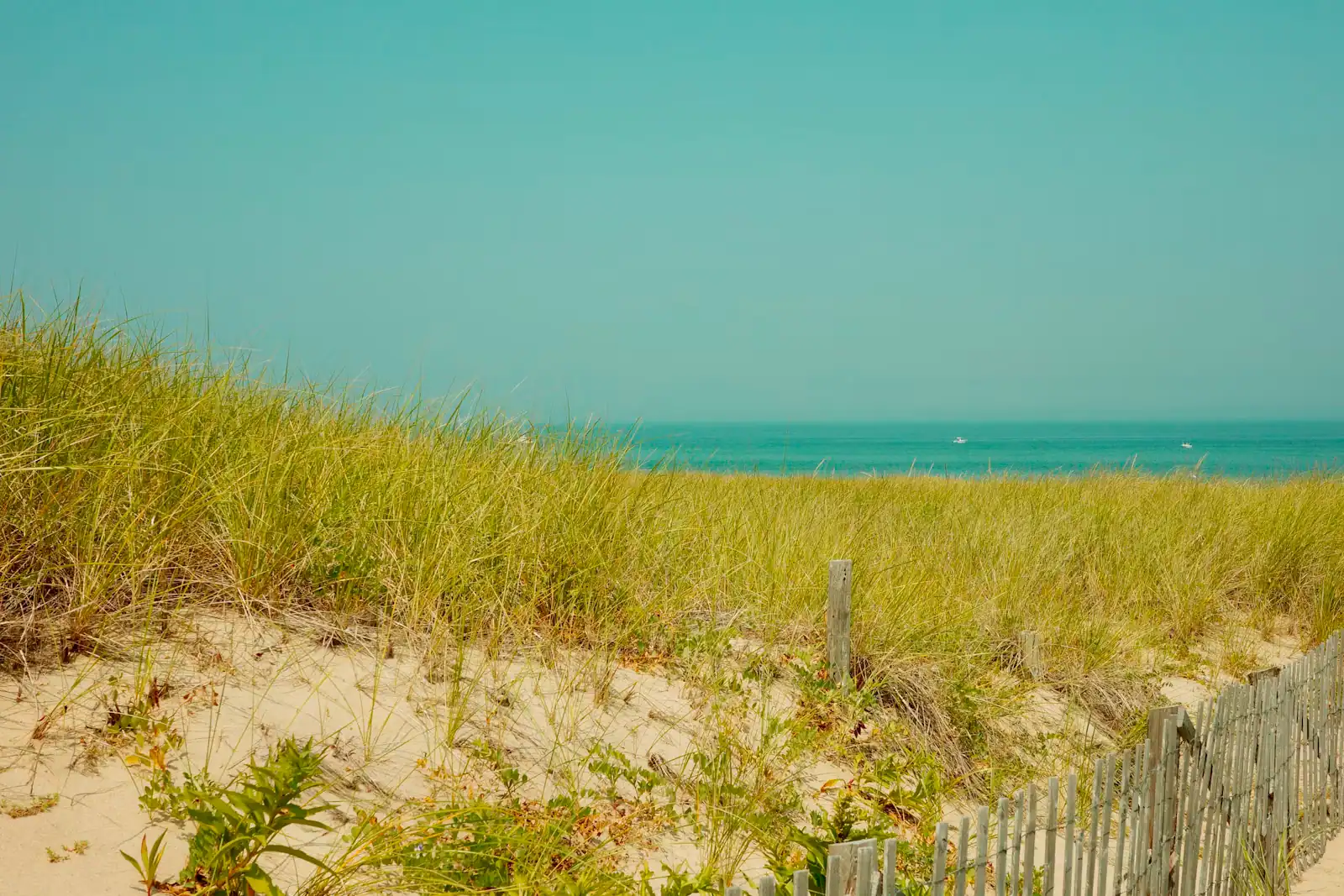
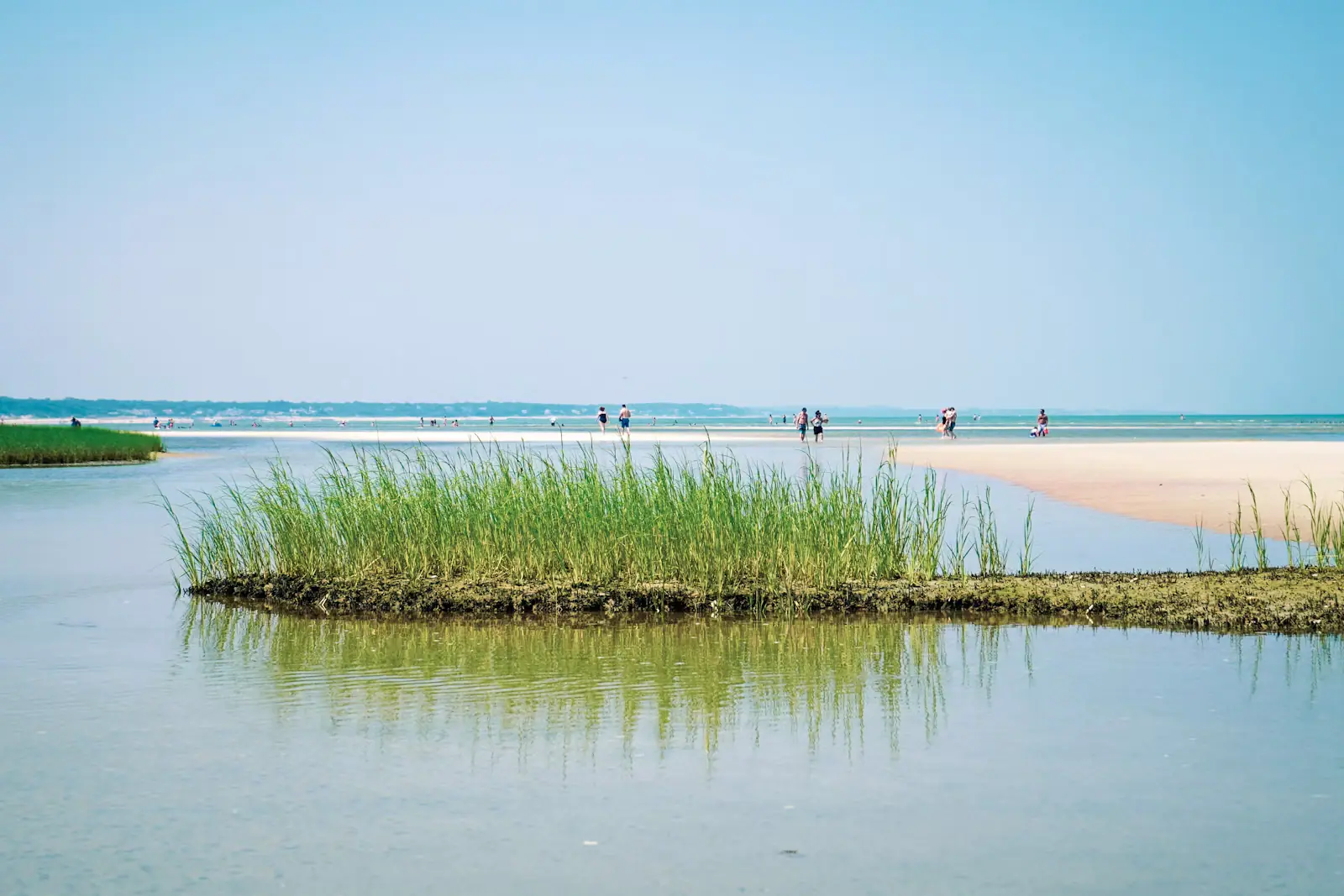
Nantucket Sound beaches — Oyster Pond, Cockle Cove, Ridgevale, Hardings — face south into protected, shallow water. They warm up meaningfully by late July, the surf is small, and at low tide the flats off Cockle Cove and Ridgevale run out far enough for small children to walk on. These are the family beaches and they are the ones locals send visitors to.

The Atlantic side — Chatham Light Beach, and the barrier beaches reached by boat — is the ocean. Cold water, real surf on a swell, and a current that runs hard through the breaks in the barrier. Swimming at Lighthouse Beach has been restricted at times because of that current and because of the seals and sharks offshore. Read the signs at the top of the stairs rather than the weather.

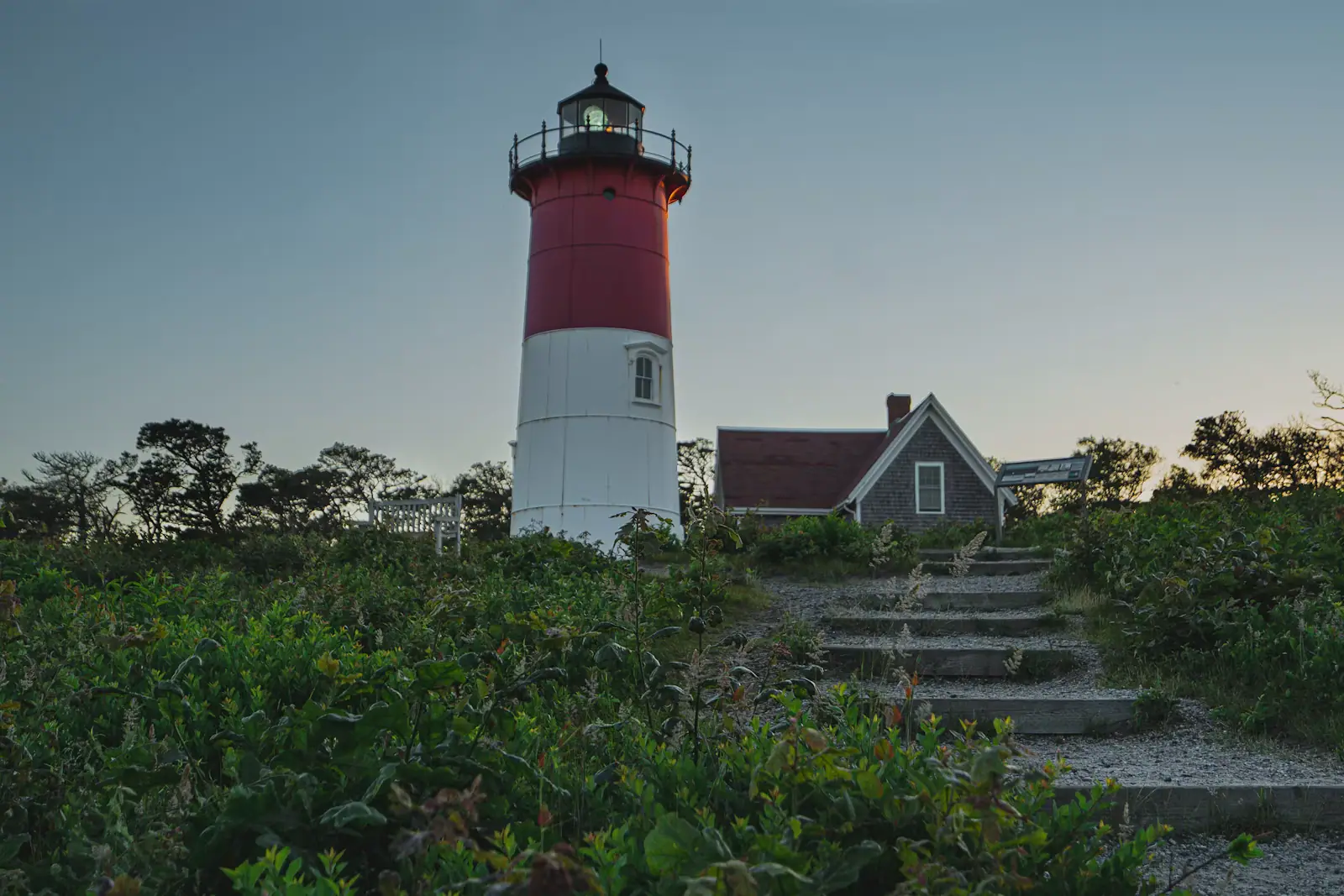
The lighthouse overlook is the best free thing in town. You park on Main Street opposite the Coast Guard station, look down over the break, and watch the whole system working: the bar, the channel, the seals, the boats threading through.

If you have one afternoon and want to swim, go to the Sound. If you have one afternoon and want to understand the Cape, go to the Atlantic side and do not get in.
The seals, the sharks and what it means in practice

Chatham has the densest grey seal population on the eastern seaboard, concentrated on the bars off the harbour and down the Monomoy islands. They are extraordinary to watch and they are the reason white sharks are here.

The practical guidance is not complicated. Swim at a lifeguarded beach. Stay in shallow water and close to shore. Do not swim near seals, and do not swim at dawn or dusk, which is when the water is murkiest. Groups are better than solo. If a lifeguard clears the water, get out immediately and do not argue about it.

The purple flag with the white shark silhouette that flies on the outer beaches is a standing advisory about the environment you are in, not a same-day sighting alarm. Confirmed sightings are logged in the Sharktivity app, which the Atlantic White Shark Conservancy runs with sighting verification by the New England Aquarium. Check it in the morning if it matters to you.

Federal law requires boats to stay 150 feet from hauled-out seals. Every legitimate Chatham seal operator knows this and will tell you why before you leave the dock.

None of this should stop anyone coming here. It should stop people treating the Atlantic side of Chatham as though it were Nantucket Sound.

Parking, stickers and the summer squeeze

Chatham runs the standard Cape system with an unusually tight supply.

  • Town beach lots require a Chatham parking sticker in season. Non-resident stickers are sold by the town for a season or a shorter period; the categories and prices change from year to year, so check the town's current schedule before you rely on one.
  • Main Street parking is free and time-limited, and it is full from mid-morning through the afternoon in July and August. The municipal lots behind the shops fill slightly later.
  • The lighthouse overlook lot is small and turns over constantly. Circle once and take what you get.
  • Ridgevale and Hardings are the sticker lots people actually try for. Cockle Cove is smaller again.
  • Bike instead where you can. The Old Colony Rail Trail runs into Chatham from Harwich and connects onward to the Cape Cod Rail Trail, and arriving on two wheels removes the entire problem.
  • Friday band-concert evenings in season fill the centre of town from about six. Park further out than feels necessary and walk in.

When Chatham is worth the drive

Chatham is roughly ninety minutes past the Sagamore Bridge on a clear day, which is far enough that the timing matters.

Late June to Labor Day is the full town: everything open, band concerts running, baseball at Veterans Field, and a Main Street you queue to walk down. Water in the Sound is at its warmest in late July and August.

September and early October are better value on almost every measure. The water is still swimmable on the Sound side, the light is cleaner, the fleet is working, and you can park. This is when people who have been coming for decades come.

Mid-October to Memorial Day is the honest off season. A number of restaurants and shops close outright, some reopen only at weekends, and the Cape's inn stock thins out. The seals are still there, the light is still there, and the beach in a January northeaster is worth seeing. Ring ahead rather than assuming.

The thing not to do is to come for a single mid-summer Saturday from off-Cape. The bridges at both ends of that day will take more of it than Chatham gives back.

Near Chatham

Straight-line distances, so allow more on the road — the island is long and has one main parkway.

  • Working fishing and excursion boats tied along a pier with a Cape Cod town behind them

    Marina

    Free

    Chatham Fish Pier

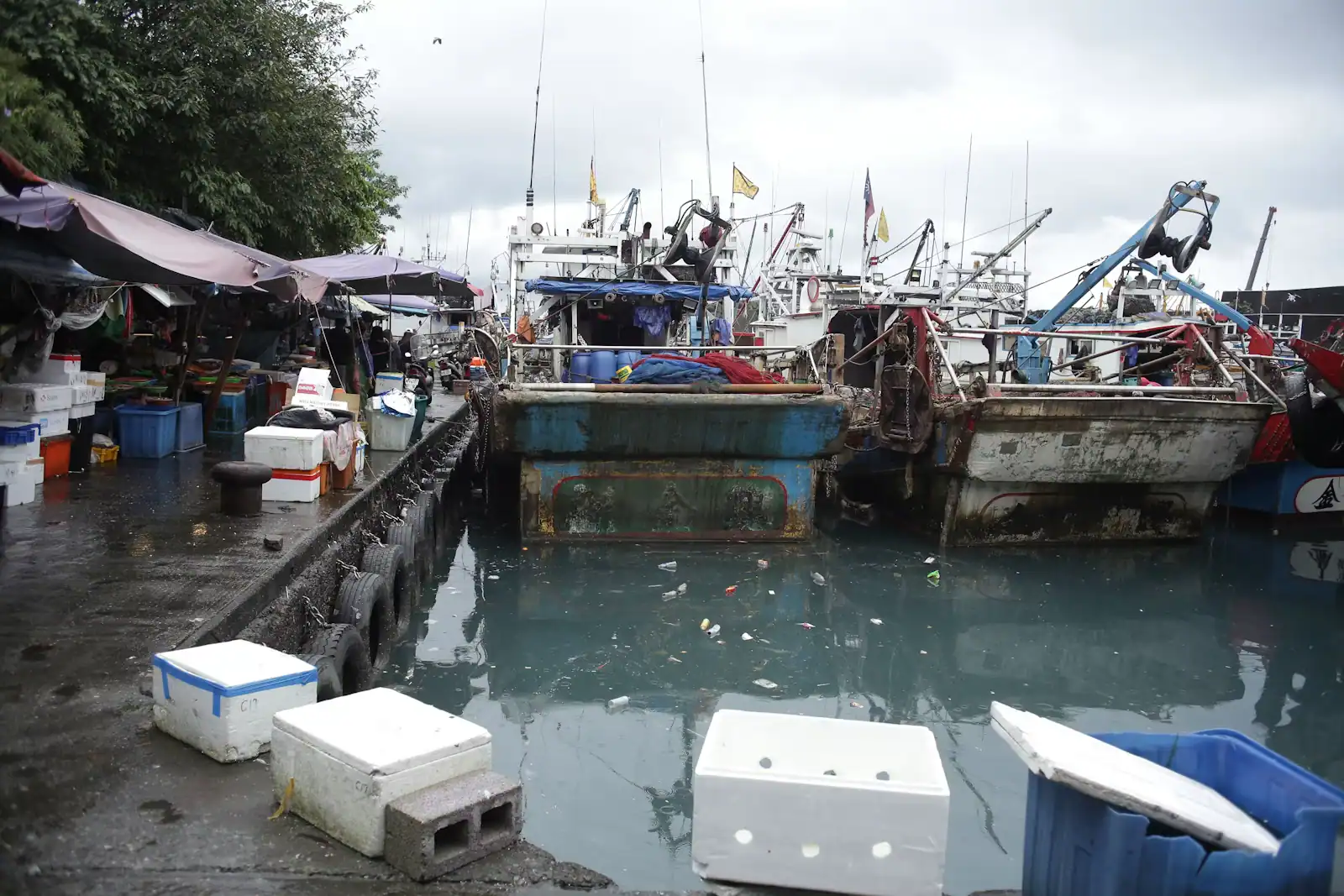
    A free viewing gallery built over a working unloading floor, where Chatham's day boats land what they caught that morning.

    0.5–1.5 hoursFree. The observation gallery above the unloading floor has no admission at any time of year.0.6 mi away

  • Boats tied up in a harbour basin below a lighthouse

    Landmark

    Free

    Chatham Light

    An active Coast Guard station at the Cape's elbow, above a barrier beach that has broken open and resealed several times in living memory.

    0.5–1.5 hoursFree. The overlook, the view and the beach stairs cost nothing.0.9 mi away

  • Salt marsh grass and a winding tidal channel under a wide overcast sky on Cape Cod

    Nature preserve

    Free

    Monomoy National Wildlife Refuge

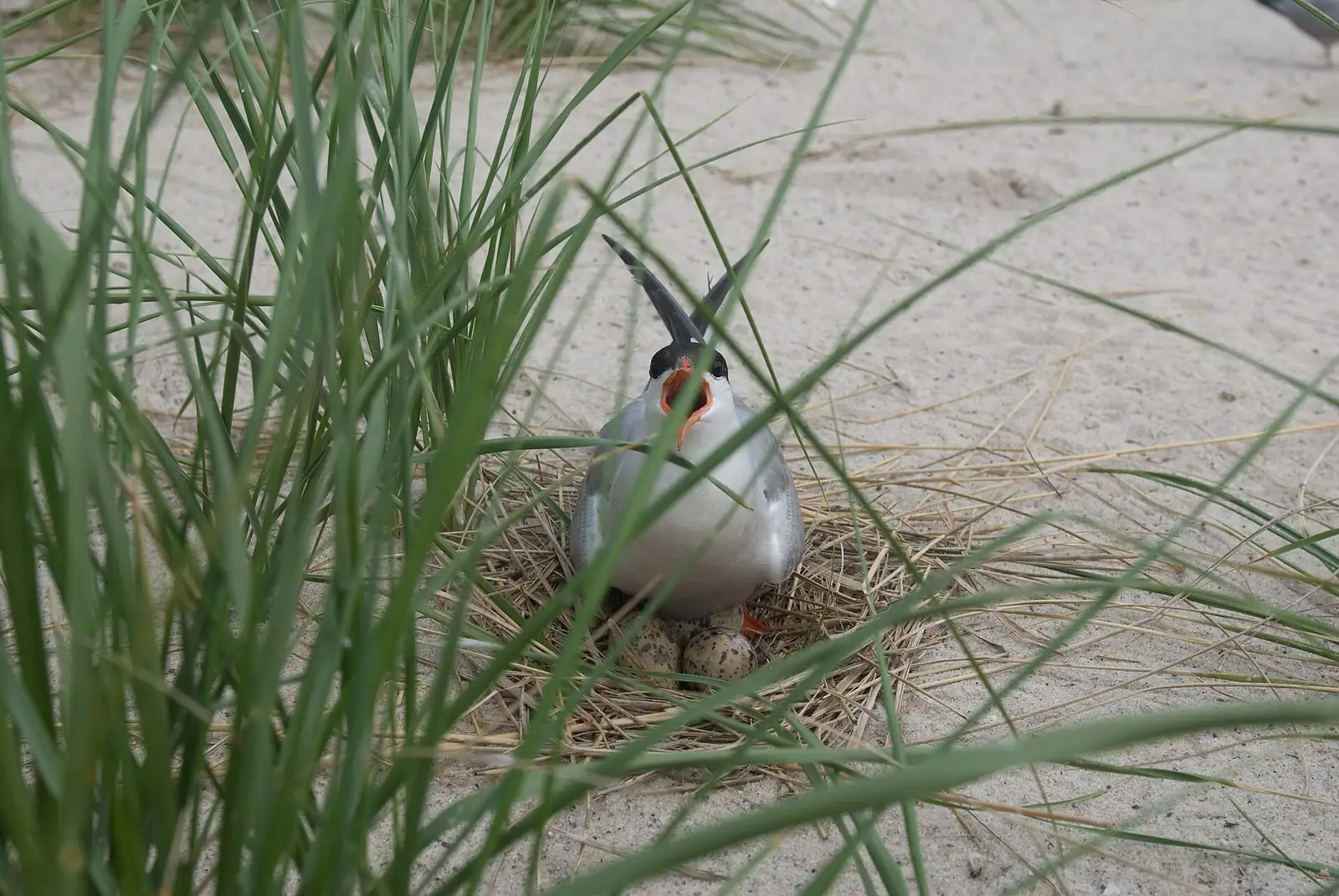
    Two wilderness barrier islands off Chatham holding thousands of grey seals and the Atlantic coast's largest common tern colony.

    1–4 hoursFree. Refuge lands carry no entrance charge; boat trips with private operators are separately priced.1.3 mi away

  • A paved pathway running between green grass under an overcast sky

    Trail

    Free

    Cape Cod Rail Trail

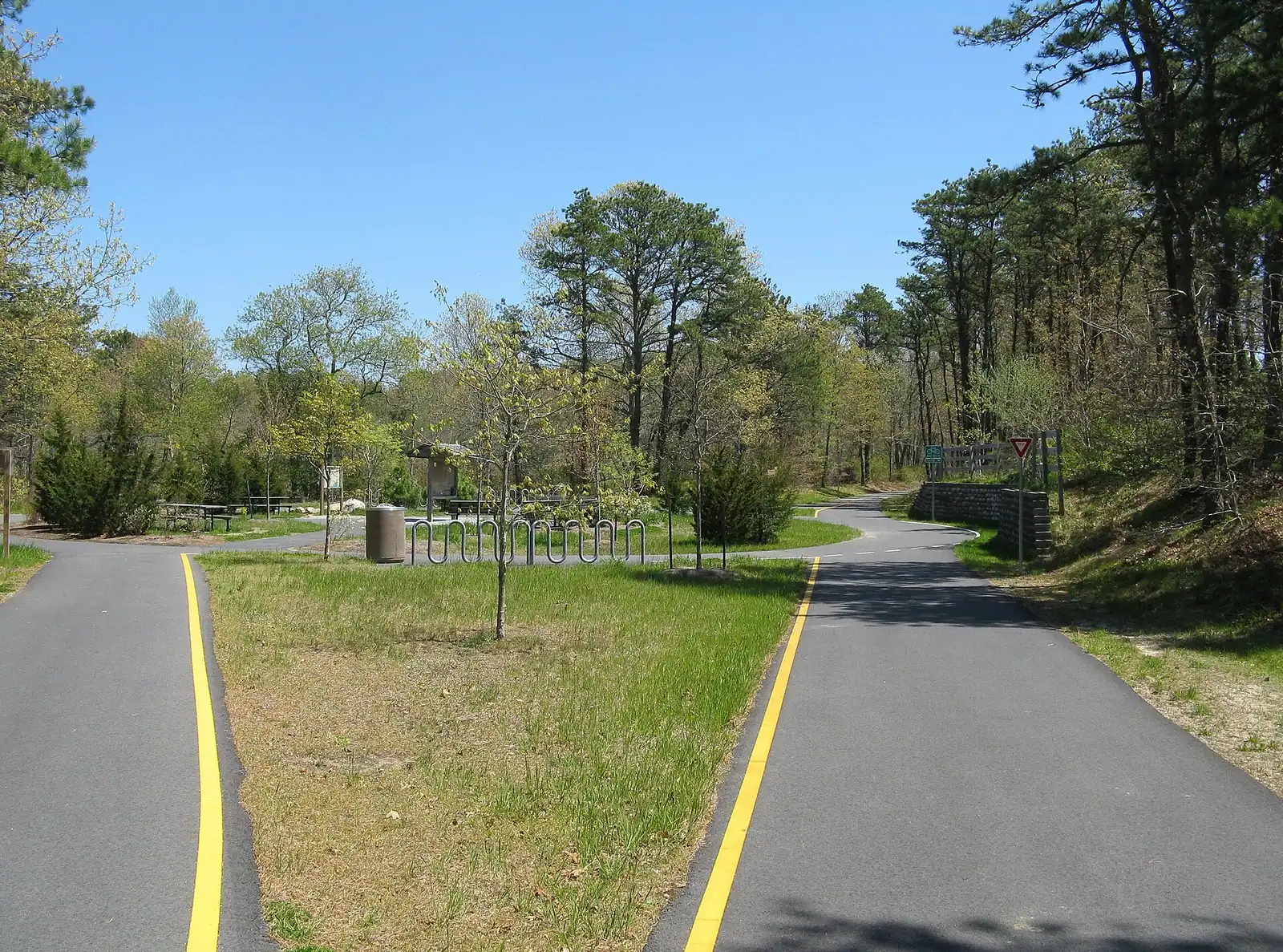
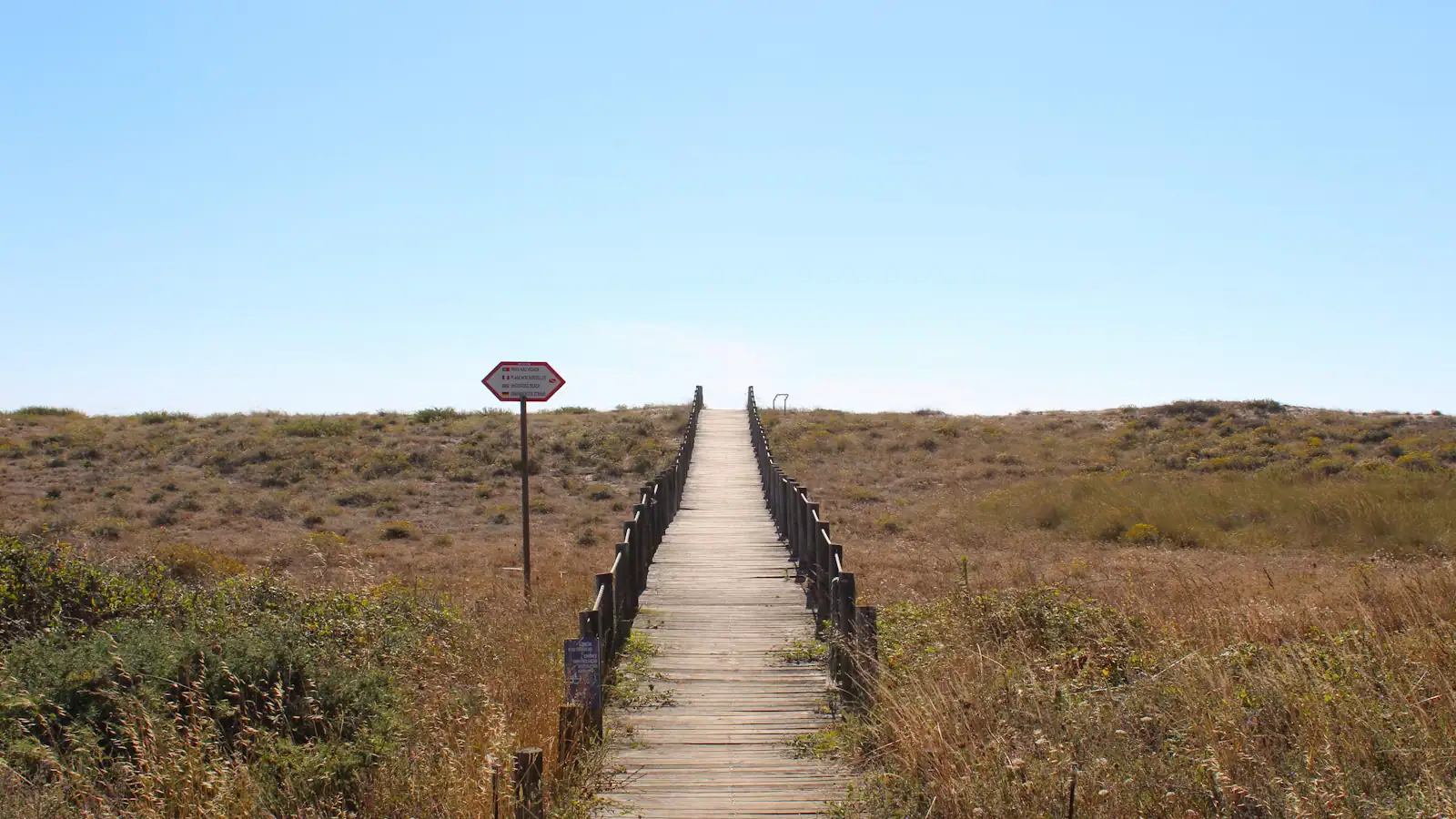
    Twenty-five and a half paved miles on an old railbed through seven towns, and the way to reach a beach in August without parking.

    1.5–6 hoursFree to use. Some trailhead car parks charge or require a town sticker.6.1 mi away

Chatham: common questions

Is Chatham worth visiting on Cape Cod?

Yes, and particularly if you want to understand how the Cape works rather than just sit on a beach. Chatham is the only town where you can stand in one place and see Nantucket Sound on one side and the open Atlantic on the other, with a barrier beach between them that has broken open three times since 1987. It also has a working fish pier, a walkable half-mile Main Street and the densest grey seal population on the eastern seaboard just offshore.

Can you swim at Chatham Lighthouse Beach?

Sometimes, and with real care. Lighthouse Beach faces the open Atlantic beside the break in the barrier, and the current running through that channel is strong enough that swimming has been restricted there at times. Seals haul out on the bars just offshore and white sharks follow them. For an ordinary swim, go to the Nantucket Sound beaches on the south side of town instead: Ridgevale, Hardings, Cockle Cove and Oyster Pond are shallow, warmer and lifeguarded in season.

Do you need a parking sticker in Chatham?

For the town beach lots in season, yes. Chatham sells non-resident parking stickers for a season or a shorter period, and the categories and prices are set by the town and revised most years, so check the current schedule rather than a figure quoted second hand. Main Street parking is free and time-limited but full from mid-morning through the afternoon in July and August. Arriving on the Old Colony Rail Trail avoids the problem entirely.

How far is Chatham from the Sagamore Bridge?

About sixty miles, which is roughly ninety minutes on Route 6 with clear roads. That figure is unreliable in summer. Friday afternoons and Saturday mornings between late June and Labor Day are when weekly rentals change over across the whole peninsula, and the same two bridges carry all of it. If you are day-tripping from off-Cape, leave early or accept that the drive will be the longest part of the day.

What is there to do in Chatham in the evening?

In season, the town band plays in Kate Gould Park on Friday evenings and draws several thousand people with lawn chairs, and the Chatham Anglers of the Cape Cod Baseball League play free games at Veterans Field through the summer with a collection hat passed round. Otherwise the lighthouse overlook at sunset, dinner on Main Street and a walk down to the fish pier cover most evenings. Book restaurant tables in July and August.