Skip to content
Search
Menu

Bookings here go through Viator, who pay us a commission. You are charged the same either way, and the commission had no say in this list.

Things to Do

Cape Cod Beaches: Three Coasts, Three Different Swims

Last updated

Cape Cod has three coasts and they swim nothing alike: cold Atlantic surf, warm bay flats and the sheltered Sound. Plus beach parking and the purple flag.

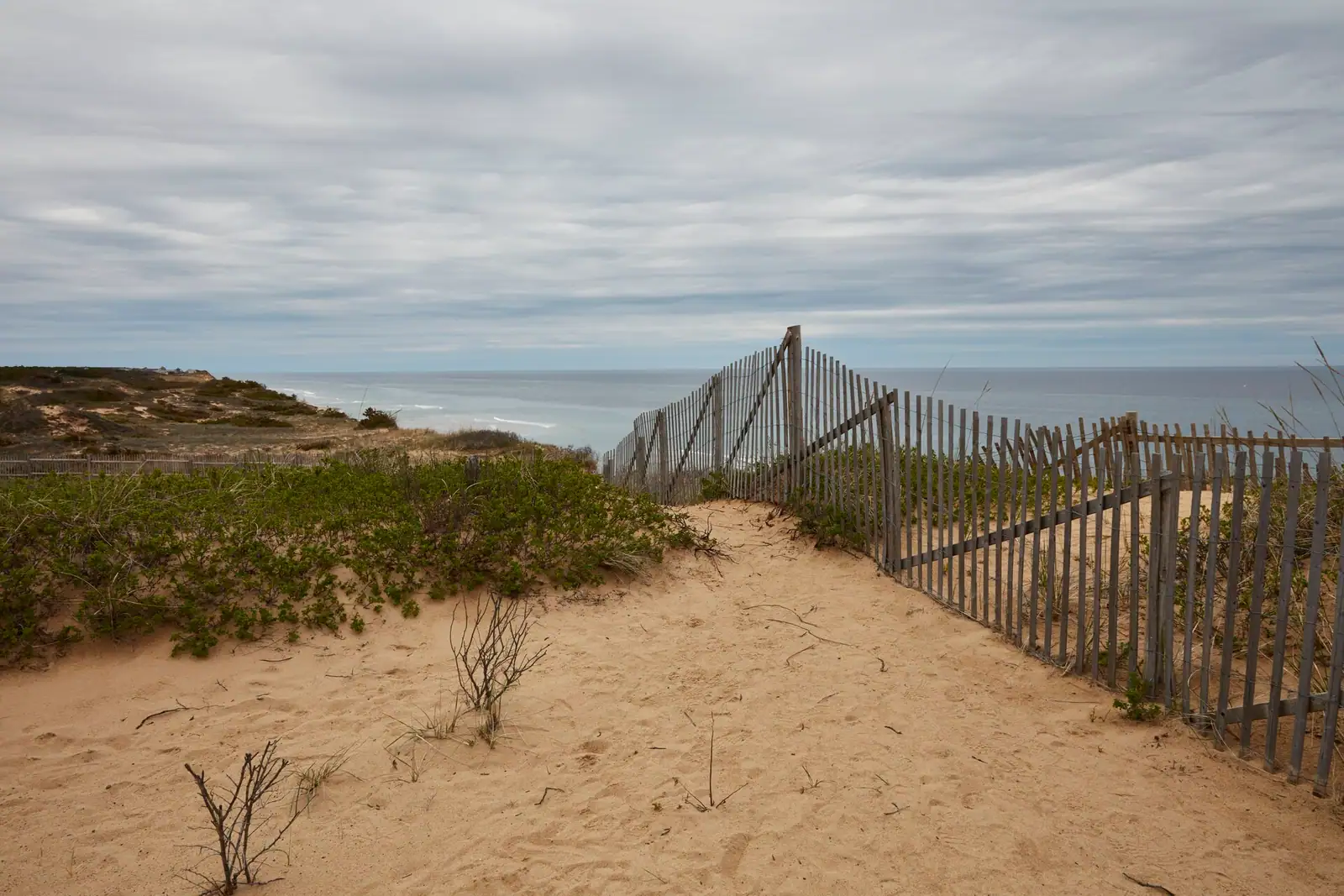
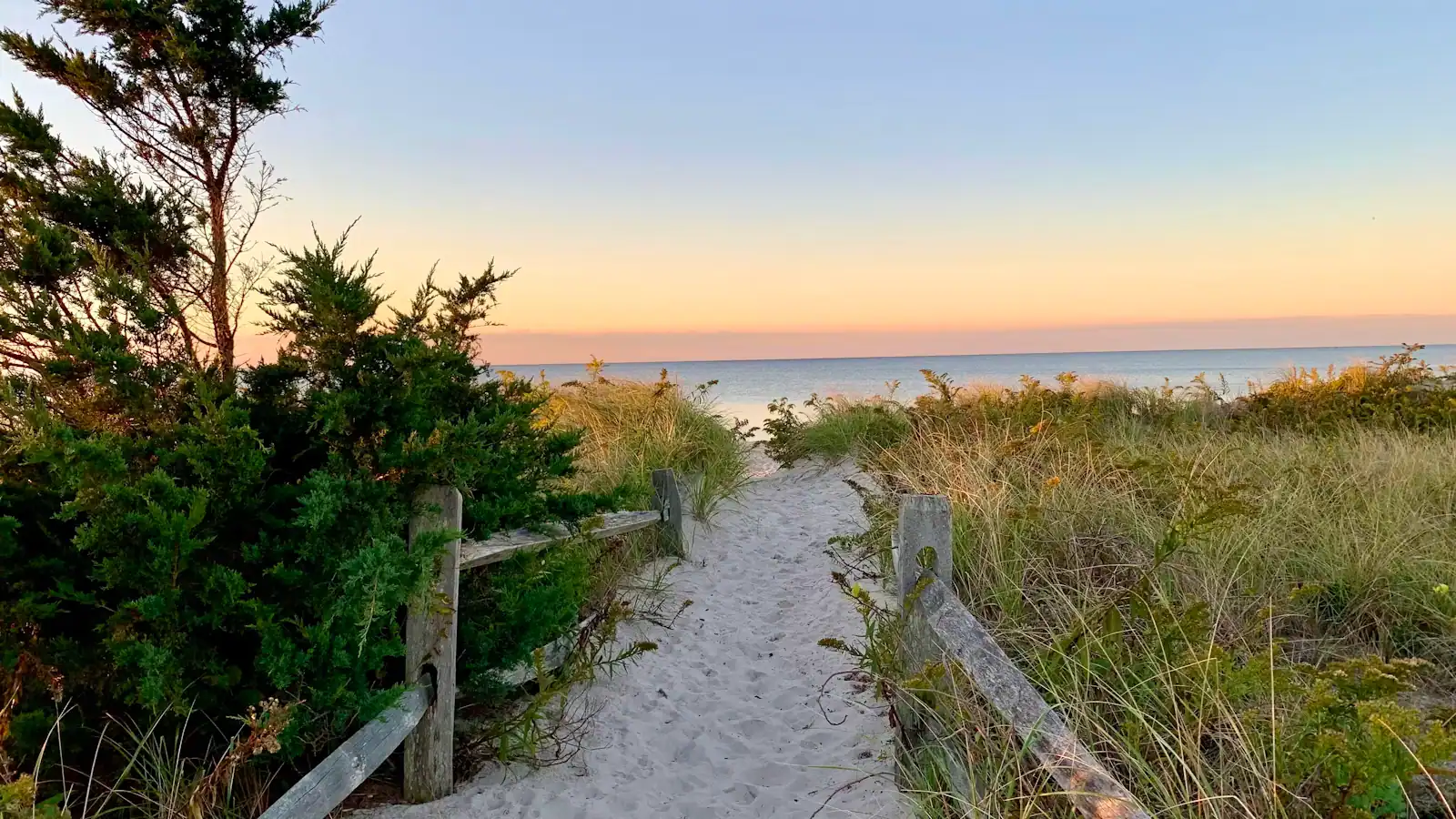
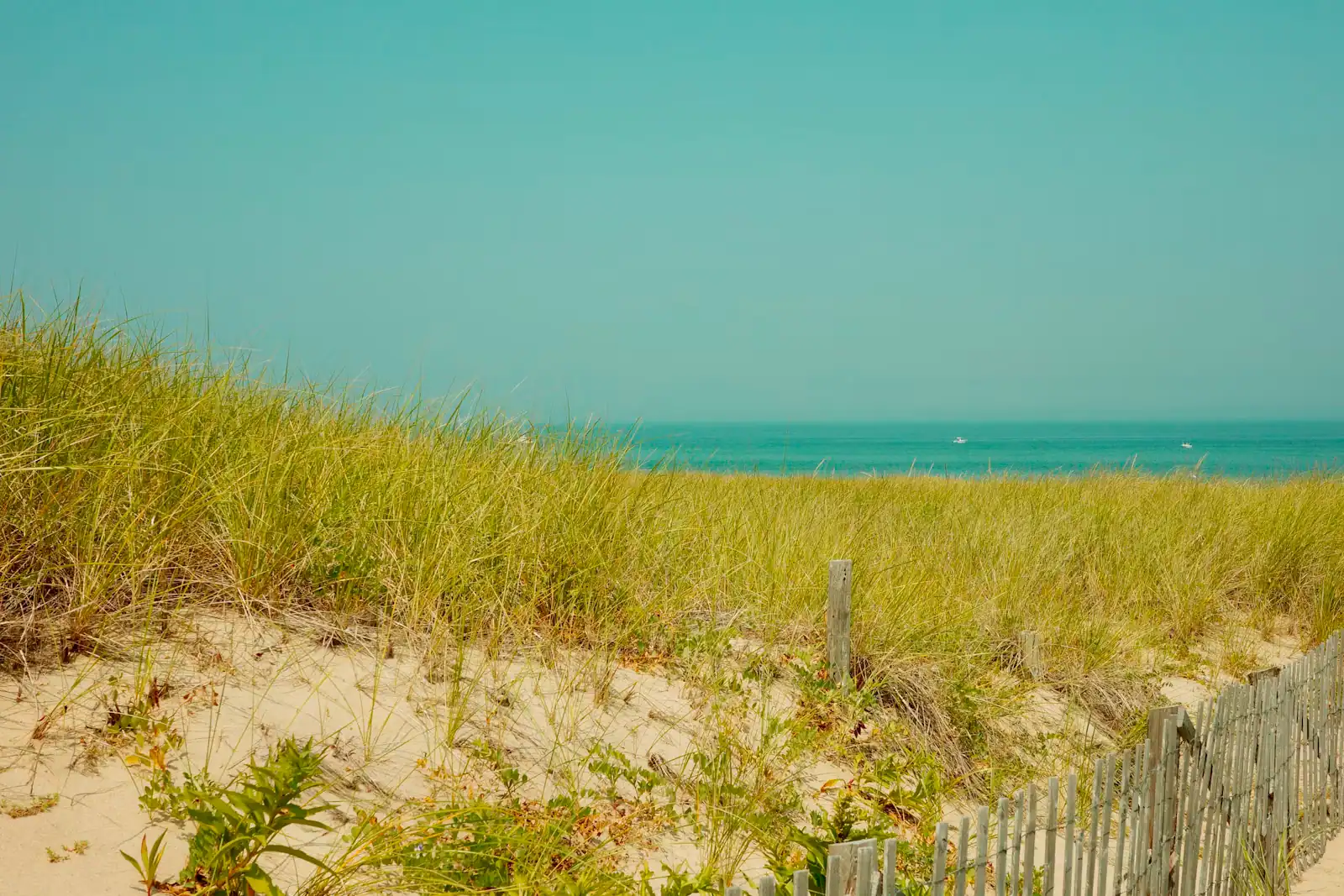
A weathered slat fence running along the edge of a grassy dune above a Cape Cod beachUnsplash

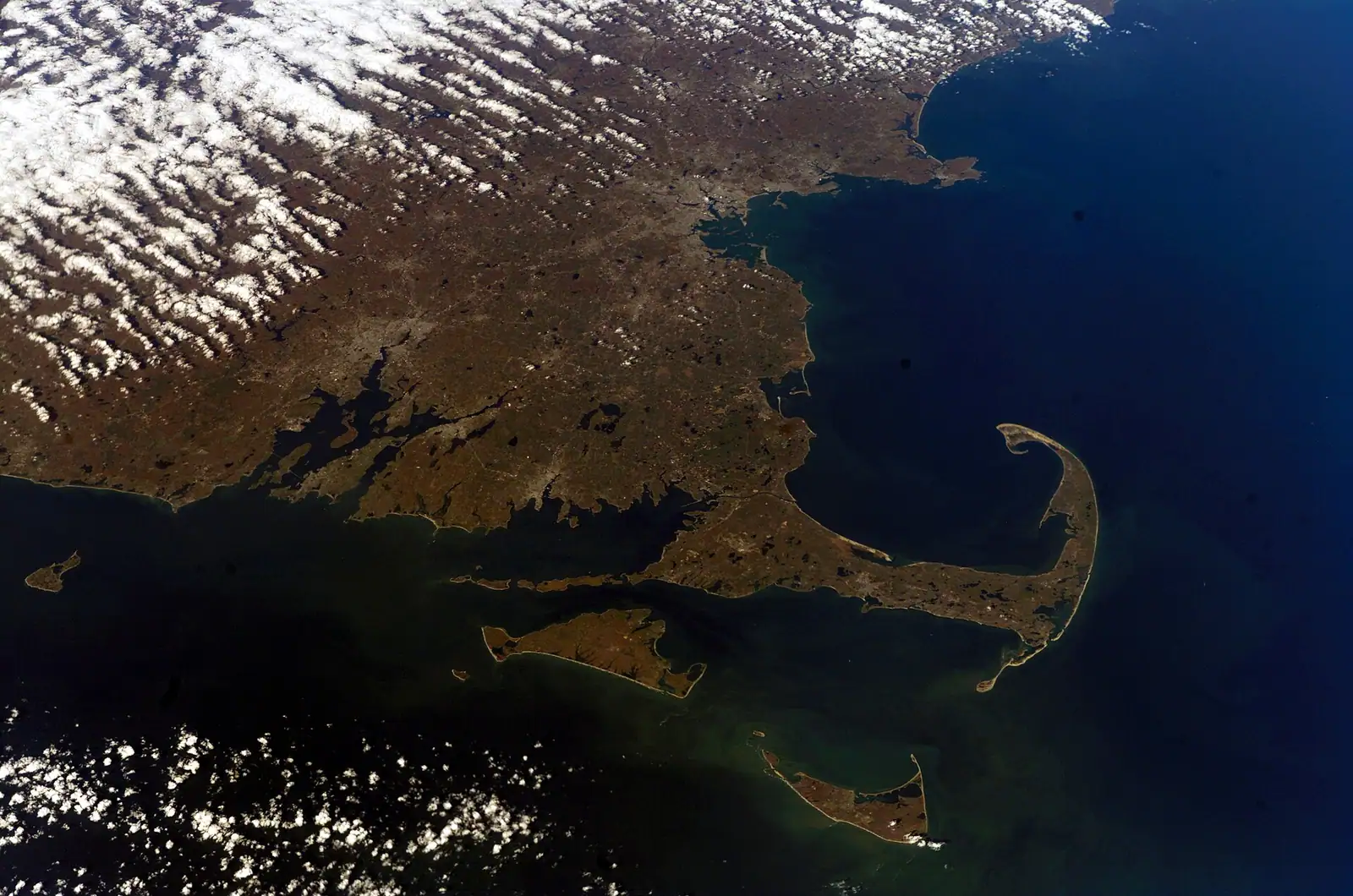
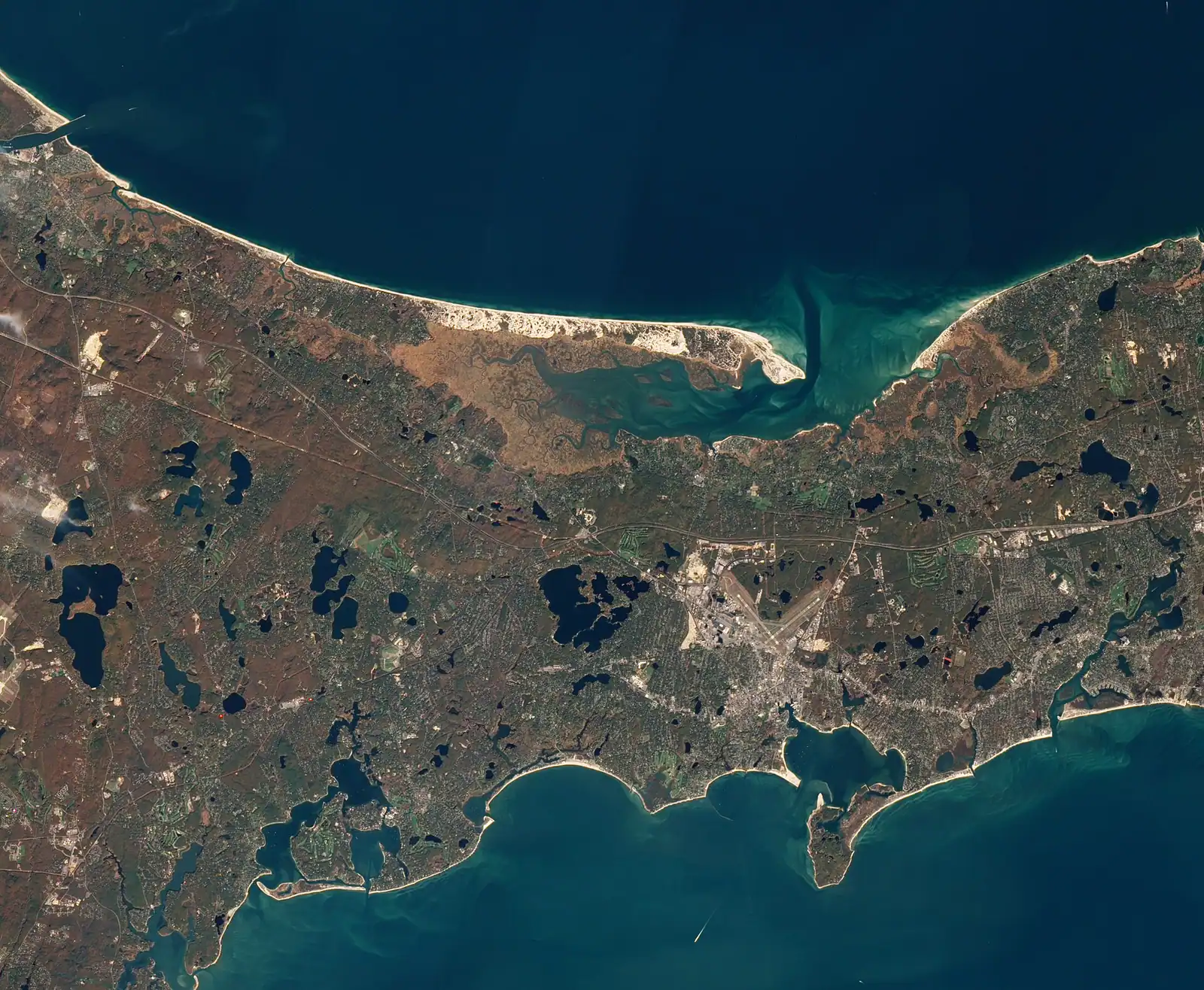
Ask somebody who has been to Cape Cod what the water is like and the answer is close to useless unless you know which side of it they were standing on. This is a 65-mile arm of glacial sand with three separate coasts, and they are not variations on a theme. They are three different swims. On the same August afternoon the water temperature can differ by fifteen degrees between them, the tidal range differs by a factor of three, and the surf runs from a genuine shore break to essentially nothing.

The Atlantic side is the outer shore, and about forty miles of it lie inside Cape Cod National Seashore, running from Chatham up through Orleans, Eastham, Wellfleet, Truro and Provincetown. This is open ocean with nothing between you and Portugal. The beach shelves away steeply, waves break on offshore bars and then again at your feet, and the water is cold. Even in the first week of August the outer beaches often sit in the low sixties, and a stiff west wind can drop that into the fifties overnight by pushing the warm surface layer offshore. It is the most dramatic coast here and the least forgiving.

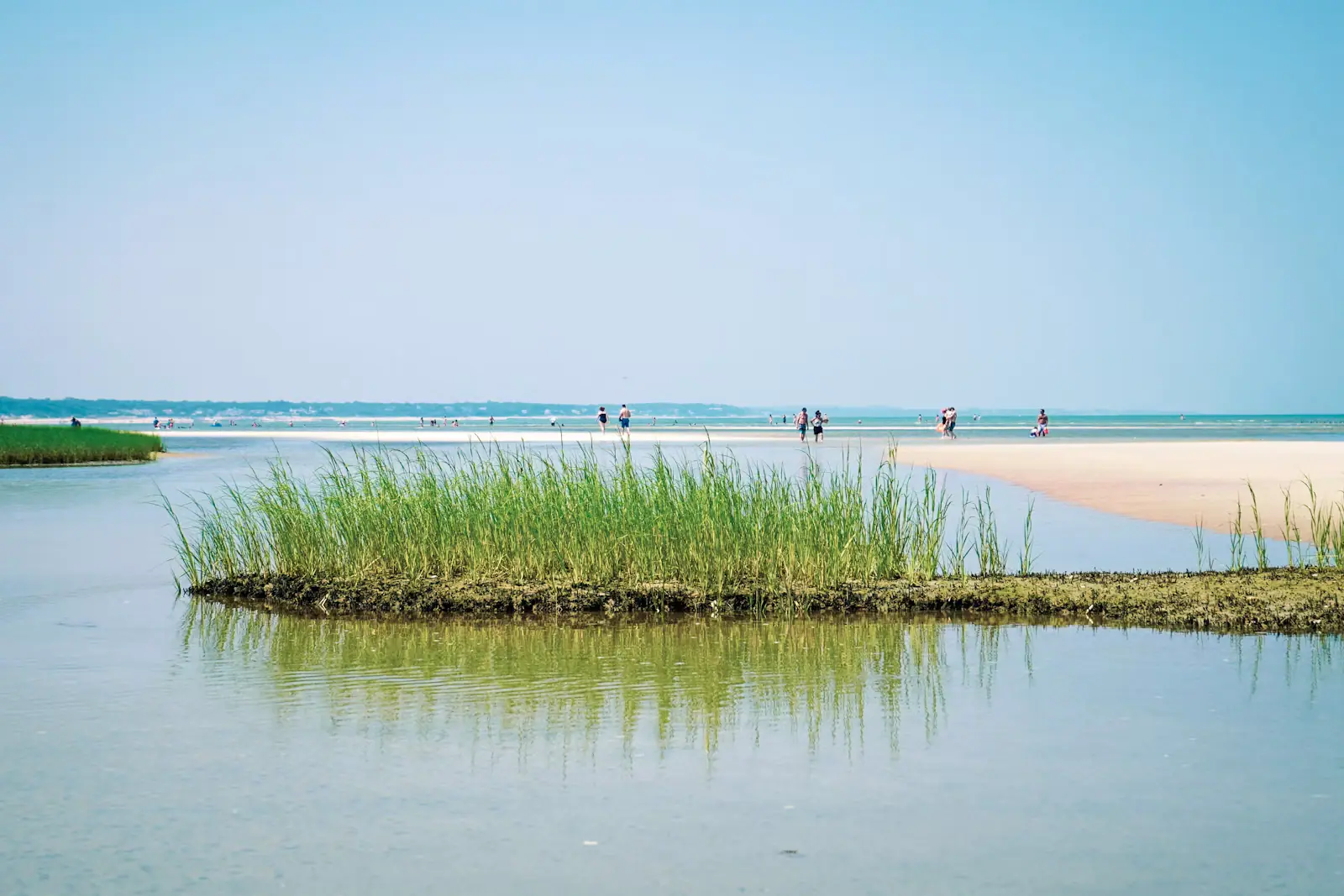
The bay side faces north and west into Cape Cod Bay, from Sandwich along Route 6A through Barnstable, Dennis and Brewster and on to Eastham and Wellfleet. The tidal range at the canal end runs to roughly nine or ten feet, which is very large for this stretch of the Atlantic, and at dead low the flats off Brewster go out something like a mile and a half. You walk on them. The returning tide then floods in across sand that has been in the sun for six hours, which is why shallow bay water in late July is warmer than anything the ocean offers. This is the coast for small children, and the only one that faces the sunset.

The Sound side runs along the south shore from Falmouth through Mashpee, Barnstable, Yarmouth and Dennis to Harwich and Chatham, sheltered by Martha's Vineyard and Nantucket sitting offshore like breakwaters. Nantucket Sound is the mild middle option: small waves, a modest tidal range, water that reaches the low seventies in August and stays swimmable well into September. Most of the Cape's rental cottages sit within ten minutes of it, and most first-time visitors end up here without ever making the decision.

Two practical things catch people out before they get wet. Parking runs on two incompatible systems: every town administers its own beach stickers and its own daily rates, so a Falmouth sticker buys you nothing in Dennis, while the National Seashore beaches sit outside all of that and charge a federal fee at the gate. And Nauset Beach and Nauset Light Beach are different beaches, in different towns, under different management. People book a cottage next to the wrong one every summer.

One more thing nobody should learn on arrival. White sharks are now a normal part of an Outer Cape summer. They followed the grey seals inshore, the seals recovered because the state bounties stopped and the Marine Mammal Protection Act passed in 1972, and the purple flag flying at the ocean beaches is a standing advisory rather than a same-day alarm. The guidance is specific, it is further down this page, and knowing it changes where you swim rather than whether you come.

The Atlantic side: what an ocean beach means here

Rows of small waves breaking over shallow offshore sandbars seen from aboveUnsplash
Rows of small waves breaking over shallow offshore sandbars seen from above

The outer beaches are the reason the National Seashore exists, and they behave like ocean rather than like a resort shoreline.

The profile is steep. You walk down a sand cliff or a dune cut, cross a narrow strip of dry sand, and the beach drops into the water at an angle that surprises people who learned to swim on a Gulf shelf. Waves break on a sandbar some way out, re-form in the trough behind it, and break again hard on the shore. That second break is what knocks children over and what dislocates the shoulders of adults who turn their backs on it.

The bars move. Every nor'easter reshapes them, and the channels that drain water back off the beach move with them, so the safe stretch you swam last September may be the pulling stretch this year. Lifeguards mark the swimming area each morning for that reason, and the marks are not decoration.

Then there is temperature. Water in the low sixties is swimmable for perhaps twenty minutes with an adult's tolerance, and it takes the wind out of you for the first thirty seconds in a way that has a name. Cold shock is the reason most people on an Outer Cape beach in July are standing in it rather than in it.

The last thing to know is that this coast is being taken away. The outer shore erodes on the order of three feet a year on average, and a single storm can remove a decade in a night. Stairs get rebuilt, car parks get shortened, and two lighthouses were physically moved inland in 1996. The beach is not a fixed object here.

The bay side, and the walk across the flats

People walking out across wet sand flats at low tide on the bay side of Cape CodUnsplash
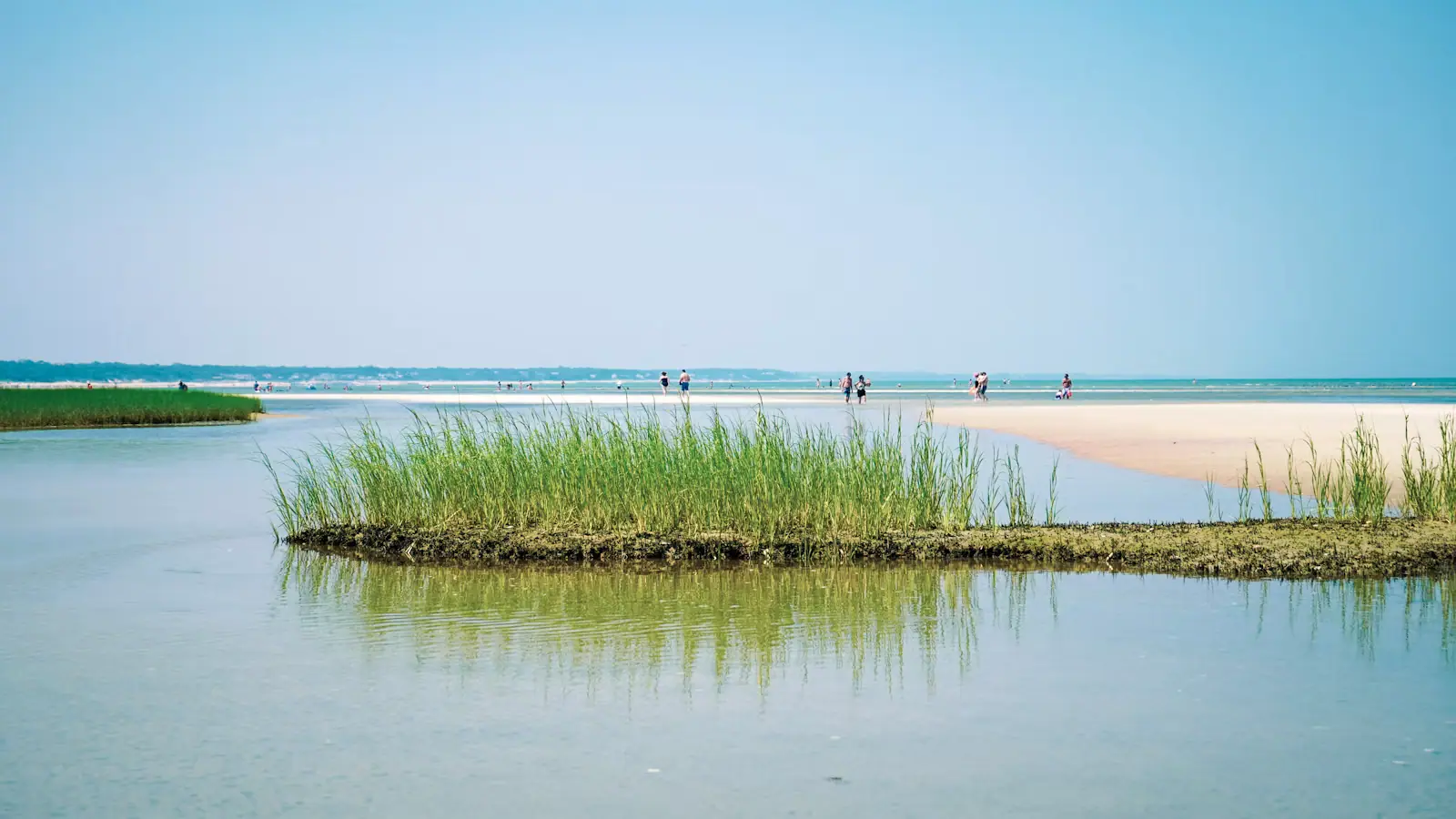
People walking out across wet sand flats at low tide on the bay side of Cape Cod

At low water the bay beaches stop being beaches and become a landscape.

The flats off Brewster are the headline. On a big low tide the water withdraws something like a mile and a half, leaving ribbed sand, warm tidal pools, moon snails ploughing furrows, hermit crabs in every puddle and people wandering about half a mile from anything. Skaket Beach in Orleans does the same on a slightly smaller scale, and First Encounter Beach in Eastham adds a piece of history: this is where a Mayflower shore party and a group of Nauset men exchanged arrows and shot in December 1620, before the ship ever reached Plymouth.

Two consequences follow. The first is warmth. Six hours of sun on exposed sand, then a flood tide running across it, gives the bay shallows the mildest swimming water on the Cape in high summer. The second is timing. If you turn up at dead low expecting to swim, you will walk for fifteen minutes to find water deep enough to sit down in. Check a tide table for the specific town and aim for the two or three hours either side of high water if swimming is the point, or dead low if walking is.

The flood tide comes in fast across flat ground and it fills the channels behind you before it reaches the sand you are standing on. People do get cut off on the bars out there. Walk out with the tide table in your head, not on your phone in a dry bag back at the towel.

The bay side is also where the Cape watches the sun go down. Sunset over water, with the whole arm of the peninsula behind you.

Nantucket Sound: the coast most visitors actually use

The south shore is the Cape's default and it is underrated by people chasing the drama of the outer beaches.

Martha's Vineyard and Nantucket sit a few miles offshore and take the ocean swell out of the Sound before it arrives. What is left is small, and on a calm morning the water is close to flat. August surface temperatures in the low seventies are normal, and the season here stretches further at both ends than on the Atlantic: the Sound is often swimmable in the second week of June, when the outer beaches are still bracing.

Falmouth's south-facing beaches, Old Silver on Buzzards Bay and Menauhant on the Sound, are the Upper Cape's workhorses. Craigville in Centerville and Kalmus in Hyannis anchor the Mid Cape, and Kalmus has a second life as the Cape's windsurfing and kitesurfing beach because the afternoon southwesterly funnels along that shore reliably enough to plan around. West Dennis Beach is a long barrier strand with a road running down the middle of it, which is either convenient or inelegant depending on your priorities. Hardings Beach in Chatham sits where the Sound turns the corner toward the elbow.

Two honest caveats. A hard onshore breeze pushes eelgrass and rockweed into the shallows on this coast, and some Sound beaches go through weeks in midsummer where the first ten feet of water are weedy. And the greenhead flies that breed in the salt marsh behind several of these beaches have a season, roughly mid-July into early August, during which the ones near marsh are genuinely unpleasant in the middle of the day.

Parking: the two systems, and why your sticker does not travel

What it costs

This is where visitors lose a morning, and it is entirely avoidable.

The town system. Each of the fifteen towns runs its own beaches and sells its own sticker, usually with a resident rate, a taxpayer rate and a much higher non-resident or weekly visitor rate. The stickers are not reciprocal. A Dennis sticker is worthless at a Brewster landing, and several towns restrict their smaller beach lots to sticker holders entirely during July and August. Where a daily rate exists it is paid at a booth or a machine at the entrance, and the busiest lots stop selling when they fill, which on a hot Saturday can be well before ten in the morning. If you are renting a house, ask the owner or agent what sticker arrangement comes with it before you arrive. Many rentals include one, and it is worth more than it sounds.

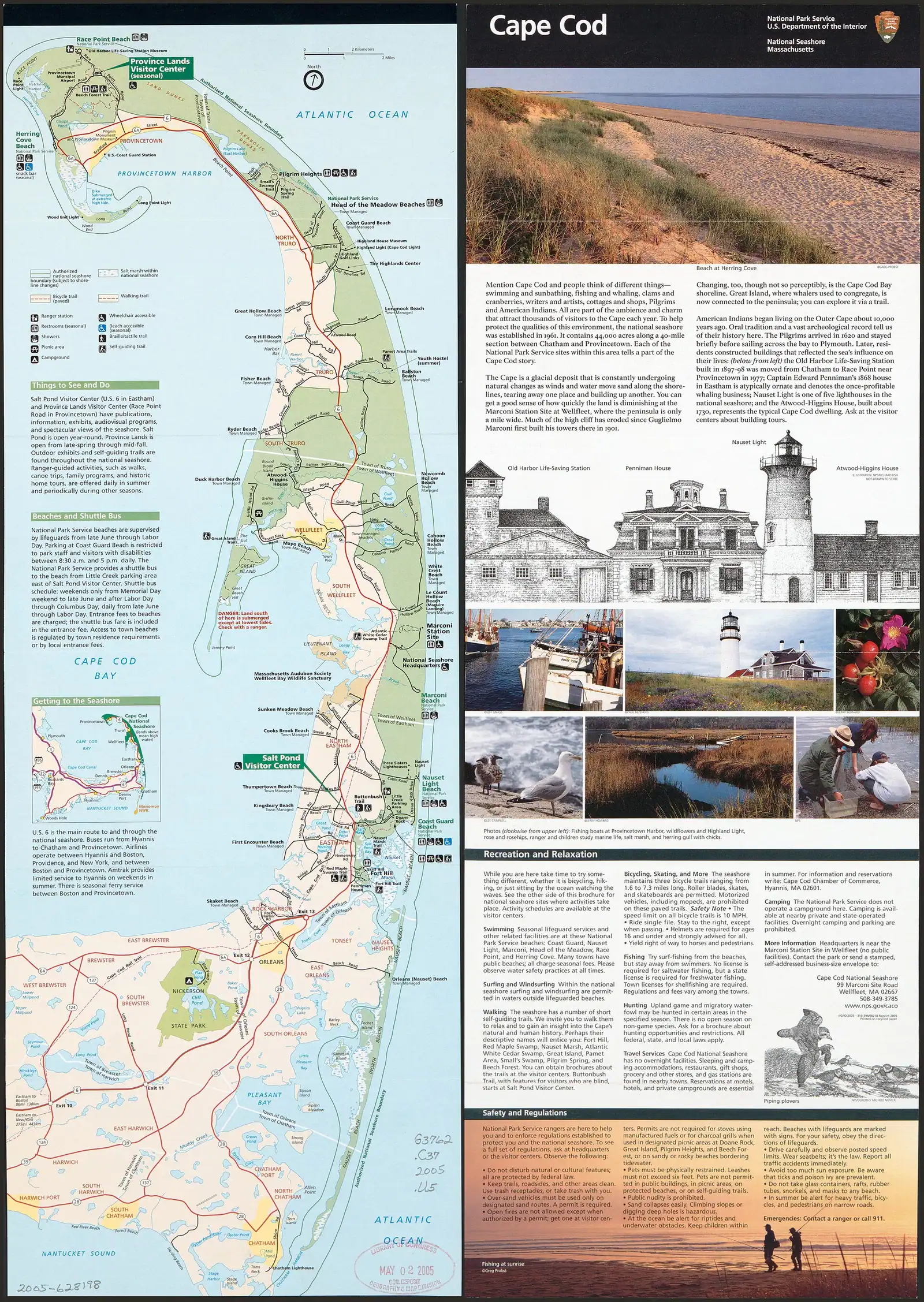
The federal system. The six ocean beaches inside Cape Cod National Seashore — Coast Guard and Nauset Light in Eastham, Marconi in Wellfleet, Head of the Meadow in Truro, and Race Point and Herring Cove in Provincetown — sit outside the town regime completely. They charge a seasonal entrance fee at the gate, collected roughly from late May to mid-September, with separate rates for a vehicle, a motorcycle and a person arriving on foot or by bicycle. A seasonal seashore pass covers all six for the year and pays for itself in a few visits, and the America the Beautiful annual pass is accepted. The booths take cards rather than cash and the passes are sold at the beach entrances, not at the visitor centres.

Rates in both systems are set annually. Treat any figure you read anywhere, including here, as needing a check before you travel.

When the beaches are actually good

When to go

The beach season here is sharply bounded and the best month is not the busiest one.

June. Long days, thin crowds, empty car parks and cold water. The Sound is swimmable by the middle of the month; the Atlantic often is not. June also carries the Cape's fog, which rolls in off cold water and can sit on the Outer Cape for a day and a half at a time.

July and August. Peak everything. Warmest water, longest queues at the gate, lots full by mid-morning at the popular beaches, and prices at their high. Greenhead flies work the marsh-backed beaches for roughly three weeks straddling late July. Book accommodation months ahead and plan beach days around early arrivals rather than around lunch.

September. The best beach month on the Cape and it is not close. Water temperature peaks in late August and early September rather than in July, the traffic falls off a cliff after Labor Day, guards are gone but conditions are often calm, and the light is better. The trade-off is that restaurants and shops start closing, especially on the Outer Cape.

October onwards. Walking, surfcasting, seal watching and storms. Many beach car parks stop charging, which makes the shoulder an unusually cheap time to be here. Bring a coat. The season closes hard around Columbus Day, and a long stretch of the Outer Cape is genuinely shut until Memorial Day.

The three coasts, side by side

How they compare

Read this before you book anything, because the coast decides the holiday.

Atlantic (outer)Cape Cod BayNantucket Sound
TownsChatham, Orleans, Eastham, Wellfleet, Truro, ProvincetownSandwich, Barnstable, Dennis, Brewster, Eastham, WellfleetFalmouth, Mashpee, Hyannis, Yarmouth, Dennis, Harwich, Chatham
August waterLow sixties, often coolerUpper sixties to low seventies in the shallowsLow seventies
SurfReal shore break, offshore bars, rip channelsAlmost noneSmall, choppy on a southwest breeze
TideModerate range, but a long shallow run-outVery large range, flats exposed for hoursModest range
ParkingFederal fee at the gate at six Seashore beachesTown stickers and town day ratesTown stickers and town day rates
SuitsStrong swimmers, walkers, surfcasters, photographersToddlers, low-tide walking, sunsetsAnyone who wants to get in without thinking about it
Catches you outCold water, purple flags, lots full by nineThe water is a long way away at low tideWeed on an onshore wind, greenhead flies in July

The three-hour rule is worth internalising. From a cottage in Falmouth, Race Point is a drive of roughly an hour and three quarters in July traffic, and the return journey after the beach closes is worse. Nobody does the whole Cape from one base. Pick the coast you actually want and stay near it.

If you only get one ocean day, make it an Outer Cape beach on a calm morning. If you have a three-year-old, the bay at low water will occupy them for longer than anything else on the peninsula.

Sharks, seals and the purple flag

Before you book

This belongs on a beach page rather than in a footnote, because it changes behaviour rather than plans.

Grey seals were hunted to near-nothing in New England under state bounties that ran in Massachusetts until 1962. The Marine Mammal Protection Act of 1972 stopped the killing, and a survey of the entire Maine coast the following year found roughly thirty animals. They have since rebuilt into the tens of thousands across southeastern Massachusetts. White sharks followed the food, and by the late 2000s they were hunting seals within sight of Outer Cape swimming beaches.

What the purple flag means. On the Outer Cape a purple flag carrying a white shark silhouette is a standing advisory: it says this is white shark habitat, and it flies whether or not anything has been seen that day. It is not a sighting alarm. The immediate signal is a lifeguard clearing the water, which happens after a confirmed sighting close to shore and typically keeps swimming closed for a set period afterwards.

What to actually do. Stay in water shallow enough to stand in, close to shore, and near a lifeguarded stretch. Do not swim near seals, and do not swim where seals are hauled out on a bar. Avoid dawn, dusk and murky water. Swim with other people rather than alone. Sharktivity, the Atlantic White Shark Conservancy's app, publishes sightings verified by the New England Aquarium, and its own disclaimer is the honest summary: the only way to completely rule out an encounter is to stay out of the water.

The plain numbers: three documented bites have occurred in Truro and Wellfleet waters since 2012, one of them fatal in 2018. That is a small number against millions of beach visits, and it is not zero. Both halves of that sentence are true.

Lifeguards, cold water and the short guarded window

Before you book

The guarded season on Cape Cod is shorter than visitors from warmer coasts expect, and it is the single biggest safety variable here.

Guards go on at the Seashore beaches and at most staffed town beaches around the end of June, and come off at or shortly after Labor Day. Outside that window the beaches are open and unguarded, including in the last two weeks of June, when the weather is often superb, and through September, when the water is at its warmest all year. An unguarded outer beach in late September with a groundswell running is a serious piece of water.

Cold matters more than it does further south. Sixty-two degrees is not dangerous to stand in and is genuinely hard to swim distance in. The first thirty seconds provoke an involuntary gasp and a jump in heart rate, which is a bad combination if your head goes under at that moment. Get in gradually, get your breathing under control before you commit, and keep a much shorter swim in mind than you would in the Gulf or the Carolinas.

If a current does take you, the outer bars and channels here run in and out rather than along, so the working move is to stop fighting it, go sideways along the beach until the pull releases, then come in at an angle. Anyone who has swum a Cape Cod rip will tell you it is far easier to do that near a guard than to explain it to yourself alone at a car park beach at seven in the evening.

On the ground

Where to go

Every place below has its own page — hours, parking, what it costs and what to expect when you get there.

  • A sand path cut through beach grass opening onto the open Atlantic on Cape Cod's outer shore

    Park

    Cape Cod National Seashore

    Forty miles of protected Atlantic shore, six guarded ocean beaches, and one $25 vehicle fee that covers every one of them for the same day.

    3–8 hours$25 per private vehicle per day, valid at all six park beaches. $60 annual park pass.

  • A sandy footpath lined with beach grass dropping down toward the shore on Cape Cod

    Beach

    Coast Guard Beach

    A barrier spit with salt marsh behind it, the best bodysurfing on the Outer Cape, and a summer parking rule that catches people out.

    2–5 hoursNational Seashore fee: $25 per vehicle per day, or $15 per person arriving on foot or by bicycle.

  • Whales surfacing together in open grey water off the Massachusetts coast

    Beach

    Race Point Beach

    The beach at the outside of the fist, facing north into deep water — the one place on the Cape where whales are visible from a towel.

    2–6 hoursNational Seashore fee: $25 per vehicle per day, or $15 per person on foot or by bicycle.

  • Small boats moored on calm water in a sheltered harbour at Chatham, Massachusetts

    Neighbourhood

    Free

    Chatham

    The town at the Cape's elbow, where a barrier beach has broken open three times since 1987 and rebuilt the shoreline each time.

    3–8 hoursFree to visit. Town beach lots require a Chatham parking sticker in season.

  • Sunset over flat water with two low island profiles on the horizon

    Beach

    Herring Cove Beach

    The only park beach on the bay side: warmer water, no shore break, no staircase, and a sunset that draws a crowd with folding chairs.

    2–5 hoursNational Seashore fee: $25 per vehicle per day, or $15 per person on foot or by bicycle.

  • A weathered slat fence running along the edge of a grassy dune above a Cape Cod beach

    Beach

    Marconi Beach

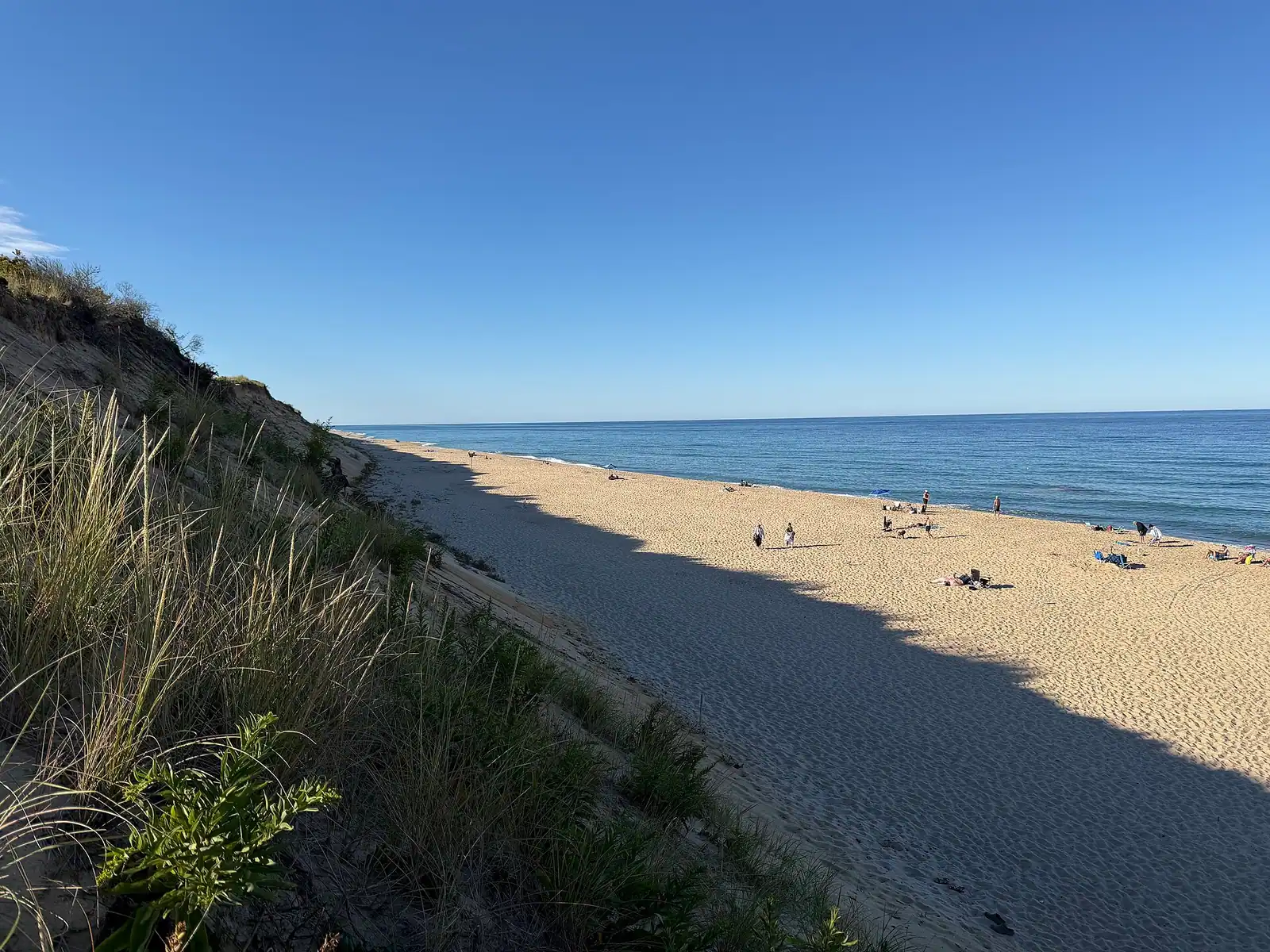
    A high sand scarp, a long staircase, and the bluff the first transatlantic wireless message left the United States from in January 1903.

    2.5–5.5 hoursNational Seashore fee: $25 per vehicle per day. The Marconi Station overlook is free.

  • The red and white tower of Nauset Light standing above low trees in Eastham, Massachusetts

    Beach

    Nauset Light Beach

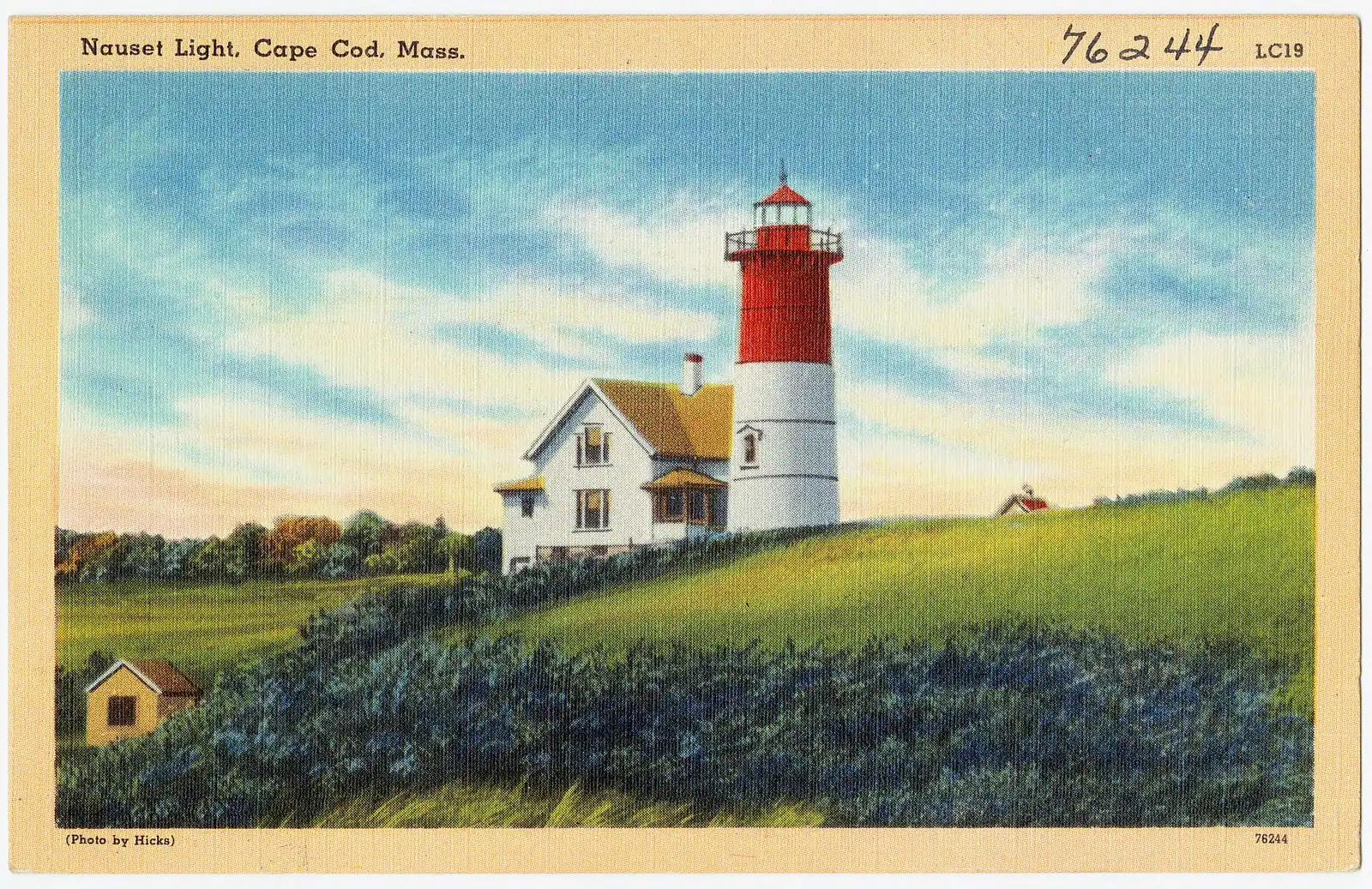
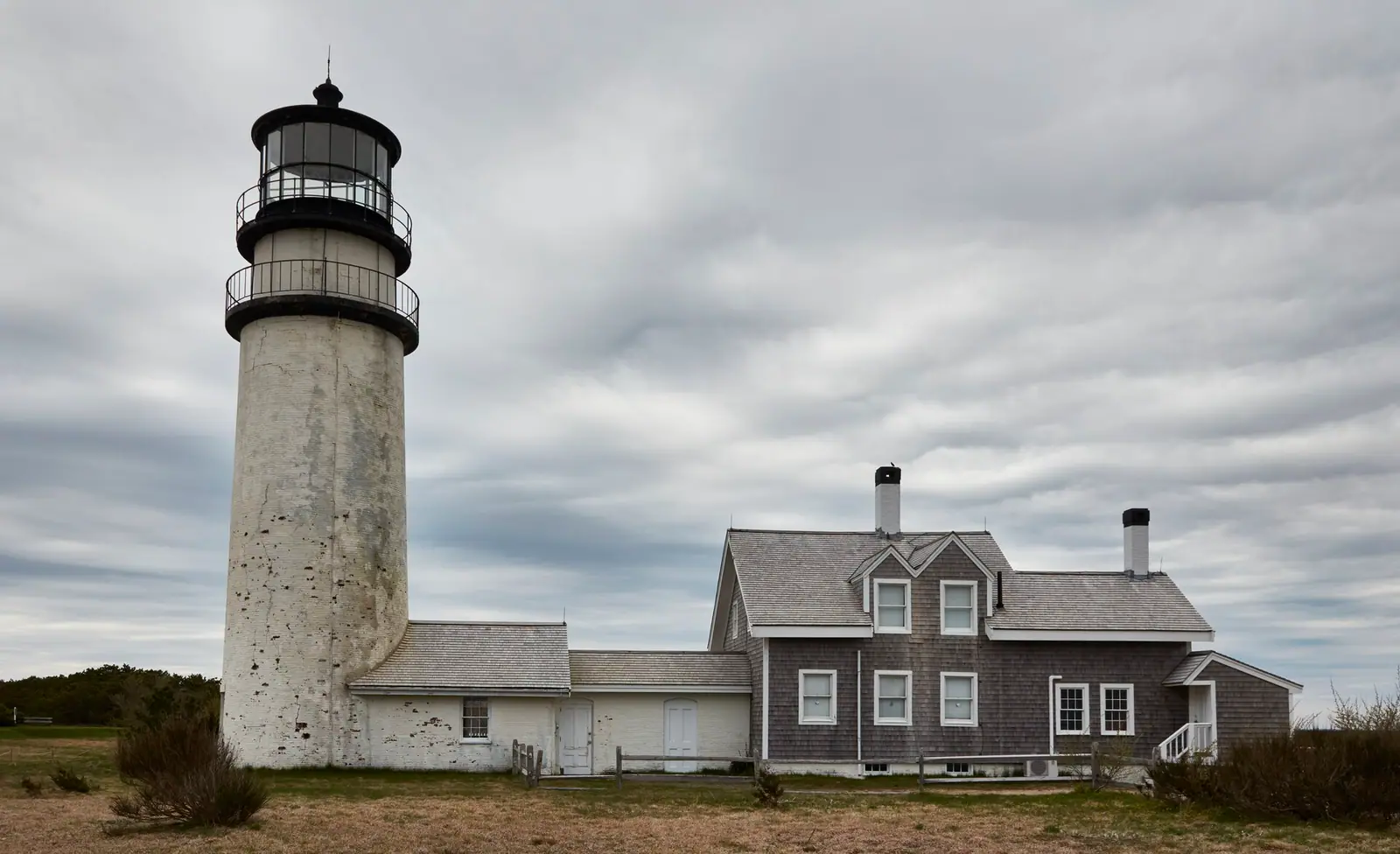
    Ocean beach at the foot of a sand cliff, with the Cape's most photographed lighthouse above the stairs and a lot that fills before ten.

    2–5 hoursNational Seashore fee: $25 per vehicle per day, or $15 per person on foot or by bicycle.

  • People walking out across wet sand flats at low tide on the bay side of Cape Cod

    Beach

    Free

    First Encounter Beach

    Bay-side Eastham, where the tide goes out for most of a mile and the name marks a skirmish fought on this sand in December 1620.

    1.5–4 hoursFree to enter. Town parking is charged in season by daily rate or Eastham beach sticker.

  • Low sun over a thin sheet of water lying on an exposed sand flat at low tide

    Beach

    Free

    Skaket Beach

    Warm, shallow bay water over a flat that empties for most of a mile — and a car park small enough that it shuts by mid-morning in July.

    2–5 hoursFree to enter. Town parking is charged in season by daily rate or Orleans beach sticker.

  • A sand path cut through beach grass opening onto the open Atlantic on Cape Cod's outer shore

    Neighbourhood

    Free

    Wellfleet

    Around seventy per cent of this Outer Cape town is protected land, which is why the ocean beaches feel like nobody told anyone about them.

    3–8 hoursFree to visit. Town beaches need a Wellfleet sticker in season; Marconi Beach takes the federal fee.

  • People walking out across wet sand flats at low tide on the bay side of Cape Cod

    Neighbourhood

    Free

    Brewster

    The bay town where low tide opens a walking surface that was open sea an hour earlier, and fills again faster than people expect.

    3–8 hoursFree to visit. Town beach lots need a Brewster sticker in season; Nickerson charges day-use parking.

  • A paved pathway running between green grass under an overcast sky

    Neighbourhood

    Free

    Falmouth

    The Cape's second-largest town, reached over the Bourne Bridge without ever joining the Route 6 queue.

    3–8 hoursFree to visit. Town beach lots require a Falmouth sticker or daily fee in season.

  • A long empty beach of pale sand backed by low dune vegetation with no buildings in sight

    Beach

    Head of the Meadow Beach

    The least crowded of the six park beaches, with a Truro town lot next door on a different payment system and an 1872 wreck in the sand.

    2–5 hoursNational Seashore lot: $25 per vehicle per day. The adjacent Truro town lot charges separately.

  • Salt marsh grass and a winding tidal channel under a wide overcast sky on Cape Cod

    Beach

    Free

    Sandy Neck Beach

    A six-mile barrier spit with warm bay water on one side, a great salt marsh on the other, and a fly season in July that locals plan around.

    2–6 hoursFree to enter. Town of Barnstable parking: daily rate at the gatehouse or a season sticker.

  • A sandy footpath lined with beach grass dropping down toward the shore on Cape Cod

    Neighbourhood

    Free

    Truro

    Two and a half thousand residents, no commercial centre, and the narrowest, emptiest stretch of the whole peninsula.

    2–7 hoursFree to visit. Town beaches need a Truro sticker in season; Head of the Meadow takes the federal fee.

Straight answers

Questions people actually ask

Which side of Cape Cod has the best beaches?

It depends entirely on what you want from the water. The Atlantic side inside the National Seashore has the most dramatic beaches on the peninsula, with real surf, high dunes and cold water in the low sixties. Cape Cod Bay has the warmest shallow water and enormous tidal flats that small children love. Nantucket Sound, sheltered behind the islands, is the mildest and easiest swimming and the one most visitors actually use.

How cold is the water at Cape Cod beaches?

Colder than most visitors expect, and it varies by coast. Outer Cape ocean beaches often sit in the low sixties even in early August and can drop into the fifties after a west wind pushes the warm surface layer offshore. Cape Cod Bay's shallows warm into the upper sixties or low seventies over the sun-heated flats. Nantucket Sound reaches the low seventies in August and stays swimmable well into September.

Do you need a sticker to park at Cape Cod beaches?

At town beaches, usually yes in summer. Each of the fifteen towns sells its own beach sticker and they are not interchangeable, so a Falmouth sticker does nothing in Dennis. Some town lots are sticker-only in July and August; others sell a daily rate at the gate until they fill. The six National Seashore ocean beaches are separate and charge a federal entrance fee instead. Ask what your rental includes.

How much does it cost to park at Cape Cod National Seashore beaches?

The Seashore charges a seasonal entrance fee at six ocean beaches, with different rates for a private vehicle, a motorcycle and a person arriving on foot or by bicycle, plus a seasonal seashore pass that covers all six for the year. Fees are collected roughly late May to mid-September, the booths take cards rather than cash, and passes are sold at the beach entrances. Check the current amounts before you travel.

Are there sharks at Cape Cod beaches?

Yes. White sharks hunt grey seals along the Outer Cape and are a normal part of the summer there. Ocean beaches fly a purple flag with a shark silhouette as a standing advisory rather than a same-day alarm, and lifeguards clear the water after a confirmed close sighting. Swim shallow, close to shore, near guards, away from seals, and not at dawn or dusk. Three documented bites have occurred in Truro and Wellfleet waters since 2012, one fatal in 2018.

What is the difference between Nauset Beach and Nauset Light Beach?

They are different beaches in different towns. Nauset Beach is a town beach in Orleans, reached from the end of Beach Road, with its own town parking and a long barrier shoreline running south. Nauset Light Beach is in Eastham, inside Cape Cod National Seashore, under the red and white lighthouse, and charges the federal entrance fee. Both face the Atlantic, both are excellent, and people book accommodation next to the wrong one every year.

Which Cape Cod beach is best for young children?

The bay side, without much argument. Skaket Beach in Orleans and the Brewster landings expose vast warm flats at low tide, with tidal pools, hermit crabs and no surf at all, and children will happily spend three hours out there. First Encounter Beach in Eastham does the same and adds a sunset. If you want depth to swim in rather than sand to explore, aim for the two or three hours either side of high water.

When are lifeguards on duty at Cape Cod beaches?

Roughly from late June to Labor Day at the National Seashore's ocean beaches and at most staffed town beaches. That leaves two gaps worth planning for: late June, when the weather is often excellent and the beaches are unguarded, and September, which has the warmest water of the year and no guards after the first weekend. An unguarded Atlantic beach with a groundswell running is a serious piece of water.

What are greenhead flies on Cape Cod?

Biting flies that breed in salt marsh and emerge for roughly three weeks straddling late July into early August. They affect beaches with marsh directly behind them, particularly along the Sound and parts of the bay, and they bite hard in the middle of a hot, still day. Wind and water keep them off, so an exposed beach or a breezy afternoon is the practical answer. Box traps on the marsh are the black wooden cubes you will see on stilts.

Are Cape Cod beaches good in September?

September is arguably the best beach month on the peninsula. Water temperature peaks in late August and early September rather than midsummer, traffic drops sharply after Labor Day, parking is easy and the light is better for photographs. The trade-offs are that lifeguards come off, restaurants and shops begin closing for the season, particularly on the Outer Cape, and the first autumn swells can arrive without warning.

Can you walk out on the tidal flats at Cape Cod Bay?

Yes, and it is one of the best free things to do here. On a big low tide the flats off Brewster withdraw something like a mile and a half, leaving warm pools, moon snails and ribbed sand you can wander for an hour. Skaket Beach in Orleans and First Encounter in Eastham are similar. Take a tide table with you, because the flood runs in quickly across flat ground and fills the channels behind you first.

Do Cape Cod beaches have rip currents?

The Atlantic beaches do. Waves break on offshore bars, the water piles up in the trough behind them and drains back out through channels in the bar, and those channels move with every nor'easter, so the pattern changes between visits. If one takes you, stop swimming toward the beach, move sideways along the shore until the pull releases, then come in at an angle. The bay and Sound shores have far less of this.