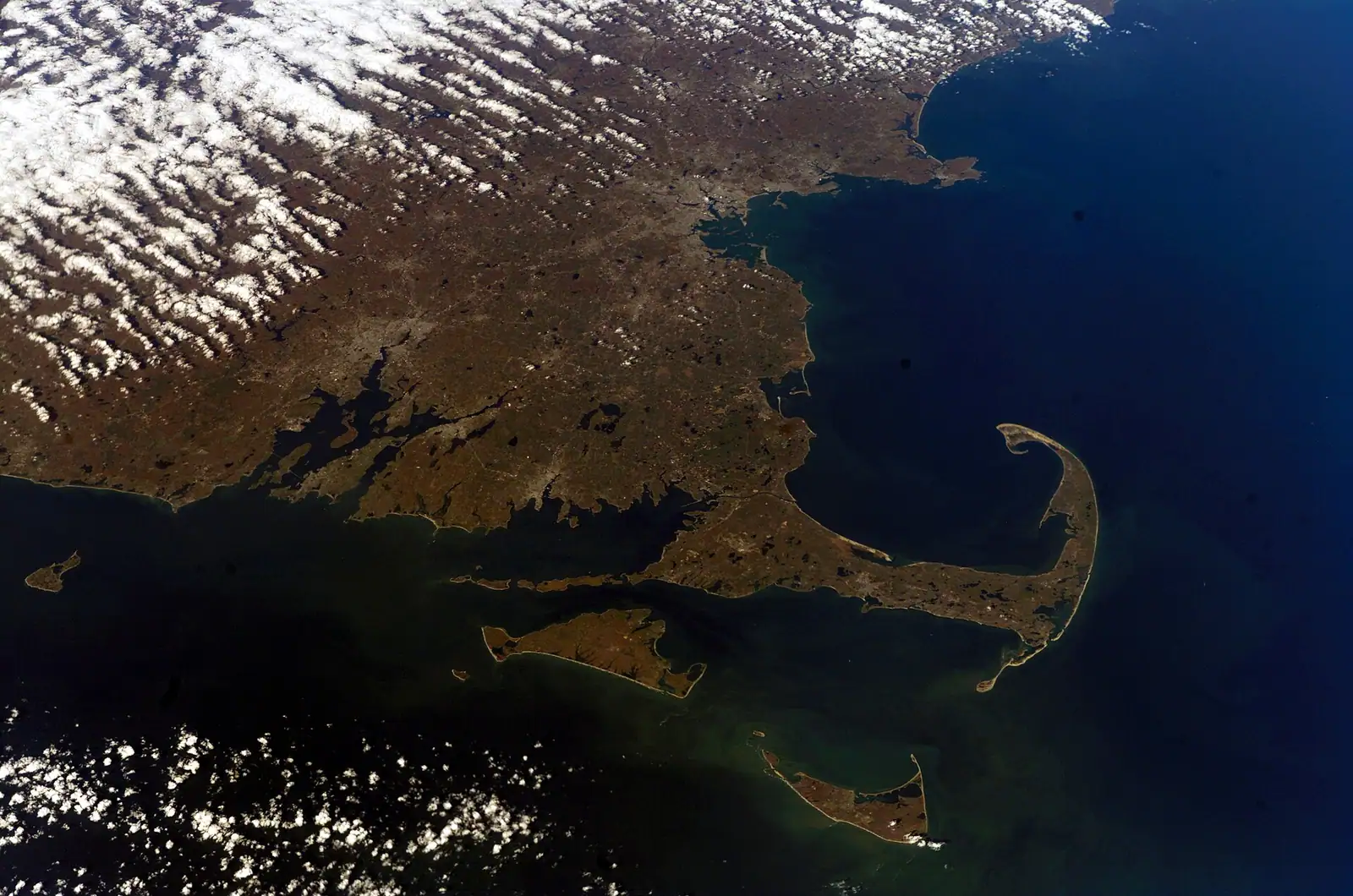
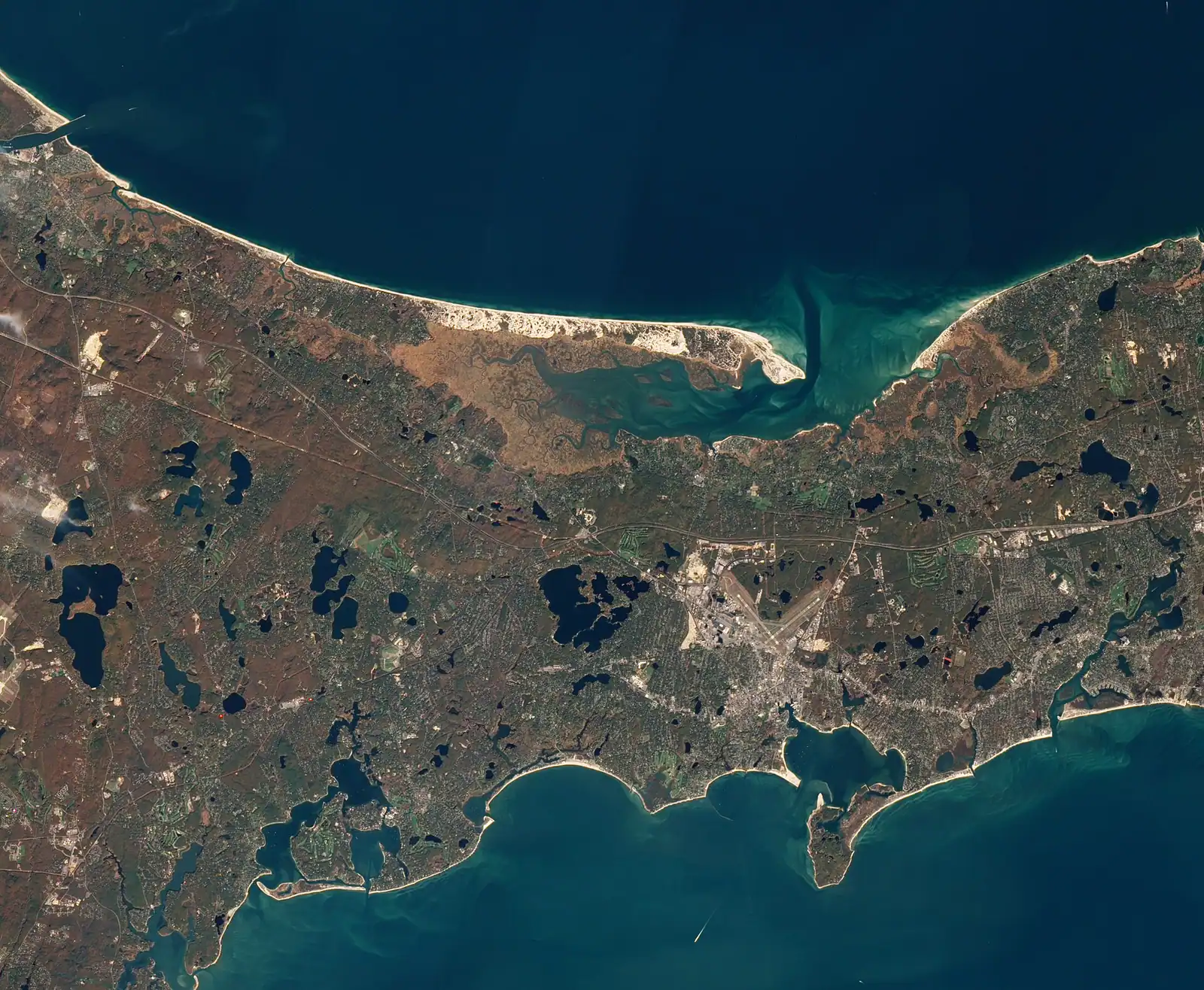
Cape Cod does not really do attractions in the ticketed sense. There is no aquarium the size of a shopping centre, no theme park, no observation wheel. What it has instead is a short list of places that mean something, most of them outdoors, several of them free, and almost all of them explained by the same fact: this peninsula is made of loose glacial sand and the Atlantic is steadily taking it back.
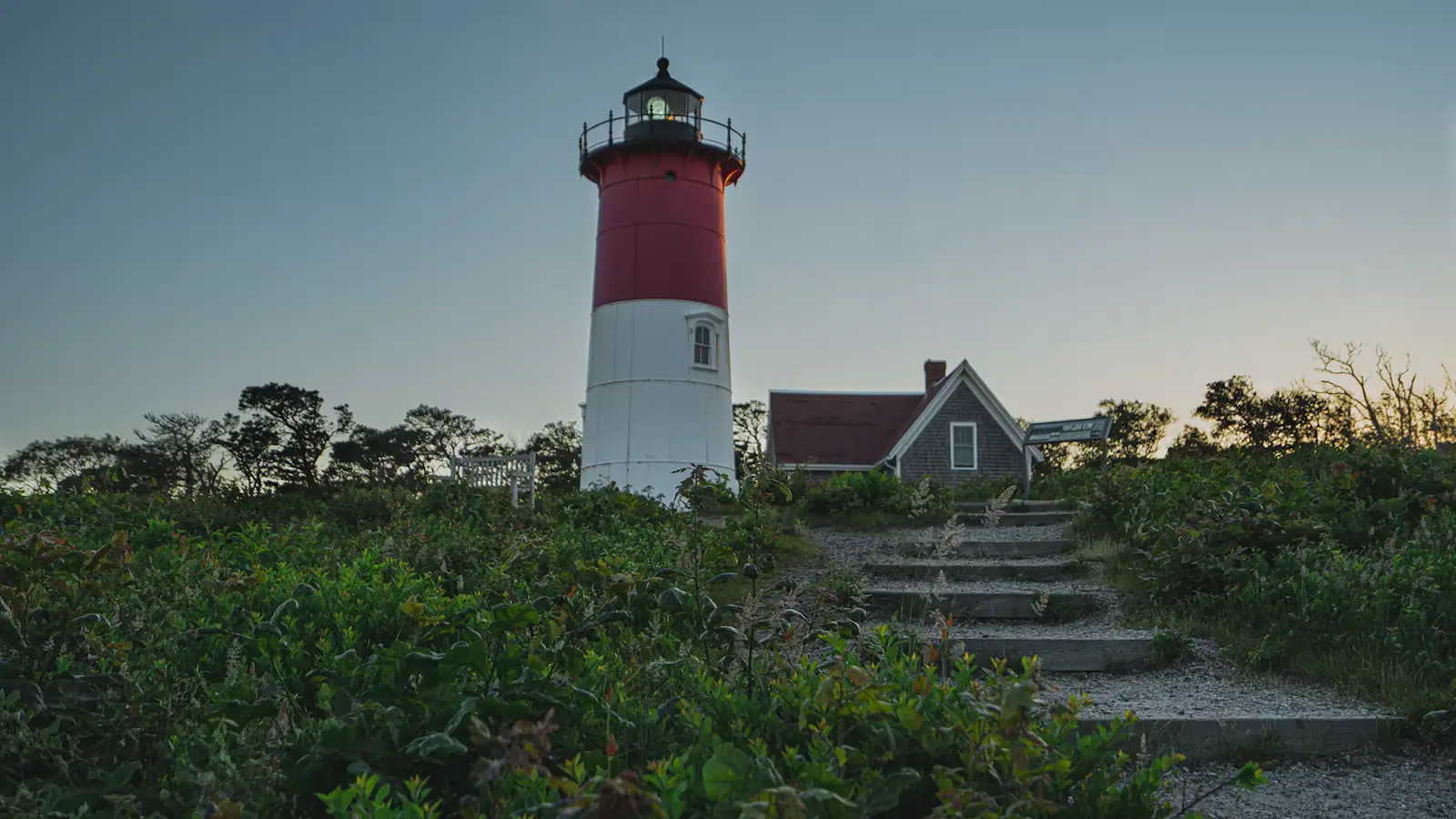
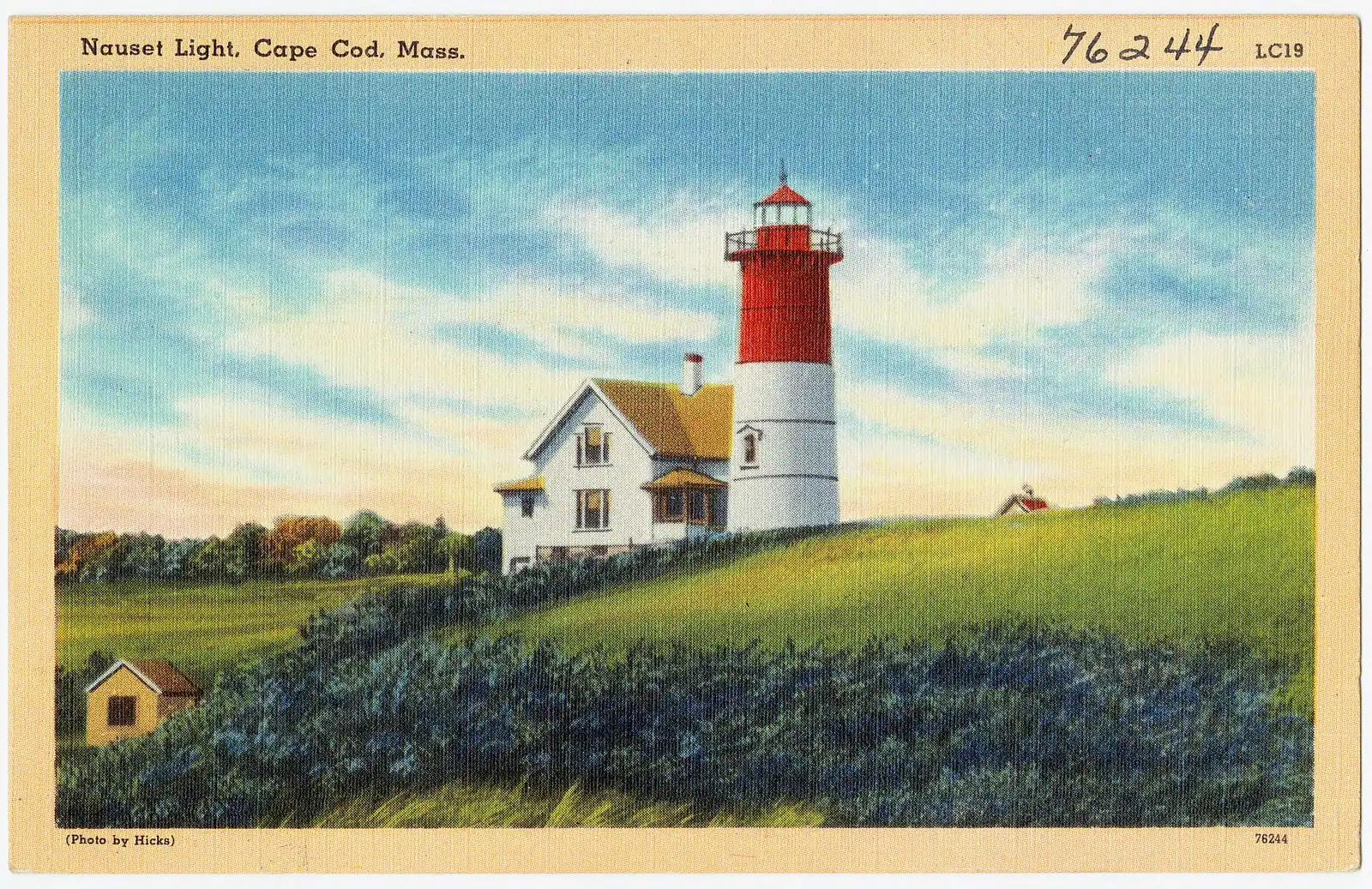
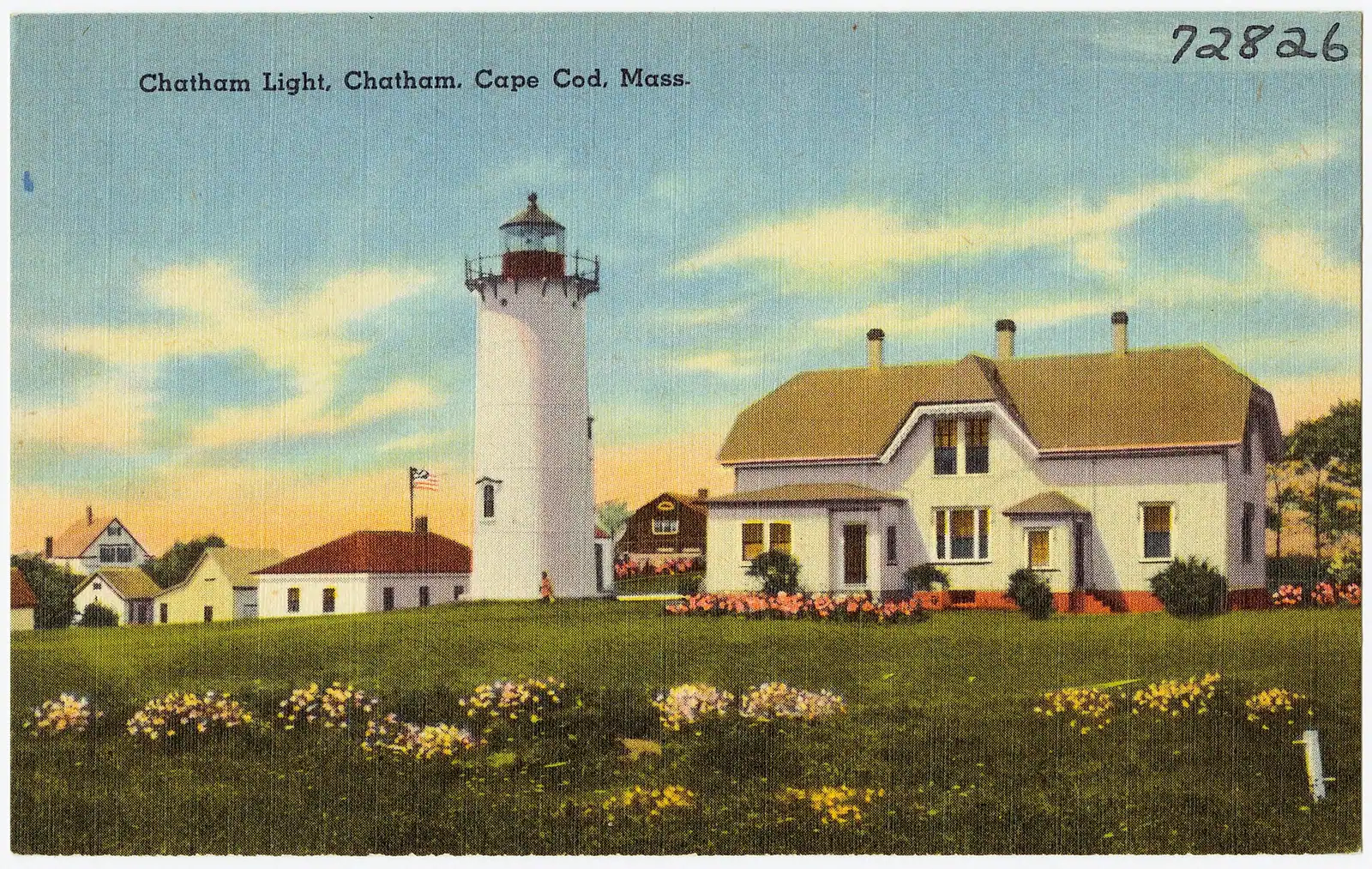
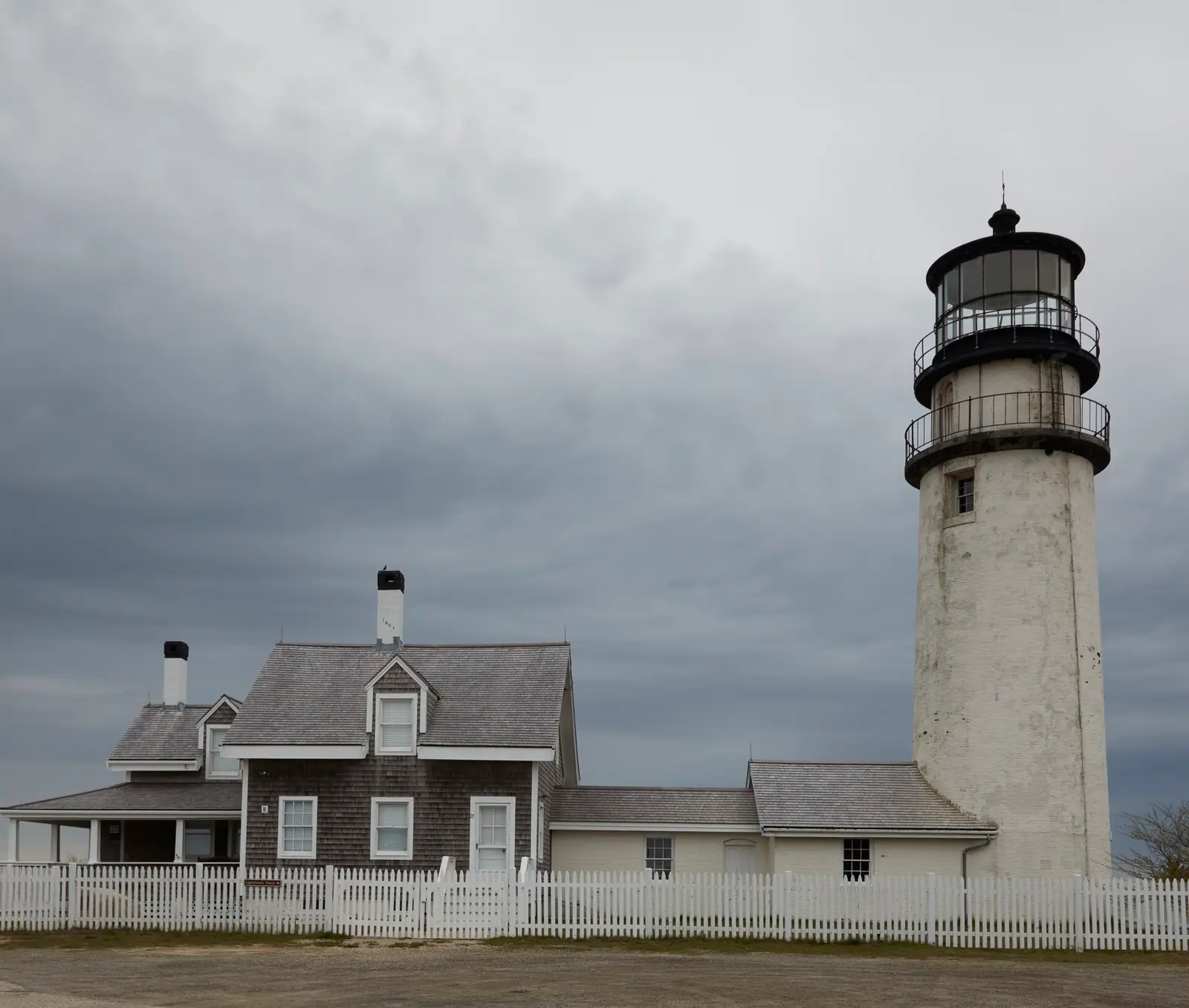
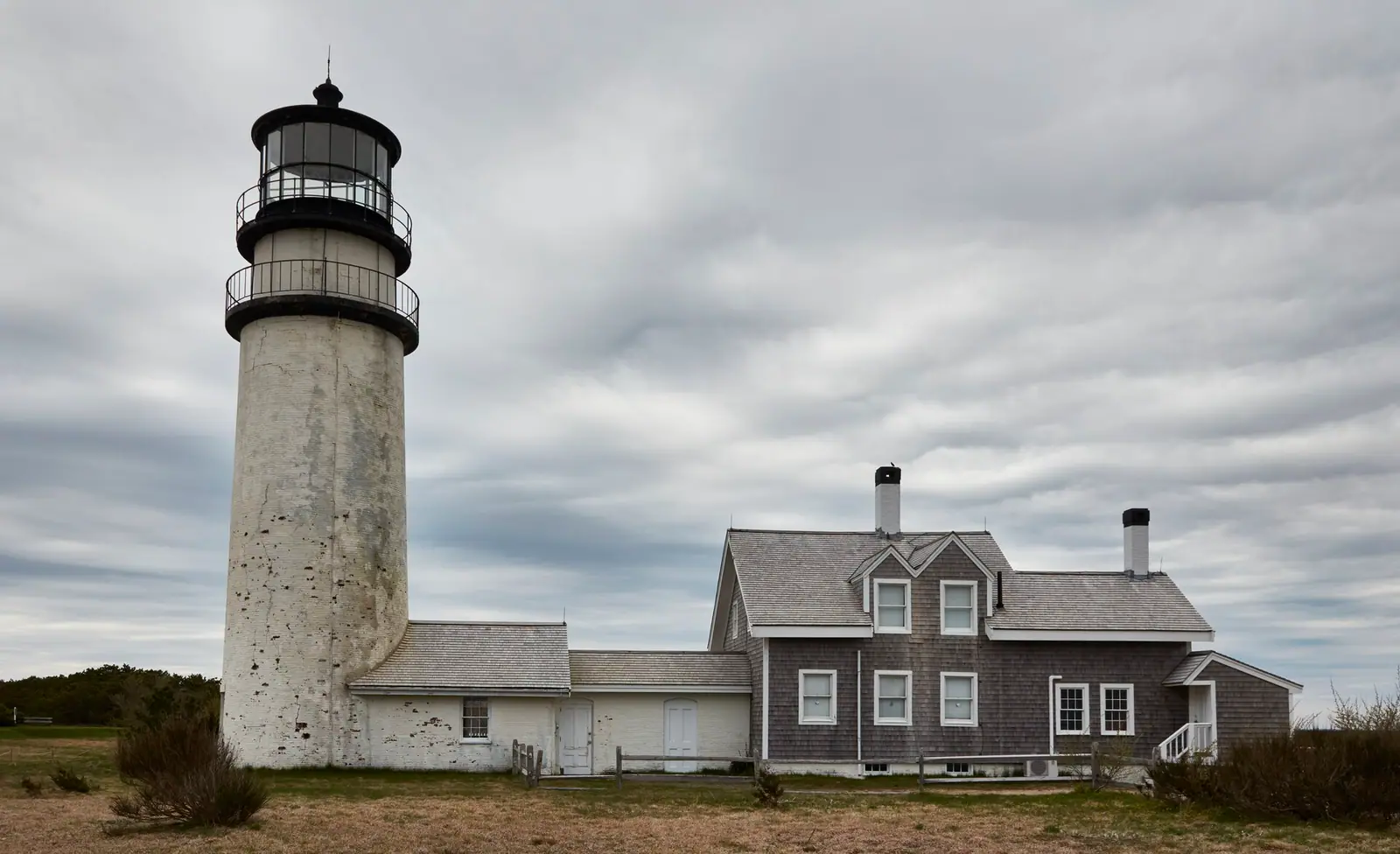
That is not a figure of speech. The two best-known structures on the Cape have both been picked up and carried inland. Highland Light in Truro, whose present brick tower went up in 1857 and is the oldest and tallest on the peninsula, was moved 450 feet west over eighteen days in July 1996 because the cliff it stood on had eroded to within a hundred feet or so of the base. Nauset Light in Eastham, the red-and-white tower on the potato crisp packet, was moved 336 feet in November 1996 and relit the following May. Before that it had already been moved once, in 1923, having started life in 1877 as one of Chatham's twin towers a dozen miles down the coast. A lighthouse here is less a monument than a thing on rollers.
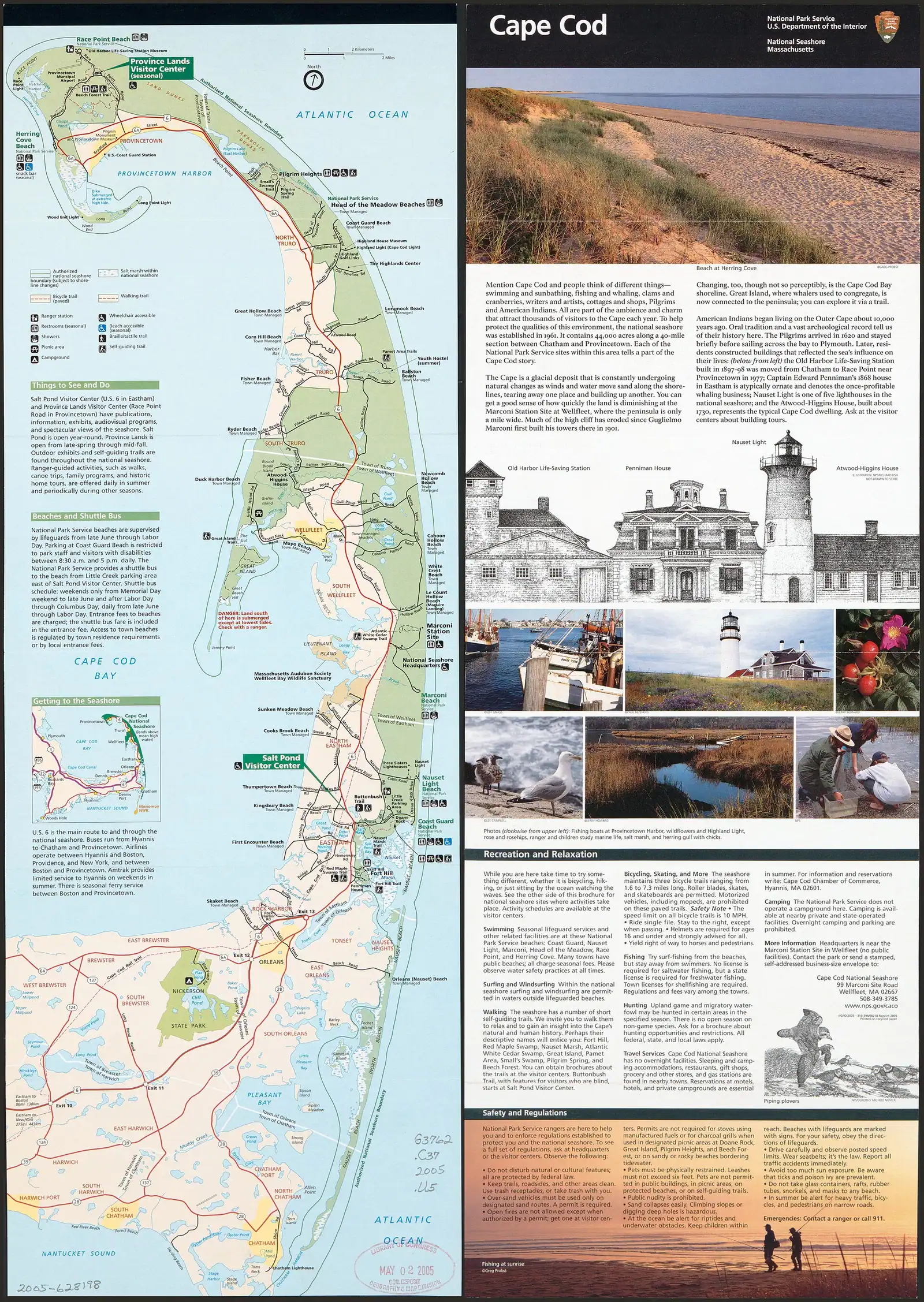
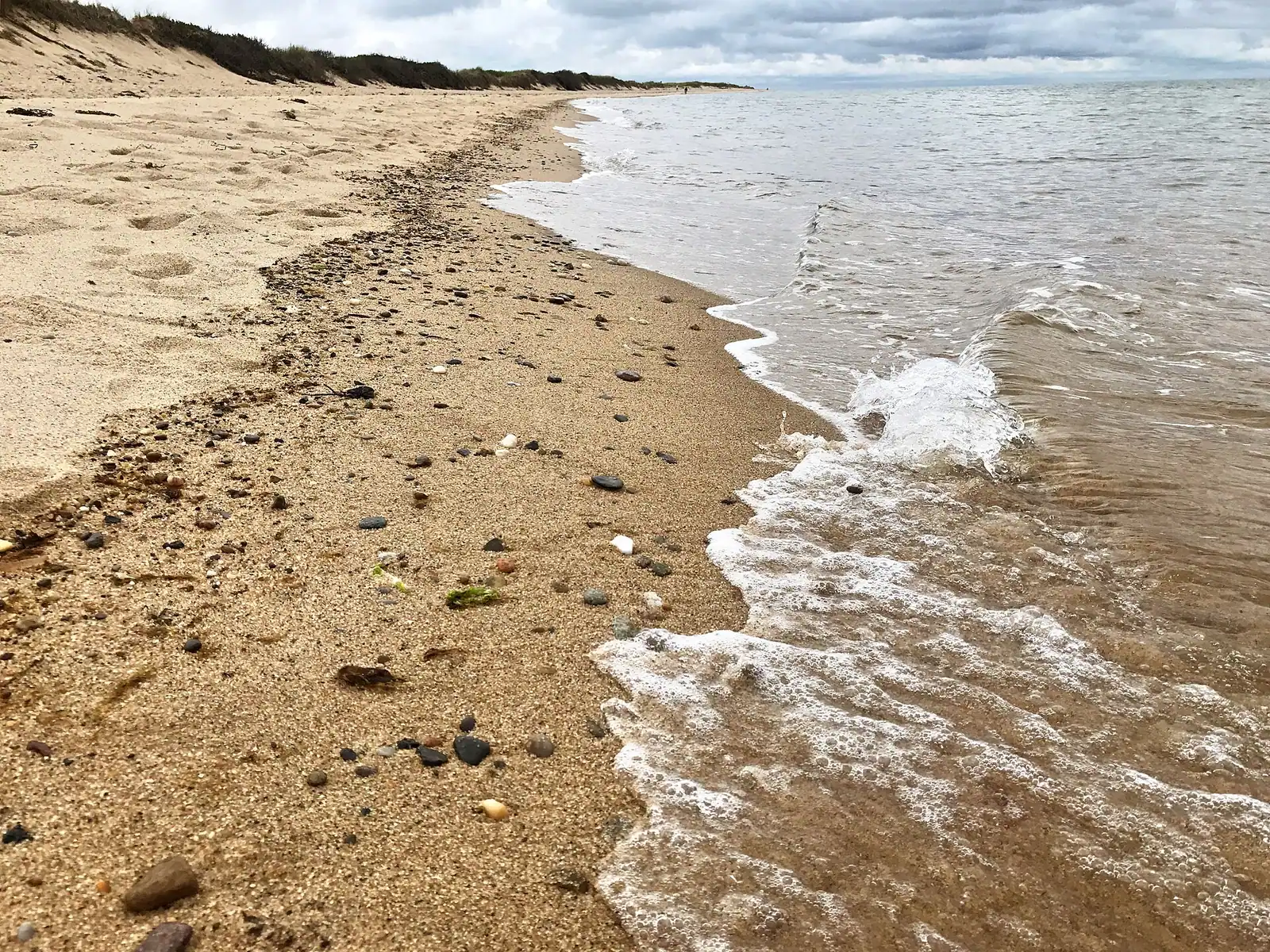
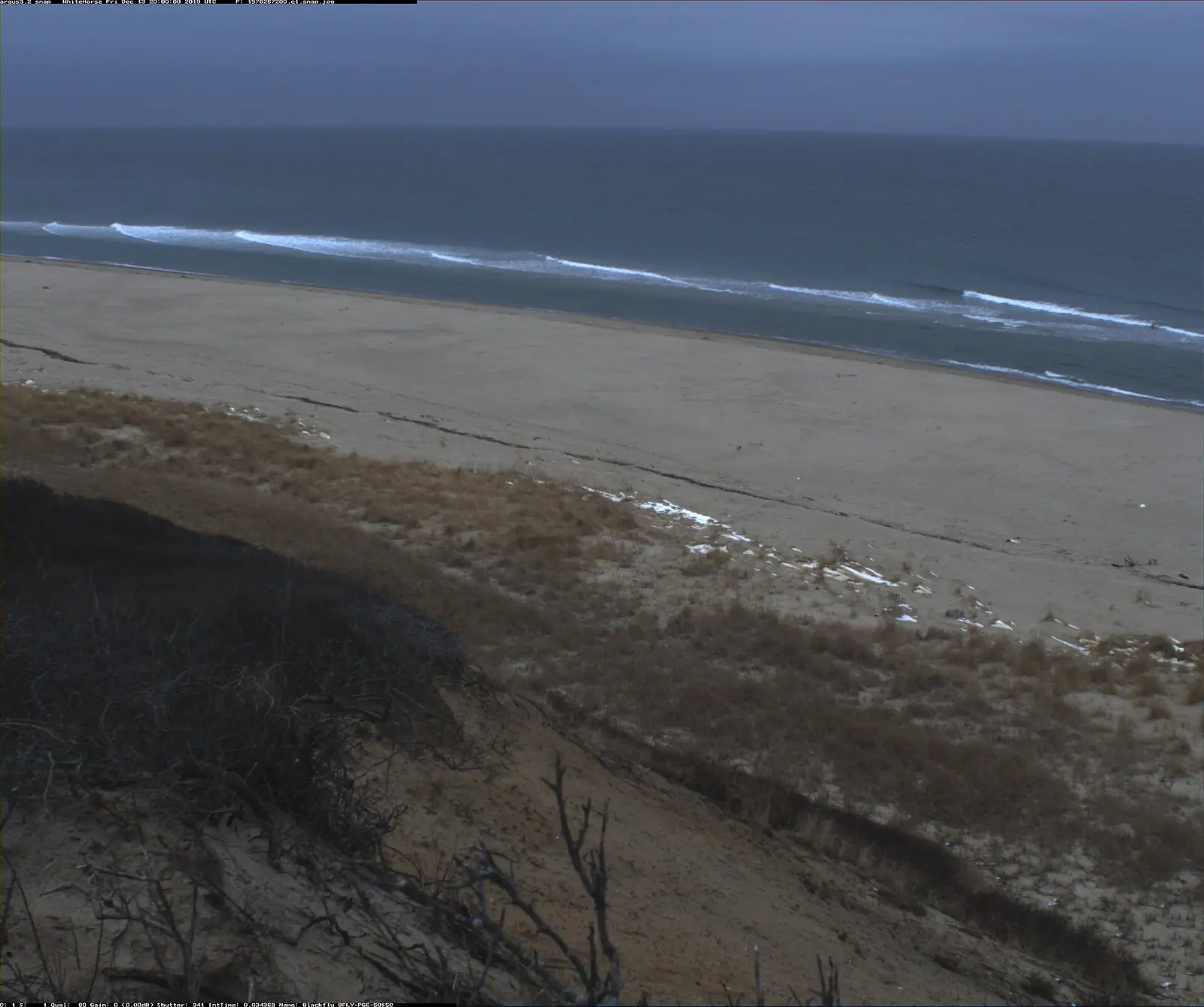
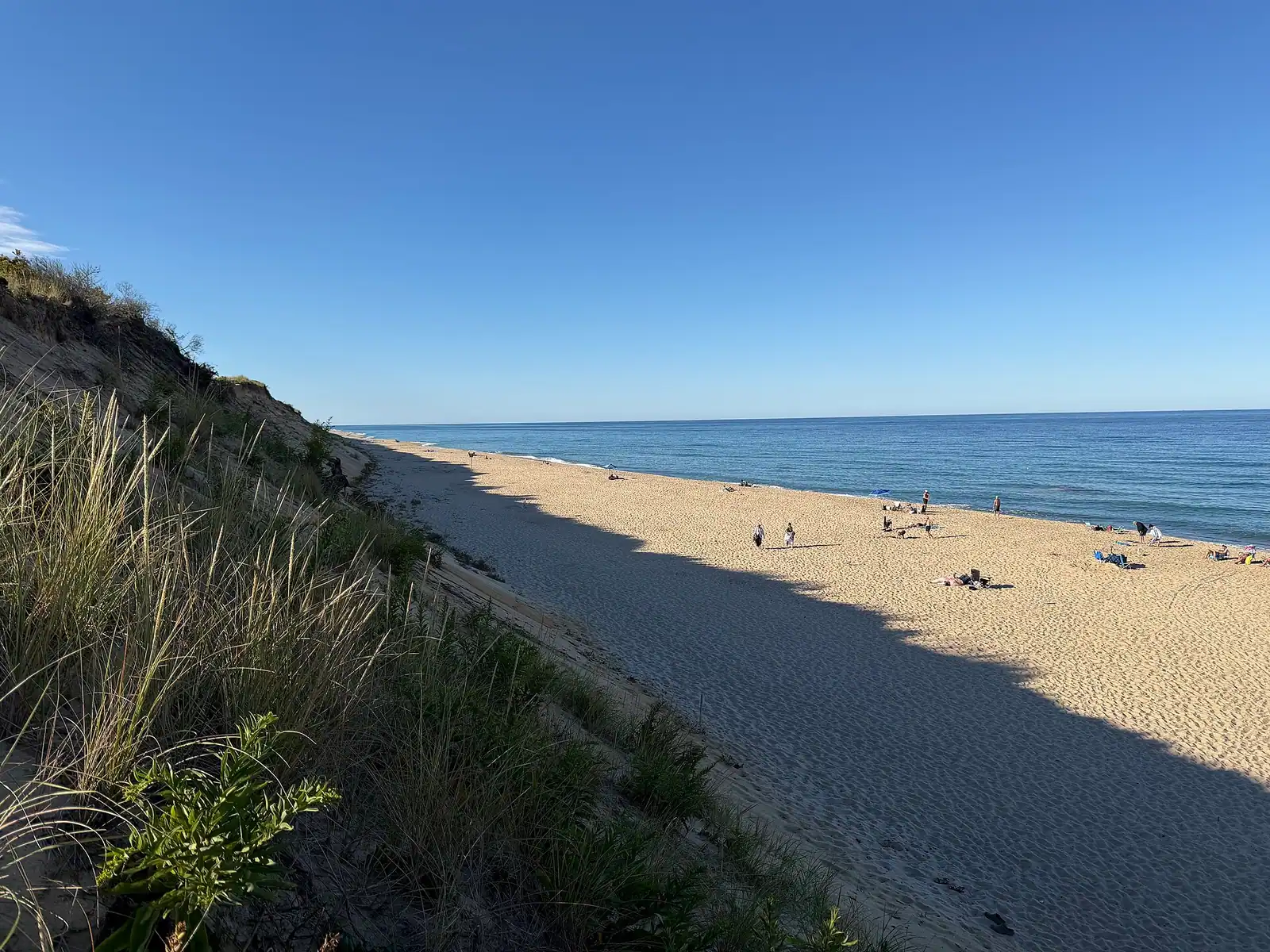
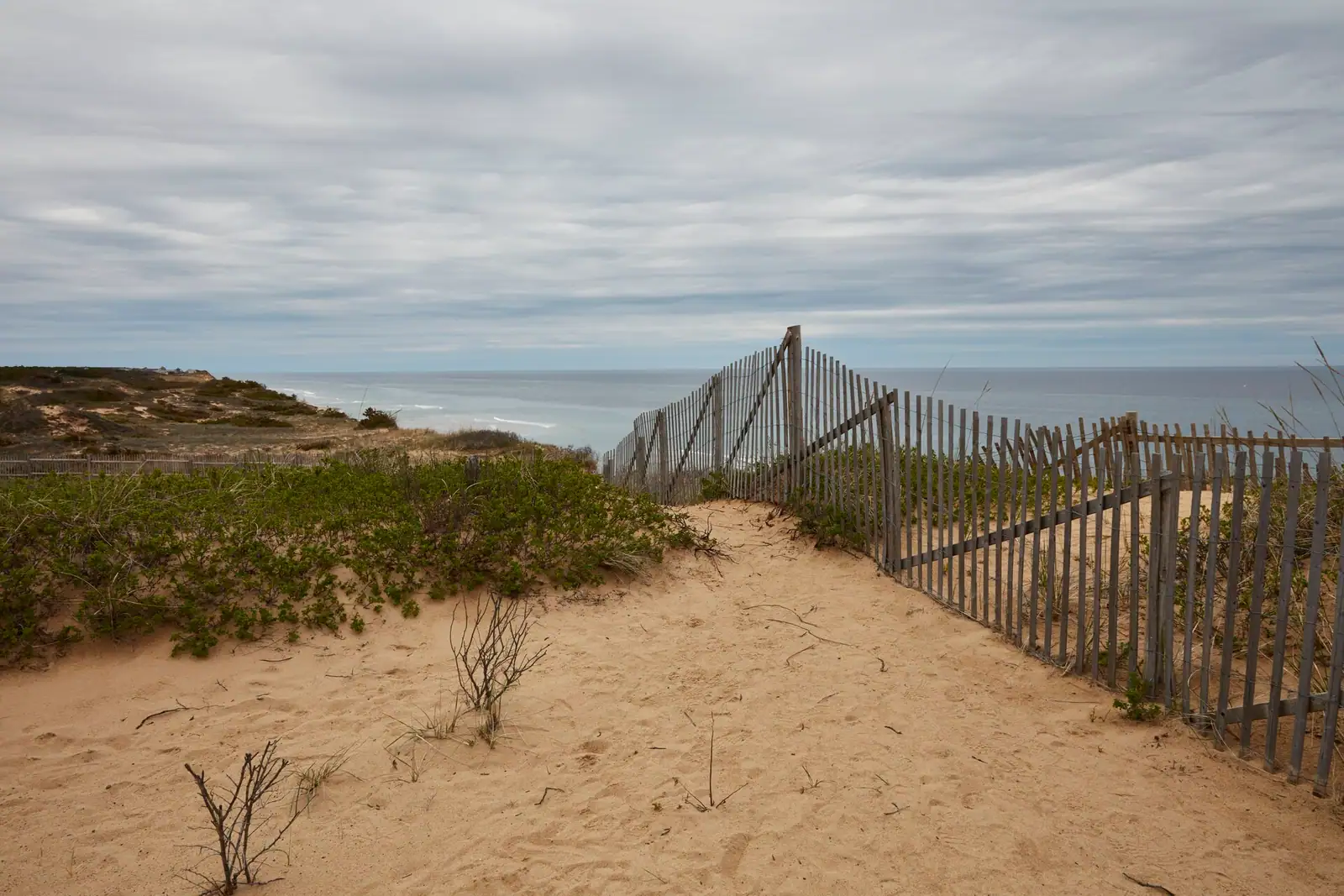
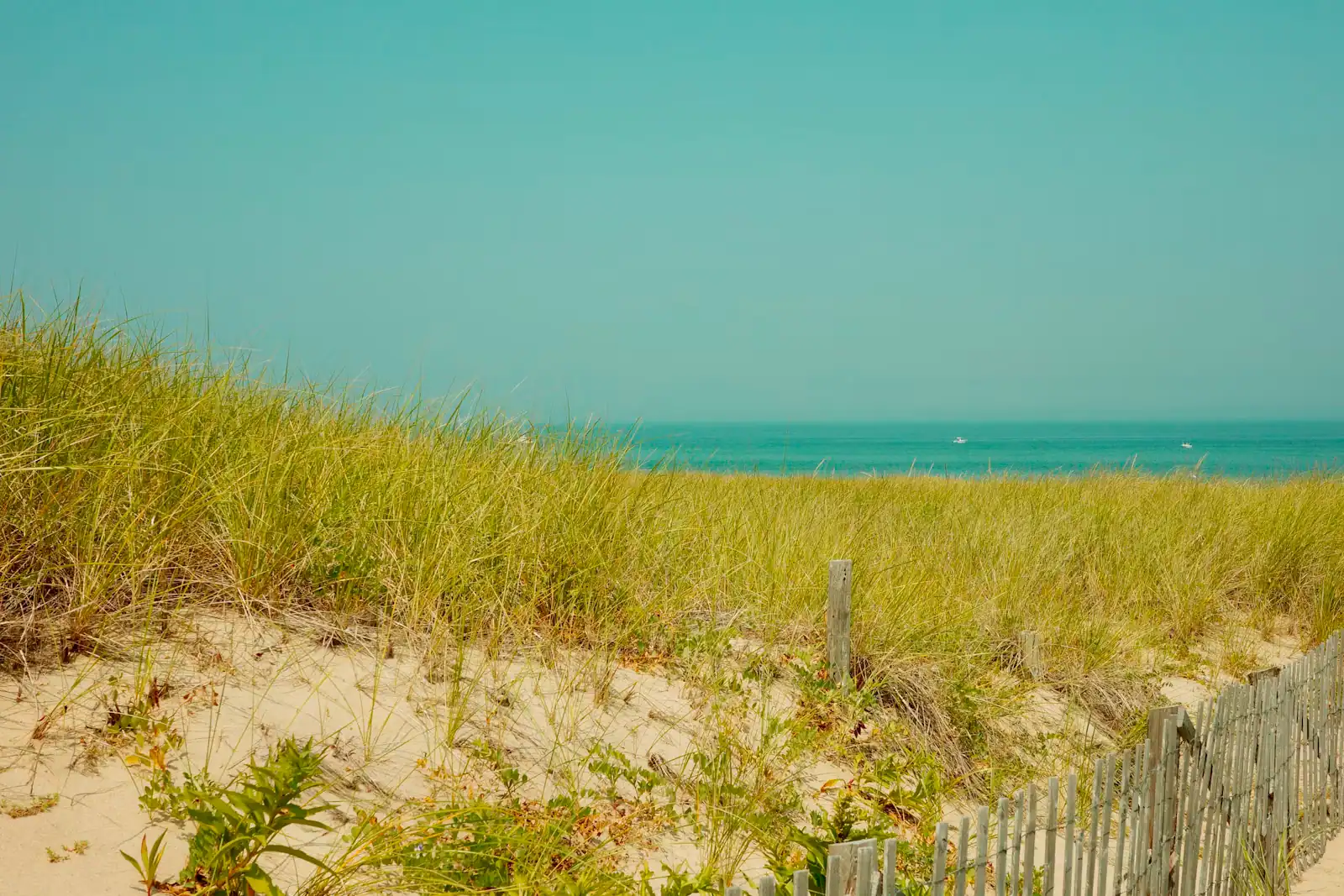
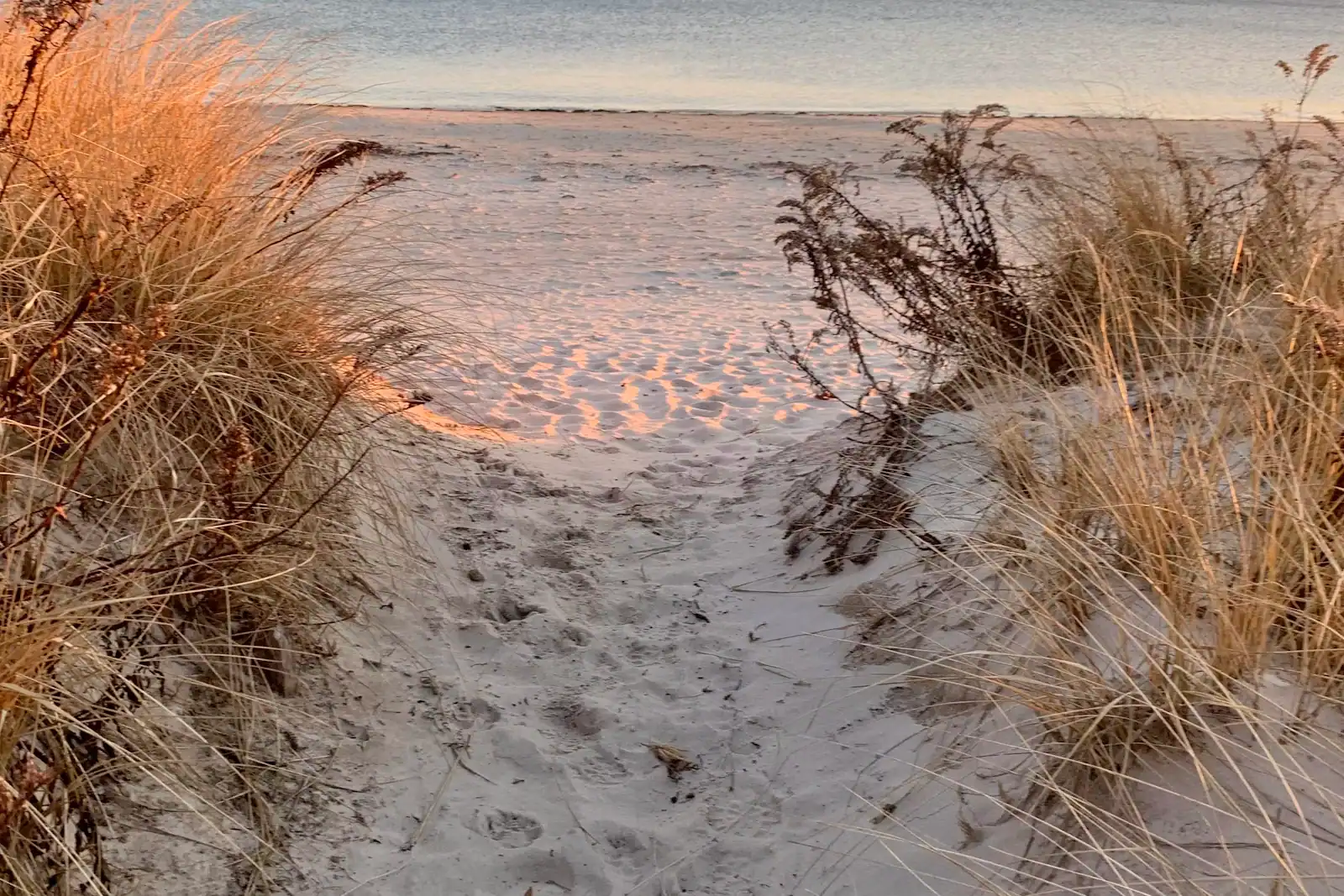
The same logic governs the beaches. Coast Guard, Nauset Light, Marconi, Head of the Meadow, Race Point and Herring Cove are the six ocean beaches of the Cape Cod National Seashore, and they look the way they do because the federal government bought the outer shore in 1961 rather than letting it be subdivided. They share one fee schedule, currently $25 a vehicle for the day, $15 for anyone arriving on foot or by bike aged sixteen or over and $60 for the year, which anyone can pay without a town sticker. Everything else about them — the height of the scarp, the width of the sand, whether there is a staircase or a ramp down — changes from year to year because the sea rearranges it.
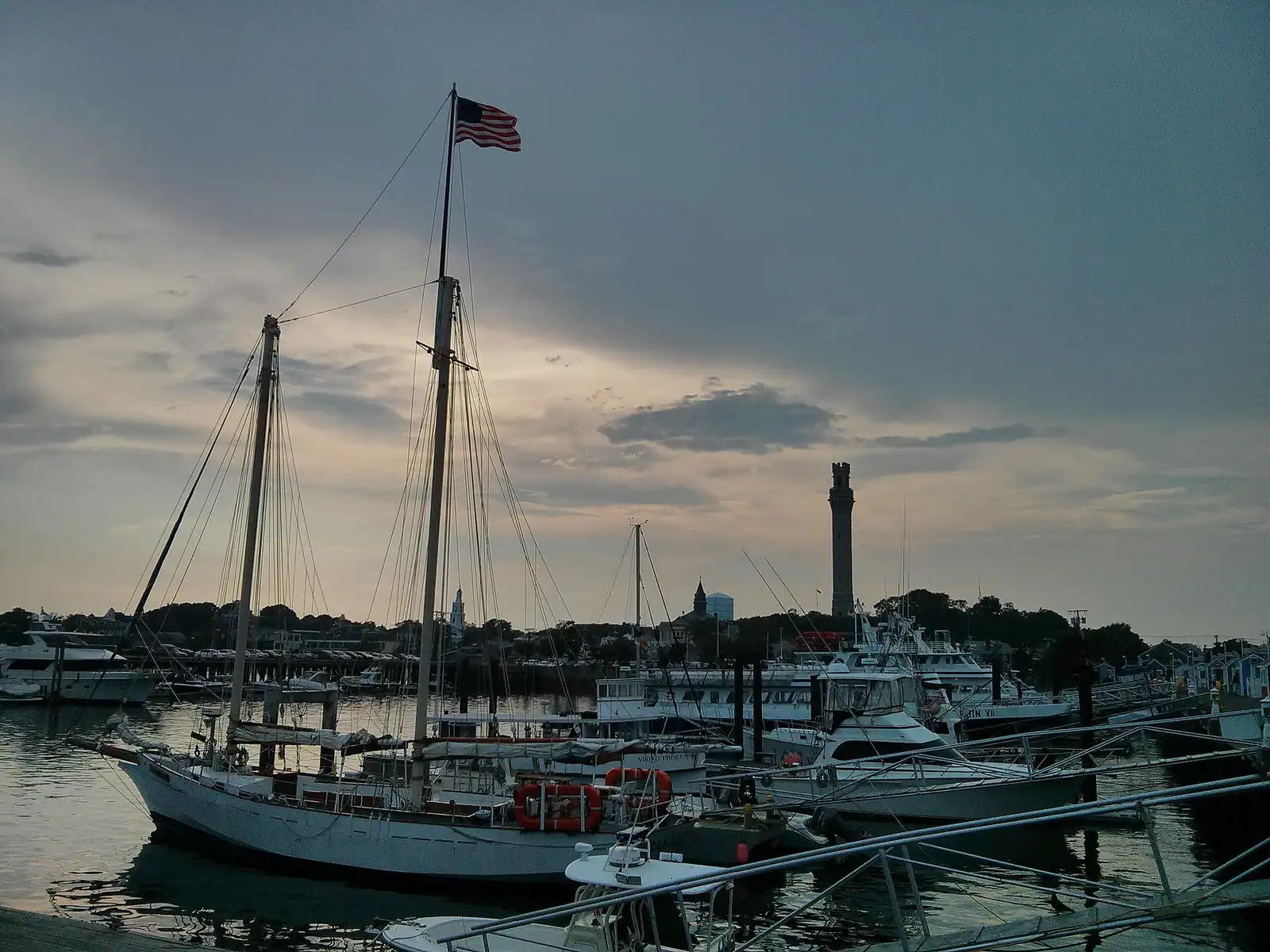
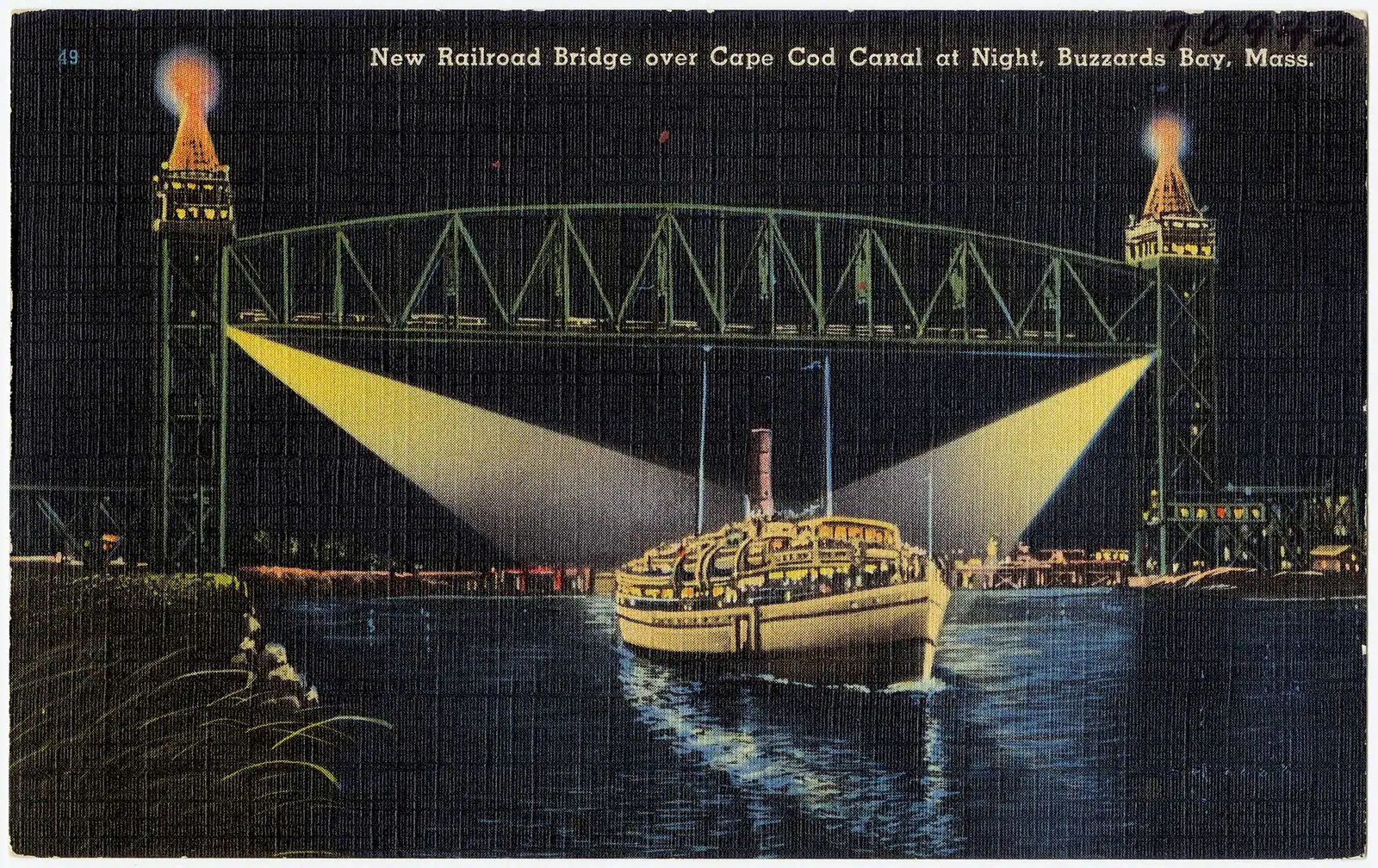
The built landmarks that matter are mostly working rather than ornamental. Chatham Fish Pier is an actual unloading dock with an observation deck bolted onto it and seals waiting underneath. MacMillan Pier in Provincetown carries the whale boats, the fishing fleet and the Boston ferry. The Cape Cod Canal, 7.4 miles long and 480 feet wide, was cut through the Cape's shoulder and opened in 1914, and you can stand on its bank while a container ship goes past at conversational distance.
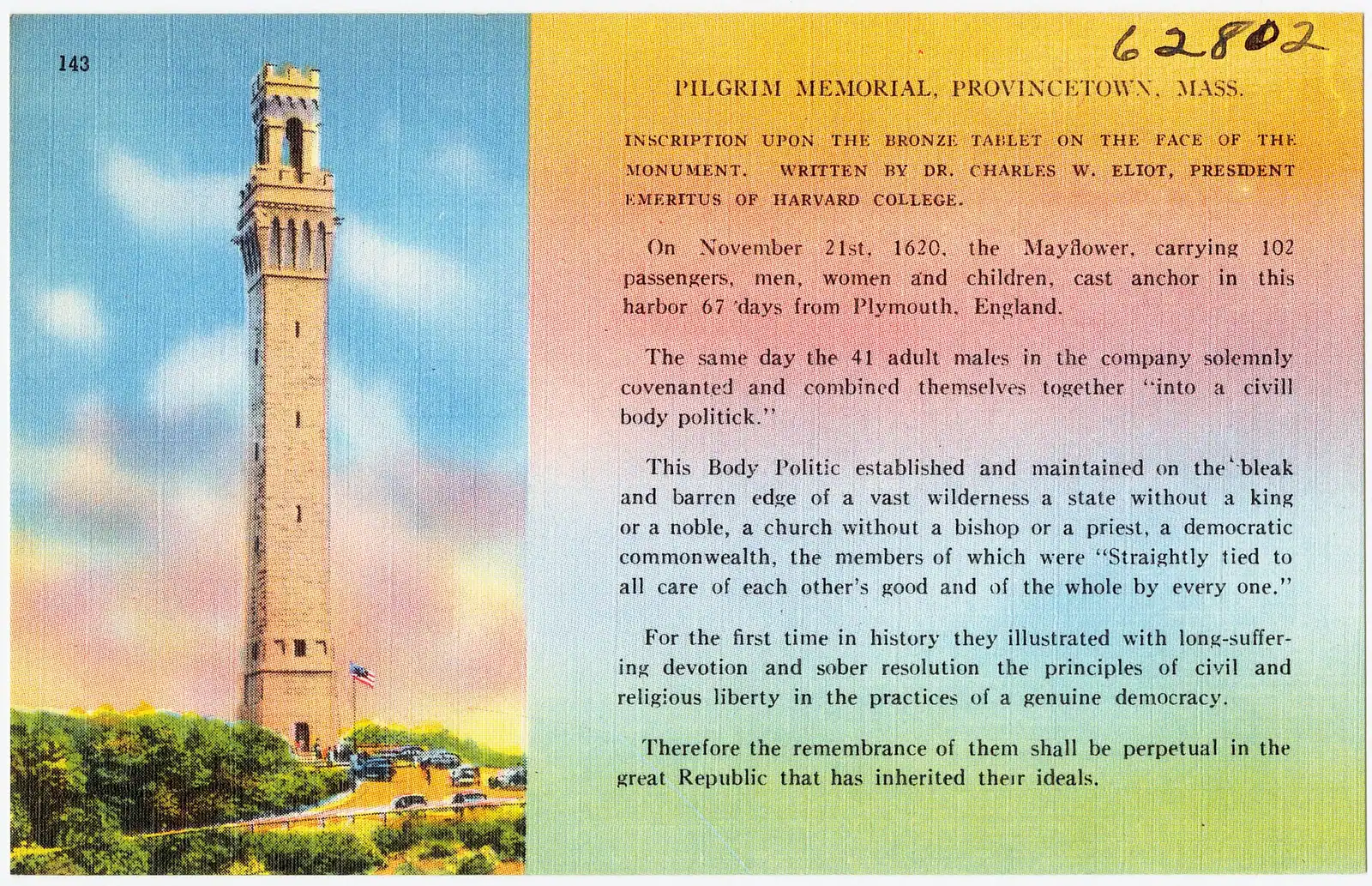
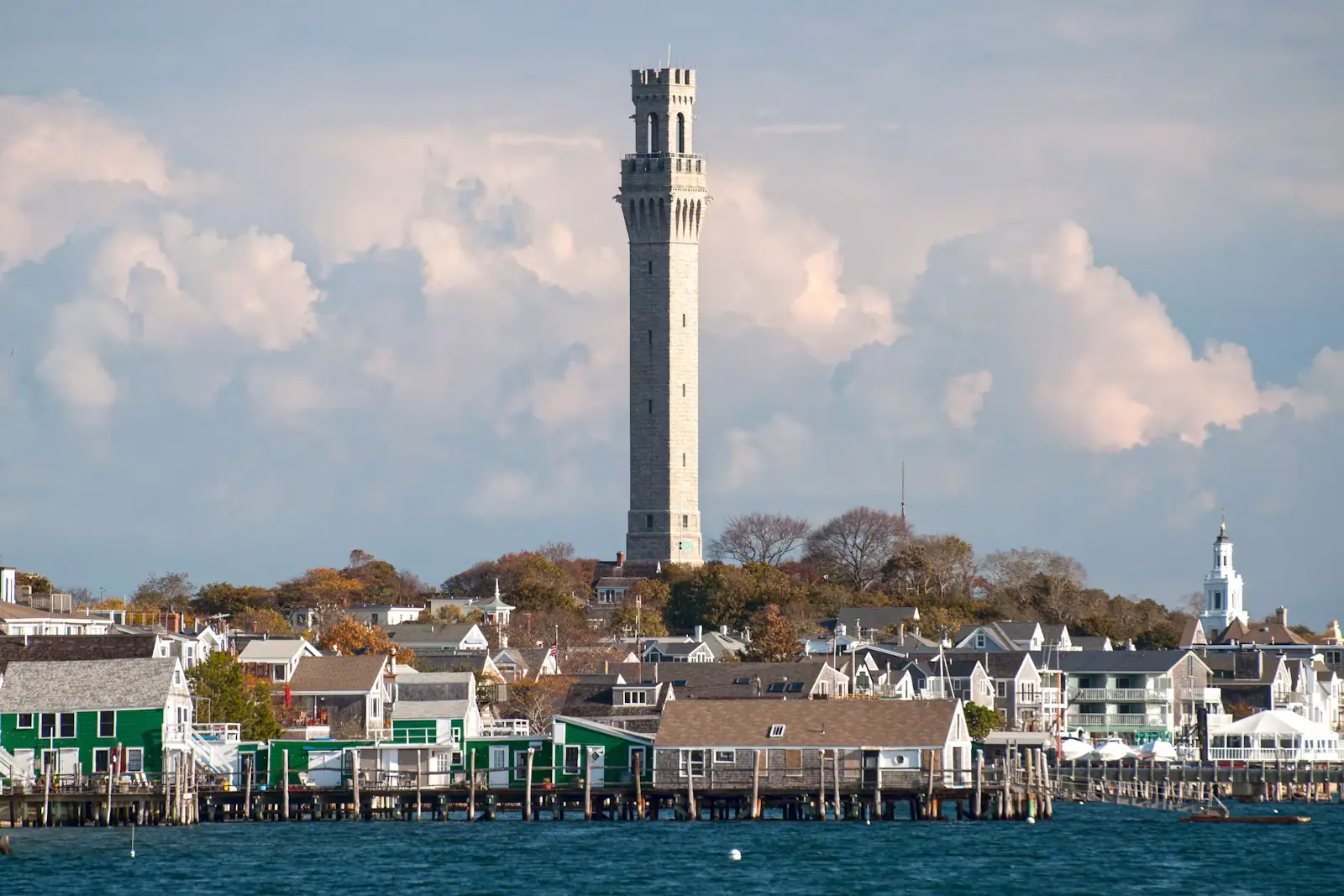
Two genuine museums are worth building a morning round, and both are on the Upper and Mid Cape rather than out at the tip: Heritage Museums and Gardens in Sandwich, and the JFK Hyannis Museum on Main Street. And above Provincetown stands the one unambiguous monument on the peninsula, a 252-foot granite tower you climb by interior ramps, raised to mark a landing that happened here five weeks before anyone got to Plymouth.
What follows is sorted by what kind of thing each place is, because on the Cape that matters more than which town it sits in.