Ask somebody who has been coming here for thirty years where to stay and they will not answer with a town. They will ask you two questions first: how long is the drive you are willing to do on the Friday, and do you want surf or flats. Those two answers narrow fifteen towns to about three, and everything else is detail.
The vocabulary is the first obstacle, because it is upside down. The Upper Cape is the part nearest the mainland and the Lower Cape is further out to sea, which is the reverse of what a map suggests. The usual explanation is nautical: with the prevailing southwesterly behind you, sailing away from the mainland was sailing downwind, so out became down. Locals still say up-Cape meaning towards the canal and down-Cape meaning towards Provincetown, and they will not adjust for you.
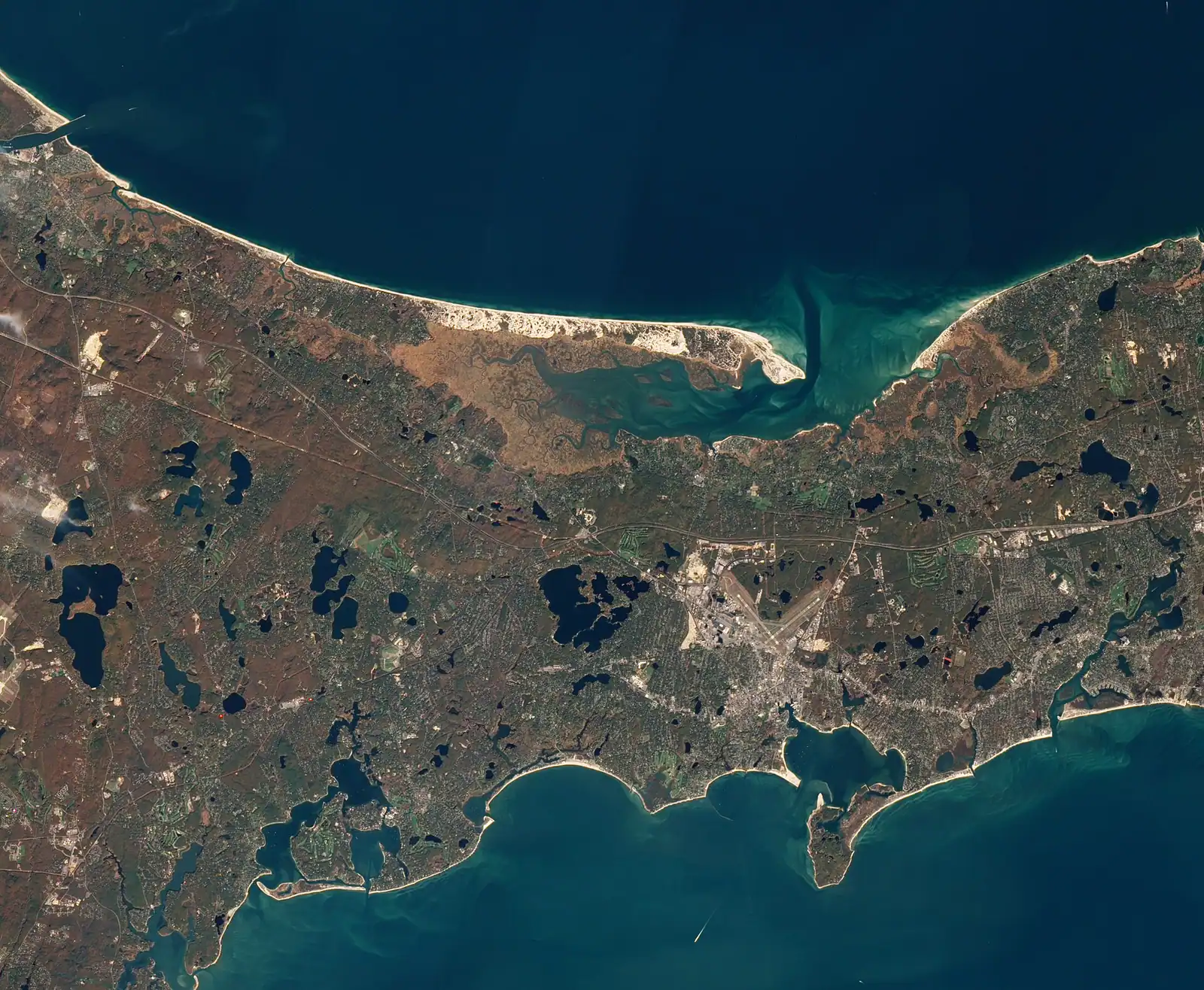
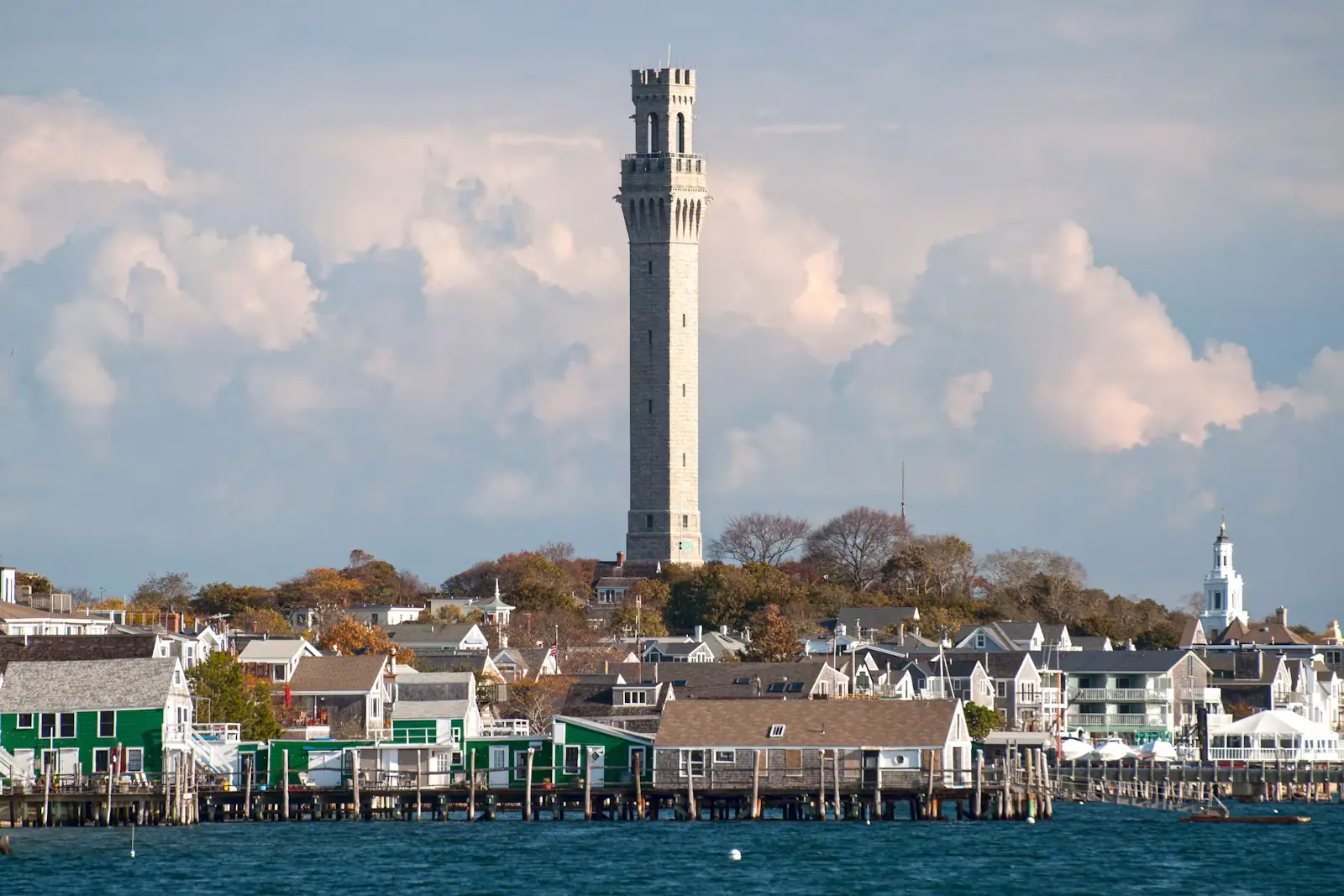
Four stretches, then. The Upper Cape is Bourne, Sandwich, Falmouth and Mashpee, sitting at the shoulder where the peninsula joins Massachusetts. The Mid Cape is Barnstable, Yarmouth and Dennis, the widest part and the place the year-round economy actually lives. The Lower Cape bends through Brewster, Harwich, Chatham and Orleans at the elbow. The Outer Cape is Eastham, Wellfleet, Truro and Provincetown, the forearm running north and then west to the fist, so narrow in Truro that you can see water on both sides from the highway.
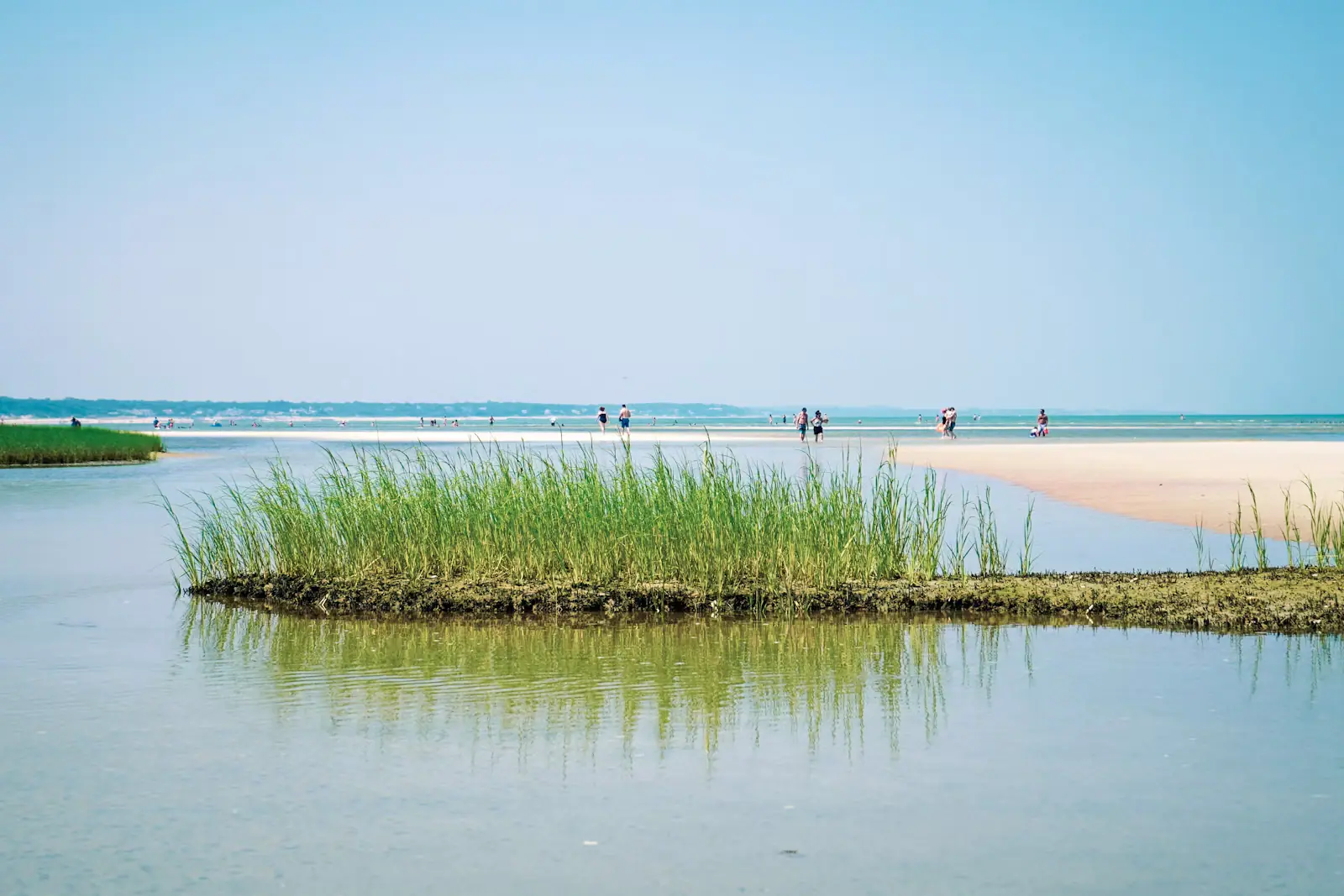
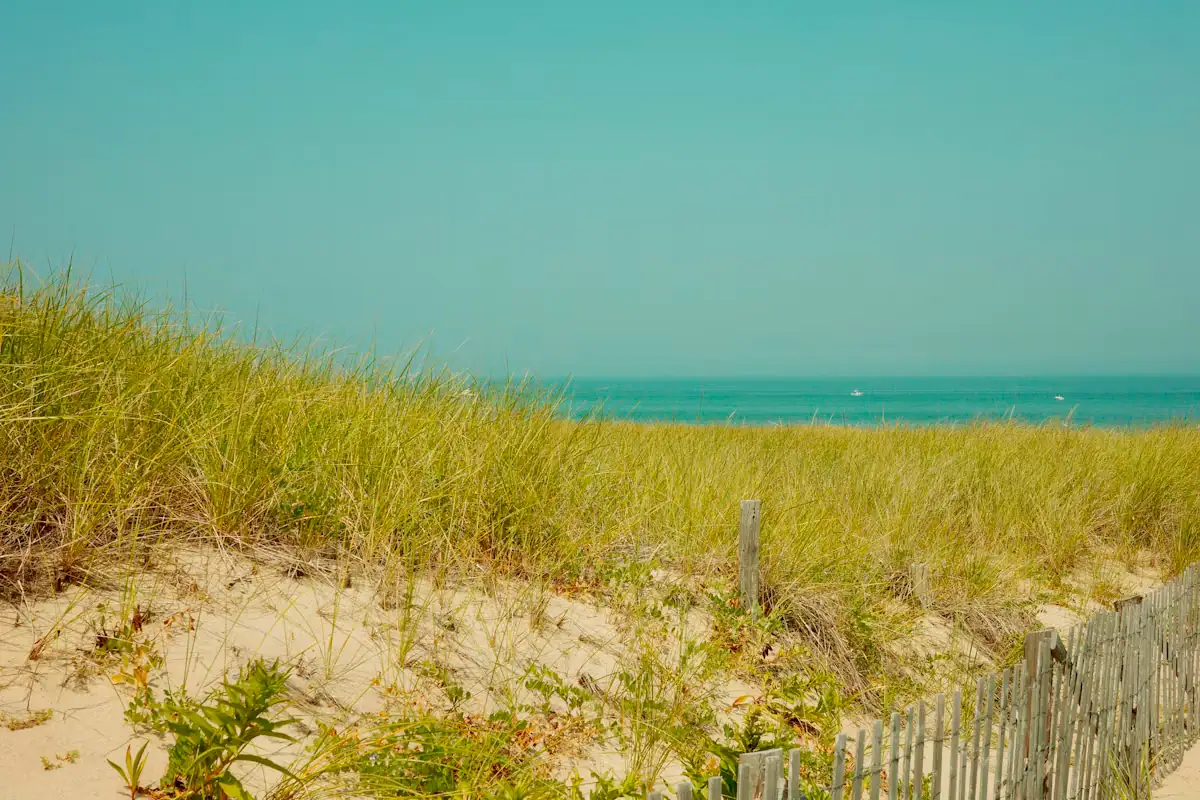
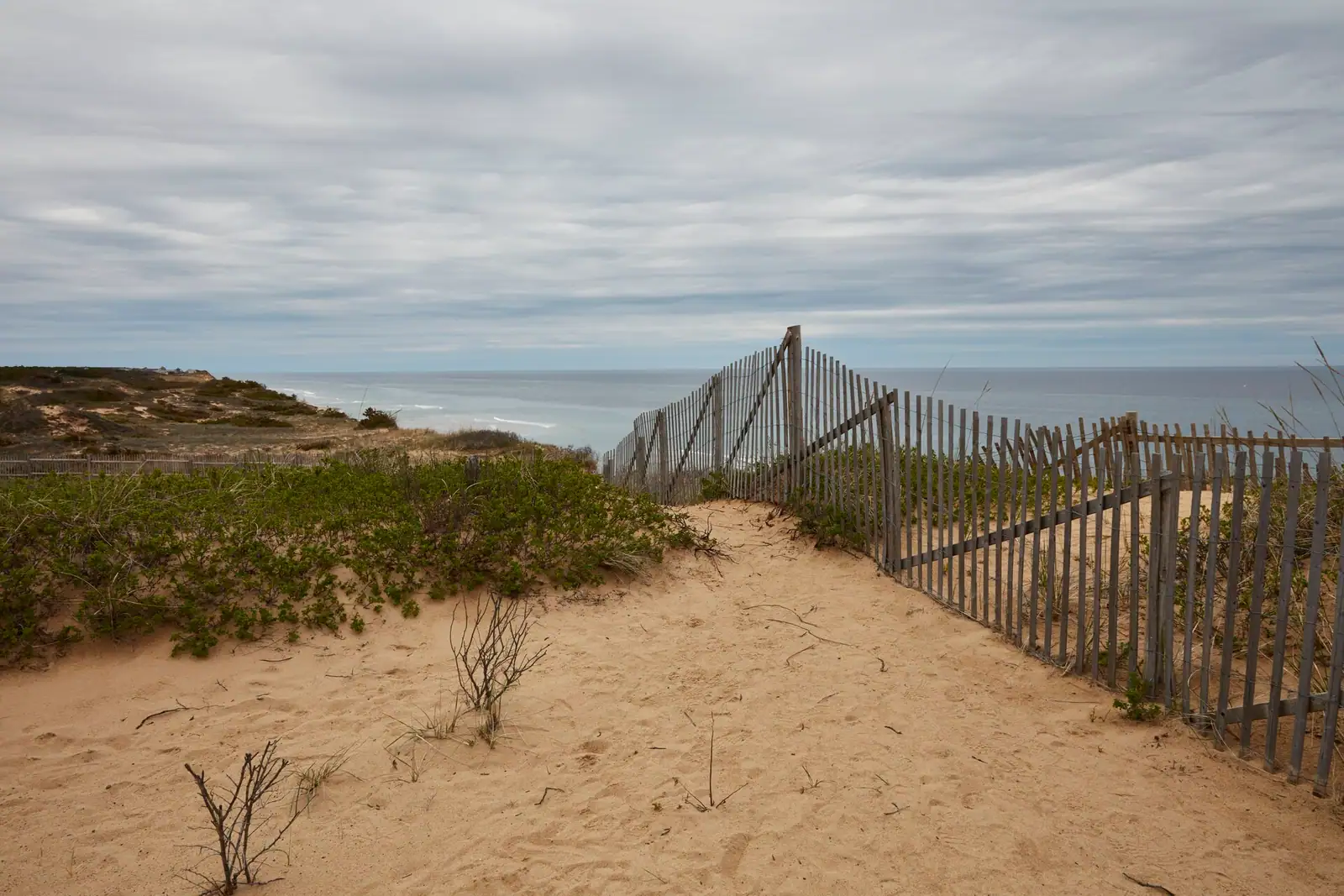
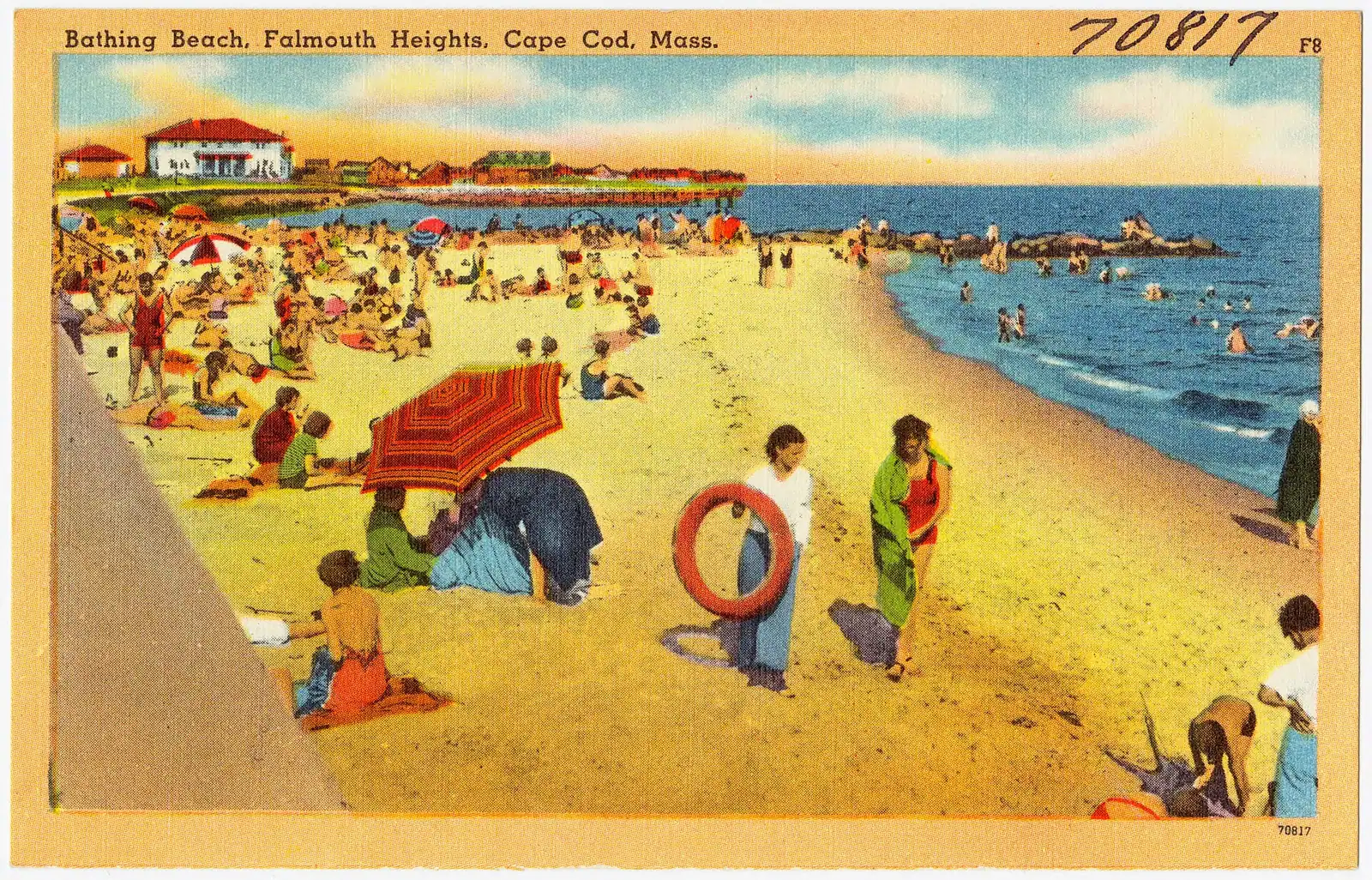
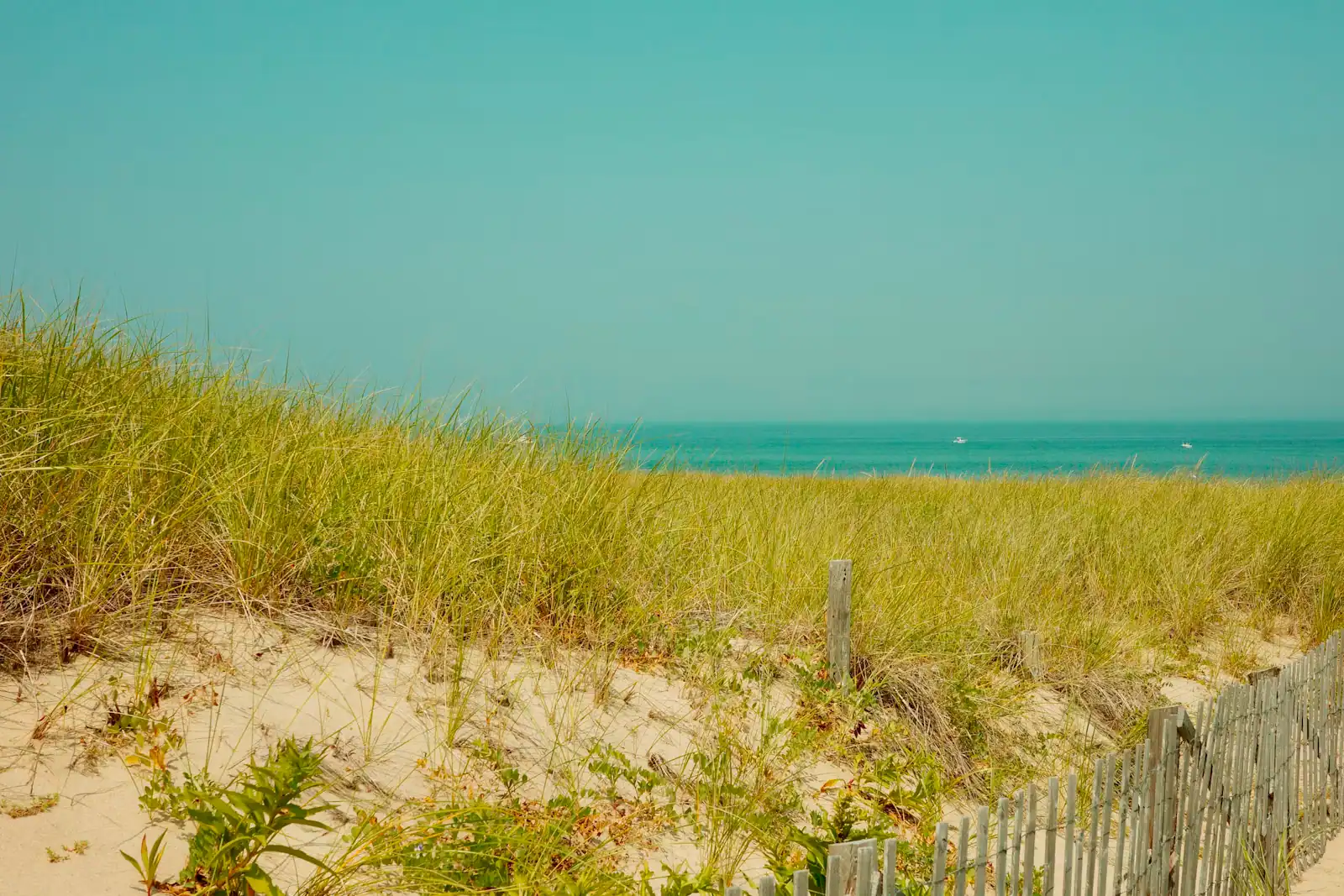
The second thing to fix in your head is that a Cape town does not have one beach culture, it has one of three. The Atlantic shore on the outside of the forearm drops off steeply into open ocean: real surf, a shore break that knocks children over, and water that regularly sits in the low sixties in July. Cape Cod Bay, inside the hook, is shallow and sheltered and runs warmer, and at Brewster and Eastham the tide walks out across sand flats far enough that people picnic on them. Nantucket Sound, along the south from Falmouth through Harwich, is the compromise everybody defaults to: gentle, warmest of the three, and the one the big family motels were built for. A town's character follows the coast it faces more than its history does.
Third, distance behaves badly here. There are two roads down the Cape and both are single corridors: US-6, which is a divided highway only as far as Orleans and then becomes one lane each way to Provincetown, and Route 6A along the bay, which is beautiful and slow and crosses a village centre every few miles. Nothing bypasses anything. Sagamore Bridge to Provincetown is about sixty miles and can be eighty minutes or three hours depending entirely on the day of the week and the hour.
Finally, the calendar. The Cape runs hard from Memorial Day to Columbus Day and then a large share of it closes outright — not reduced hours, closed, with the furniture stacked inside the window. Provincetown, Hyannis and Falmouth keep a genuine winter. Truro in February has no restaurant open at all in some years. That single fact should decide your town if you are travelling outside the season, and the sections below say which places stay awake.