Neighbourhood
Chatham
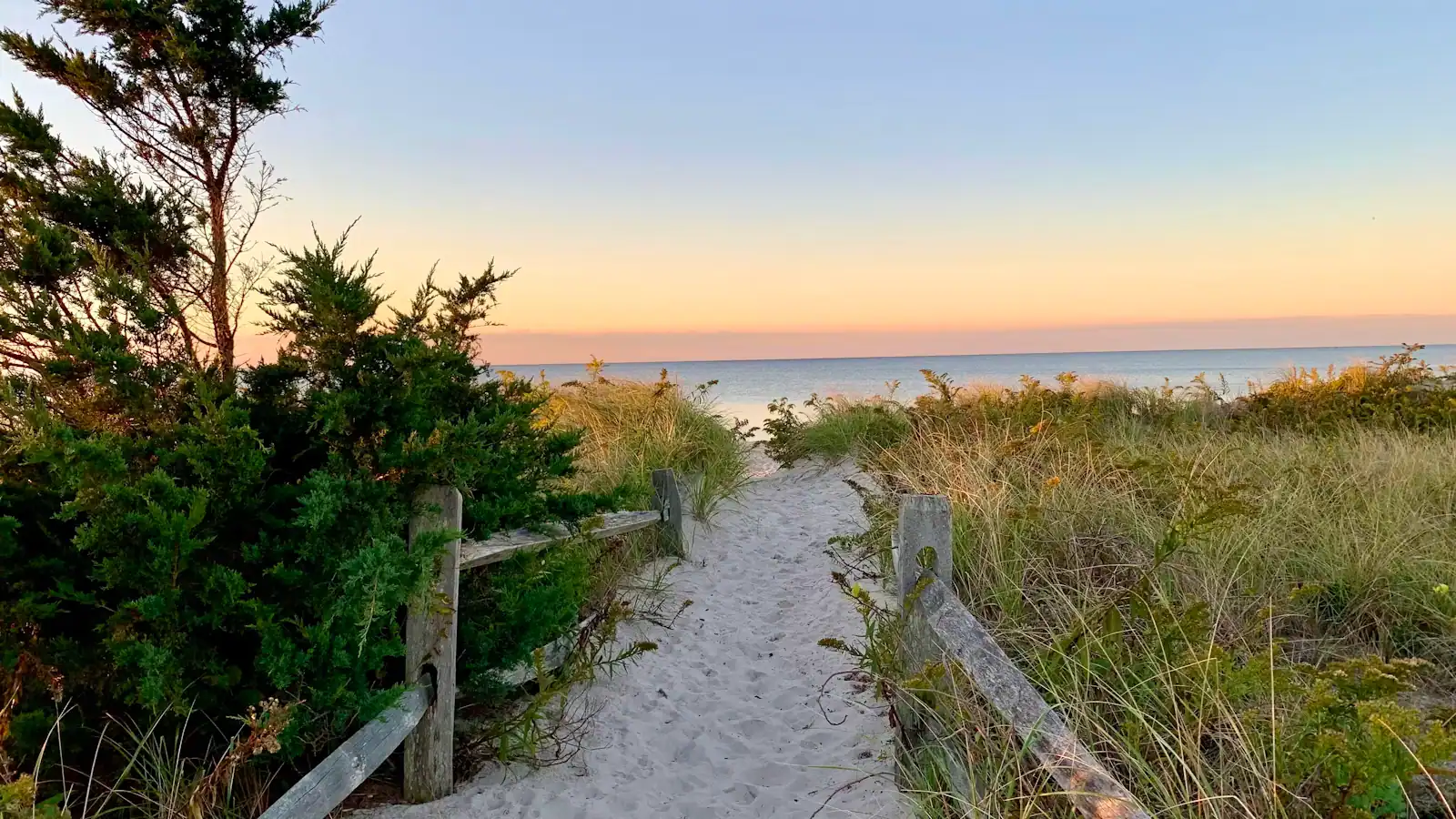
The town at the Cape's elbow, where a barrier beach has broken open three times since 1987 and rebuilt the shoreline each time.
3–8 hoursFree to visit. Town beach lots require a Chatham parking sticker in season.0.6 mi away
Marina
Last updated
A free viewing gallery built over a working unloading floor, where Chatham's day boats land what they caught that morning.
Photo: Unknown authorUnknown authorPublic domain
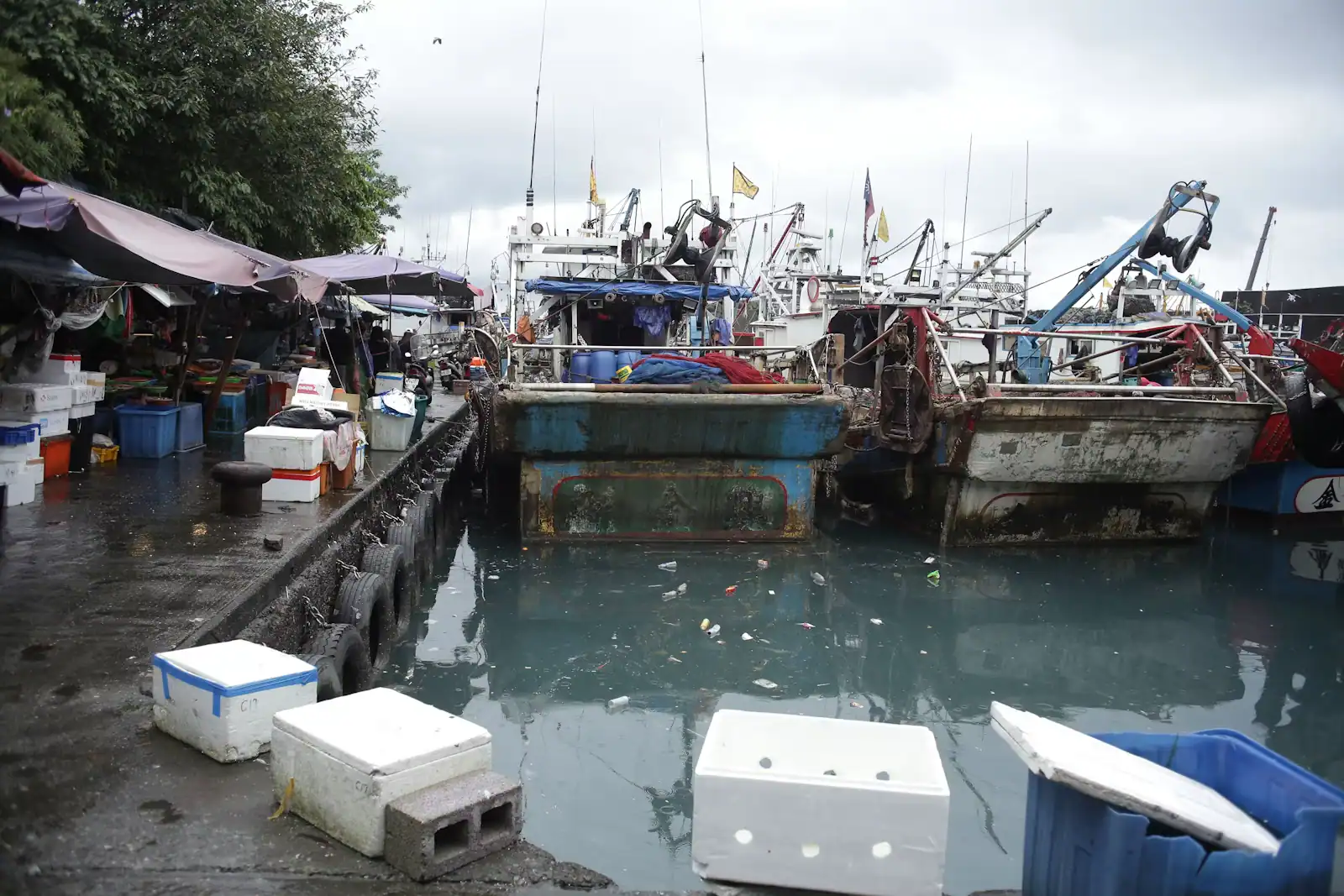
Shore Road drops down to Aunt Lydia's Cove and there, on the left, is a low municipal building with an outside staircase. Go up it. The upper level is a public observation gallery, free, always open, that looks straight down onto the floor where Chatham's boats unload. There is no ticket, no guide and no schedule, which is the whole character of the place.
What you are watching is a day-boat fishery, which is unusual and worth understanding. Most of Chatham's fleet goes out and comes back inside a day rather than staying at sea for a week, partly because the grounds are close and partly because the entrance to this harbour is genuinely difficult. Boats have to thread the break in the barrier beach, over a bar that moves, and a captain who leaves at four in the morning wants to be back through it before the afternoon breeze stands the sea up. Fish landed here were swimming that morning, which is why Chatham's name on a menu means something.
The species change with the season and with federal quota. Cod and haddock are the historic backbone. Monkfish, skate, dogfish, pollock, flounder and, in their seasons, bluefin tuna and striped bass all come across this floor. In winter the offshore scallop boats are a bigger part of the picture. You will see totes swung up by hoist, iced, sorted and trucked, and some of it will be on a plate in Boston that evening.
The seals know the routine better than any visitor does. Greys gather around the pier and in the cove waiting for discards, close enough to photograph without a long lens. They are why the water off Chatham is what it is, and they are a reminder that this is a working harbour rather than a wildlife display.
At the head of the pier stands The Provider, a bronze of a fisherman hauling a net, put up in memory of the men lost out of this port. It is the correct place to end a visit rather than start one.
From Chatham's Main Street, follow Shore Road north past the lighthouse overlook and down the hill towards Aunt Lydia's Cove. The pier is signed and sits on the water side of the road, about a mile from the centre of town.
Walking from Main Street takes roughly twenty minutes and takes in the lighthouse bluff on the way, which is the better approach in July and August when the pier's own car park is full.
Driving from the Sagamore Bridge, take Route 6 east to exit 85 or 86, drop to Route 28 and follow it into Chatham centre before turning onto Shore Road. Allow about ninety minutes on clear roads and more on a summer changeover day.
By bike, the Old Colony Rail Trail brings you into Chatham from Harwich; the last stretch to the pier is on the road, and Shore Road carries traffic, so ride it with that in mind.
There is no timetable. Boats land when they are finished, and that depends on the tide over the bar, the wind outside, how the fishing went and what the buyer wants.
The general rule that Chatham regulars use is early to mid afternoon. Boats that left before dawn typically start coming in from around lunchtime, and the floor is at its busiest for a couple of hours after that. Nothing about that is guaranteed.
What ruins a visit is arriving at ten in the morning, finding an empty concrete floor and concluding there is nothing here. Come after lunch. If the wind has been blowing hard from the east or north-east for a day or two, fewer boats will have gone out at all and there may be very little to see regardless of the hour.
Winter changes the mix rather than stopping it. Fewer day boats, more scallop landings, and a pier that is markedly colder than anywhere else you will stand on the Cape because the wind comes straight off the water with nothing in front of it.
If you want to watch and then eat, there is a takeaway window operating at the pier in season. Hours are seasonal and short, so treat it as a bonus rather than a plan.
A boat comes alongside below the gallery. A hoist swings plastic totes of iced fish up onto the floor. Crews sort by species and size, weigh, re-ice and move the totes towards the packing bays and the waiting trucks. It is loud, wet and fast, and none of it is arranged for you, which is exactly why it is worth watching.
Pay attention to the sorting. Groundfish are handled by species and grade, and the difference in price between grades is large enough that the sorting is done carefully by people who are not hurrying for your benefit. The gulls understand all of this perfectly.
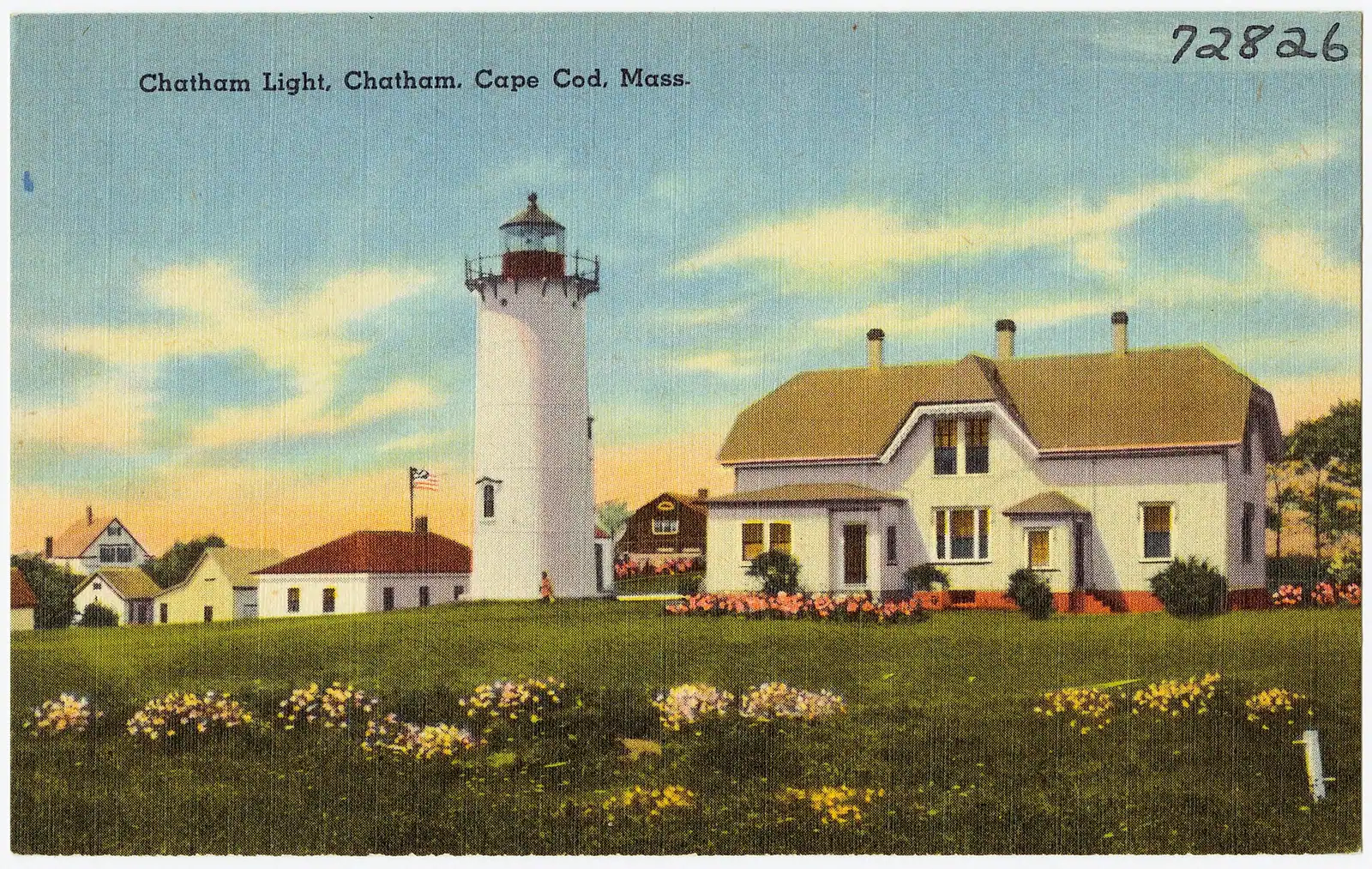
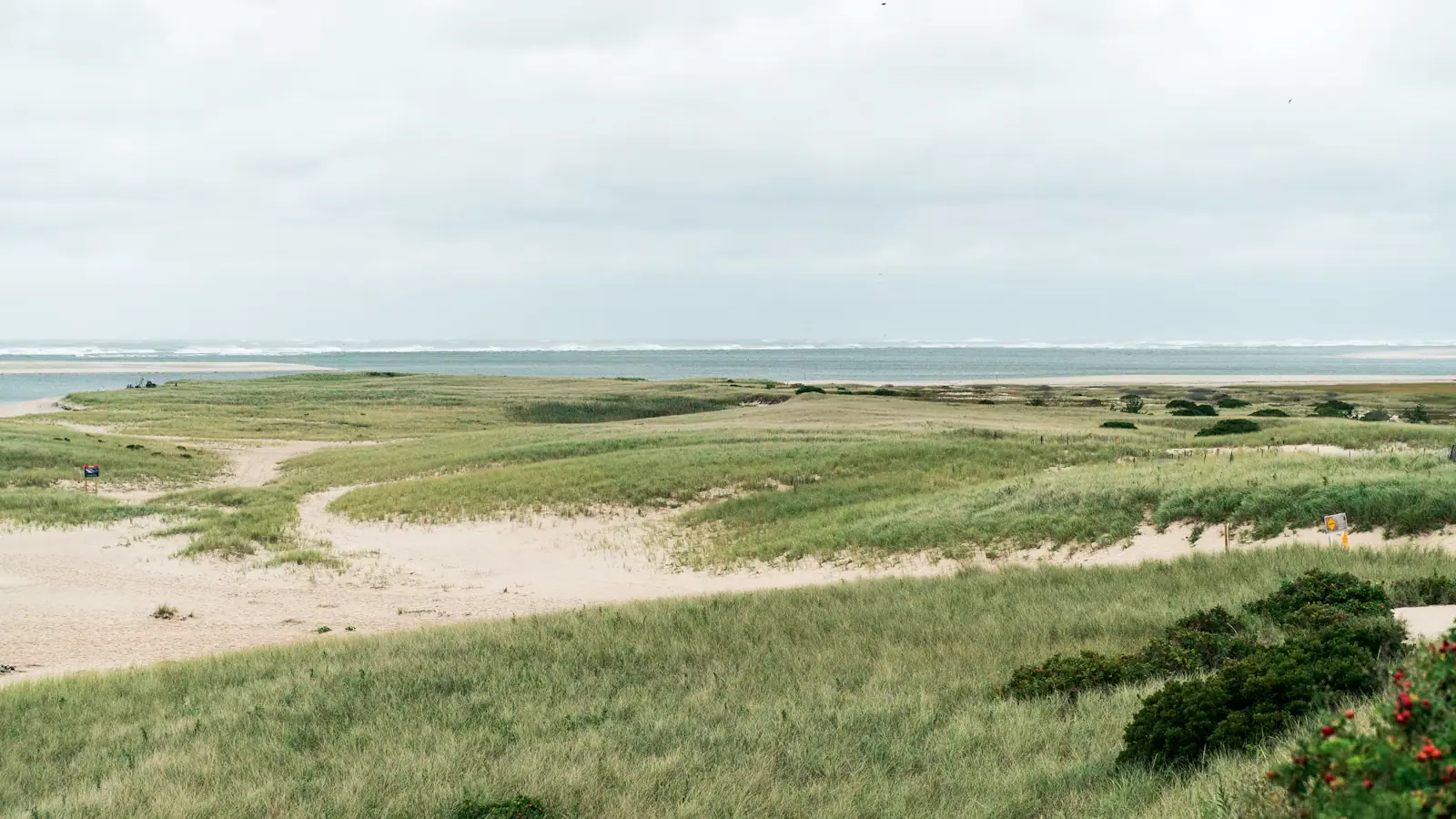
Look out past the boats and you are looking at the break in the barrier beach. The channel these boats come through has moved several times in the last four decades, most dramatically after the 1987 break directly opposite Chatham Light and again after the 2013 break through North Beach Island. Captains here navigate a harbour entrance that is redrawn by winter storms.
Below and around the pier, grey seals loiter for discards. Photographers with a moderate lens do well from the gallery. Do not try to get closer at water level, and do not feed anything.
Straight-line distances, so allow more on the road — the island is long and has one main parkway.

Neighbourhood
The town at the Cape's elbow, where a barrier beach has broken open three times since 1987 and rebuilt the shoreline each time.
3–8 hoursFree to visit. Town beach lots require a Chatham parking sticker in season.0.6 mi away

Landmark
An active Coast Guard station at the Cape's elbow, above a barrier beach that has broken open and resealed several times in living memory.
0.5–1.5 hoursFree. The overlook, the view and the beach stairs cost nothing.1.1 mi away

Nature preserve
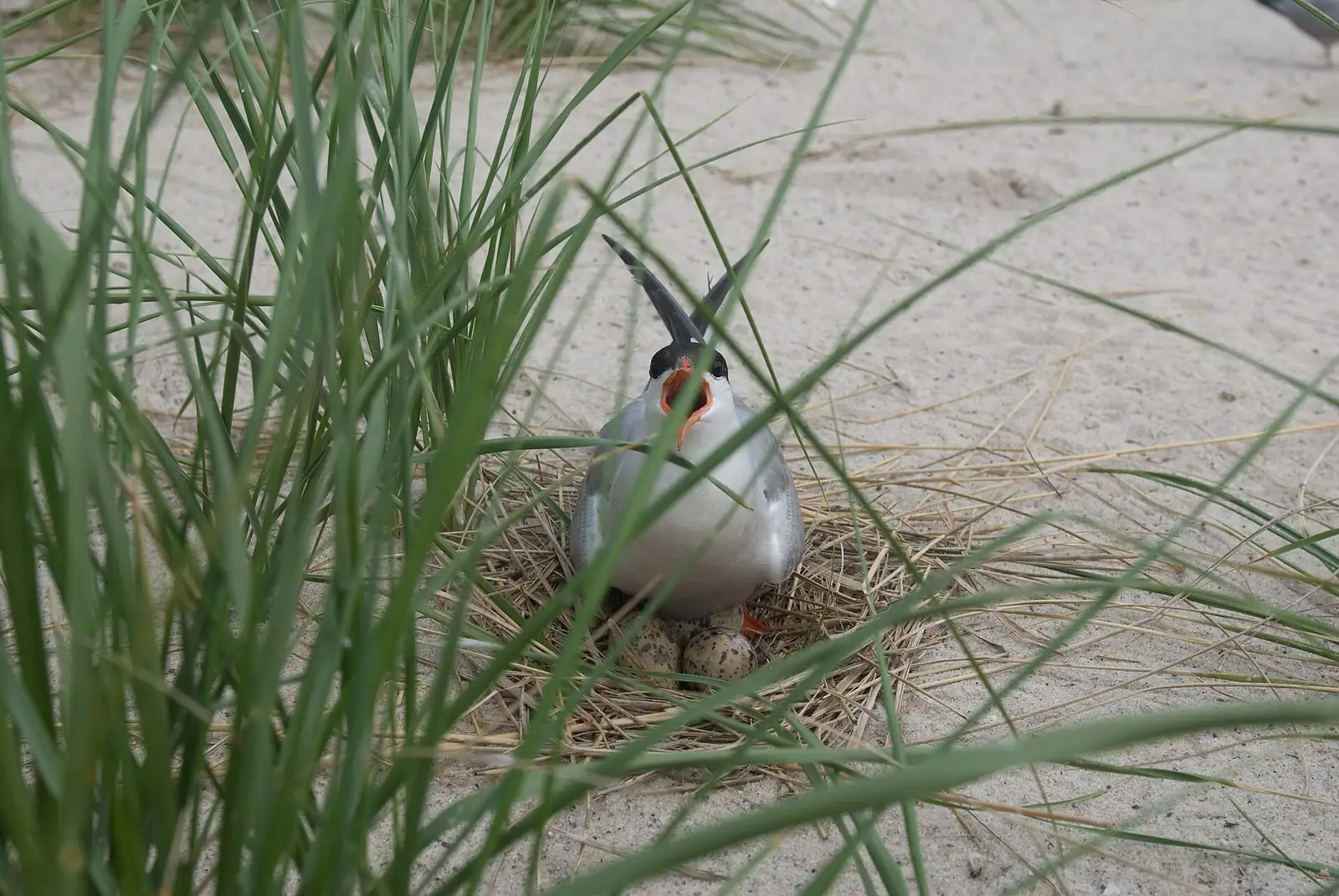
Two wilderness barrier islands off Chatham holding thousands of grey seals and the Atlantic coast's largest common tern colony.
1–4 hoursFree. Refuge lands carry no entrance charge; boat trips with private operators are separately priced.1.9 mi away

Trail
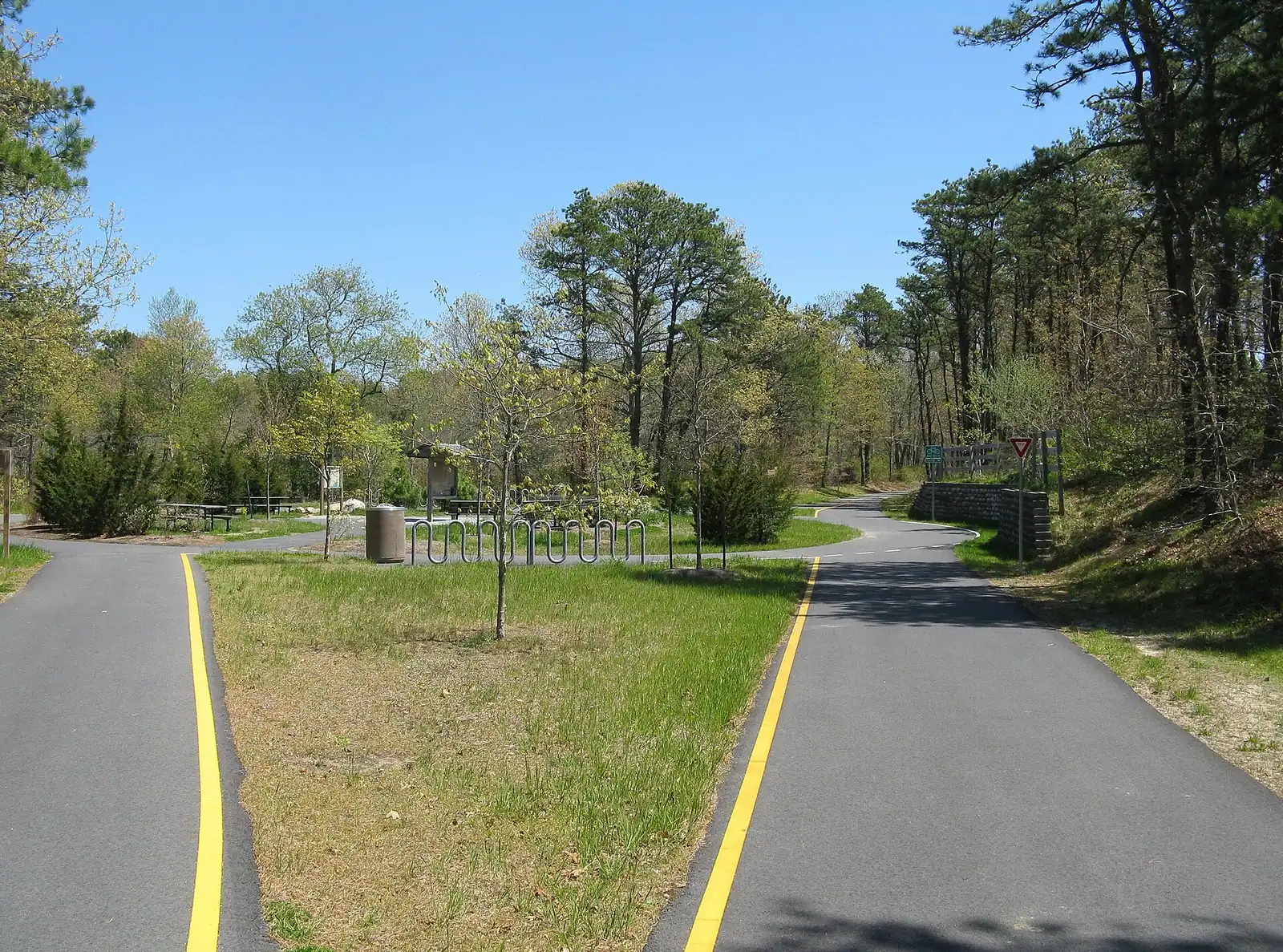
Twenty-five and a half paved miles on an old railbed through seven towns, and the way to reach a beach in August without parking.
1.5–6 hoursFree to use. Some trailhead car parks charge or require a town sticker.6 mi away
Where this place fits into a day, and the pages that plan one.

Guide hub
Cape Cod is a hook, and the most useful question you can answer before booking anything is where on that hook you intend to stand. The peninsula…

Guide hub
Ask somebody who has been coming here for thirty years where to stay and they will not answer with a town. They will ask you two questions first…

Things to do
Off the elbow of Cape Cod, on sandbars that appear and vanish with the tide, lies one of the largest concentrations of seals on the eastern seaboard…

Things to do
The Cape is named after a fish that is now the hardest thing on this list to catch. Bartholomew Gosnold called it Cape Cod in 1602 because the water…

Budget
Here is the thing about Cape Cod that nobody says plainly: almost nothing on this peninsula charges admission. The national park does not have a…

Guide
The postcard beaches are the wrong ones for small children. The bay flats at low tide and the freshwater kettle ponds are the two things that make a Cape family week work.
8 min readMargaret Thorne
There is no fixed time, but early to mid afternoon is the general pattern. Chatham runs a day-boat fleet, so crews leave before dawn and aim to be back through the harbour entrance before the afternoon breeze builds. Unloading depends on the tide over the bar, the wind offshore and how the fishing went. After a stretch of hard easterly weather, fewer boats will have gone out at all. Come after lunch and treat it as likely rather than scheduled.
Yes. The pier and the public observation gallery above the unloading floor are free at any time of year, with no ticket and no opening hours. The gallery is reached by an external staircase on the side of the municipal building and looks directly down onto the working floor. Parking in the small lot is free too, though it fills in July and August and is shared with trucks and forklifts serving the packing bays.
Usually, yes. Grey seals gather around the pier and in Aunt Lydia's Cove waiting for discards from the boats, and they are often close enough to see clearly from the gallery without binoculars. This is the easiest free seal viewing on Cape Cod. Do not feed them, do not try to reach the water's edge to get closer, and remember that federal rules require boats to keep 150 feet from hauled-out seals.
It changes with the season and with federal quota. Cod and haddock are the historic backbone of the port, alongside monkfish, skate, dogfish, pollock and flounder, with bluefin tuna and striped bass in their seasons. Winter brings more offshore scallop landings. Because this is a day-boat fleet rather than a trip fishery, what crosses the floor in the afternoon was caught that morning, which is the reason Chatham's name carries weight on a menu.