Skip to content
Search
Menu

Bookings here go through Viator, who pay us a commission. You are charged the same either way, and the commission had no say in this list.

Museum

Cape Cod Museum of Natural History

Last updated

A small local aquarium with a marsh boardwalk out the back that leads to Wing Island and the Brewster flats.

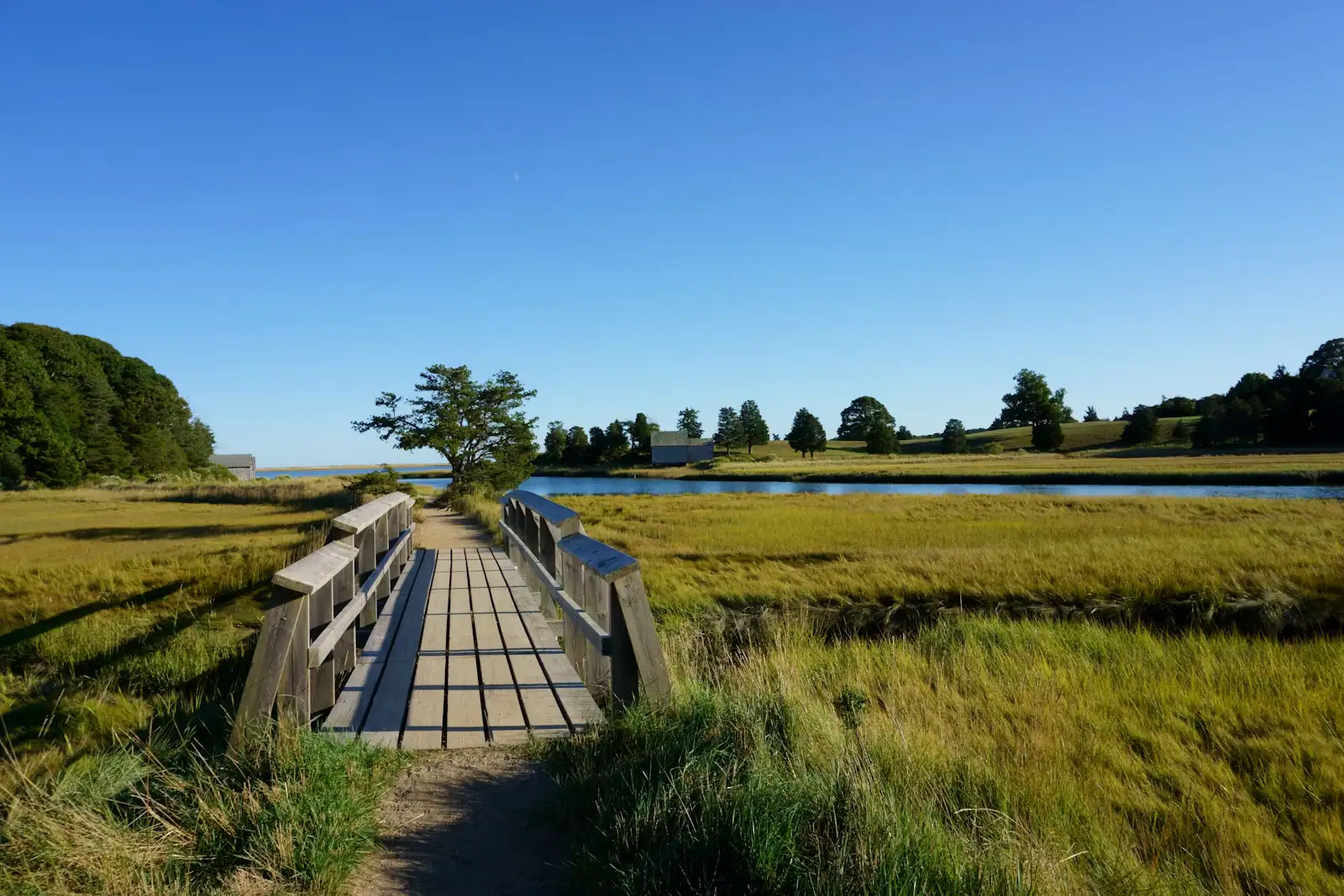
A wooden boardwalk crossing a grassy salt marsh on Cape CodUnsplash

Photo: UnsplashUnsplash License

The Cape Cod Museum of Natural History was founded on 20 February 1954 as the Cape Cod Junior Museum, and the naturalist John Hay, who ran it from 1955 to 1980, set its character: this is a museum about the place it stands in, not a general one. Everything inside was collected, caught or photographed within a few miles of the door.

The main building on Route 6A in Brewster runs to around 17,000 square feet and the best of it is the aquarium. Over eighty species of local freshwater and saltwater life are held in tanks and a touch pool, which means you can put a hand on a sea star and then go and find one on the flats an hour later. For a child, that connection is the entire value of the visit, and it is one that a large aquarium in a city cannot offer. Add the marine life displays, the exhibits on the Cape's glacial formation, and the bird collection, and there is comfortably ninety minutes indoors.

But the reason to choose this over any other Cape museum is what is behind it. The museum owns about eighty acres and helps care for a further three hundred and twenty acres of adjoining town and conservation land, and the John Wing Trail runs out from the back of the building on a boardwalk across the salt marsh to Wing Island and on to the Brewster flats on Cape Cod Bay.

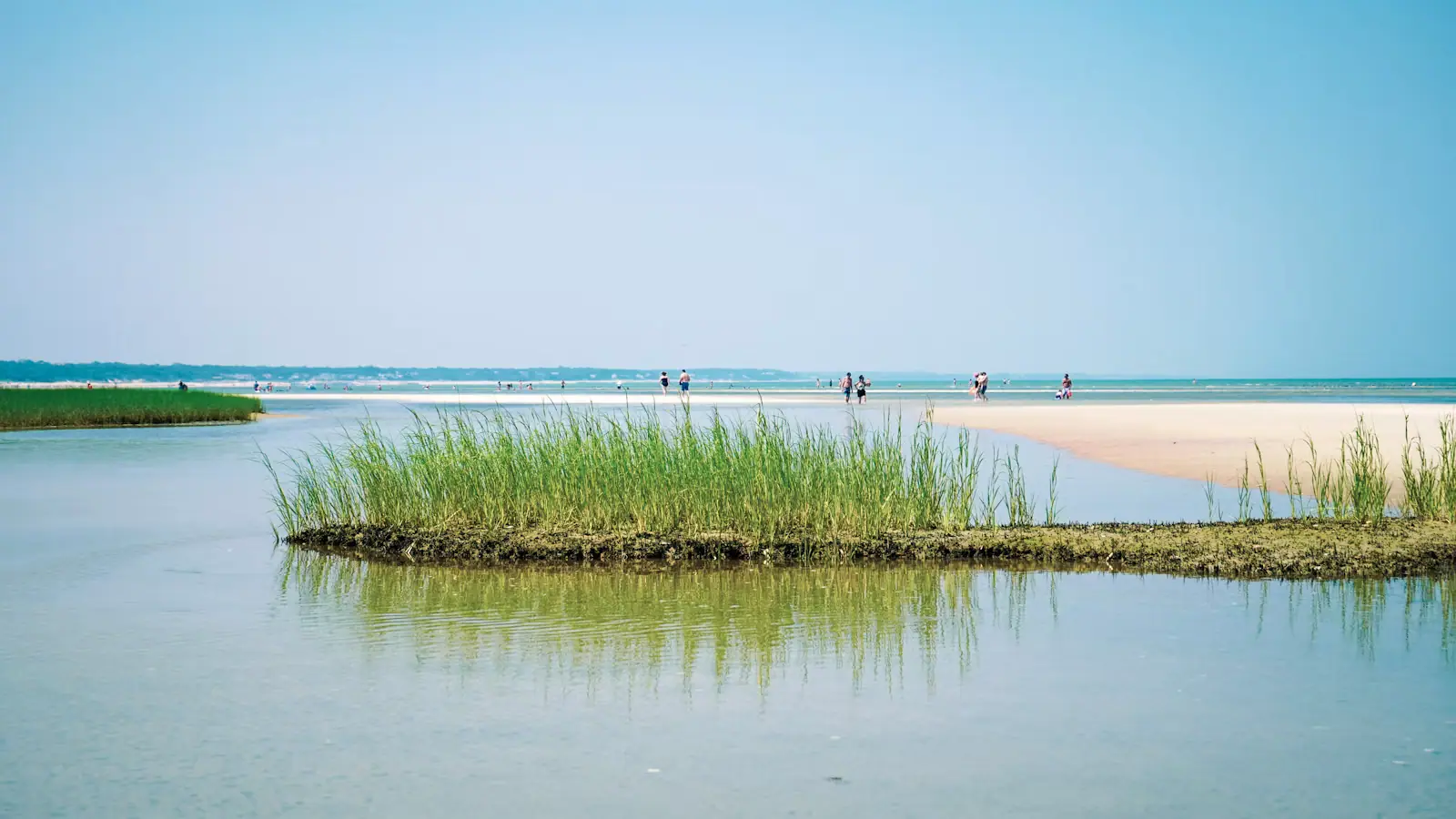
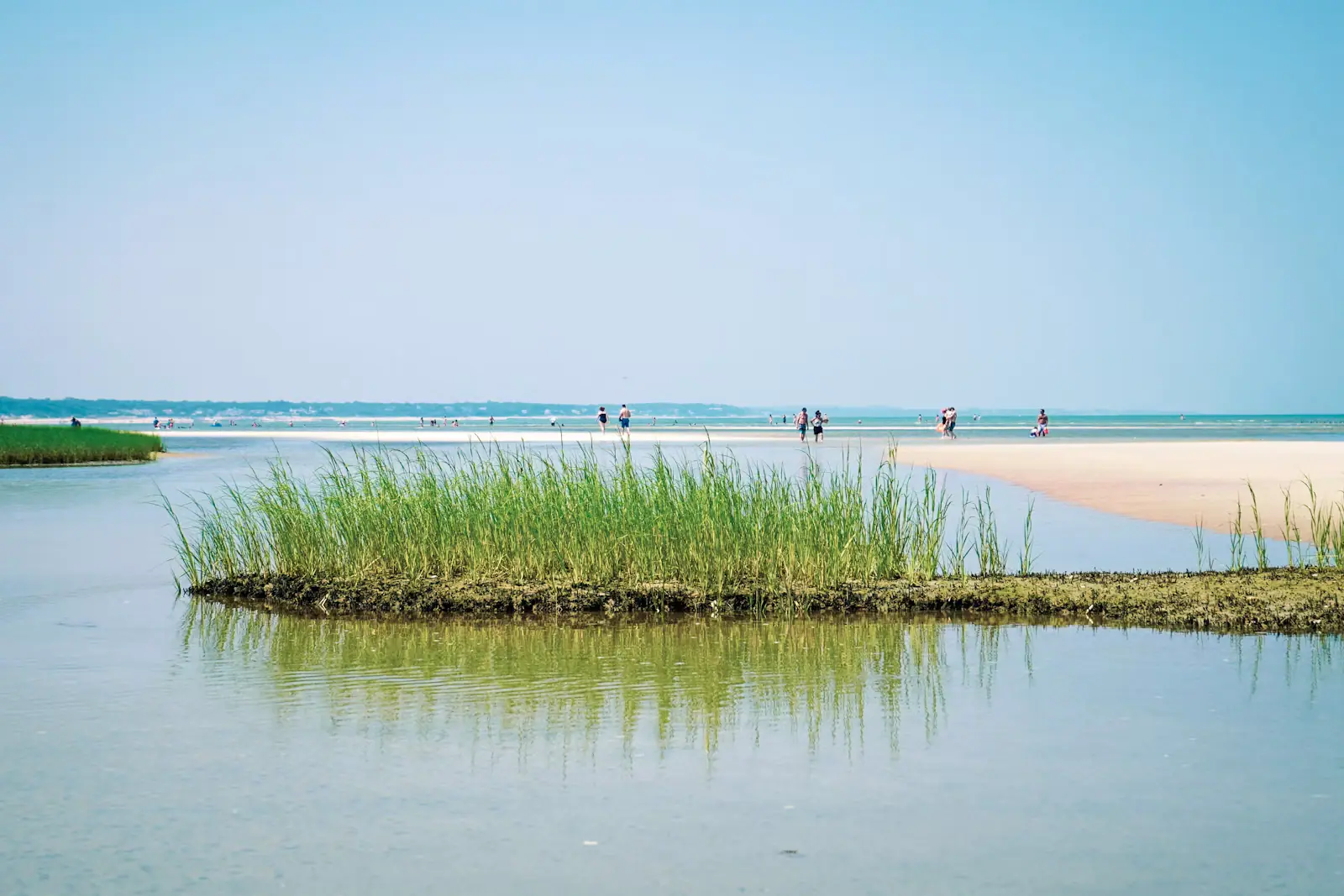
That walk is roughly a mile and a half there and back and it crosses four habitats in fifteen minutes: pitch pine upland, salt marsh, island scrub and open tidal flat. On a falling tide you emerge onto the flats and can keep walking. Very few museums anywhere let you do that.

A butterfly house and pollinator path opened in 2016. Stony Brook, which runs through museum land, carries the alewife herring run in spring.

Getting there and parking

The museum sits on Route 6A in Brewster, signed from the road, with its own free car park.

From the Sagamore Bridge, take Route 6 east to exit 88 or 89 and cut north to Route 6A, then follow it east. Allow about an hour with clear roads. Coming along Route 6A from Sandwich is slower and considerably more pleasant.

From Orleans it is about ten minutes west, from Chatham around half an hour.

By bike, the Cape Cod Rail Trail passes through Brewster and connects to Nickerson State Park a few minutes east; the last stretch to the museum is on Route 6A, which is narrow with an inconsistent shoulder and summer traffic, so ride it carefully.

The Cape Cod Regional Transit Authority runs seasonal services along the Route 6A corridor; check the current timetable rather than assuming one.

What is inside the building

The aquarium is the anchor. Tanks hold over eighty species of local fresh and saltwater life, which on this coast means lobster, tautog, skate, sea robins, striped bass, flounder, sea stars, whelks, horseshoe crabs and the rest of the cast you will meet on the flats. A touch pool lets children handle the hardier ones under supervision.

Around it, the displays cover the Cape's formation. The peninsula is glacial: terminal moraine and outwash from the retreat of the Laurentide ice sheet, somewhere between sixteen and twenty thousand years ago, which is why the ponds are kettles, the soil is sand and the coastline is temporary. Getting that geology across to a visitor in twenty minutes is the museum's other real achievement.

Bird and mammal specimens, marine mammal material including whale skeletal displays, and rotating temporary exhibitions fill the rest. Inflatable whale models are used for school programmes and sometimes appear in the galleries.

Allow an hour to ninety minutes indoors, longer with children at the touch pool.

The museum runs an active programme of naturalist-led walks, marine life cruises and children's activities, more of it than the building suggests. Those are booked separately and run seasonally, and the walks led onto the flats by a museum naturalist are a considerably better use of a morning than the same walk unguided.

The John Wing Trail, and checking the tide first

The trail leaves from behind the museum, drops through pitch pine to the edge of the marsh, and crosses on a boardwalk to Wing Island. From there a path runs out to the bay shore and the Brewster flats.

Round trip is roughly a mile and a half depending on how far you go out onto the sand.

The important thing is the tide. The low boardwalk section crossing the marsh floods on a spring high tide, and the route out to the flats is only worth doing on a falling or low tide. Check a tide table before you set off. Museum staff will tell you the state of the water if you ask at the desk, and it is worth asking.

On the flats themselves the Brewster rule applies: walk out on a falling tide, turn at low water, and come back before it has risen far, because the returning water fills the channels behind you across nearly level ground.

Insects are a genuine consideration. Greenheads on the marsh in July, mosquitoes at dusk. Repellent is not optional in high summer.

Ticks are present in the upland sections from spring through autumn. Stay on the path, cover your legs and check afterwards.

The trail is also the museum's best free-ish asset: it is open to the public, and the combination of an hour inside and an hour out the back is the most complete natural history you will get anywhere on this peninsula.
Tickets, timing and combining it with the rest of Brewster

  • Admission is modest by museum standards, with reduced rates usually offered for children and older visitors and a family arrangement. Verify current pricing rather than relying on a quoted figure.
  • Opening is seasonal, with a reduced winter schedule. Check before driving in the off season.
  • Allow two to three hours for the building and the Wing Island trail together.
  • Parking is free and on site, off Route 6A, which is an advantage in a town where every beach lot needs a sticker.
  • This is the Cape's best wet-day option with children on the Lower Cape, alongside the glass museum in Sandwich and the aquarium at Woods Hole.
  • Combine it with the flats. If the tide is falling when you arrive, do the trail first and the building after; if it is rising, do the reverse.
  • Nickerson State Park is ten minutes east and the Cape Cod Rail Trail is close, which makes a museum, a pond swim and a ride a straightforward full day.
  • Stony Brook's herring run, a few minutes away, peaks in April and is free.

Near Natural History Museum

Straight-line distances, so allow more on the road — the island is long and has one main parkway.

  • People walking out across wet sand flats at low tide on the bay side of Cape Cod

    Neighbourhood

    Free

    Brewster

    The bay town where low tide opens a walking surface that was open sea an hour earlier, and fills again faster than people expect.

    3–8 hoursFree to visit. Town beach lots need a Brewster sticker in season; Nickerson charges day-use parking.0.6 mi away

  • A paved pathway running between green grass under an overcast sky

    Park

    Nickerson State Park

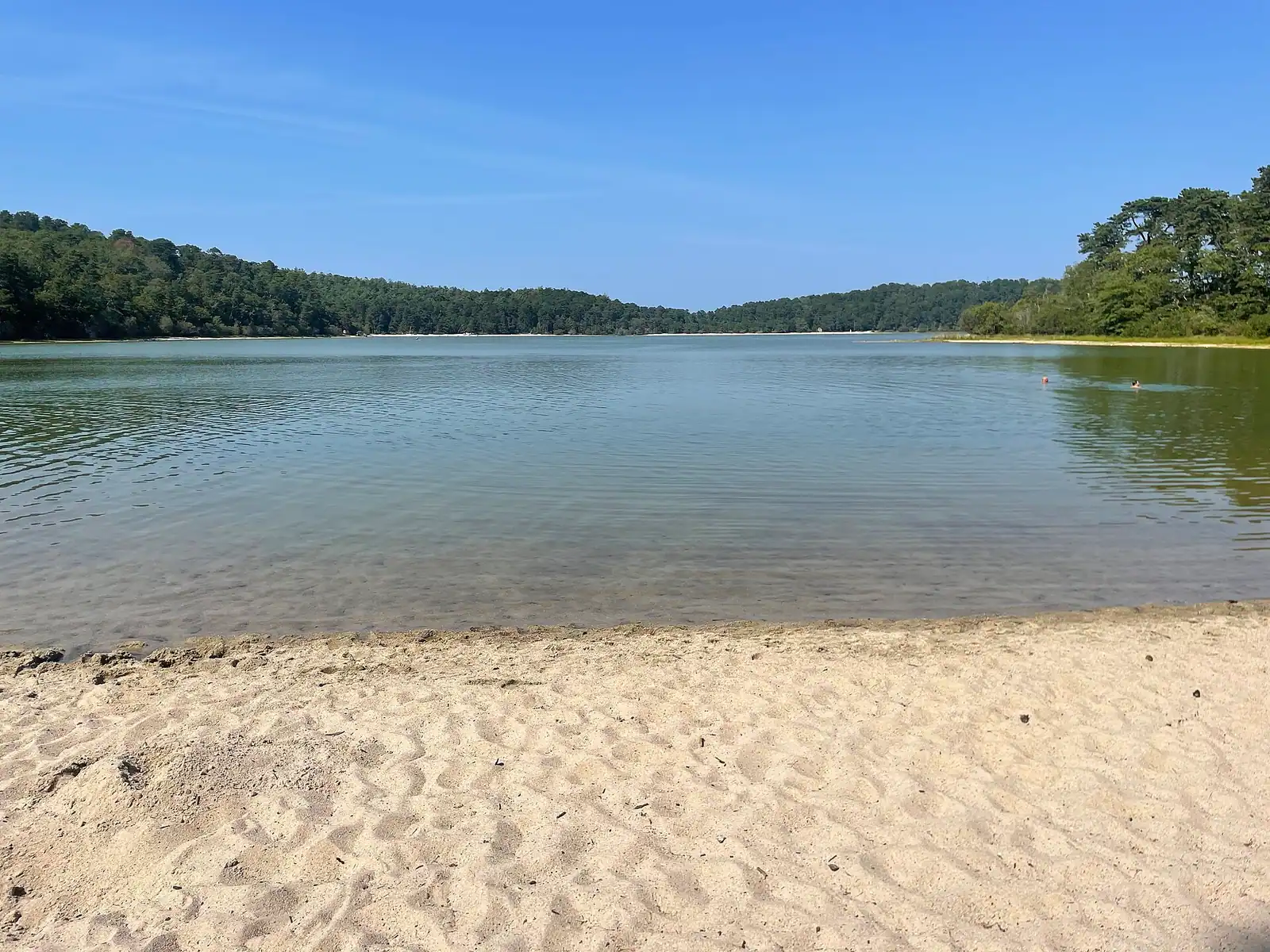
    Eight glacial kettle ponds in nineteen hundred acres of pine, with the Cape's only large public campground and its warmest swimming.

    2–8 hoursState park day-use parking fee in season; camping and yurts are booked and priced separately4.1 mi away

  • A paved pathway running between green grass under an overcast sky

    Trail

    Free

    Cape Cod Rail Trail

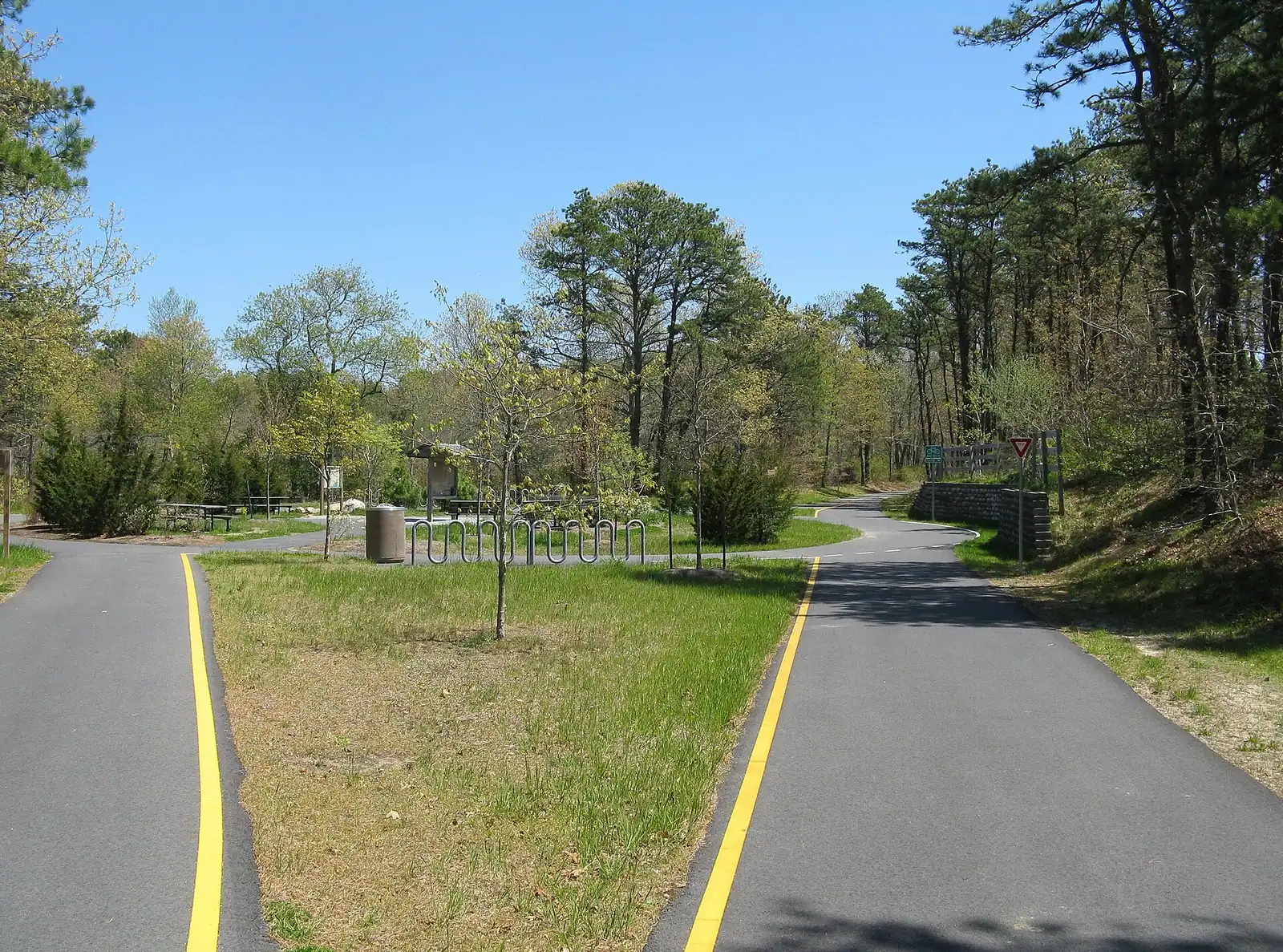
    Twenty-five and a half paved miles on an old railbed through seven towns, and the way to reach a beach in August without parking.

    1.5–6 hoursFree to use. Some trailhead car parks charge or require a town sticker.3.7 mi away

  • Low sun over a thin sheet of water lying on an exposed sand flat at low tide

    Beach

    Free

    Skaket Beach

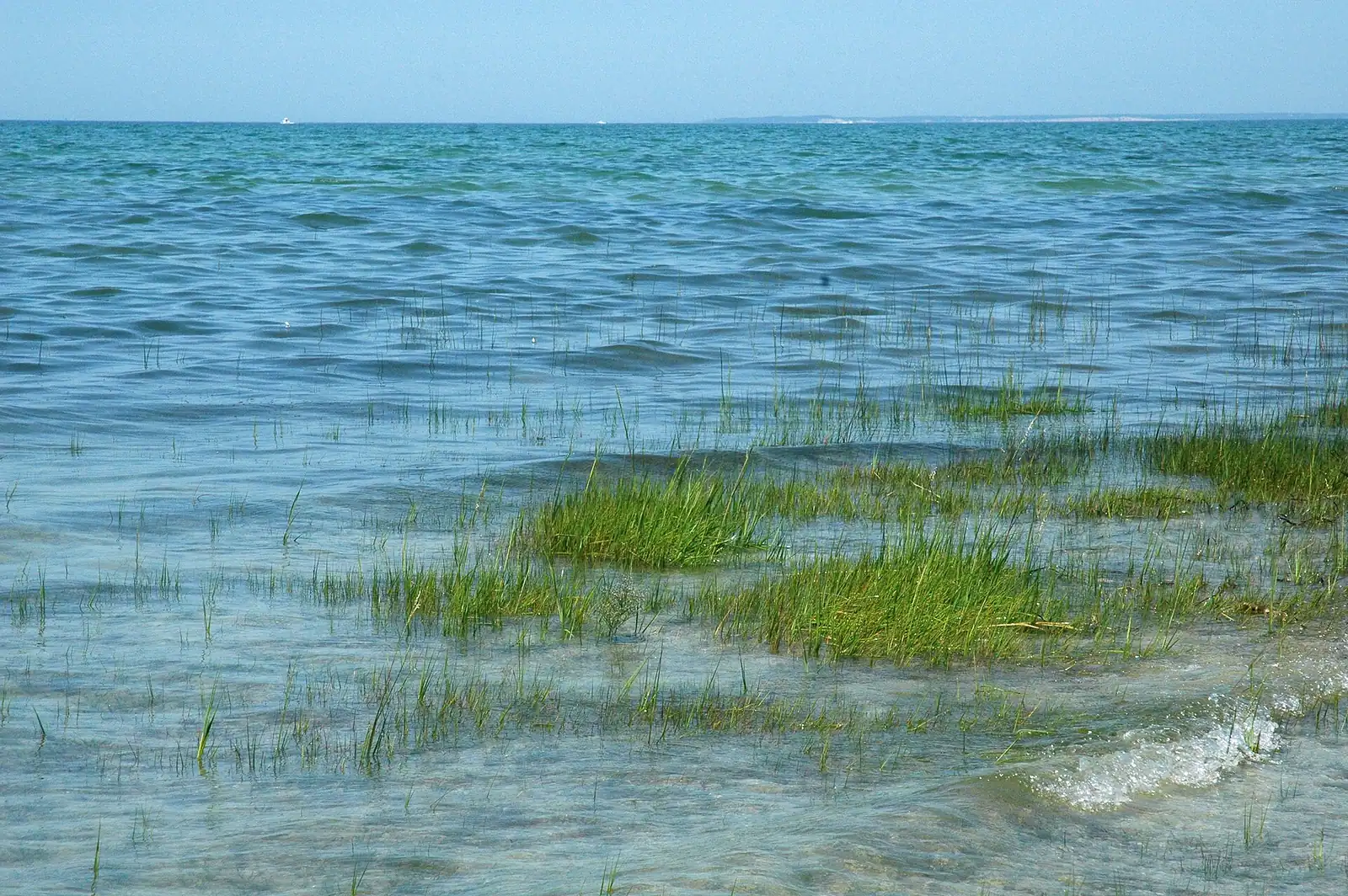
    Warm, shallow bay water over a flat that empties for most of a mile — and a car park small enough that it shuts by mid-morning in July.

    2–5 hoursFree to enter. Town parking is charged in season by daily rate or Orleans beach sticker.4.5 mi away

Natural History Museum: common questions

What is at the Cape Cod Museum of Natural History?

An aquarium of over eighty species of local fresh and saltwater life with a touch pool, displays on the Cape's glacial formation, bird and marine mammal material, a butterfly house that opened in 2016, and rotating exhibitions, in a building of around 17,000 square feet on Route 6A in Brewster. Behind it, the John Wing Trail crosses a marsh boardwalk to Wing Island and out onto the Brewster tidal flats.

How long is the John Wing Trail?

Roughly a mile and a half there and back, depending on how far you walk out onto the flats. It leaves from behind the museum, drops through pitch pine, crosses the salt marsh on a low boardwalk to Wing Island and continues to the bay shore. Four habitats in about fifteen minutes of walking. The boardwalk section floods on a spring high tide, so check a tide table or ask at the museum desk before setting out.

Is the Cape Cod Museum of Natural History good for kids?

It is one of the best options on the Cape. The touch pool and the local aquarium let children handle a sea star and then find one on the flats behind the building an hour later, which is a connection a large city aquarium cannot offer. The museum also runs naturalist-led walks and children's programmes seasonally, booked separately. Allow two to three hours for the building and the Wing Island trail together.

How old is the Cape Cod Museum of Natural History?

It was founded on 20 February 1954 as the Cape Cod Junior Museum, and the naturalist John Hay, who served as president from 1955 to 1980, shaped its approach: a museum about the ground it stands on rather than a general one. Everything inside was collected within a few miles of the door. The museum now owns about eighty acres and helps care for a further three hundred and twenty acres of adjoining town and conservation land.