Reading average temperatures will not help you choose a month on Cape Cod. The weather here is ordinary coastal New England weather and it is broadly the same in Falmouth as it is in Newport or Plymouth.
What is not ordinary is how completely this peninsula closes. A large share of Cape Cod businesses operate between Memorial Day at the end of May and Columbus Day in the second week of October, and are shut the rest of the year. On the Outer Cape that is not a figure of speech: Truro and Wellfleet in March can offer a visitor almost nothing at all. So the honest way to choose a month here is to ask what will be open.
The four calendars that do not line up
| Calendar | Runs roughly |
|---|---|
| The commercial season, most shops and restaurants | Memorial Day to Columbus Day |
| National Seashore lifeguards | Third week of June to Labor Day |
| Seashore beach fee collection | Late May to mid-September, weekends at the edges |
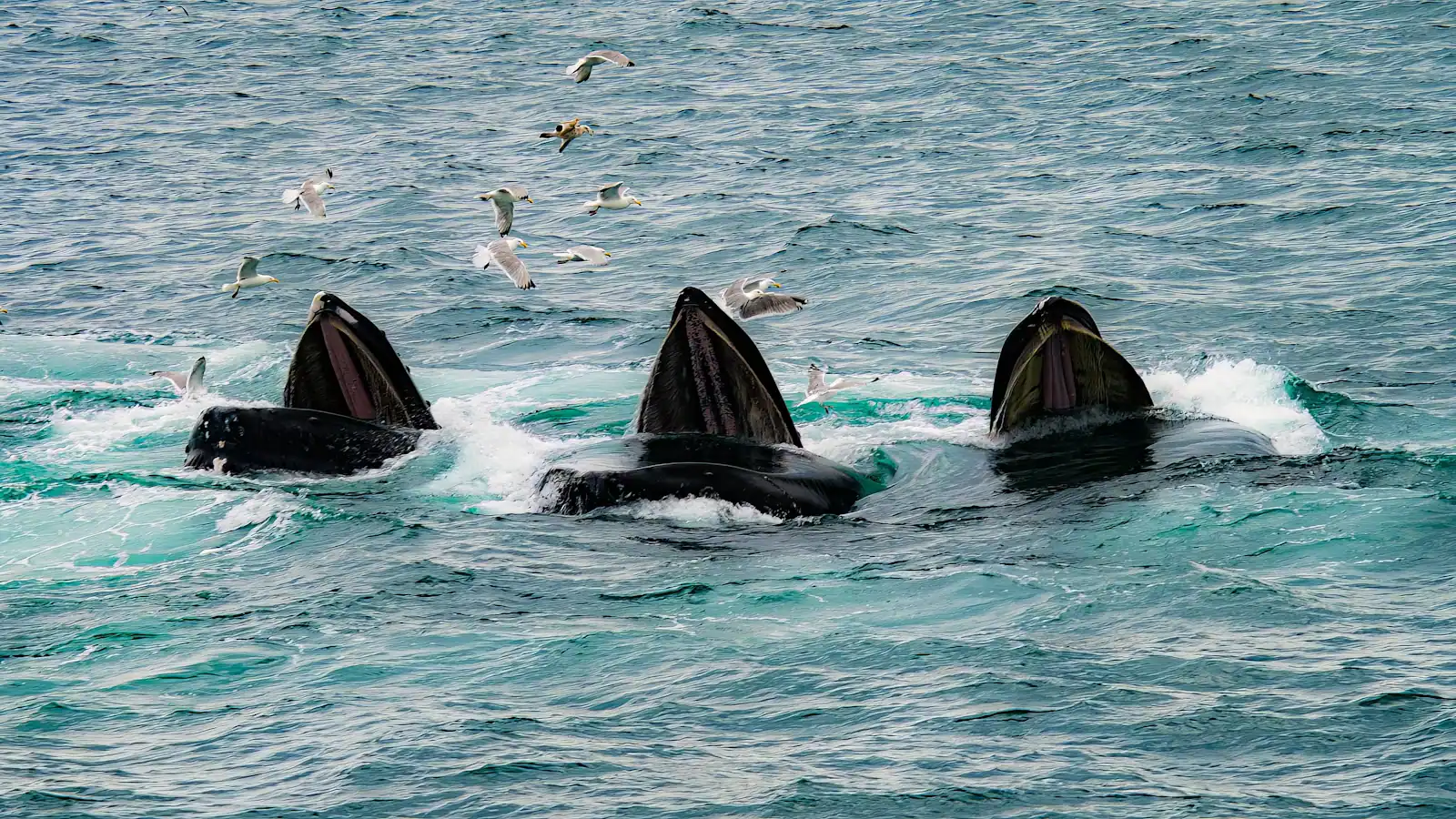
| Whale-watch boats to Stellwagen Bank | April to late October |
Note where those edges fall. September sits inside the commercial season and outside the lifeguard season. It has the warmest water of the year, the emptiest sand, boats still running, and nobody watching the water. That combination is the single most useful thing on this page.
Month by month, by what is happening
January to March. Nor'easter season, and the quietest the Cape ever gets. The Outer Cape is largely closed; Falmouth, Sandwich and Hyannis carry on because people live there. This is when the grey seals are thickest on the outer beaches and when North Atlantic right whales come into Cape Cod Bay to feed, occasionally close enough to be seen from shore on the bay beaches. It is a serious naturalist's season and a poor holiday one.
April. The herring run. Alewives push up the streams, and the fish ladder at the Stony Brook grist mill in Brewster is one of the better free spectacles on the Cape. The first whale-watch boats sail. Most restaurants are still shut. Cold, and often beautiful.
May. The peninsula wakes up over about three weeks. Rhododendrons come into flower at Heritage Museums and Gardens in Sandwich toward the end of the month. Seashore fee collection begins. Fog is common, because warm air is moving over water that is still winter-cold. By Memorial Day weekend the season has begun and the prices have changed.
June. The best month that is not September. Everything has opened, lifeguards return around the third week, days are at their longest, and the July crowds have not arrived. Provincetown's Portuguese Festival and Blessing of the Fleet falls late in the month. The Cape Cod Baseball League starts. The water is still cold.
July. Peak. Warm, busy, expensive, and the bridges are at their worst on Fridays and Saturdays. Greenhead flies appear in the salt marshes from about mid-month and are a genuine nuisance for two to three weeks near marsh-edge beaches. Book everything in advance.
August. The warmest water of the summer, the fullest towns and the highest prices. Provincetown Carnival fills the tip of the Cape. The Falmouth Road Race runs from Woods Hole to Falmouth Heights. White shark activity is at its height along the outer beaches.
September. The answer for most people. Sea temperature peaks in the first fortnight because the water lags the air by around six weeks. Traffic collapses after Labor Day. Accommodation drops sharply. Cranberry harvest begins in the bogs. Lifeguards have gone, so swim accordingly.
October. Thinning out but still good until Columbus Day, after which a great deal shuts within a fortnight. The Wellfleet oyster festival falls mid-month. Cranberry bogs are flooded for the wet harvest, which is the Cape's best photograph and its least-known one. Whale boats finish.
November and December. Closed, apart from the year-round towns. Christmas strolls in Falmouth, Sandwich and Chatham give December weekends a point, and the Nantucket fast ferry keeps running from Hyannis into late December.
The town calendar, which is not the tourist calendar
Most of what fills a Cape Cod summer weekend is organised by towns for themselves, and the dates move each year because volunteer committees set them. Treat the months below as a planning shape and confirm the weekend before you drive anywhere.
| Month | What is on |
|---|---|
| April | Herring running the fish ladders, Brewster and Bourne; first whale boats |
| Late May | Rhododendrons at Sandwich; the season opens on Memorial Day weekend |
| Late June | Portuguese Festival and Blessing of the Fleet, Provincetown; baseball begins |
| July and August | Band concerts in Chatham and Falmouth; Provincetown Carnival; the Falmouth Road Race |
| September | Cranberry harvest starts; the Harwich cranberry celebration |
| Mid-October | Wellfleet's oyster weekend; the wet harvest floods the bogs crimson |
| December | Christmas strolls in Falmouth, Sandwich, Chatham and Nantucket |
The wet cranberry harvest deserves a particular mention. From mid-September into early November growers flood the bogs so the fruit floats, and a corralled bog under a low autumn sun is the most striking thing on the Cape that almost no visitor plans for. Bogs are working private farmland, so watch from the road rather than walking in.
What to plan around, whichever month you choose
- The tide, if you want the bay flats. It is the difference between a narrow beach and half a mile of rippled sand at Skaket or Breakwater.
- The bridges, if you are driving. Friday afternoon in, Sunday afternoon out, Saturday both ways.
- Fog, in May and June. It cancels whale trips and ferries and lifts by lunchtime more often than not.
- Ticks, all year. Deer ticks are established across the Cape's scrub and woodland, so check after any walk off the sand.
- Plover closures, from late spring into summer. Sections of beach and off-road vehicle trails close for nesting shorebirds, including parts of Sandy Neck and the Seashore's outer trails.
The three-line answer
If you can travel in September, travel in September. Warmest water, quiet beaches, working restaurants, boats still sailing, and an off-peak price.
If you are tied to school holidays, come in late June rather than late August. Everything is open, the water is colder but the beaches are not full, and the shark advisories are less frequent than they are at the end of the summer.
And if you are coming outside the season, come for what the season hides: the seals hauled out along an empty outer shore, the right whales in the bay in early spring, and the herring climbing the ladder at Stony Brook in April. Just stay on the Upper or Mid Cape, where there will be somewhere to have dinner.
Last updated
Opening hours, ordinances and prices move with the season. We re-check this guide rather than rewrite it, and the date above is the last time someone did. How we research and correct.